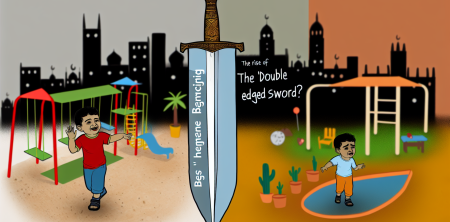
In a world where parenting styles are continually evolving, a new trend has emerged that is stirring both interest and concern among experts: benign neglect. This approach advocates for giving children greater freedom and independence while minimizing parental intervention, contrasting sharply with the more hands-on style of helicopter parenting.
Understanding 'Benign Neglect'
At its core, benign neglect encourages parents to step back and allow their children to navigate their own experiences, cultivating resilience and self-reliance. By intentionally reducing parental oversight, advocates argue that children can develop critical life skills that will serve them well into adulthood.
The Shift from Helicopter Parenting
As the name suggests, helicopter parenting refers to a style characterized by excessive involvement in a child's life. Parents who adopt this style often hover over their children, managing every aspect of their lives, from academic performance to social interactions. In contrast, benign neglect offers a refreshing departure from this intense scrutiny, allowing children to explore, make mistakes, and learn from them.
The Appeal of Benign Neglect
Proponents of benign neglect suggest that this parenting style can help cultivate independence in children. By giving kids the space to make their own decisions, they may develop a stronger sense of self and enhanced problem-solving skills. Child development experts have pointed out several potential benefits of this approach:
- Fostering Resilience: Children learn to cope with challenges and setbacks when parents aren't always stepping in to solve their problems.
- Encouraging Decision-Making: Allowing kids to make choices fosters critical thinking and boosts confidence in their abilities.
- Enhancing Social Skills: Children who engage with peers independently are more likely to develop essential social skills.
Expert Opinions: A Divided Landscape
Despite its growing popularity, the benign neglect approach has sparked a varied response among child care professionals. While some experts champion the benefits of allowing children more freedom, others express concern about the potential downsides of this parenting style.
Advocates argue that benign neglect can be a healthy alternative to overprotectiveness. They believe that children who are allowed to explore their own boundaries may experience personal growth and learn to navigate the complexities of life more effectively. Furthermore, this approach aligns with developmental theories that emphasize the importance of independence in childhood.
On the other hand, critics caution against the potential for neglectful outcomes. They argue that without appropriate supervision and guidance, children may find themselves in risky situations or miss out on essential learning opportunities. There is a fear that this style could lead to a lack of structure, which is vital for a child’s development.
Finding the Balance: Setting Boundaries
As with most parenting styles, the key to success may lie in finding a balance. While benign neglect promotes independence, it is essential for parents to establish clear boundaries and communicate expectations. Experts suggest that a hybrid approach, blending elements of benign neglect with active parental guidance, may be the most beneficial.
For instance, parents can encourage their children to take on age-appropriate responsibilities, such as completing homework or managing their schedules, while still being available for support and guidance when necessary. This way, children can learn to navigate their world with a safety net, fostering independence without completely relinquishing oversight.
Practical Tips for Implementing Benign Neglect
If parents are interested in exploring benign neglect as a parenting style, here are some practical tips:
- Start Small: Allow children to make decisions about minor aspects of their day, such as choosing their outfits or planning weekend activities.
- Encourage Problem-Solving: When children face challenges, resist the urge to intervene immediately. Instead, ask guiding questions that encourage them to think critically about the situation.
- Set Clear Expectations: While allowing freedom, make sure children understand the boundaries that are in place. Consistent rules help children feel secure while exploring their independence.
- Be Available: Even when practicing benign neglect, parents should maintain open lines of communication. Make it clear that help is available if needed.
Conclusion
As the trend of benign neglect continues to gain traction, it invites a broader conversation about the nature of parenting in today's society. While the concept may seem alarming at first glance, its potential benefits cannot be overlooked. Ultimately, whether parents choose to embrace this approach or remain firmly in the camp of helicopter parenting, the goal should always be the same: to raise confident, capable, and resilient children.

