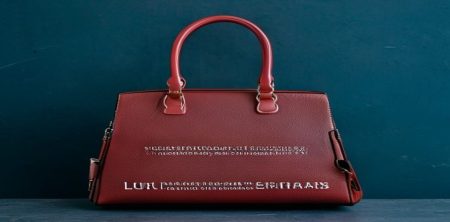
Forget what you thought you knew about investing. While stocks, bonds, and real estate have long been the pillars of wealth accumulation, a surprising contender is quietly — and dramatically — outperforming many of these traditional assets. We're talking, of course, about luxury handbags. Yes, those beautifully crafted, often coveted accessories that grace the arms of celebrities and fashionistas worldwide are no longer just a fashion statement; they've become a legitimate, high-performing investment class.
According to a recent Transparency Market Research report, the global luxury handbag market is projected to skyrocket to an astonishing US$ 52.3 billion by 2035, growing at a robust compound annual growth rate (CAGR) of 5.5% from 2025. This isn't just about affluent consumers buying expensive things; it’s a profound shift in how we perceive value and where we choose to park our capital. The driving force behind this phenomenal growth? A potent combination of increasing global wealth, the powerful sway of celebrity endorsement, the pervasive influence of social media marketing, and an insatiable demand for those elusive, limited-edition collections. But perhaps the most intriguing aspect is the growing recognition of these bags as tangible investment assets, capable of appreciating in value, sometimes even outperforming what you'd see in the financial markets. So, if you've ever dismissed a designer bag as a frivolous expense, it's time to take a closer look at the booming luxury handbag market.
1. The Investment Thesis: More Than Just a Pretty Purse
For decades, the idea of a handbag as an investment would have been met with skepticism, if not outright laughter. We’ve been conditioned to think of investments in terms of financial instruments or physical property. But the luxury handbag market has fundamentally altered this perception. What makes a Hermès Birkin or a Chanel Classic Flap a better bet than, say, a blue-chip stock in certain scenarios? It boils down to scarcity, brand heritage, and meticulous craftsmanship. (top universities for investments)
These aren't mass-produced items. Many luxury bags are crafted by hand, often with extensive waiting lists and a deliberate restriction on supply. This artificial scarcity, combined with the timeless appeal of iconic designs and the unwavering reputation of legendary brands, creates a unique value proposition. When demand far outstrips supply, and the item holds cultural significance, its secondary market value can soar. Think of it as art for your arm – a collectible piece that not only serves a functional purpose but also accrues significant monetary worth over time.
2. The Scarcity Premium: Why Less Truly Is More
One of the most powerful drivers in the luxury handbag market is controlled scarcity. Brands like Hermès are masters of this strategy. You can't just walk into a boutique and buy a Birkin or a Kelly; there's an elaborate, often opaque, process that involves building a relationship with a sales associate and being 'offered' a bag. This isn't accidental; it's a carefully orchestrated tactic to maintain exclusivity and fuel desire. This deliberate limitation of supply, especially for the most coveted models, ensures that the secondary market thrives.
When an item is difficult to acquire new, its value on the resale market naturally inflates. This scarcity premium is a critical component of why these bags are seen as such strong alternative investments. It creates an almost mythical allure around certain pieces, transforming them from mere accessories into highly sought-after treasures. It's a psychological game, certainly, but one that has very real financial implications for those who manage to acquire these elusive items.
3. Brand Power and Heritage: The Unshakeable Foundations
You wouldn't invest in a company with a shaky foundation, would you? The same principle applies to luxury handbags. The brands that command the highest resale values – think Hermès, Chanel, Louis Vuitton, Dior – aren't just fashion houses; they are institutions. Their heritage spans decades, sometimes centuries, built on a legacy of innovation, quality, and an unwavering commitment to luxury. This brand power is non-negotiable.
Consumers aren't just buying a bag; they're buying into a story, a legacy, and a promise of enduring quality. This deep-rooted brand recognition provides a strong hedge against market volatility. Even during economic downturns, the most iconic pieces from these revered brands tend to hold their value remarkably well, often proving more resilient than other luxury categories. It's a testament to the power of a name that has become synonymous with excellence and exclusivity.
4. The Craftsmanship Factor: Built to Last (and Appreciate)
Open up a luxury handbag from one of the top-tier brands, and you’ll immediately understand why they command such prices. These aren't just stitched together; they are meticulously crafted, often by artisans with years of training, using the finest materials available. We’re talking about exotic leathers, hand-stitched seams, polished hardware, and an attention to detail that borders on obsessive. This isn't just about aesthetics; it's about durability and longevity.
A well-made luxury bag is designed to withstand the test of time, both structurally and aesthetically. This robust construction means that even vintage pieces, if properly cared for, can remain in excellent condition, further bolstering their resale value. Unlike fast fashion items that are designed to be disposable, a luxury handbag is an heirloom piece, intended to be enjoyed for years, even generations, and potentially gain value along the way. This inherent quality is a key differentiator in the luxury handbag market.
5. Celebrity Influence and Social Media Buzz: The Modern Accelerators
In today's interconnected world, the impact of celebrity endorsement and social media cannot be overstated. When a global icon like Beyoncé or Kim Kardashian is seen carrying a particular bag, demand for that item can surge overnight. This isn't just about aspiration; it's about validation and visibility. Celebrities act as powerful trendsetters, and their choices often dictate what becomes desirable within the luxury sphere. (See: Understanding investment trends.)
Social media platforms like Instagram and TikTok have amplified this effect exponentially. Influencers, fashion bloggers, and even everyday users showcasing their luxury purchases create a constant stream of aspiration and desire. Hashtags like #bagcrush or #hermesaddict generate millions of views, turning luxury handbags into viral sensations. This digital buzz creates a perpetual marketing machine, continually fueling demand and keeping the luxury handbag market at the forefront of consumer consciousness. It’s a virtuous cycle: seeing a bag, desiring it, then potentially investing in it, which in turn inspires others.
6. Limited Editions and Collectible Status: The Treasure Hunt
Beyond the core iconic models, a significant portion of the growth in the luxury handbag market is driven by limited-edition collections and collaborations. These are often released in small quantities, for a specific season or event, and then retired. Think of special artist collaborations, unique colorways, or celebratory anniversary editions. These pieces aren't just bags; they are collectible art objects.
For serious collectors and savvy investors, these limited editions represent some of the most exciting opportunities. Their inherent scarcity, combined with the 'fear of missing out' (FOMO) factor, means they often sell out instantly and command significant premiums on the secondary market. Tracking these releases and understanding their potential for appreciation requires a keen eye and a deep understanding of the market, but the rewards can be substantial. It transforms shopping into a strategic treasure hunt, where the right find can yield impressive returns.
7. Global Wealth Expansion: A Growing Customer Base
The world is getting wealthier, and this rising tide lifts all luxury boats, especially within the luxury handbag market. As disposable incomes increase across emerging economies, particularly in Asia and the Middle East, a new generation of affluent consumers is entering the market. These consumers often view luxury goods not just as purchases, but as markers of success, status, and cultural integration.
This expanding global wealth means there's an ever-growing pool of potential buyers for luxury handbags, both new and on the secondary market. This demographic shift provides a robust foundation for sustained market growth, ensuring that demand remains strong for years to come. It’s a macro-economic trend that directly benefits the luxury sector, making it a compelling area for investment consideration.
8. Perception as a Status Symbol: The Intangible Value
While we're discussing the tangible financial returns, let's not forget the powerful intangible value that drives the luxury handbag market: status. For many, a luxury handbag isn't just an accessory; it's a potent symbol of achievement, taste, and belonging to an exclusive club. It communicates a certain lifestyle, a level of sophistication, and an appreciation for quality that transcends mere utility.
This aspirational quality is deeply ingrained in human psychology. People are willing to pay a premium for items that confer status, and luxury handbags are among the most visible and widely recognized indicators. This perception isn't likely to fade, ensuring that the emotional and social drivers behind these purchases remain strong, further bolstering their market value. It’s a blend of personal satisfaction and public signaling that few other products can match.
9. The Secondary Market Boom: Fueling Accessibility and Liquidity
Perhaps one of the most transformative developments in the luxury handbag market has been the explosive growth and formalization of the secondary market. Platforms like The RealReal, Vestiaire Collective, and Fashionphile have made it easier than ever to buy and sell pre-owned luxury bags. This increased liquidity and accessibility have dramatically changed the game, turning what was once a niche hobby into a mainstream investment opportunity.
These platforms provide authentication services, condition ratings, and a global reach, giving buyers confidence and sellers a broad audience. This thriving resale market not only offers a pathway for investors to realize gains but also makes luxury bags more accessible to a wider demographic, further stimulating demand. It’s a symbiotic relationship: a strong primary market fuels a robust secondary market, which in turn reinforces the investment appeal of the items.
10. Outperforming Traditional Assets: The Data Speaks Volumes
Here's where it gets truly interesting for anyone considering alternative investments. Studies have shown that certain luxury handbags, particularly specific models from Hermès and Chanel, have consistently outperformed traditional asset classes like the S&P 500, gold, and even real estate over various periods. For instance, the Hermès Birkin has, at times, seen annual appreciation rates that would make many stock market investors green with envy.
While past performance is never a guarantee of future returns, the historical data is compelling. The combination of controlled supply, unwavering demand, brand prestige, and collectible status creates a unique market dynamic that can lead to significant appreciation. It's a wake-up call for those who only look to conventional avenues for wealth growth; the luxury handbag market is proving itself to be a legitimate, and often superior, alternative investment class, offering both aesthetic pleasure and impressive financial gains.
11. Understanding the Investment Grade Handbag
Not all luxury handbags are created equal when it comes to investment potential. Just like you wouldn't invest in any stock without research, you shouldn't treat every designer bag as an appreciating asset. So, what differentiates a mere expensive purchase from an investment-grade handbag? It typically comes down to a few critical factors beyond just the brand name itself.
First, consider the model. Iconic, classic styles like the Hermès Birkin and Kelly, the Chanel Classic Flap, and certain Louis Vuitton monogram pieces consistently hold or increase their value. These are often recognized globally and have a timeless appeal that transcends fleeting fashion trends. Second, look at the material and color. Exotic skins (like crocodile or alligator) or rare, sought-after leathers often command higher premiums. Similarly, classic colors (black, tan, navy) tend to be more liquid and stable in value than highly seasonal or experimental shades. Limited edition or collaboration pieces, as mentioned, also fall into this category, but require a deeper understanding of specific releases. Think of it like collecting rare coins – the standard issue is one thing, but a limited minting is another entirely. (See: Recent news on luxury investments.)
12. The Role of Condition and Provenance
In the world of collectible assets, condition is king, and luxury handbags are no exception. An investment handbag needs to be meticulously cared for to maintain its value. Minor scuffs, hardware scratches, or interior stains can significantly reduce its resale price. Think about the difference between a pristine vintage car and one that needs extensive restoration; the value gap is huge. This means proper storage, regular cleaning, and careful handling are paramount for anyone hoping to see appreciation.
Provenance, or the history of ownership, can also play a subtle but important role, especially for ultra-rare or vintage pieces. If a bag can be traced back to a notable owner or if its authenticity is impeccably documented, it can add a layer of credibility and desirability. While not as critical as condition for most transactions, solid provenance can sometimes tip the scales for discerning buyers on the secondary market. It's about preserving not just the item, but its story.
13. Navigating the Authentication Minefield
One of the biggest challenges and risks in the luxury handbag market, especially on the secondary market, is the proliferation of convincing counterfeits. The market for fake designer bags is unfortunately enormous, and some replicas are so well-made that they can fool even experienced eyes. This poses a significant threat to investors, as a counterfeit bag is, of course, worthless as an investment.
This is precisely why reputable secondary market platforms invest heavily in authentication technologies and expert authenticators. When buying, always opt for platforms with strong authentication guarantees. When selling, providing clear photos of key details (stamping, hardware, stitching, date codes) can help instill buyer confidence. As an investor, educating yourself on common authentication tells for the brands you're interested in is a smart move, though relying on professional services is always the safest bet. It's a constant battle against fakes, and diligence is your best weapon.
14. The Cyclical Nature of Fashion vs. Investment Stability
It's important to distinguish between fashion trends and investment stability within the luxury handbag market. Fashion is inherently cyclical; what's "in" one season might be "out" the next. Investment-grade luxury handbags, however, tend to transcend these fleeting trends. Their value is rooted in timeless design, brand heritage, and scarcity, not just current popularity.
While a trendy "it" bag might see a rapid surge in demand and resale value for a season or two, its long-term appreciation might be less predictable. The true investment pieces are those that have proven their enduring appeal over decades. A Chanel Classic Flap from the 80s, for example, often still fetches a high price today, whereas a highly trendy bag from a lesser-known brand from the same era might be worth very little. Understanding this distinction helps investors focus on assets with real staying power rather than chasing temporary hype.
15. Diversification and Portfolio Strategy
Just like with any investment strategy, diversification is key when considering luxury handbags. While the returns on individual pieces can be impressive, it's generally not advisable to put all your eggs in one Birkin. A balanced portfolio might include a mix of established classics from top-tier brands, perhaps a few carefully selected limited editions with strong potential, and even some emerging brands that show promise for future appreciation.
Treating luxury handbags as a component of a broader alternative asset portfolio makes sense. They offer a tangible asset that can act as a hedge against inflation and market volatility, often uncorrelated with traditional financial markets. However, they also come with their own set of risks, including market shifts, changing consumer tastes, and the potential for damage or loss. A well-thought-out strategy considers these factors, ensuring that luxury handbags contribute meaningfully to your overall wealth accumulation goals without becoming an overly concentrated risk.
Frequently Asked Questions (FAQ) about the Luxury Handbag Market as an Investment
Q1: Which luxury handbag brands offer the best investment potential?
A1: Hermès (Birkin, Kelly), Chanel (Classic Flap, 2.55), and certain iconic Louis Vuitton models (like the Capucines or classic monogram styles) consistently demonstrate the strongest investment potential due to their scarcity, brand heritage, and enduring demand. Dior (Lady Dior, Saddle) also performs well, especially its classic iterations. Brands known for their timeless designs and strict control over supply tend to be the safest bets.
Q2: How do I know if a luxury handbag is a good investment?
A2: Look for iconic, classic models from top-tier brands, limited editions, or pieces made from rare materials (like exotic skins). The bag should be in excellent condition, preferably with original packaging and receipts. Research historical resale values for that specific model, size, color, and material. If it's difficult to acquire new, that's often a good sign of future appreciation.
Q3: What are the risks of investing in luxury handbags?
A3: Risks include potential damage or wear and tear, market fluctuations (though less volatile for classics), the risk of counterfeits if buying from unreliable sources, and the illiquidity of certain niche pieces. Also, storage and insurance costs should be factored in. Fashion trends can shift, making some "it" bags quickly lose value, which is why focusing on classics is crucial.
Q4: How important is the condition of a handbag for its resale value?
A4: Condition is paramount. A bag in "new" or "excellent" condition will command a significantly higher price than one with visible wear, scuffs, or damage. Even minor flaws can reduce value by hundreds or thousands of dollars. Proper care, storage, and maintenance are essential to protect your investment.
Q5: Where can I buy and sell investment-grade luxury handbags?
A5: Reputable online consignment platforms like The RealReal, Fashionphile, Vestiaire Collective, and Rebag are excellent options for both buying and selling. They offer authentication services, which is crucial. High-end auction houses (like Christie's or Sotheby's) are ideal for ultra-rare or exceptionally valuable pieces. You can also explore trusted independent resellers or specialized boutiques.
Q6: How does the luxury handbag market compare to traditional investments like stocks or gold?
A6: Historically, certain iconic luxury handbags (e.g., Hermès Birkin) have demonstrated comparable or even superior annual appreciation rates to traditional assets like the S&P 500, gold, and real estate over specific periods. They often offer a tangible asset that can act as a hedge against inflation and may be uncorrelated with traditional financial markets, providing diversification benefits.
Q7: Should I buy a new or pre-owned bag for investment purposes?
A7: Both can be viable. Buying new from the boutique, especially for hard-to-get items like a Birkin, ensures authenticity and pristine condition. However, buying pre-owned from a reputable reseller can sometimes allow you to acquire a coveted bag at a price below its new retail value, particularly if it's a model with a long waiting list, potentially offering immediate appreciation upon acquisition.
Q8: What kind of return can I expect from a luxury handbag investment?
A8: Returns vary widely depending on the brand, model, condition, and market demand. While some exceptional pieces have seen double-digit annual appreciation, a more realistic expectation for solid investment-grade bags might be in the range of 5-15% annually, especially for core classics. Remember, past performance is not indicative of future results.
Q9: How do I authenticate a luxury handbag?
A9: Authentication requires expertise in specific brand details: stitching, hardware, serial codes, heat stamps, materials, and overall craftsmanship. It's highly recommended to use professional authentication services offered by reputable consignment platforms or independent authenticators. Avoid relying solely on online guides, as fakes are increasingly sophisticated.
Q10: Is investing in luxury handbags accessible to everyone?
A10: While the most sought-after investment bags carry a high entry price, the secondary market has made luxury handbags more accessible. You can start with more affordable entry-level investment pieces from brands like Louis Vuitton or certain classic Chanel models on the pre-owned market. It's a niche investment, but not entirely exclusive to the ultra-wealthy.
So, the next time you see a beautifully crafted designer bag, remember it might be more than just a fashion accessory. It could be a shrewd investment, quietly appreciating in value, and becoming a tangible piece of your diversified portfolio. The luxury handbag market isn't just growing; it's evolving, challenging old assumptions, and proving that true value can be found in the most unexpected places.
Trending Now
Frequently Asked Questions
Are luxury handbags a good investment?
Yes, luxury handbags have emerged as a strong investment class, often outperforming traditional assets like stocks and real estate. High-demand brands, limited editions, and celebrity endorsements contribute to their increasing value, making them a viable option for diversifying your investment portfolio.
What makes luxury handbags appreciate in value?
Luxury handbags appreciate due to factors like brand prestige, scarcity, and demand. Limited editions and iconic designs from brands like Hermès and Chanel often see significant price increases over time, driven by both fashion trends and collector interest.
How is the luxury handbag market growing?
The luxury handbag market is projected to reach $52.3 billion by 2035, growing at a CAGR of 5.5%. This growth is fueled by rising global wealth, celebrity influence, social media marketing, and a shift in consumer perception towards handbags as tangible investments.
What are the risks of investing in luxury handbags?
While investing in luxury handbags can be lucrative, risks include market fluctuations, changing fashion trends, and potential counterfeit products. It's crucial to research and authenticate items before investing to mitigate these risks.
How do luxury handbags compare to traditional investments?
Luxury handbags can outperform traditional investments like stocks and bonds, especially in certain market conditions. Their unique appeal and demand in the collector's market provide a compelling alternative for wealth accumulation beyond conventional financial instruments.
Have you experienced this yourself? We'd love to hear your story in the comments.

