```html
Buddhism is a fascinating and rich tradition that has captivated millions around the globe for centuries. If you’re looking to introduce kids to the world of Buddhism, there are plenty of engaging facts that can make learning fun and insightful. This article highlights 10 Buddhism facts for kids that will not only inform but also inspire curiosity about this ancient philosophy.
1. Buddhism Began with One Man: Siddhartha Gautama
The origins of Buddhism trace back to a man named Siddhartha Gautama, who was born around 563 BCE in what is now Nepal. As a young prince, he lived a life of luxury but was deeply troubled by the suffering he witnessed outside the palace walls. This led him to renounce his royal life and seek enlightenment. After years of meditation and learning, Siddhartha achieved enlightenment and became known as the Buddha, which means "the Enlightened One." This pivotal moment marks the beginning of Buddhism.
Understanding Siddhartha's journey can help kids relate to the concept of seeking knowledge and truth. His story encourages curiosity and the exploration of life's deeper questions. Why do you think he made the choice to leave everything behind? What does it mean to seek enlightenment in our own lives?
2. Buddhism Teaches the Four Noble Truths
At the heart of Buddhism are the Four Noble Truths, which provide a framework for understanding suffering and the path to overcoming it. These truths state that: Related reading: mindfulness books for children.
- Suffering exists.
- Suffering arises from attachment and desire.
- Suffering can be overcome.
- The path to ending suffering is the Eightfold Path.
These concepts can be fascinating for kids, as they teach valuable lessons about life. For instance, recognizing that everyone experiences suffering can foster empathy. Understanding that attachment can lead to unhappiness helps kids think critically about their desires and what truly makes them happy.
3. The Eightfold Path: A Guide to Living Well
The Eightfold Path is essentially a guide to living a life that leads to the cessation of suffering. It consists of eight interconnected practices: right understanding, right intention, right speech, right action, right livelihood, right effort, right mindfulness, and right concentration. Each aspect guides individuals toward moral and ethical living.
For children, this can be simplified into practical actions. For example, “right speech” can be a lesson in being kind and respectful when communicating with others. Teaching children how to apply these principles in their daily lives can lead to better interactions with peers and family, helping them grow into compassionate individuals.
4. Buddhism Emphasizes Mindfulness and Meditation
Meditation plays a crucial role in Buddhist practice and is a powerful tool for developing mindfulness. Mindfulness is the practice of being present in the moment and fully engaged with whatever you are doing. This is particularly beneficial for kids, as it can help them manage stress and improve concentration.
Encouraging children to practice mindfulness can be as simple as taking a moment to breathe deeply or focusing on their surroundings during a walk. There are engaging ways to introduce meditation to kids, such as guided imagery or playful breathing exercises, which can make the experience enjoyable and accessible.
5. Buddhism Is a Religion, but Also a Philosophy
Buddhism is unique because it is both a religion and a philosophy. While it has spiritual practices and rituals, it also encourages critical thinking and philosophical inquiry. This duality makes Buddhism appealing to many people who appreciate both spiritual guidance and intellectual exploration.
For kids, understanding that Buddhism invites questioning can empower them to explore their beliefs and values. It's a wonderful opportunity for discussions about different perspectives, encouraging them to think about what they believe and why. (See: Overview of Buddhism.)
6. Different Buddhist Traditions Around the World
Buddhism has evolved into various traditions, each with its unique practices and beliefs. Some of the most well-known branches include Theravada, Mahayana, and Vajrayana Buddhism. For instance, Theravada, practiced mainly in countries like Sri Lanka and Thailand, emphasizes the original teachings of the Buddha. In contrast, Mahayana, found in places like China and Japan, incorporates a wider range of beliefs and practices, including the veneration of bodhisattvas—enlightened beings who help others achieve enlightenment.
Learning about these diverse traditions can broaden kids' perspectives and help them appreciate cultural differences. You could even explore different Buddhist festivals around the world, such as Vesak, which celebrates the Buddha's birth and enlightenment, and discuss how they are observed in various cultures.
7. Symbols and Art in Buddhism
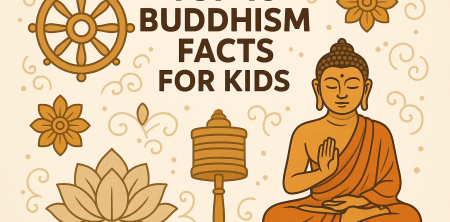
Buddhism is rich in symbolism, with various icons and imagery that convey important teachings. The lotus flower, for example, symbolizes purity and enlightenment, as it rises from muddy waters to bloom beautifully. The Dharma wheel, or Dharmachakra, represents the Buddha's teachings and the path to enlightenment.
Incorporating art into learning about Buddhism can be a fun and engaging activity for kids. They could create their own lotus flowers or draw the Dharma wheel while discussing what these symbols mean. This hands-on approach can help cement their understanding of Buddhist concepts in a memorable way.
8. Buddhism Values Compassion and Kindness
One of the core tenets of Buddhism is the emphasis on compassion and kindness towards all living beings. This idea is encapsulated in the concept of metta, or loving-kindness. Teaching children about the importance of compassion helps them develop empathy and a sense of responsibility towards others.
Simple acts of kindness can be encouraged and celebrated in everyday life. Discussing how even small gestures, like helping a classmate or being nice to a sibling, can create positive ripples in their community reinforces the idea that compassion is a powerful tool for change.
9. Buddhism Has No Central Authority
Unlike many religions, Buddhism does not have a single central authority or governing body. This means that interpretations of Buddhist teachings can vary, and there is a level of freedom within the tradition. Different schools may emphasize various aspects of the teachings, leading to diverse practices among Buddhists.
For kids, this can be a fascinating concept, as it shows that belief systems can be fluid and adaptable. Encouraging them to explore different teachings and see how they resonate with their own values is an enriching experience that promotes open-mindedness.
10. Buddhism Is Growing Worldwide
In recent years, Buddhism has been gaining popularity across the globe, particularly in Western countries. Many people are drawn to its teachings on mindfulness, meditation, and compassion. Schools and community centers are increasingly offering mindfulness programs, reflecting a growing interest in incorporating Buddhist principles into daily life.
This trend provides a great opportunity for kids to discover how Buddhism is relevant today. They can learn about mindfulness practices in schools, explore meditation workshops, or even read books written for young learners on Buddhist principles. Engaging with contemporary interpretations of Buddhism helps kids see that these teachings are not just part of history but are applicable to their lives today.
11. Key Figures in Buddhism
While Siddhartha Gautama is the most recognized figure in Buddhism, there are many other important individuals who have contributed to its teachings. For instance, the Dalai Lama is a prominent figure in Tibetan Buddhism and is known for his messages of peace and compassion. Kids can learn about his life, his role in promoting human values, and how he has used his platform to speak out against suffering and injustice.
Another crucial figure is Thich Nhat Hanh, a Vietnamese Zen monk, who has worked to bring mindfulness practices to the West. His teachings emphasize how mindfulness can lead to happiness and peace. Introducing children to these figures can show them the impact of Buddhism in the modern world and inspire them to engage with the principles of Buddhism in their own lives. (See: Harvard University resources on Buddhism.)
12. Buddhist Festivals and Celebrations
Buddhism is celebrated through various festivals that highlight different aspects of the religion. The most important is Vesak, which commemorates the birth, enlightenment, and death of the Buddha. In many countries, people celebrate Vesak by going to temples, offering flowers, and engaging in acts of kindness.
Another significant festival is Losar, the Tibetan New Year, which is filled with rituals, family gatherings, and special foods. Exploring these festivals can give kids insight into how Buddhism is practiced in different cultures. Crafting decorations for these festivals or even cooking traditional foods can make the learning experience interactive and enjoyable.
13. Understanding Karma in Buddhism
Karma is a key concept in Buddhism that refers to the actions we take and the consequences that follow. It teaches that good actions lead to positive outcomes while negative actions lead to suffering. This can help children understand the importance of their choices and behavior in everyday life.
To illustrate karma, you could use relatable examples, like how being helpful to friends can strengthen relationships, while being unkind might lead to feelings of loneliness. This age-appropriate understanding of karma teaches kids responsibility for their actions and encourages them to make positive choices.
14. Buddhism and Animal Rights
Buddhism places a strong emphasis on compassion for all living beings, which extends to the treatment of animals. The principle of ahimsa, or non-violence, guides many Buddhists to practice vegetarianism or veganism as a way to avoid harming animals. Discussing this aspect of Buddhism can lead to interesting conversations with children about kindness towards animals and the environment.
Kids can be encouraged to think about how their food choices impact the world around them. Activities like visiting animal shelters, volunteering in conservation efforts, or even creating art projects that promote animal welfare can foster empathy and responsibility.
15. Frequently Asked Questions about Buddhism
What is the main goal of Buddhism?
The main goal of Buddhism is to achieve enlightenment, which brings an end to suffering and the cycle of rebirth. Enlightenment, or Nirvana, is a state of ultimate peace and wisdom.
Do Buddhists believe in a god?
Buddhism does not focus on the worship of gods in the same way that many other religions do. While some forms of Buddhism include the veneration of bodhisattvas or other enlightened beings, the emphasis is primarily on personal spiritual development and understanding.
How does one become a Buddhist?
Anyone can become a Buddhist simply by taking refuge in the Buddha, the Dharma (the teachings), and the Sangha (the community). This often involves a commitment to practice and study the teachings of Buddhism.
Can kids practice Buddhism?
Yes! Kids can engage with Buddhism through mindfulness exercises, learning about its teachings, and participating in community activities. Many Buddhist communities offer programs specifically tailored for children. (See: Mental health and mindfulness.)
What is the significance of meditation in Buddhism?
Meditation is significant in Buddhism because it helps individuals develop mindfulness, focus, and an understanding of their thoughts and emotions. It is a tool for achieving deeper insight and tranquility.
16. More About Mindfulness for Kids
Mindfulness isn't just a meditation technique; it's about approaching life with an open heart and mind. Engaging kids in mindfulness can be as fun as it is beneficial. Simple practices like mindful eating, where children focus on the taste and texture of their food, can deepen their appreciation for meals. You can introduce games that involve listening closely to sounds in nature or focusing on breathing patterns. These activities not only help to calm the mind but can also foster a sense of gratitude and presence.
17. Buddhist Etiquette and Practices
Teaching kids about the etiquette surrounding Buddhism can be enlightening. For example, in many Buddhist cultures, it's customary to remove shoes before entering a temple. Understanding these practices can teach respect for different cultures and traditions. Kids can be encouraged to learn about how to greet monks or the significance of bowing in certain contexts. This knowledge can enhance their experience if they ever visit a Buddhist community or temple.
18. Learning Through Stories
Stories from Buddhist scriptures, like the Jataka tales, offer valuable life lessons wrapped in engaging narratives. These tales feature the Buddha in various incarnations, illustrating virtues such as kindness, wisdom, and selflessness. Sharing these stories can spark discussions about moral values and encourage children to think about their own actions. For instance, after reading a tale about generosity, you might ask, "What would you do to help someone in need?" This can help children connect literature to real-life situations.
19. The Role of Community in Buddhism
The sense of community, or Sangha, is vital in Buddhism. For children, understanding the importance of community can help them appreciate friendships and teamwork. They can be encouraged to participate in activities that promote cooperation and support, such as team sports or group projects. Learning how Buddha's teachings have been preserved and spread through community efforts can inspire them to value the connections they make and the support they can offer others.
20. Creative Activities to Explore Buddhism
Kids love hands-on activities, and there are many creative ways to introduce them to Buddhist concepts. Art projects like making mandalas can be both therapeutic and educational, teaching patience and focus. You might encourage them to create their own mandalas using colored pencils or even natural materials. Another fun activity could be designing their own prayer flags, which are often used in Tibetan Buddhism to promote peace and compassion. These colorful flags serve as a reminder of the values they represent, making the lessons more tangible.
By introducing these buddhism facts for kids, you can spark a genuine interest in this beautiful tradition. Whether it's through stories, art, or hands-on activities, there are countless ways to explore Buddhism together. So why not start today? The journey of discovery can be exciting and enlightening!
```
Trending Now
Frequently Asked Questions
What are the main teachings of Buddhism for kids?
Buddhism teaches kids about the Four Noble Truths, which explain the nature of suffering and how to overcome it. It emphasizes empathy, understanding desires, and following the Eightfold Path, which serves as a guide to living a good and meaningful life.
Who is the founder of Buddhism?
The founder of Buddhism is Siddhartha Gautama, who became known as the Buddha after achieving enlightenment. His journey from a royal life to seeking truth and knowledge is central to understanding Buddhism.
What is the significance of the Eightfold Path in Buddhism?
The Eightfold Path is a key aspect of Buddhism that provides practical steps for ethical living, mental development, and achieving enlightenment. It helps individuals cultivate the right understanding, intention, speech, action, livelihood, effort, mindfulness, and concentration.
How can Buddhism teach empathy to children?
Buddhism teaches empathy by highlighting that everyone experiences suffering. Understanding this shared experience helps children relate to others' feelings, fostering compassion and kindness in their interactions.
What are the Four Noble Truths in Buddhism?
The Four Noble Truths outline the essence of Buddhism: 1) Suffering exists; 2) Suffering arises from attachment and desire; 3) Suffering can be overcome; 4) The path to ending suffering is the Eightfold Path.
What's your take on this? Share your thoughts in the comments below — we read every one.

