```html
Learning to write the alphabet is a foundational skill for any child embarking on their educational journey. As they progress from recognizing letters to mastering the art of writing, alphabet writing worksheets serve as invaluable tools. These worksheets not only promote fine motor skills but also enhance cognitive development and literacy. In this article, we will explore the top 10 worksheets that can help children practice writing the alphabet effectively.
1. Letter Tracing Worksheets
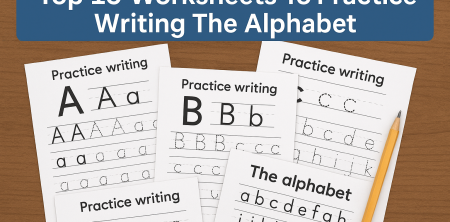
Letter tracing worksheets are a classic choice for teaching young learners the shapes and strokes of each letter. These worksheets typically feature dotted letters that children can trace over with a pencil or crayon. This method is beneficial because it allows children to develop muscle memory, which is crucial for handwriting skills.
Using these worksheets, children can practice both uppercase and lowercase letters. Tracing helps them understand the correct formation of letters, such as starting from the top or following a specific direction. Many educators recommend incorporating letter tracing into daily practice to reinforce learning and build confidence in writing.
2. Alphabet Coloring Pages
Alphabet coloring pages combine creativity with learning, making them an engaging option for young children. Each page typically features a letter of the alphabet adorned with illustrations of objects that start with that letter—like 'A' for apple or 'B' for balloon. As children color, they can focus on the letter's shape and sound, reinforcing both visual and auditory recognition. Related reading: top apps for learning.
These worksheets often encourage discussions about the words associated with the letters, promoting vocabulary development. They also allow for artistic expression, which can enhance a child’s love for learning and writing.
3. Letter Matching Worksheets
Letter matching worksheets are designed to help children connect uppercase and lowercase letters. This is essential for developing reading and writing skills, as recognizing the relationship between the two forms of a letter is crucial for literacy. Typically, these worksheets present a series of uppercase letters alongside a jumbled list of lowercase letters.
By drawing lines to connect matching pairs, children engage in a fun activity that reinforces their understanding of letter differentiation. This exercise is particularly useful for visual learners who benefit from seeing the letters in different forms side by side.
4. Alphabet Dot-to-Dot Worksheets
Dot-to-dot worksheets are not only fun but also serve as excellent practice for hand-eye coordination and fine motor skills. These worksheets require children to connect numbered dots in sequential order to form letters. As they complete each letter, they reinforce their knowledge of the alphabet's sequence while also honing their writing skills. (See: developmental milestones for children.)
Moreover, dot-to-dot activities can be adapted for various skill levels. For younger children, simpler letters can be used, while older kids can tackle more complex shapes. This flexibility makes them a valuable resource for educators and parents alike.
5. Alphabet Word Search Worksheets
Word search worksheets that focus on the alphabet can significantly enhance a child's vocabulary while also reinforcing letter identification. These worksheets challenge children to find and circle words that begin with specific letters, often embedded within a grid filled with random letters.
This activity not only sharpens their observational skills but also introduces them to new vocabulary. As they search for words, they become more familiar with the letters used in common words, which can be beneficial for both reading and writing skills.
6. Fill-in-the-Blank Alphabet Worksheets
Fill-in-the-blank worksheets are excellent for reinforcing letter recognition and phonetic sounds. These worksheets typically present sentences with missing letters, prompting children to fill in the blanks with the correct letter. For example, a sentence may read, "The _pple is red," where children would fill in the letter 'a' to complete the word.
Through this process, children learn to associate letters with sounds, enhancing their phonemic awareness. This critical skill is foundational for reading and writing, as it helps children understand how sounds correlate with written symbols.
7. Alphabetic Order Worksheets
Understanding the alphabetical order is vital for organizing information and navigating books and resources. Alphabetic order worksheets typically ask children to arrange a series of letters or words in the correct sequence. This not only reinforces their knowledge of the alphabet but also improves their logical thinking and organizational skills.
By practicing with these worksheets, children learn the importance of order in language, which can also aid in their future studies. Familiarity with alphabetical order can prove beneficial for tasks such as using dictionaries or encyclopedias. See also apps for early literacy.
8. Interactive Online Alphabet Worksheets
In today's digital age, interactive online worksheets provide a modern twist on traditional learning methods. Many educational websites offer alphabet writing worksheets that incorporate games, animations, and feedback mechanisms. These engaging platforms allow children to practice letter writing through interactive tracing games, quizzes, and other fun activities.
These online resources often adapt to individual learning paces, ensuring that each child receives the appropriate level of challenge. Additionally, many programs track progress, allowing parents to monitor their children's development over time. (See: importance of early reading skills.)
9. Seasonal and Thematic Alphabet Worksheets
Seasonal and thematic worksheets introduce an element of fun and creativity to learning the alphabet. These worksheets often incorporate holidays or themes—like winter, summer, or animals—into alphabet practice. Children can learn to write letters while also exploring related themes, which can make learning more engaging and relevant. Leading For Literacy resource offers useful background here.
For instance, a Halloween-themed worksheet might ask children to write the letter 'H' and then draw or trace pumpkins or ghosts. This kind of thematic learning encourages children to associate letters with their environment and experiences, making the learning process more meaningful.
10. Benefits of Using Alphabet Writing Worksheets
There are numerous benefits to using alphabet writing worksheets that extend beyond just learning to write letters. Here’s a deeper look into how these worksheets impact child development:
- Fine Motor Skills: Activities like tracing and filling in letters help develop fine motor skills crucial for writing. The repetitive motion strengthens hand muscles and improves coordination.
- Cognitive Development: Worksheets promote cognitive skills such as critical thinking and problem-solving through engaging activities. The variety of tasks challenges children to think about letters in different contexts.
- Confidence Building: As children practice and improve their writing skills, they build confidence in their abilities. Completing worksheets successfully gives a sense of accomplishment.
- Parental Involvement: Many worksheets can be completed in collaboration with parents or caregivers, fostering a supportive learning environment and strengthening bonds through educational activities.
Frequently Asked Questions (FAQ)
What age is appropriate for starting alphabet writing worksheets?
Children can begin using alphabet writing worksheets as early as age 3, when they start to recognize letters. However, the complexity of the worksheets should match their developmental stage, gradually increasing as they grow older.
How can parents make alphabet writing worksheets more effective?
To enhance the effectiveness of alphabet writing worksheets, parents should incorporate them into a routine. Pairing worksheets with engaging activities, such as reading books that emphasize letters or playing letter-themed games, can create a more holistic learning experience.
Are there any specific techniques to help children who struggle with writing letters?
For children who find writing challenging, breaking down the process can be beneficial. Starting with larger letters and gradually moving to smaller ones, using different mediums like sand or finger paint, and providing plenty of encouragement can help them gain confidence in their writing skills.
Can digital worksheets replace traditional worksheets?
While digital worksheets offer interactive features that can captivate children’s attention, traditional worksheets also have their merits. Writing by hand helps develop fine motor skills and reinforces the learning process. A balanced approach using both methods is often the most effective.
How can teachers incorporate alphabet writing worksheets into their lesson plans?
Teachers can integrate alphabet writing worksheets into their lesson plans by using them as warm-up activities or as part of a larger unit on literacy or phonics. They can also group students based on their skill levels, allowing for more tailored instruction and support. (See: reading resources for parents.)
Choosing the Right Alphabet Writing Worksheets
With so many options available, it can be overwhelming to choose the best alphabet writing worksheets for your child or students. Here are some tips to help you navigate the selection process:
- Assess Skill Level: Consider the child's current writing skills. For beginners, simpler worksheets with larger letters and more guidance may be more effective. As their skills improve, gradually introduce more complex worksheets.
- Variety Matters: Look for worksheets that offer a range of activities, from tracing and coloring to fill-in-the-blank and dot-to-dot. Variety keeps children engaged and helps solidify their learning.
- Incorporate Their Interests: Find worksheets that reflect your child's interests, whether it's animals, outer space, or favorite characters. This personalization can motivate them to participate more actively.
- Feedback Mechanisms: Choose worksheets or programs that provide feedback. This can help children understand their progress and areas that may need improvement.
Using Alphabet Writing Worksheets in Group Settings
Whether in a classroom or a playgroup, using alphabet writing worksheets can be a collaborative and fun experience. Here are a few strategies to incorporate worksheets effectively in group settings:
- Group Tracing Activities: Provide large sheets of paper with letter outlines for children to trace together. This can promote teamwork and make writing practice more social.
- Worksheet Stations: Set up different stations with various types of alphabet writing worksheets. Children can rotate between stations, allowing them to experience multiple activities in one session.
- Peer Review: After completing worksheets, encourage children to share their work with one another. They can provide positive feedback and help each other with any difficulties they encountered.
Statistics and Research on the Importance of Writing Skills
Research shows that early writing skills are a strong predictor of future academic success. According to a study published in the journal Developmental Psychology, children who develop writing skills early on tend to perform better in reading and math later in their education. Additionally, the National Early Literacy Panel highlights the importance of writing in developing phonemic awareness and vocabulary skills, reinforcing the value of incorporating activities such as alphabet writing worksheets into daily learning routines. We covered importance of literacy in more detail.
Engaging Activities Beyond Worksheets
While worksheets are effective, there are many other engaging activities that can complement alphabet writing practice. Here are a few ideas:
- Letter Scavenger Hunt: Create a scavenger hunt where children find objects around the house or classroom that start with each letter of the alphabet.
- Storytime with a Twist: Read books that emphasize letters, sounds, and words. After reading, have children draw their favorite character and write the associated letters or words.
- DIY Alphabet Books: Encourage children to make their own alphabet books by choosing pictures from magazines or drawing their own illustrations. They can write the corresponding letters on each page.
Conclusion: A Holistic Approach to Learning the Alphabet
Incorporating alphabet writing worksheets into a child's learning routine is just one part of helping them develop essential writing skills. By blending traditional methods with creative activities and technology, you can create a well-rounded educational experience that keeps children engaged and eager to learn. Remember, the goal is to foster a love for letters and writing, giving children the tools they need for future academic success.
```
Trending Now
Frequently Asked Questions
What are the best worksheets for practicing the alphabet?
The best worksheets for practicing the alphabet include letter tracing worksheets, alphabet coloring pages, and letter matching worksheets. These tools help children develop fine motor skills, cognitive abilities, and handwriting proficiency while making learning fun and engaging.
How can letter tracing worksheets help children?
Letter tracing worksheets help children develop muscle memory for writing by allowing them to trace dotted letters. This practice reinforces correct letter formation and boosts confidence in writing, making it an essential tool for young learners.
What are alphabet coloring pages used for?
Alphabet coloring pages are used to combine creativity with learning. They feature letters along with illustrations of related objects, helping children recognize letter shapes and sounds while promoting vocabulary development and artistic expression.
What skills do children develop from writing worksheets?
Children develop fine motor skills, cognitive abilities, and literacy skills from writing worksheets. These activities enhance their handwriting, letter recognition, and overall confidence in writing, which are crucial for their educational journey.
Why are letter matching worksheets important?
Letter matching worksheets are important because they help children connect uppercase and lowercase letters. This practice reinforces letter recognition and aids in the development of literacy skills, making it easier for them to read and write.
What did we miss? Let us know in the comments and join the conversation.

