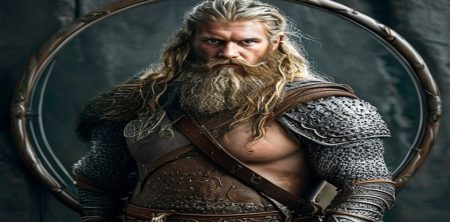
```html
Beowulf, the ancient epic poem from Anglo-Saxon England, is a thrilling tale filled with bravery, monsters, and heroic deeds. For kids curious about literature, history, and adventure, exploring some beowulf facts for kids can be both educational and fun. In this article, we’ll uncover ten fascinating details about this legendary hero and his adventures, making it easier for young readers to appreciate and understand this classic story.
1. The Origins of Beowulf: A Legendary Text
The poem Beowulf is believed to have been composed between the 8th and 11th centuries, making it one of the oldest pieces of literature in the English language. It was originally written in Old English, a language that can be quite different from what we speak today. The tale was passed down orally for generations before it was finally recorded in written form, showcasing the dramatic storytelling traditions of the Anglo-Saxon period.
Despite its age, Beowulf continues to captivate audiences with its themes of heroism, loyalty, and the battle between good and evil. The poem is set in Scandinavia and follows the journey of its titular character, Beowulf, a Geatish hero who travels to Denmark to help King Hrothgar defeat the monster Grendel.
2. Beowulf: A Hero's Journey: The Epic Quest
At the heart of Beowulf is the classic hero’s journey. Beowulf embodies the characteristics of a true hero — courage, strength, and honor. When he hears of Hrothgar’s troubles with Grendel, he decides to help, showcasing his bravery and sense of duty. Upon arriving in Denmark, Beowulf offers to fight Grendel without weapons, believing that it’s only fair to battle the monster on even terms.
Beowulf’s journey isn’t just about fighting monsters; it’s also about personal growth and proving his worth. His adventures teach valuable lessons about friendship, loyalty, and the responsibilities that come with power. These themes resonate with readers of all ages, making the poem timeless and relevant even today. Related reading: literature insights.
3. Meet the Monsters: Grendel, Grendel's Mother, and the Dragon
One of the most engaging aspects of Beowulf is its memorable monsters. The first enemy Beowulf faces is Grendel, a fearsome creature that terrorizes Hrothgar’s hall, devouring his warriors. Grendel represents the chaos and darkness that heroes like Beowulf must confront. When Beowulf battles Grendel, he demonstrates not only his physical strength but also his tactical intelligence.
After Grendel is defeated, his mother seeks revenge, leading to another thrilling encounter. This battle symbolizes the ongoing struggle against evil and the challenges heroes face, even after a victory. Finally, in Beowulf’s later years, he confronts a dragon that threatens his kingdom, highlighting themes of aging and the responsibilities that come with leadership. Each of these battles teaches important lessons about courage, perseverance, and sacrifice.
4. The Role of Women: Powerful Figures in Beowulf
While Beowulf is predominantly about male heroes, women play significant roles in the story. Figures like Wealhtheow, Hrothgar's queen, exemplify grace and intelligence, acting as peacekeepers and wise counselors in the male-dominated world of warriors. Their presence serves as a reminder of the importance of female strength and influence.
Another notable female character is Grendel's mother, who embodies the fierce and protective nature of a mother. In many ways, these women reflect the complexities of social roles within their communities, showcasing that bravery and wisdom are not exclusive to men. Understanding these characters enriches the reading experience and highlights the poem's deeper themes of kinship and loyalty.
5. Beowulf and Anglo-Saxon Culture: A Window into the Past
Beowulf provides an invaluable glimpse into the values and culture of the Anglo-Saxon era. The poem emphasizes the importance of honor, loyalty, and bravery — traits that were crucial to the survival of tribes during that time. These values are embodied in the relationships between characters, particularly in the bonds of loyalty between a lord and his warriors. (See: Wikipedia article on Beowulf.)
The concept of comitatus — a Germanic code of loyalty between a lord and his followers — is central to the narrative. Warriors swear allegiance to their king and are expected to defend him at all costs. This code shaped the social structure of the time and is a recurring theme in many ancient texts. Exploring these cultural elements can help kids understand how literature reflects societal norms and values.
6. Language and Style: The Art of Storytelling
The language of Beowulf is a fascinating aspect for kids interested in literature. The poem employs a range of literary techniques, including alliteration, kenning, and vivid imagery. Kenning, a figurative expression that replaces a noun (like “whale-road” for sea), enriches the text and adds a layer of creativity to the storytelling.
Additionally, the rhythmic pattern and repetition in the verses make it a delightful read when performed aloud. This oral tradition is essential to understanding how stories were shared in ancient times, and it emphasizes the importance of community and cultural identity. Kids can practice these techniques, exploring how language can be used to create vivid imagery and strong emotions in their own writing.
7. Beowulf in Modern Culture: Its Lasting Influence
Despite being over a thousand years old, Beowulf has had a profound influence on modern culture. The epic has inspired countless adaptations in various forms, including movies, books, and even video games. Notable adaptations such as the animated film “Beowulf” and the novel “Grendel” by John Gardner reinterpret the original story, allowing new generations to engage with the themes and characters in fresh ways.
Moreover, Beowulf’s archetype as a hero is often echoed in contemporary literature and media. Characters such as Superman or even Harry Potter can be seen as modern-day Beowulfs, facing their own battles against evil. By recognizing these connections, kids can better appreciate the impact of ancient stories on today’s narratives.
8. The Themes of Friendship and Loyalty: Lessons for Kids
One of the most valuable beowulf facts for kids is the emphasis on friendship and loyalty throughout the narrative. Beowulf’s relationships with his fellow warriors and allies exemplify the importance of standing together in the face of adversity. His bond with his loyal friend Wiglaf during the dragon battle underscores the idea that true friendship means being there for one another, even when the going gets tough.
This theme is particularly relatable for kids, reminding them that loyalty to friends and family is essential. The poem encourages young readers to cultivate strong relationships and to be willing to support those they care about, demonstrating that heroism isn’t just about individual feats but also about community and teamwork. There's a fuller look at understanding literature circles.
9. Exploring Heroism: Different Types of Heroes
Beowulf offers an opportunity for kids to explore what heroism truly means. While Beowulf embodies the classic heroic traits of strength, bravery, and physical prowess, the poem also presents different forms of heroism. Characters like Hrothgar display wisdom and leadership, demonstrating that true heroes come in various forms.
This nuanced understanding of heroism can lead to valuable discussions about what makes someone a hero in modern contexts. Kids can reflect on the heroes in their own lives, recognizing that courage can manifest in many ways, not just through physical feats, but also through acts of kindness, integrity, and compassion.
10. Reading Beowulf Today: How Kids Can Engage
For kids interested in diving deeper into Beowulf, there are numerous adaptations and resources available. Many children’s versions simplify the language and themes, making it easier for younger readers to grasp the story. Engaging with interactive activities, such as creating their own kenning or performing scenes from the poem, can enhance understanding and enjoyment.
Teachers and parents can support kids’ exploration of this epic by discussing its themes, characters, and historical context. Encourage them to ask questions and make connections to their own lives. This approach not only fosters a love for literature but also encourages critical thinking and discussion about timeless values and lessons that Beowulf still imparts today.
11. The Importance of Monsters in Beowulf: Analyzing the Symbolism
Monsters in Beowulf are not just obstacles for the hero to overcome; they symbolize deeper issues and cultural fears of the time. Grendel, for instance, can be seen as a representation of the unknown and chaotic forces that threaten civilization. He emerges from the marshes, symbolizing an outsider who disrupts the peace of Hrothgar's hall. (See: Harvard University resources on Anglo-Saxon literature.) AP Lit resources offers useful background here.
Grendel's mother, on the other hand, represents the fierce protective instincts that can also lead to destructive behavior. Her desire for vengeance showcases the cycle of violence that can erupt in the face of loss. Even the dragon, which Beowulf faces at the end of his life, symbolizes the inevitability of death and the consequences of one’s actions in leadership. By understanding these monsters as symbols, kids can engage in a more profound analysis of the text, discussing how fear and courage coexist in human nature.
12. Famous Quotes from Beowulf: Words to Remember
Throughout the poem, there are numerous memorable quotes that highlight key themes and character traits. One famous line is when Beowulf declares, “Fate will unwind as it must.” This statement reflects the Anglo-Saxon belief in fate and destiny, reminding readers that some things are beyond human control. Encouraging kids to memorize or reflect on such quotes can deepen their understanding of the poem’s philosophical elements.
Another impactful moment comes when Beowulf says, “I will show you my strength.” This showcases not only his confidence but also the connection between strength and responsibility. Kids can be prompted to think about what strength means to them and how it relates to their own lives, drawing parallels between Beowulf’s actions and their own personal experiences.
13. Beowulf's Legacy in Education: Teaching Literature
Many educators utilize Beowulf in their curriculum to teach various subjects beyond literature, including history, ethics, and cultural studies. In teaching Beowulf, educators can discuss the historical context of the Anglo-Saxon period, allowing students to explore how the cultural values of the time influenced the narrative. By comparing Beowulf to other literary heroes, students can develop critical thinking skills and learn to analyze texts from different perspectives.
Projects such as creating artistic representations of scenes, character analysis essays, or even modern retellings encourage creativity while fostering a deeper appreciation for this epic. Engaging with the themes of the poem in class discussions can help students relate personally to the values of loyalty, bravery, and friendship.
14. Beowulf Facts for Kids: Fun and Interesting Tidbits
- Beowulf’s Length: The poem consists of over 3,000 lines, making it a lengthy epic that showcases extensive storytelling.
- Epic Heroes: Beowulf is considered one of the earliest examples of the epic hero archetype, influencing countless stories and characters in literature.
- Historical Context: The events in Beowulf are set in a time of early Scandinavian history, providing insights into the culture and society of that era.
- Manuscript Discovery: The only known manuscript of Beowulf is housed in the British Library and dates back to around 1000 AD, making it a rare and precious artifact.
- Impact on Language: The poem has contributed to the development of the English language, introducing many words and phrases that are still in use today.
15. FAQs about Beowulf
What is the main theme of Beowulf?
The main theme of Beowulf revolves around the struggle between good and evil, as well as the importance of heroism, loyalty, and the inevitable fate of all humans. The poem explores how individuals face challenges and what it means to be heroic.
Is Beowulf a true story?
While Beowulf is a fictional character, the poem is rooted in historical events and figures from early medieval Scandinavia. Some elements may be based on real-life tribes and legends, giving it a sense of historical grounding.
Why is Beowulf important for kids to read?
Beowulf is important for kids to read because it introduces them to foundational themes in literature, such as courage, friendship, and the complexities of heroism. It also helps them understand cultural history and the evolution of the English language.
How can kids relate to Beowulf’s character?
Kids can relate to Beowulf’s character through his bravery and loyalty to friends, which are qualities that resonate in their own lives. By exploring Beowulf’s challenges, kids can reflect on their own experiences of facing difficulties and supporting their peers.
What adaptations of Beowulf are suitable for children?
There are several adaptations of Beowulf that are suitable for children, including illustrated versions and retellings that simplify the language and themes for younger audiences. Films like “Beowulf: Return to the Shieldlands” and children's books that reinterpret the story can be engaging and accessible for kids. (See: Nature article on storytelling traditions.)
16. Beowulf and Other Epic Poems: A Comparative Perspective
Beowulf is often compared to other epic poems from different cultures, revealing common themes and structures. For example, Homer's "The Iliad" and "The Odyssey" both feature heroes embarking on transformative journeys that involve battles and personal growth. Like Beowulf, Odysseus faces numerous challenges and monsters, making both texts rich for analysis.
Another example is Virgil's "Aeneid," which explores themes of duty and sacrifice through the journey of Aeneas. By examining these texts alongside Beowulf, kids can see how different cultures express similar values of heroism, honor, and the human condition, making literature a bridge across ages and societies.
17. Interactive Beowulf Activities for Kids: Engage with the Epic
To make learning about Beowulf more dynamic, kids can engage in various activities that help solidify their understanding of the poem. One activity could involve creating a character map to explore the relationships between Beowulf, Hrothgar, and the monsters. This visual representation can help in understanding character motivations and themes.
Another fun activity is to host a “Beowulf Day” where kids can dress up as their favorite characters and reenact key scenes. This not only makes literature come alive but also fosters teamwork and creativity. Incorporating art by having kids draw their interpretations of Grendel or Beowulf’s battles can also encourage personal expression and deeper engagement with the text.
18. Understanding the Legacy of Beowulf: Its Impact on Literature and Culture
Beowulf's legacy extends beyond just being a story; it has influenced countless works of literature, film, and even video games. Its themes of heroism, the struggle between good and evil, and the exploration of human nature resonate in modern storytelling. For instance, the influence of Beowulf can be seen in fantasy series like J.R.R. Tolkien's "The Hobbit" and "The Lord of the Rings," where epic quests and battles against dark forces are central.
In addition to literature, Beowulf has made its mark in film and theater. Many adaptations, including animated films and stage plays, showcase the enduring appeal of the story and its characters. Understanding this legacy can help kids appreciate how stories shape cultural identities and continue to inspire creativity across generations. (narrative structure exploration)
By examining these various aspects of Beowulf, kids can gain a deeper appreciation for this epic and its relevance in understanding human nature and cultural history.
```
Trending Now
Frequently Asked Questions
What is the story of Beowulf about?
Beowulf is an epic poem that follows the heroic journey of Beowulf, a Geatish warrior who travels to Denmark to help King Hrothgar defeat the monster Grendel. The tale explores themes of bravery, loyalty, and the battle between good and evil as Beowulf faces various challenges and grows as a hero.
When was Beowulf written?
Beowulf is believed to have been composed between the 8th and 11th centuries, making it one of the oldest surviving pieces of literature in the English language. It was originally written in Old English and passed down orally before being recorded in written form.
Who are the main characters in Beowulf?
The main characters in Beowulf include Beowulf, the heroic protagonist; King Hrothgar, the troubled king of Denmark; Grendel, the monstrous antagonist; and later, a dragon that Beowulf faces in his final battle. Each character plays a crucial role in the exploration of heroism and loyalty.
What themes are present in Beowulf?
Beowulf explores several key themes such as heroism, bravery, loyalty, and the struggle between good and evil. It also delves into personal growth, the responsibilities of power, and the importance of friendship, making it a timeless story that resonates with readers of all ages.
Why is Beowulf important for kids to learn about?
Beowulf is important for kids because it introduces them to classic literature, rich storytelling traditions, and valuable life lessons. The epic's themes of courage, loyalty, and personal growth provide moral insights that are relevant for young readers, fostering an appreciation for literature and history.
Have you experienced this yourself? We'd love to hear your story in the comments.

