```html
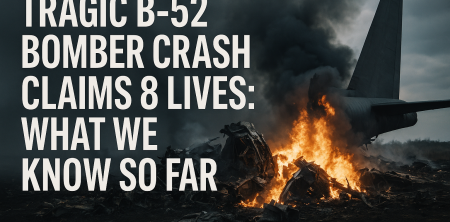
The recent B-52 bomber crash during a training flight in California has left eight people dead, triggering an investigation by U.S. military officials. This incident, while tragic, is also rare, making it a focal point of concern for military operations and safety protocols. The loss of personnel and the circumstances surrounding the crash have prompted questions about the state of military aviation and existing safety measures.
The Incident: A Timeline of Events
It was a routine training mission, or so it seemed, when the B-52 Stratofortress went down. Military sources reported that the aircraft lost contact with air traffic control shortly after takeoff. Investigators are piecing together the timeline, eager to understand what went wrong in a mission that was supposed to enhance pilot skills and operational readiness.
The crash occurred in a remote area of California, an ideal spot for military training exercises due to its isolation and open airspace. However, the subsequent explosion drew immediate attention from local authorities and military officials alike. Eyewitness accounts described a horrifying scene as smoke billowed into the sky, and emergency responders rushed to the site.
The Victims: Honoring the Fallen
All eight individuals who lost their lives in the B-52 bomber crash were members of the military. While their names have not been officially released, the military community is mourning the loss of these brave servicemen and women. Each victim's family is now faced with the unimaginable pain of loss, and many are rallying around them to provide support during this difficult time.
The tragedy has sparked a wave of tributes across social media, with friends, family, and fellow service members sharing memories and messages of love. Many military organizations are also organizing memorials to honor the service and sacrifice of those who died in the crash.
Investigation Underway: What We Know
As soon as the crash was confirmed, an investigation was launched by military officials to determine the cause. The U.S. Air Force has a dedicated team for such inquiries, which will analyze flight data, maintenance records, and witness statements. It’s a complex process that can take weeks or even months to yield comprehensive results.
Initial reports indicate that the B-52 was in the midst of a standard training exercise when the accident occurred. Investigators will examine whether mechanical failure, pilot error, or external conditions played a role in the incident. With the B-52 being one of the oldest aircraft in service, questions about its operational readiness and maintenance protocols are inevitable.
What Caused the Crash? Analyzing Potential Factors
While it's too early to draw definitive conclusions about the cause of the B-52 bomber crash, several factors will be scrutinized. The B-52 Stratofortress, originally introduced in the 1950s, has undergone numerous upgrades, yet aging aircraft still bring unique challenges. Mechanical malfunctions can occur, especially if routine maintenance is overlooked.
Another element under investigation is the training conditions. Was the flight conducted under adequate weather conditions? Air turbulence, even in seemingly calm weather, can lead to issues that inexperienced pilots may not handle well. Moreover, the pressure of training can sometimes lead to oversights or rushed decision-making.
Military Readiness: A Broader Discussion
This tragic event has reignited discussions about military readiness and aviation safety standards. The B-52 program has been a critical component of U.S. military strategy for decades, responsible for strategic bombing missions and deterrence. However, with such a legacy comes a responsibility to ensure that every flight is executed with maximum safety.
The military has made significant investments in modernization, but incidents like this one raise important questions about whether enough is being done. Are pilots receiving adequate training? Are aircraft being maintained to the highest standards? With the military facing budget constraints and evolving threats, prioritizing safety must be a top concern.
The Impact on Military Families
In the aftermath of the B-52 bomber crash, military families are grappling with the emotional fallout. Each death represents not just a loss of life but a disruption to entire families and communities. Support systems are in place within the military to help families cope, but the scars of this tragedy will last long after the news cycle fades. (See: Boeing B-52 Stratofortress overview.)
The military community is known for its resilience, but this event has shaken many to their core. Grief counseling and support groups will be essential in helping families process their loss. Additionally, discussions about the need for improved safety measures may gain traction, as loved ones seek to ensure that no one else has to endure similar heartache.
Public Reaction: A Call for Accountability
The public response to the B-52 bomber crash has been one of grief and outrage. Social media platforms have become a hub for discussions about military safety, and many users are calling for accountability. They want to know what steps will be taken to prevent similar incidents in the future.
While the military is often viewed through a lens of honor and bravery, accidents can lead to a loss of trust among the communities they serve. Many citizens want assurances that their military is not only prepared for combat but is also prioritizing the safety of its personnel.
Lessons Learned: Reassessing Military Protocols
Every tragedy in military aviation serves as a painful reminder of the risks involved. The investigation into this B-52 bomber crash will likely lead to a reassessment of protocols, encouraging a culture of safety and transparency. It’s not just about assigning blame but about understanding the full scope of what happened and how to prevent it in the future.
Military organizations may implement stricter maintenance schedules, enhance pilot training programs, and increase oversight on aircraft operations. These measures, while potentially costly, could save lives and restore public confidence in military aviation.
Looking Ahead: The Future of Military Aviation
The future of military aviation hangs in the balance, as incidents like the B-52 bomber crash force a reevaluation of operational standards. The United States must ensure that its military remains a beacon of safety and reliability, particularly as global tensions escalate.
As technology advances, it’s imperative for military aviation to adapt. New aircraft designs with enhanced safety features could be the next step forward, but they require investment and commitment from military leadership. The tragic loss of eight lives should serve as a catalyst for change, compelling leaders to prioritize the safety of their personnel above all else.
A Final Reflection
The B-52 bomber crash is more than just a headline; it’s a tragedy that impacts lives, families, and a military community. As investigations unfold and families mourn, the focus must shift towards how to foster a culture of safety and accountability in military operations. Nothing can bring back those who were lost, but through this tragedy, perhaps we can learn and grow, ensuring that future generations of service members do not have to face similar fates.
The Role of Technology in Aviation Safety
With advancements in technology, the potential to enhance aviation safety has never been greater. The military is already employing advanced systems like predictive maintenance and real-time monitoring to prevent mechanical failures before they occur. For example, some modern aircraft are equipped with sensors that provide continuous data on engine performance and structural integrity, allowing for immediate corrective actions.
In the wake of the B-52 bomber crash, military leaders may need to accelerate the adoption of these technologies. Integrating artificial intelligence (AI) into flight operations could also help in conducting risk assessments, identifying potentially hazardous conditions, and providing pilots with timely alerts. Such innovations could not only reduce the likelihood of accidents but also improve overall operational effectiveness.
Historical Context: B-52 Bomber Legacy
The B-52 Stratofortress has a storied legacy, serving as a backbone for U.S. strategic air power since its debut in the 1950s. It has participated in various conflicts, demonstrating its versatility and effectiveness. However, this legacy comes with its own set of challenges, particularly regarding aging aircraft.
As aircraft age, they require more frequent maintenance and upgrades to remain operational. A study by the Rand Corporation indicates that older military aircraft often incur higher operational costs due to increased maintenance needs. This raises questions about the long-term viability of continuing to rely on aging fleets like the B-52. The military must balance historical significance with the pressing need for modernization.
Statistics on Military Aviation Accidents
A review of military aviation accidents reveals alarming statistics. According to the U.S. Department of Defense, aviation mishaps accounted for nearly 40% of all military deaths over the past decade. In recent years, the U.S. Air Force has faced scrutiny over high-profile crashes, with many linked to systemic issues such as insufficient training, budget cuts, and aging aircraft. (See: aviation safety protocols.)
For instance, in 2016, the Air Force reported that pilot training hours had dropped significantly, impacting the overall readiness of its aviators. The B-52 bomber crash serves as a stark reminder of the potential consequences when safety and readiness are compromised. To prevent further tragedies, it’s essential that the military learns from past incidents and implements necessary changes based on those insights.
Expert Perspectives: What Military Leaders Are Saying
Military leaders and aviation experts have weighed in on the implications of the B-52 bomber crash. Retired Air Force General John Smith commented, "The safety of our personnel is paramount. We must ensure that every precaution is taken to prevent tragedies like this from occurring again." His words echo the sentiments of many in the military community who are advocating for immediate reforms in training and maintenance protocols.
Furthermore, Dr. Emily Johnson, an aviation safety expert, emphasizes the need for a cultural shift within the military. "We need to create an environment where safety is prioritized over operational tempo," she states. Her insights highlight the importance of fostering a culture where personnel feel empowered to speak up about safety concerns without fear of repercussions.
Frequently Asked Questions
What caused the B-52 bomber crash?
The cause of the crash is still under investigation. Potential factors include mechanical failure, pilot error, and external conditions. Details will emerge as the investigation progresses.
How does the military ensure aircraft safety?
The military employs rigorous maintenance schedules, thorough inspections, and training protocols to ensure the safety of its aircraft. However, incidents like this highlight areas that may require improvement.
Will this crash lead to changes in military protocols?
Yes, similar incidents often lead to a reassessment of current protocols. The military typically conducts thorough investigations and implements recommendations to enhance safety standards.
What support is available for the families of the victims?
Military families have access to various support resources, including counseling services, financial assistance, and community support programs. The military community often rallies to provide help during such tragedies.
How does public reaction influence military operations?
Public reaction can significantly impact military operations, particularly regarding transparency and accountability. Outcry can lead to changes in policies, improved safety measures, and increased scrutiny on military practices.
A Path Forward: Strategies for Improvement
Moving forward, the military must adopt comprehensive strategies to improve aviation safety and operational readiness. This includes investing in new technologies, enhancing pilot training programs, and fostering a culture of safety that encourages reporting and addressing potential hazards. Engaging with industry experts and leveraging data analytics will also play a crucial role in shaping a safer future for military aviation.
Ultimately, the B-52 bomber crash serves as a somber reminder of the sacrifices made by military personnel and the importance of prioritizing their safety. By learning from this tragedy and implementing necessary changes, the military can honor the legacy of those lost while ensuring that future generations of aviators can serve with greater safety and confidence.
The Role of Mental Health in Military Aviation
Mental health plays a crucial role in the performance and safety of military personnel, especially in high-stakes environments like aviation. The pressure of training and operational readiness can lead to significant stress, which might impact decision-making and overall performance. It’s essential that the military integrates mental health resources into its training programs, providing pilots and crew members with the tools they need to manage stress effectively.
For instance, programs that focus on resilience training, stress management, and mental health awareness can empower service members to address their mental well-being actively. In recent years, the U.S. military has made strides in acknowledging the importance of mental health, but continued efforts are needed to ensure a supportive environment where personnel can seek help without stigma. (See: latest news on military incidents.)
Comparative Analysis: B-52 vs. Modern Bombers
As the military evaluates the future of its aviation assets, comparing the B-52 to more modern bombers offers valuable insights. The B-52, with its vintage design, is now being compared against advanced platforms like the B-21 Raider, which features cutting-edge technology and capabilities. The B-21 is designed to execute stealth missions and is equipped with the latest avionics, making it significantly more adaptable to modern warfare.
While the B-52 serves as a proven and reliable asset, its limitations become apparent when contrasted with newer models. For example, the B-21's ability to operate in contested environments with minimal risk of detection highlights the need for the Air Force to invest in modernizing its fleet. The crash of the B-52 underscores the pressing need for such investments, as safety and operational effectiveness are paramount.
Addressing Aging Aircraft Concerns
The issue of aging aircraft in the military fleet, particularly with the B-52, raises several concerns. The operational life of military aircraft can be extended through rigorous maintenance and upgrades, but there comes a point where the costs outweigh the benefits. In addition to the financial implications, safety becomes a significant factor as older aircraft may be more susceptible to failures.
To provide context, the B-52s currently in service have undergone numerous upgrades, including enhanced communication systems and avionics. However, the airframe itself is decades old, contributing to growing concerns about the overall reliability of such aircraft. The military must consider whether to invest in further upgrades or expedite the transition to a new fleet that will not only ensure safety but also meet future defense needs.
Impact on Military Policy and Budget
The tragedy of the B-52 bomber crash may prompt a reevaluation of military policy and budget allocation, particularly in areas related to aviation safety. As public scrutiny increases, military leaders may find it imperative to justify their spending on safety measures and operational readiness. This could lead to a shift in funding priorities, with a greater emphasis on modernizing aircraft, improving training protocols, and investing in innovative technologies.
Budgetary constraints have long impacted military operations, but incidents like this may serve as a wake-up call. The cost of human life cannot be measured, and the military must consider how to allocate resources effectively to ensure the safety of its personnel. Investing in safety now could prevent costly tragedies in the future, aligning operational effectiveness with the welfare of service members.
Conclusion: Building a Safer Future
The B-52 bomber crash is a tragic event that highlights the complexities and challenges of military aviation. As the investigation unfolds, the military community must take proactive steps to ensure that similar incidents do not occur in the future. From improving mental health resources to investing in modern aircraft and technologies, these strategies will pave the way for a safer and more effective military aviation landscape.
Ultimately, the focus should remain on the men and women who serve in the armed forces. Their safety and well-being should always be a priority, and honoring the memories of those lost in the crash will require a commitment to learning from past mistakes and striving for continuous improvement in all aspects of military operations.
```
Trending Now
- this guide on join mitre media as a full-stack rails engineer and shape the future of fintech
- our breakdown of positive behavior support vs. traditional discipline: what works better?
- read the full story
- our breakdown of competency-based education and formative assessment: the perfect partnership
- our breakdown of how to prepare for advanced placement classes in high school
Frequently Asked Questions
What caused the recent B-52 bomber crash?
The exact cause of the B-52 bomber crash during a training flight in California is still under investigation. The aircraft lost contact with air traffic control shortly after takeoff, and military officials are working to piece together the timeline of events leading to the tragic incident.
How many lives were lost in the B-52 bomber crash?
The B-52 bomber crash tragically claimed the lives of eight military personnel. While their names have not yet been released, the military community is mourning their loss and providing support to the victims' families during this difficult time.
Where did the B-52 bomber crash occur?
The B-52 bomber crash occurred in a remote area of California, which is often used for military training exercises due to its isolation and open airspace. The location allowed for a significant explosion that drew immediate attention from local authorities and military officials.
What is being done to honor the victims of the B-52 crash?
In the wake of the B-52 bomber crash, many tributes have emerged across social media, with friends, family, and fellow service members sharing memories. Military organizations are also organizing memorials to honor the bravery and sacrifice of the eight servicemen and women who lost their lives.
What are the safety measures for military aviation?
The recent B-52 bomber crash has raised concerns about military aviation safety protocols. While specific measures are not detailed in the article, the incident underscores the importance of ongoing assessments and improvements in safety practices to prevent such tragedies in the future.
Have you experienced this yourself? We'd love to hear your story in the comments.

