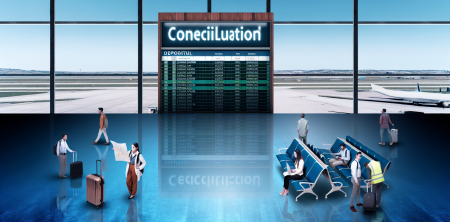
The recent Spirit Airlines closure has sent shockwaves through Kansas City International Airport (KCI), wreaking havoc on travel schedules and leaving passengers in a state of disarray. Announced over the weekend, the budget airline's abrupt shutdown eliminates a plethora of affordable flight options to popular destinations such as Florida and Las Vegas. This unexpected development compels travelers to scramble for alternative carriers, many of which come with significantly higher ticket prices, thereby affecting consumer wallets and travel plans.
The Immediate Impact on Travelers
As travelers on social media have voiced their frustrations, the closure of Spirit Airlines has not only disrupted personal itineraries but also sparked a frenzy as people rush to rebook flights. The sudden loss of affordable travel options has been deeply felt, especially among those who were counting on Spirit for budget-friendly fares to sunny vacations or quick getaways.
Popular Destinations Affected
- Florida: Known for its beaches and theme parks, Florida was a key destination for Spirit passengers. The closure limits options for travelers eager to visit places like Orlando and Miami.
- Las Vegas: A hotspot for entertainment and nightlife, Las Vegas was another significant route for Spirit Airlines, now leaving many patrons scrambling for alternatives.
- Other Key Locations: The airline also offered services to cities such as New Orleans and San Juan, which now face reduced access.
Rebooking Challenges and Increased Costs
The aftermath of the Spirit Airlines closure has led to chaos at KCI, with travelers reporting long lines and delays as they seek to rebook their flights. Many are discovering that the cancellation of Spirit's routes has forced them into the arms of competing airlines, often with steep fare increases. This has created a sense of urgency, as individuals navigate the complexities of rebooking their trips while managing budget constraints.
For example, a traveler who initially planned to fly from KCI to Fort Lauderdale for just $89 on Spirit might find themselves facing costs exceeding $200 on rival airlines. Such price hikes can significantly alter travel budgets, leading to frustration and disappointment among affected passengers.
Social Media Backlash
The closure has ignited a storm of activity on social media platforms, with countless posts from frustrated travelers detailing their experiences and the challenges they face in finding alternate travel arrangements. Hashtags related to Spirit Airlines have trended as users share their stories, vent frustrations about losing their flights, and seek advice on new booking options.
The Human Element: Staff and Employment Concerns
While the focus is often on the impact on travelers, the Spirit Airlines closure also significantly affects the airline's employees. Staff members, who relied on their positions for financial stability, now face sudden job loss, adding another layer of urgency to this situation. Many employees are currently seeking new employment opportunities in an already competitive job market.
Job Market Implications
- Immediate Layoffs: Employees received little to no notice about the impending closure, leading to an abrupt end to their employment.
- Job Searching Pressure: Those affected must now quickly pivot to find new jobs, often at a time when the job market may not be in their favor.
- Employee Sentiment: Many former employees are taking to social media as well, expressing their shock and dismay about the unexpected closure.
The Broader Implications for the Airline Industry
The Spirit Airlines closure not only affects Kansas City travelers but also signals a major shift in the budget airline landscape. As the airline industry continues to evolve in the wake of the pandemic, budget carriers face unique challenges that can lead to sudden operational decisions like this one.
Current Trends in the Airline Industry
- Rising Operational Costs: Many airlines are grappling with increased costs for fuel, maintenance, and staffing, which can impact their ability to sustain lower fare structures.
- Market Consolidation: The closure could indicate a trend of consolidation among budget carriers, as only the most resilient companies survive in a volatile economic environment.
- Consumer Behavior Shifts: Travelers may begin to change their habits, seeking airlines with robust customer service and flexibility in rebooking, rather than solely focusing on price.
Conclusion: Navigating the Aftermath
In conclusion, the Spirit Airlines closure has generated a significant ripple effect, affecting travelers, staff, and the broader airline industry. As passengers scramble to find new flights and employees seek new job opportunities, the urgency of the situation cannot be overstated. Moving forward, travelers will need to adapt to the changing landscape of air travel, balancing costs with the need for reliable service and options. This event serves as a stark reminder of the volatility within the airline sector and its direct impact on consumers.
For those affected, it remains crucial to stay informed about alternative travel arrangements and to remain proactive in seeking out viable options. As the situation unfolds, the travel community continues to share insights and support one another through this challenging period, demonstrating resilience in the face of unexpected disruptions.

