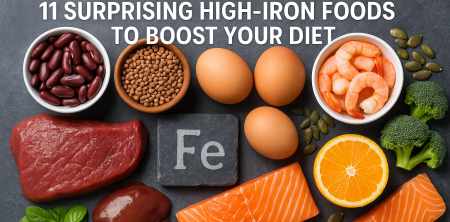
```html
Iron is an essential mineral that plays a crucial role in various bodily functions, including the transport of oxygen in the blood and maintaining healthy immune function. Unfortunately, iron deficiency is a common issue that affects millions worldwide, leading to symptoms such as fatigue, weakness, and anemia. Fortunately, incorporating high iron foods into your diet can be an effective way to combat this deficiency without the need for supplements. Here, we present the 11 best high-iron foods that can help you enhance your iron intake and improve your overall health.
1. Fortified Breakfast Cereal: A Convenient Choice
One of the easiest ways to pump up your iron intake is through fortified breakfast cereals. These cereals are specifically enriched with iron and can provide around 18 mg of iron per 30 g serving, making them a fantastic option for those seeking to increase their iron levels quickly. Depending on the brand, the type of iron used can vary, with some offering heme iron—more easily absorbed by the body—while others provide non-heme iron, which requires vitamin C for better absorption.
In addition to their high iron content, fortified cereals are often packed with other essential nutrients, including B vitamins and fiber, making them an excellent choice for breakfast. Pairing your cereal with fruits rich in vitamin C, such as strawberries or oranges, can further enhance absorption and maximize the health benefits.
2. Oysters: The Seafood Superstar
When it comes to high-iron foods, oysters are hard to beat. These shellfish are not only a delicacy but also an iron powerhouse, containing up to 10 mg of iron per 3-ounce serving. Oysters are particularly unique as they are rich in heme iron, which is more readily absorbed by the body compared to non-heme iron found in plant sources.
Moreover, oysters are also an excellent source of other vital nutrients such as zinc and vitamin B12, which contribute to overall health. While they may not be a staple for everyone, incorporating oysters into your diet occasionally can provide a significant iron boost and help combat deficiencies.
3. White Beans: The Versatile Legume
White beans, including varieties like navy and cannellini beans, are fantastic sources of non-heme iron. A one-cup serving can offer around 8 mg of iron, making it a great plant-based option for those looking to increase their iron intake. In addition to their iron content, white beans are rich in protein, fiber, and other essential nutrients, making them a nutritious choice for any meal.
These legumes are also incredibly versatile; they can be used in soups, salads, stews, or even blended into dips. To enhance iron absorption, consider pairing white beans with vitamin C-rich foods like tomatoes or bell peppers, thereby maximizing their health benefits.
4. Lentils: The Nutrient-Dense Powerhouse
Lentils are another excellent addition to your list of high iron foods. Not only are they affordable and easy to prepare, but they also provide around 6 mg of iron per cooked cup. They are particularly popular in vegetarian and vegan diets, as they provide a good source of protein and fiber along with essential vitamins and minerals.
Incorporating lentils into your diet can be as simple as adding them to soups, salads, or even as a meat substitute in burgers. Cooking lentils with ingredients rich in vitamin C, such as lemon juice or bell peppers, can further boost iron absorption, making them an even more effective iron source.
5. Spinach: The Leafy Green Legend
Spinach is often touted as a superfood, and for good reason. This leafy green is rich in iron, providing around 6 mg of iron per cooked cup. While the iron in spinach is non-heme, which is less readily absorbed, it is still a valuable addition to a diet rich in iron. Spinach is also packed with vitamins A, C, and K, as well as antioxidants. (See: Iron and its role in nutrition.)
To enhance the absorption of iron from spinach, consider eating it alongside foods high in vitamin C. For example, a spinach salad topped with citrus fruits or a smoothie blended with strawberries can significantly enhance iron uptake in your body. Additionally, cooking spinach can reduce oxalate levels, which can inhibit iron absorption, making cooked spinach a better option for maximizing your iron intake.
6. Tofu: The Plant-Based Protein
Tofu is an excellent source of plant-based iron, providing approximately 6 mg of iron per 100 g serving. It is a versatile ingredient that can be used in a variety of dishes, from stir-fries to soups and salads. As a soy product, tofu is not only rich in iron but also contains high-quality protein, making it a staple for vegetarians and vegans alike.
Like spinach, the iron in tofu is non-heme, so pairing it with vitamin C-rich foods can help increase absorption. Consider adding tofu to a stir-fry with bell peppers or serving it with a side of citrus-infused sauce to maximize your iron intake.
7. Beef Liver: The Nutrient Powerhouse
If you are looking for a concentrated source of iron, look no further than beef liver. Just a 3-ounce serving can provide a staggering 5 mg of iron, primarily in the form of heme iron, which is readily absorbed by the body. Beef liver is also packed with essential vitamins and nutrients, including vitamin A, vitamin B12, and folate, making it one of the most nutrient-dense foods available.
While beef liver may not be a popular choice among everyone, its high iron content and nutritional benefits make it a worthy addition for those looking to improve their iron levels. For a delicious and satisfying meal, consider sautéing beef liver with onions and herbs, and serve it alongside iron-rich vegetables.
8. Sesame Seeds: The Tiny Powerhouses
Don’t underestimate the power of sesame seeds when it comes to iron content. These tiny seeds pack a punch, providing around 1.3 mg of iron per tablespoon. While the amount may seem small, incorporating sesame seeds into your diet can add up quickly, especially as they are often used in various dishes, from salads to baked goods.
In addition to their impressive iron content, sesame seeds are also rich in healthy fats, calcium, and antioxidants. You can easily add sesame seeds to your meals by topping salads, blending them into smoothies, or incorporating them into homemade granola. For a delicious treat, consider making tahini, a sesame seed paste, which is excellent for spreads or dips.
9. Tomatoes: The Juicy Iron Source
Surprisingly, tomatoes are another unexpected source of iron, offering around 1 mg of iron per medium-sized tomato. While they may not be the highest in iron compared to other foods, their versatility and nutritional profile make them a worthy addition to your diet. Tomatoes are also a rich source of vitamin C, which can help enhance the absorption of non-heme iron from other sources.
Incorporating tomatoes into your meals can be delicious and simple. Consider adding fresh tomatoes to salads, sauces, or sandwiches. Roasted tomatoes can also elevate the flavors in various dishes while providing a boost of iron. Pairing tomatoes with other iron-rich foods can maximize your overall iron intake.
10. Prune Juice: The Sweet Liquid Boost
Prune juice is another surprising addition to the list of high-iron foods, providing around 3 mg of iron per 8-ounce serving. Known primarily for its digestive benefits, prune juice can also support iron levels, making it an excellent choice for those who enjoy a sweeter beverage. It is also rich in antioxidants and can help promote overall digestive health.
While consuming prune juice in moderation is key, it can be an easy and tasty way to boost your iron intake. Pair it with iron-rich breakfast options, or enjoy it as a refreshing drink on its own. For added benefits, consider combining prune juice with other iron-rich foods to create a balanced meal. (See: Iron facts from NIH.)
11. Dark Chocolate: The Indulgent Treat
Lastly, dark chocolate is not only a delightful treat but also a surprisingly good source of iron. High-quality dark chocolate can contain around 3.3 mg of iron per ounce. As an added bonus, dark chocolate is also rich in antioxidants, contributing to heart health and overall well-being.
While indulging in chocolate should be done in moderation, incorporating small amounts of dark chocolate into your diet can be a delicious way to increase your iron intake. Pair it with iron-rich nuts or fruits for a satisfying snack, or use it in baking to elevate the nutritional value of desserts.
Additional High Iron Food Options
While the foods listed above are among the best sources of iron, many other options can help you meet your dietary needs. Here are a few additional foods that are rich in iron:
- Quinoa: A grain that offers approximately 2.8 mg of iron per cooked cup, quinoa is also a complete protein, making it an excellent choice for vegetarians and vegans.
- Chickpeas: Providing around 4.7 mg of iron per cooked cup, chickpeas are versatile and can be added to salads, stews, or blended into hummus.
- Pumpkin Seeds: These seeds provide about 2.5 mg of iron per ounce and are also rich in magnesium and zinc.
The Importance of Iron for Health
Understanding the significance of iron in our diets goes beyond merely increasing intake. Iron is vital for the synthesis of hemoglobin, the protein in red blood cells that carries oxygen from the lungs to the body’s tissues. A deficiency in iron can lead to anemia, which is characterized by fatigue, weakness, and paleness. The World Health Organization estimates that iron deficiency anemia affects around 1.62 billion people worldwide, highlighting the importance of monitoring iron levels.
Moreover, iron plays a crucial role in immune function, helping the body to fend off illnesses and infections. Research has shown that adequate iron levels can enhance the body’s ability to respond to pathogens. Ensuring proper iron intake can also support cognitive functions, including memory and concentration, making it essential for students and working professionals.
Pairing Iron with Other Nutrients
To maximize the benefits of iron-rich foods, it’s important to pair them with other nutrients. Vitamin C, in particular, enhances the absorption of non-heme iron (found in plant foods). For example, consuming black beans with bell peppers or lentils with citrus can significantly increase iron uptake. On the other hand, certain compounds like calcium, tannins (found in tea and coffee), and phytates (found in whole grains) can inhibit iron absorption. Hence, it's wise to consume iron-rich meals separately from these inhibiting substances.
Cooking Methods that Preserve Iron Content
How food is prepared can also impact its iron content and bioavailability. Cooking methods such as steaming or boiling can help retain the iron in vegetables while minimizing nutrient loss. Additionally, using cast iron cookware has been shown to increase the iron content of food, particularly acidic foods that easily absorb iron. For instance, cooking tomatoes in cast iron can boost the iron content of sauces and soups.
Frequently Asked Questions (FAQ)
What are the symptoms of iron deficiency?
Iron deficiency can manifest in several symptoms, including fatigue and weakness, pale skin, shortness of breath, dizziness, and brittle nails. If you experience these symptoms, it may be wise to consult a healthcare provider for testing and advice.
How can vegetarians and vegans ensure adequate iron intake?
Vegetarians and vegans can focus on consuming a variety of plant-based high iron foods, such as lentils, chickpeas, tofu, quinoa, and dark leafy greens. Pairing these foods with vitamin C-rich items like citrus fruits or bell peppers can greatly enhance iron absorption. (See: Iron deficiency anemia overview.)
Is it possible to consume too much iron?
Yes, excessive iron intake can lead to iron overload, which may result in serious health issues such as liver damage. It is important to stick to recommended dietary allowances and consult with a healthcare provider if considering iron supplementation.
How much iron do I need daily?
The recommended dietary allowance (RDA) for iron varies by age, sex, and life stage. Adult men typically need around 8 mg per day, while adult women require about 18 mg per day until the age of 50, after which it drops to 8 mg. Pregnant women need even more—around 27 mg per day.
Can cooking affect the iron content of food?
Yes, cooking can affect the bioavailability of iron. Methods like boiling may cause some nutrient loss, while using cast iron cookware can increase the iron content of your meals. Steaming vegetables can help preserve their iron and other nutrients compared to boiling.
What are the best food pairings for enhancing iron absorption?
To enhance iron absorption, pair high iron foods with sources of vitamin C. Foods such as citrus fruits, strawberries, kiwis, and bell peppers are excellent choices. For example, adding slices of orange to a spinach salad or serving lentils with a side of bell pepper salsa can significantly improve iron uptake.
What are some common misconceptions about iron intake?
Many believe that only red meat can provide sufficient iron, but numerous plant-based sources are equally capable of meeting iron needs. Another misconception is that iron from plant sources is ineffective; while non-heme iron from plants is less readily absorbed, combining it with vitamin C-rich foods can enhance its absorption significantly.
Conclusion: Make High Iron Foods Part of Your Diet
Boosting your iron intake doesn’t have to be complicated. By incorporating these high iron foods into your meals, you can effectively improve your overall health and combat iron deficiency. Remember to always pair non-heme iron sources with vitamin C-rich foods for optimal absorption. Whether you choose to enjoy oysters, lentils, or even dark chocolate, the key is to create a balanced and diverse diet that meets your nutritional needs.
If you suspect you may have an iron deficiency or experience symptoms associated with it, consider consulting a healthcare professional for advice tailored to your specific needs. With the right approach and knowledge, you can take control of your health and prevent the fatigue and weakness that often accompany low iron levels.
```
Trending Now
Frequently Asked Questions
What are some high-iron foods to include in my diet?
Some high-iron foods to incorporate into your diet include fortified breakfast cereals, oysters, red meat, lentils, spinach, and beans. These foods can help boost your iron levels and combat deficiency effectively.
How can I improve iron absorption from foods?
To enhance iron absorption, pair non-heme iron sources like beans and spinach with vitamin C-rich foods such as oranges or strawberries. Additionally, consuming heme iron sources like meat and seafood can improve overall absorption.
Why is iron important for my health?
Iron is crucial for transporting oxygen in the blood, supporting immune function, and preventing fatigue and anemia. Ensuring adequate iron intake is essential for maintaining overall health and energy levels.
What are fortified cereals and how do they help?
Fortified cereals are breakfast options enriched with added nutrients, particularly iron. They can provide around 18 mg of iron per serving, making them a convenient choice for boosting iron intake, especially when paired with vitamin C-rich foods.
Are oysters a good source of iron?
Yes, oysters are an excellent source of iron, containing up to 10 mg per 3-ounce serving. They provide heme iron, which is more easily absorbed by the body compared to non-heme iron from plant sources.
Have you experienced this yourself? We'd love to hear your story in the comments.

