```html
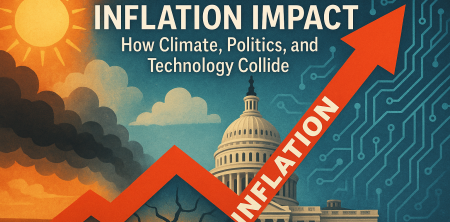
The inflation impact is an issue that’s grabbing headlines and shaking consumers’ confidence around the world. In a landscape increasingly shaped by overlapping crises, understanding the roots of this persistent inflation has never been more crucial. In July 2026, a report highlighted the convergence of various factors contributing to this ongoing economic challenge, namely the dramatic influence of a ‘Godzilla’ El Niño, newly reintroduced tariffs under former President Trump, persistent fuel shortages, and the ongoing ramifications of the Ukraine war. Together, these elements create a perfect storm that keeps inflation stubbornly high, defying expectations that advancements in technology—especially from the AI boom—would alleviate such financial pressures.
The Godzilla El Niño: A Force of Nature
The term ‘Godzilla’ El Niño refers to an exceptionally strong weather phenomenon that can wreak havoc across global climates. Experts predict that this particular El Niño may be among the strongest on record, bringing with it a host of environmental challenges. Such extreme weather patterns affect agricultural production, leading to crop failures, which in turn drive up food prices. The looming specter of rising grocery bills is a reality many households face, and the inflation impact here is direct. As food becomes scarcer due to climate disruptions, the cost for consumers inevitably rises.
Moreover, the ripple effect of this climate anomaly isn’t confined to food. It influences everything from transportation costs to energy prices. As severe weather disrupts production and supply chains, businesses are left with no choice but to pass these increased costs onto consumers. The unpredictability that a ‘Godzilla’ El Niño brings to the agricultural sector can lead to volatile price swings that consumers are forced to absorb.
The Impact of Climate Change on Inflation
Climate change is exacerbating weather extremes, and the Godzilla El Niño is just one manifestation of its broader implications. Over the past few decades, scientists have observed a significant increase in the frequency and intensity of such events. According to the National Oceanic and Atmospheric Administration (NOAA), the costs related to climate-related disasters have exceeded $1 trillion over the past five years. These expenses are often transferred to consumers in the form of higher prices, particularly for essentials like food and utilities.
As global temperatures rise, we can expect more frequent and severe disruptions to agricultural outputs, which not only drives up the cost of food but also creates uncertainty in markets. The relationship between climate change and inflation is a complex one, but the evidence suggests that ignoring environmental factors will only complicate economic conditions further. Increased awareness and investment in sustainable practices might serve as a long-term strategy to combat inflation driven by climate change.
Political Policies and Tariffs: The Trump Factor
Adding another layer to this already complicated issue are the tariffs reinstated under the Trump administration. Tariffs on a wide range of goods have made importing materials more expensive, which in turn escalates production costs for manufacturers. Even over a year after these tariffs were levied, businesses are still adjusting their pricing strategies to cope with the changes. The inflation impact of these tariffs is palpable, especially in industries reliant on imported goods, such as electronics and consumer products.
Critics argue that these tariffs are counterproductive in curbing inflation. While the intended goal may have been to protect American manufacturing jobs, the unintended consequences of higher prices may outweigh the benefits. For everyday consumers, the reality is stark: they face inflated prices while the promise of returning jobs to the U.S. remains unfulfilled. This disconnect between policy and economic reality fuels public frustration and drives home the urgency of understanding these economic conditions.
The Role of Central Banks in Inflation Management
Central banks play a pivotal role in managing inflation through monetary policy. Typically, when inflation rises, central banks may increase interest rates to cool down the economy and bring prices under control. In the U.S., the Federal Reserve has been closely monitoring inflation rates and has signaled that it may raise interest rates to combat rising prices. However, this approach can have its drawbacks. Higher interest rates can discourage borrowing and spending, which may slow down economic growth. In a time of persistent inflation, the balance between controlling inflation and promoting economic growth becomes delicate and complex. For more on this, see climate change education insights.
Experts warn that if central banks act too aggressively, it can lead to a recession, counteracting the very goals they aimed to achieve. The ongoing debates among policymakers regarding how best to handle this inflationary landscape reflect broader uncertainties about the economy's direction. Given the current conditions, consumers may need to prepare for fluctuating interest rates as central banks respond to the evolving inflation impact.
Fuel Shortages: The Energy Crisis
Fuel shortages add yet another layer of complexity to the inflation crisis. Factors ranging from geopolitical tensions—like the ongoing war in Ukraine—to production limitations in oil-producing nations contribute to fluctuating fuel prices. As fuel becomes more expensive, transportation costs increase, creating a domino effect that raises prices across various sectors. From delivery services to public transportation, the inflation impact of rising fuel costs is felt in nearly every aspect of daily life. (See: Understanding El Niño phenomena.)
As businesses struggle to keep their margins intact amidst rising operational costs, the burden is placed squarely on consumers. With prices for gasoline and diesel fuel soaring, families are often forced to choose between necessary expenditures, making life increasingly difficult. The cycle of rising prices can lead to further economic stagnation, as reduced consumer spending reflects heightened financial anxiety.
The International Energy Agency (IEA) reported that oil prices reached nearly $130 per barrel at one point in 2026, significantly impacting the cost of goods that rely on fuel for production and transportation. The soaring energy prices prompt many to seek alternative transportation methods or change their consumption habits, further reshaping the economy and consumer behavior.
Understanding the AI Boom: Economic Disruption or Solution?
The AI boom has been touted as a transformative force capable of driving efficiency and reducing costs. However, the reality is more nuanced. While AI technologies can enhance productivity, they haven’t yet translated into lower prices for consumers. Instead, the inflation impact remains robust, fueled by the aforementioned factors. In fact, the promise of technological advancement often feels overshadowed by escalating costs across the board.
One reason for this discrepancy lies in the fact that many companies are still in the investment phase of AI development. They are pouring resources into technology that may not yield immediate financial returns. Instead of passing savings onto consumers, companies are facing higher operational costs that manifest as increased prices. For consumers hoping for relief through technological innovation, this reality is frustrating and disheartening.
However, AI can lead to long-term cost reductions and improved efficiencies. Industries such as logistics, manufacturing, and healthcare are beginning to adopt AI solutions that streamline operations and reduce waste. Over time, these efficiencies might help counterbalance some of the inflationary pressures, but consumers need to be patient. As we watch the integration of AI unfold, it’s essential to remain critical of how these changes impact pricing and access to goods.
Global Conflict and Economic Stability
The ongoing war in Ukraine has had a far-reaching impact on global economies, exacerbating already strained supply chains and driving energy prices higher. As nations grapple with the geopolitical fallout, inflation continues to gain traction, leading to a troubling economic landscape. The war has disrupted not only energy supplies but also agricultural exports, leading to rising prices for both food and fuel.
As countries impose sanctions and adjust their trade policies in response to the conflict, the ripple effects are felt globally. The interconnectedness of modern economies means that instability in one region inevitably triggers challenges in another. Consumers are left to navigate these tumultuous waters, often facing heightened prices for essential goods and services as a result.
In addition, economists have noted that wars often lead to increased government spending in the long term, further complicating inflation. Increased military expenditures can shift budget priorities, impacting public services and investments that could stimulate long-term economic growth. Understanding these dynamics will be critical for consumers as they assess how geopolitical tensions may affect their financial futures.
The Emotional Toll of Inflation
As the inflation impact becomes more pronounced, it’s not just the financial implications that weigh heavily on consumers. The emotional toll of rising prices, particularly for essentials like groceries and housing, can create significant stress for families trying to make ends meet. Reports indicate that many are feeling anxious about their financial futures, with growing concerns about job stability, savings depletion, and the possibility of deeper economic downturns.
It's natural for individuals to feel overwhelmed by an environment in which their purchasing power diminishes while costs continue to rise. The emotional response can lead to swift consumer behavior changes, such as cutting back on discretionary spending or seeking alternative products. As businesses witness these changes in purchasing patterns, they may find themselves caught in a cycle of inflationary pressures that further complicate the economic landscape.
Strategies for Consumers: Adapting to the New Normal
Given the reality of sustained inflation, consumers are left to navigate a complex financial environment. While the challenges can seem daunting, there are strategies that individuals can adopt to mitigate the inflation impact on their budgets. One effective approach is to prioritize essential purchases and seek budget-friendly alternatives where possible. (See: Climate change and health impacts.)
Additionally, consumers should consider diversifying their sources of goods, such as exploring local markets or supporting smaller businesses that may offer more competitive pricing. By doing so, they can not only save money but also stimulate local economies, creating a beneficial cycle. It's also worth exploring fixed-rate contracts for utilities and mortgages to shield against price increases, ensuring some predictability in an unpredictable financial landscape.
Adopting Sustainable Practices to Combat Inflation
In light of rising prices, many consumers are turning towards sustainable living as a way to offset costs. Adopting practices such as reducing food waste, growing your own vegetables, or using public transportation can not only help mitigate some of the financial burdens imposed by inflation but also contribute positively to the environment. Investing in energy-efficient appliances, for example, may have a higher upfront cost but can lead to significant savings on utility bills over time.
Furthermore, the rise in popularity of community-supported agriculture (CSA) programs offers a way for consumers to purchase fresh, local produce at lower prices while supporting local farmers. As more people become aware of the inflation impact on their budgets, such sustainable choices could become mainstream, leading to less waste and more responsible consumption patterns. See also Senate's stance on education.
The Future of Inflation: What Lies Ahead?
Looking ahead, the question on everyone’s mind is whether these inflationary pressures will persist or begin to ease. While some experts suggest that the convergence of environmental, political, and economic factors may stabilize over time, others remain skeptical. The reality is that until the underlying issues—such as climate change, geopolitical tensions, and unstable trade policies—are meaningfully addressed, the inflation impact is likely to remain a persistent concern.
Moreover, as governments and businesses continue to grapple with the challenges brought forth by these factors, the potential for new policies and strategies may arise. Adaptability will be key for both consumers and businesses as they seek to find a balance in a world increasingly shaped by volatility. Engaging with policymakers and advocating for solutions that promote economic stability may empower consumers to take an active role in shaping their financial futures.
Frequently Asked Questions about Inflation Impact
What is inflation?
Inflation refers to the general increase in prices and the decline in the purchasing power of money. It occurs when demand for goods and services exceeds supply, leading to higher prices.
How does inflation affect my daily life?
Inflation directly impacts your purchasing power. As prices rise, the same amount of money buys fewer goods and services, affecting everything from groceries to transportation costs.
What causes inflation?
There are several causes of inflation, including demand-pull inflation (where demand exceeds supply), cost-push inflation (where production costs rise), and built-in inflation (where businesses anticipate rising costs and increase prices preemptively).
Is inflation temporary or permanent?
The duration of inflation can vary based on its underlying causes. While some inflationary spikes may be temporary, factors such as prolonged supply chain disruptions or sustained geopolitical tensions could lead to more lasting inflationary trends.
How can I protect my finances during inflation?
To protect your finances during inflation, consider budgeting carefully, exploring fixed-rate contracts, diversifying your income sources, and investing in assets that typically hold value, like real estate or commodities. (See: El Niño's global effects.)
When should I expect inflation to normalize?
While it's challenging to predict exactly when inflation will normalize, many economists believe that addressing root causes like geopolitical instability and climate change may be key to stabilizing prices in the long term.
Economic Indicators to Watch in the Context of Inflation
To better understand and navigate the inflation impact, it's helpful to keep an eye on several economic indicators. These indicators can provide insights into the overall health of the economy and the direction of inflation trends.
Consumer Price Index (CPI)
The Consumer Price Index (CPI) is one of the most widely used indicators of inflation. It measures the average change over time in the prices paid by urban consumers for a market basket of consumer goods and services. Tracking CPI can help you gauge how inflation is affecting your purchasing power and recognize trends in price changes.
Producer Price Index (PPI)
The Producer Price Index (PPI) measures the average change in selling prices received by domestic producers for their output. A rising PPI often signals that inflation is creeping into the economy, as higher production costs can eventually lead to increased prices for consumers.
Employment and Wage Growth
Monitoring employment statistics and wage growth can provide clues about inflationary pressures. When employment is high and wages are rising, consumers have more disposable income, which can drive demand and contribute to inflation. Conversely, stagnant wages amidst rising prices can exacerbate financial strain.
Interest Rates
Interest rates set by central banks can have a significant impact on inflation. When rates are low, borrowing is cheaper, often leading to increased spending and investment. However, if inflation rises, central banks may increase interest rates to curb spending, creating a balancing act for economic growth and price stability.
Conclusion: Navigating Uncertainty in a Complicated Economy
In the face of rising inflation, consumers are left with a challenging reality—one marked by a confluence of climate disruptions, political decisions, and global conflicts. The inflation impact is felt daily, making it crucial for individuals to stay informed and adaptable. By understanding the nuances of these challenges, consumers can better prepare themselves for the uncertainties ahead. As the economic landscape continues to shift, the importance of awareness and adaptability cannot be overstated—after all, in an era marked by volatility, those who are prepared will be the ones to weather the storm.
```
Trending Now
Frequently Asked Questions
How does climate change affect inflation?
Climate change contributes to inflation by causing extreme weather events, such as the 'Godzilla' El Niño, which disrupt agricultural production. This leads to crop failures and increased food prices, ultimately driving inflation as businesses pass on higher costs to consumers.
What is a 'Godzilla' El Niño and its impact?
A 'Godzilla' El Niño refers to an exceptionally strong weather phenomenon that can severely disrupt global climates. Its impact includes agricultural challenges, leading to increased food prices and higher transportation and energy costs, contributing to overall inflation.
How do tariffs influence inflation rates?
Tariffs can increase inflation rates by raising the cost of imported goods. The reintroduction of tariffs under former President Trump has contributed to higher prices for consumers, as businesses often pass these costs along, exacerbating inflationary pressures.
What role does technology play in managing inflation?
While advancements in technology, particularly from the AI boom, were expected to alleviate inflationary pressures, they have not significantly mitigated the impact of ongoing crises like climate disruptions and geopolitical conflicts, which continue to drive prices higher.
How does the Ukraine war affect global inflation?
The ongoing Ukraine war has significant ramifications for global inflation by disrupting supply chains and increasing energy prices. These disruptions contribute to higher costs for goods and services, further fueling inflationary trends in various economies.
What's your take on this? Share your thoughts in the comments below — we read every one.

