Introduction
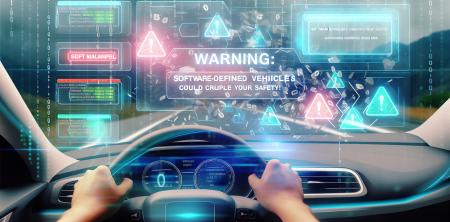
The automotive industry is undergoing a radical transformation, with the rise of software-defined vehicles (SDVs) leading the charge. As we approach 2026, when these vehicles are predicted to become mainstream, an unsettling reality is emerging. A recent analysis by Moody's reveals that the shift towards SDVs is creating unprecedented vulnerabilities within automotive supply chains. This seismic shift could have dire implications for vehicle safety, reliability, and consumer trust.
Understanding Software-Defined Vehicles
Software-defined vehicles represent a paradigm shift in how cars are designed, manufactured, and operated. Unlike traditional vehicles that rely predominantly on hardware, SDVs function as complex software platforms. This means that critical vehicle functionalities, from engine performance to infotainment systems, can be updated and modified through software.
This trend toward connectivity and updatability is driven by advancements in artificial intelligence (AI) and machine learning. However, it also exposes manufacturers to a host of new risks that could have far-reaching repercussions.
The Rising Demand for AI Chips
One of the most concerning aspects highlighted by Moody's analysis is the burgeoning demand for AI chips in the automotive sector. These chips are vital for powering the complex software systems that make SDVs intelligent and responsive. As manufacturers race to integrate increasingly sophisticated AI capabilities, the demand for memory and processing power skyrockets.
However, the intense demand for these components is placing an enormous strain on suppliers. Moody's warns that as the market for AI chips expands, suppliers may be inadequately prepared to meet the demand. This could lead to serious supply chain disruptions, resulting in critical failures that affect the entire automotive ecosystem.
Operational Consequences of Supplier Vulnerabilities
The vulnerabilities in the supply chain have immediate operational implications for automakers. According to Moody's, any disruptions caused by supplier outages or vulnerabilities could trigger a cascade of problems:
- Production Halt: If a supplier fails to deliver essential components, manufacturers may be forced to halt production lines, leading to significant financial losses.
- Quality Assurance Issues: With the pressure to deliver, automakers may be tempted to compromise on quality, increasing the risk of faulty vehicles reaching the market.
- Increased Costs: Disruptions can lead to inflated costs for sourcing alternative suppliers or expediting shipments, further squeezing profit margins.
Regulatory and Reputational Risks
Beyond operational challenges, Moody's analysis highlights the potential regulatory and reputational risks that automakers face as they embrace SDVs. Any failure related to software vulnerabilities could lead to:
- Increased Scrutiny: Regulatory bodies may impose stricter oversight on automakers, leading to longer approval processes for new vehicles.
- Legal Liabilities: Accidents or incidents resulting from software failures could expose manufacturers to lawsuits, further damaging their reputation.
- Loss of Consumer Trust: If consumers perceive that modern vehicles are not as safe or reliable as their predecessors, it could lead to a decline in sales and brand loyalty.
Vehicle Safety and Reliability at Risk
The implications for vehicle safety are particularly alarming. As vehicles become more reliant on software, the potential for catastrophic failures grows. A single vulnerability in the software could lead to serious accidents, posing risks not only to drivers but also to pedestrians and other road users.
Moreover, the reliance on over-the-air updates to fix issues after a vehicle is in circulation adds another layer of complexity. If manufacturers cannot quickly address vulnerabilities, they could inadvertently expose consumers to danger.
Consumer Trust: A Fragile Asset
As SDVs become more common, consumer trust will be put to the test. The automotive industry has long been built on the foundation of safety and reliability. However, as the complexities of software-defined vehicles increase, so do consumer concerns about the adequacy of manufacturer responses to potential failures.
Restoring consumer confidence will require transparency, swift action when vulnerabilities are identified, and effective communication strategies. Automakers will need to reassure customers that their vehicles are not just technologically advanced but also safe and dependable.
The Road Ahead: What Automakers Must Do
With the challenges presented by software-defined vehicles becoming increasingly apparent, automakers must take proactive steps to mitigate risks. Here are some actions they can take:
- Strengthen Supplier Relationships: By fostering stronger relationships with suppliers, automakers can work collaboratively to identify potential vulnerabilities and develop contingency plans.
- Invest in Robust Testing: Rigorous testing of software systems is essential to identify and address vulnerabilities before vehicles reach consumers.
- Enhance Cybersecurity Measures: As vehicles become more connected, the importance of cybersecurity cannot be overstated. Automakers must prioritize the protection of their software systems from potential attacks.
- Engage in Clear Communication: Transparent communication with consumers about the measures taken to ensure safety and reliability will be key in maintaining trust.
Conclusion
The transition to software-defined vehicles is transforming the automotive landscape, but it brings with it a host of new challenges. Moody's analysis serves as a warning to the industry: as vehicles become more integrated with software, the risks associated with supply chain vulnerabilities will intensify.
To navigate this complex terrain, automakers must remain vigilant in addressing potential risks while ensuring that safety and consumer trust remain paramount. The stakes have never been higher, and the decisions made today will shape the future of automotive technology for generations to come.

