```html
As parents and educators, we often observe children engaging in various forms of play, each carrying significant weight in their development. One fascinating aspect of early childhood play is parallel play in children, a stage that often raises questions about when and how children transition to more interactive forms of play. This article will delve deep into parallel play in children, exploring its characteristics, significance, and the timeline for moving beyond this crucial stage.
What is Parallel Play?
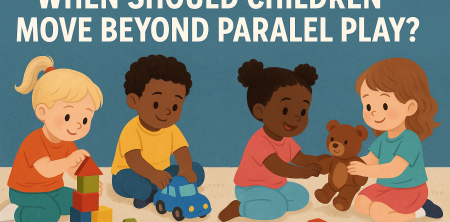
Parallel play is defined as a form of play where children play side by side, engaging in similar activities without direct interaction. This behavior typically emerges around 2 to 3 years of age and can be seen as a natural and essential phase in child development. During this stage, children may not be communicating or collaborating with one another, yet they are absorbing social cues and learning from each other's actions.
It's important to recognize that parallel play isn't just about physical proximity; it's about children observing and imitating their peers. For instance, if one child is building a tower with blocks, another child nearby might start to build their own tower, demonstrating an understanding of the activity while still maintaining independence. This form of play lays the groundwork for later social interactions, as children begin to understand the importance of sharing space and resources.
The Developmental Significance of Parallel Play
Understanding the significance of parallel play in children is crucial for parents and educators alike. This stage of play is not merely a precursor to more interactive forms; it serves vital developmental purposes, including:
- Social Skills Development: Children learn to observe and mimic behaviors, which fosters social awareness.
- Emotional Regulation: Playing alongside peers helps children develop patience and self-control as they navigate their feelings in a social context.
- Cognitive Growth: Through parallel play, children engage in problem-solving and critical thinking, such as figuring out how to build a structure or share toys.
- Independence: This stage allows children to assert their individuality while still benefiting from the presence of peers.
As children engage in parallel play, they are not just playing; they are developing the foundational skills necessary for cooperation and collaboration that will emerge in later stages of social development.
Typical Timeline for Parallel Play
Parallel play typically occurs between the ages of 2 and 3 years, coinciding with significant cognitive and emotional development. However, the timeline can vary significantly among children. Some may transition into more interactive or cooperative play by age 3, while others may continue to engage in parallel play until they are 4 or even 5 years old. Factors influencing this timeline include:
- Personality: Shy or introverted children may take longer to engage fully with others.
- Social Environment: Children with siblings or those in daycare settings may develop social skills more quickly.
- Parental Guidance: Active encouragement from parents can facilitate the transition into cooperative play.
Understanding the variability in this timeline is critical. Each child's development is unique; thus, it's essential to provide a supportive environment that encourages growth without pressure.
Signs That Children Are Ready for Cooperative Play
As children engage in parallel play, you might notice specific signs indicating they are prepared to transition to cooperative play. These signs include:
- Increased Interaction: Children may start to initiate conversations or share toys with peers.
- Imaginary Play: A shift towards more complex role-playing scenarios often signifies readiness for collaborative play.
- Conflict Resolution: The ability to negotiate, share, or solve conflicts with peers is a strong indicator of moving beyond parallel play.
- Desire for Group Activities: When children express interest in group games or team activities, it's a sign of growing social awareness.
Identifying these indicators is crucial for parents and caregivers, as they suggest the child is ready and wanting to engage on a different level.
Encouraging the Transition to Cooperative Play
Helping children transition from parallel play to cooperative play can be a delicate process. Here are some strategies to facilitate this important developmental shift: (See: definition of play in psychology.)
- Structured Playdates: Organize playdates with children of similar ages to encourage cooperative activities. Structured games can promote interaction.
- Modeling Behavior: Demonstrate cooperative play by engaging in group activities yourself. Children often learn by observing adult behaviors.
- Positive Reinforcement: Acknowledge and praise your child when they successfully cooperate or share with others, reinforcing these desirable behaviors.
- Provide Collaborative Toys: Offer toys that encourage teamwork, such as building sets or board games that require multiple players.
By implementing these strategies, parents can help guide their children into more interactive play without rushing them through the process.
Challenges Associated with Parallel Play
While parallel play has its benefits, it's not without challenges. Some children may experience difficulties during this developmental phase, including:
- Frustration: Children may feel frustrated if they want to play together but are unsure how to initiate interaction.
- Social Anxiety: Some children may become anxious in social situations, preferring to remain in parallel play rather than engage with peers.
- Conflict: As children begin to interact more, conflicts may arise, which can lead to stress for both children and caregivers.
It’s vital for parents and educators to recognize these challenges and address them appropriately. Providing a calm and encouraging atmosphere can help children feel secure as they navigate the complexities of social play.
The Role of Parents and Educators
Parents and educators play a critical role in supporting the development of parallel play in children and its transition to cooperative play. Communication is key. Regular discussions about play behavior can help adults understand children's needs and challenges. Sharing insights about children's play patterns with others can also enhance the collective understanding of children's development.
Educational settings can provide structured environments where children can practice social skills under the guidance of trained professionals. Caregivers should encourage children to express their feelings and thoughts about play experiences, helping them articulate their needs and desires.
Current Research on Play Development
Recent studies have expanded our understanding of the stages of play. Research indicates that play is not just a leisure activity; it’s fundamental to cognitive, emotional, and social development. A 2020 study published in the journal Child Development highlighted that children engaged in varying types of play, including parallel play, showed enhanced problem-solving skills and more robust emotional regulation compared to those who played alone.
Furthermore, researchers emphasize the importance of guided play, where adults support children in their play without overtly directing it. This balance allows children to explore their interests while still being gently encouraged toward social interactions that might lead to cooperative play.
Examples of Parallel Play in Action
To better illustrate parallel play, let’s look at some real-life scenarios:
- Building Blocks: Two children sit at a table with a set of building blocks. One child is focused on constructing a tall tower, while the other is building a wall nearby. They are not communicating, but each is aware of the other’s presence and activity, often glancing over to see what the other is doing, possibly adjusting their own structure in reaction to the other’s actions.
- Art Projects: In an art corner, two children might sit next to each other using crayons or markers on separate sheets of paper. They may occasionally look at each other’s work but engage independently in their creative expressions, showing how parallel play takes place even in quieter settings.
- Playground Activities: On a playground, one child may be swinging while another is climbing on a jungle gym nearby. They are in close proximity but are engaged in distinctly different activities. Occasionally, they might cheer each other on or laugh, showing budding communication without direct interaction.
These scenarios highlight the essence of parallel play, where children learn from observing one another while maintaining their independence. These interactions, although minimal, are foundational for developing social skills that will become more pronounced in cooperative play.
Comparing Parallel Play to Other Types of Play
To understand parallel play better, it's helpful to compare it to other types of play. Here's a breakdown of how it differs from solitary play and cooperative play: (See: CDC on child development stages.)
Solitary Play
Solitary play, often observed in younger toddlers, involves children playing alone with little or no awareness of others. For example, a toddler may be absorbed in stacking blocks while completely unaware of another child across the room doing the same. This type of play is essential for developing concentration and independence, but it does not provide the social interactions found in parallel play.
Cooperative Play
As children progress, they often enter the stage of cooperative play, which typically occurs around ages 4 to 5. In cooperative play, children actively engage with one another to create a shared narrative or project. For instance, they might work together to build a fort or play a team game. This stage is characterized by a clear interaction, negotiation, and the establishment of roles among peers, fostering deeper social connections.
Benefits of Parallel Play
While some might view parallel play as a less desirable form of interaction compared to cooperative play, it has unique benefits:
- Reduced Pressure: Children can explore their interests and creativity without the pressures of collaboration, allowing them to take risks in a low-stakes environment.
- Foundation for Future Interactions: The skills gained during parallel play, such as sharing space and observing others, serve as building blocks for more complex social interactions later on.
- Increased Focus on Individual Interests: Children can develop their unique play styles and interests, which can enhance self-expression and confidence.
FAQ About Parallel Play in Children
1. At what age does parallel play become evident?
Parallel play usually becomes evident around the ages of 2 to 3 years, as children begin to enjoy playing alongside peers while still focusing on their activities.
2. How can I tell if my child is engaging in parallel play?
You can tell if your child is engaging in parallel play if they are playing near other children but not actively interacting with them. They may be involved in similar activities but remain focused on their own tasks.
3. Is parallel play important for social development?
Yes, parallel play is crucial for social development. It allows children to observe their peers, learn about social norms, and develop fundamental skills that will support future interactions.
4. How can I encourage my child to transition from parallel play to cooperative play?
Encouraging the transition can include organizing structured playdates, modeling cooperative behaviors, providing collaborative toys, and positively reinforcing sharing and interaction.
5. What should I do if my child seems to prefer parallel play for an extended period?
It's essential to understand that every child develops at their own pace. If your child prefers parallel play for longer than what you may consider typical, continue to provide opportunities for interactive play and observe for signs of readiness. Encourage social skills gently without forcing interaction.
Common Misconceptions About Parallel Play
There are several misconceptions surrounding parallel play that can lead to misunderstandings about children's development. Here are a few: (See: NIH on child development stages.)
- Myth 1: Parallel play is a sign of social immaturity.
- Myth 2: Children should be pushed into cooperative play as soon as possible.
- Myth 3: Parallel play is less valuable than cooperative play.
In reality, parallel play is a normal and necessary stage of development. Children are learning valuable social cues and how to interact with their environment, which sets the stage for future interactions.
Every child has their timeline. Forcing interaction can sometimes lead to anxiety and resistance, hindering their natural progression into cooperative play.
While cooperative play is essential, parallel play has its own set of benefits, particularly in promoting independence, self-confidence, and individual interests that are critical in a child's development.
Emotional and Psychological Aspects of Parallel Play
Parallel play also has emotional and psychological implications. Children learn to manage their feelings while engaging in activities near others. This stage helps them develop self-esteem and confidence as they navigate their interests and strengths without the pressure of collaboration. Children learn to enjoy their own company while still being aware of others, which can foster a sense of belonging and security in social settings.
The Impact of Technology on Parallel Play
In today's digital age, technology plays a significant role in how children engage in play. While digital games can promote social interaction, they may also lead to increased solitary play, potentially impacting the parallel play stage. Parents should encourage a balance between screen time and physical playtime, emphasizing real-world interactions that foster the development of social skills. Facilitating play in both digital and traditional settings can help children learn to navigate various social contexts.
Conclusion: Embracing Each Stage of Play
Parallel play is an essential and natural part of childhood development, laying the groundwork for future social interactions and cooperative play. As a parent or educator, recognizing the signs of when a child is ready to transition, understanding the importance of parallel play, and fostering an environment that encourages interaction is key to helping children develop meaningful social skills.
Every child is unique, and their journey through various play stages will differ. By embracing each stage, from parallel play to cooperative play, we can ensure that children have the tools they need to thrive socially and emotionally as they grow. Whether through structured playdates, modeling behaviors, or simply providing supportive environments, we can guide them on their developmental journey with care and understanding.
```
Trending Now
Frequently Asked Questions
What age do children start parallel play?
Children typically start engaging in parallel play around the ages of 2 to 3 years. During this stage, they play alongside each other without direct interaction, which is a natural part of their social development.
What are the benefits of parallel play in children?
Parallel play offers several developmental benefits, including the enhancement of social skills through observation and imitation, as well as emotional regulation as children learn to manage their feelings while interacting in close proximity to peers.
How does parallel play help with social skills?
Parallel play aids in social skill development by allowing children to observe and mimic their peers' behaviors. This form of play lays the groundwork for future social interactions as children learn about sharing space and resources.
When should children move to interactive play?
While the transition from parallel play to more interactive forms of play varies, it generally begins to occur around ages 3 to 4. Children start to engage more with their peers through cooperative play as they develop social awareness.
Is parallel play important for child development?
Yes, parallel play is crucial for child development. It not only helps children practice social skills and emotional regulation but also serves as a foundation for more complex interactions and collaborative play in the future.
Have you experienced this yourself? We'd love to hear your story in the comments.

