```html
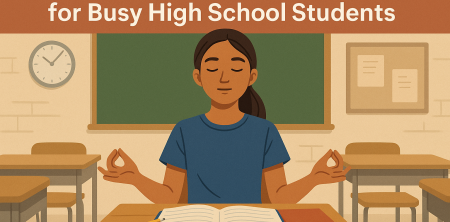
In today's fast-paced educational environment, high school students face numerous challenges, from academic pressures to social dynamics. With multiple subjects to juggle, extracurricular activities, and the looming specter of college applications, it’s no surprise that stress levels can soar. This is where mindfulness for high school students comes into play. Mindfulness is the practice of being present and fully engaged in the moment, which can alleviate stress and enhance focus. Thankfully, you don’t need hours to reap the benefits. Here are five-minute mindfulness practices that busy high school students can easily incorporate into their daily routines.
Understanding Mindfulness
Before diving into practical exercises, it’s helpful to grasp what mindfulness truly entails. Defined as the psychological process of bringing one’s attention to the present moment, mindfulness has roots in Buddhist meditation but has gained significant traction in Western psychology. According to a study published in the journal Psychological Science, even short periods of mindfulness practice can help reduce anxiety and improve attention span.
For students, mindfulness isn't just a buzzword; it’s a toolkit that can help manage stress, improve concentration, and foster emotional resilience. Integrating mindfulness into daily life can seem daunting, particularly for students already overwhelmed by their schedules. However, the beauty of mindfulness is that it can be practiced in brief, manageable snippets throughout the day.
The Science Behind Mindfulness
Numerous studies underscore the benefits of mindfulness for teens. A notable research effort by the University of Massachusetts found that students who participated in mindfulness training reported lower levels of stress and improved academic performance compared to their peers. Another study in the Journal of Adolescence revealed that mindfulness practices can enhance emotional regulation, leading to fewer behavioral issues in school settings.
Moreover, neuroscience supports these findings. Brain scans have shown that regular mindfulness practice can change the structure of the brain, particularly in areas associated with attention and emotional regulation. In essence, mindfulness can be a powerful tool that shapes how students tackle their daily challenges.
Practice 1: The 5-Minute Breath Focus
One of the simplest and most effective mindfulness techniques is focusing on your breath. This exercise requires no special equipment, making it easy to fit into any busy schedule.
To start:
- Find a quiet space where you can sit comfortably, whether that's in your classroom, at home, or even in a school hallway.
- Close your eyes gently or lower your gaze to minimize distractions.
- Take a deep breath in through your nose, filling your lungs completely.
- Hold for a second, then exhale slowly through your mouth.
- Continue this for five minutes, focusing solely on your breath. If your mind wanders, gently bring your focus back to your breathing.
Practicing breath focus helps ground you in the present moment, allowing you to release tension and reset your mental state.
Practice 2: Body Scan Meditation
A body scan is another effective mindfulness practice that can be done in just five minutes. This meditation helps you become aware of how your body feels and can reveal areas of tension you may not even realize you’re holding.
To perform a quick body scan:
- Find a comfortable sitting or lying position.
- Close your eyes and take a few deep breaths to start relaxing your body.
- Begin by focusing on your toes, noticing any sensations. Are they warm or cold? Tense or relaxed?
- Gradually move your attention up through your feet, legs, torso, arms, and finally to your head.
- Spend a few moments on each area, identifying any tension and consciously relaxing those muscles.
This practice not only promotes relaxation but also helps foster a deeper connection between your mind and body, which is crucial for emotional regulation.
Practice 3: Mindful Walking
For those who find it difficult to sit still, mindful walking offers a dynamic alternative. This practice combines movement with mindfulness, allowing you to engage with your surroundings. (See: Mindfulness and its impact on students.)
Here’s how to do it:
- Choose a safe space to walk, whether it’s a hallway, a park, or even your backyard.
- Begin walking at a slow, deliberate pace.
- Focus on the sensations of walking; notice how your feet feel as they touch the ground, the rhythm of your breath, and the movement of your body.
- As you walk, take note of your surroundings. What do you see, hear, and smell?
- If your mind starts to wander, gently redirect your attention back to the act of walking and your immediate environment.
This practice not only boosts mindfulness but also provides a brief physical break, which can be refreshing during long study sessions.
Practice 4: Gratitude Journaling
Writing can be a powerful mindfulness tool, and gratitude journaling offers a simple way to cultivate a positive mindset. Taking just five minutes to reflect on what you’re thankful for can shift your perspective and reduce stress levels.
To start a gratitude journal:
- Find a notebook or open a note-taking app on your phone.
- Set a timer for five minutes.
- Write down three things you’re grateful for that day. They can be as simple as enjoying your favorite meal, having a good conversation with a friend, or appreciating a sunny day.
- Reflect on why you are thankful for these moments and how they make you feel.
This practice not only enhances mindfulness but also encourages positive thinking, which can be especially beneficial during stressful periods in high school.
Practice 5: Mindful Listening
In a world filled with distractions, mindful listening can help improve communication skills and deepen relationships with peers and teachers. This practice teaches you to fully engage in conversations, enhancing both your focus and empathy.
To practice mindful listening:
- Find a partner—this could be a classmate, a friend, or even a family member.
- Set aside five minutes for the exercise.
- Take turns speaking and listening without interruption. The speaker shares their thoughts while the listener focuses entirely on what is being said.
- After the speaker finishes, the listener should reflect back what they heard, demonstrating active engagement.
This not only improves communication skills but also allows for deeper connections and understanding between individuals.
Integrating Mindfulness into Daily Life
While these five-minute practices are a great start, the key to reaping the full benefits of mindfulness for high school students is consistency. Here are some tips to help integrate mindfulness into your daily routine:
- Schedule It: Just like you would a class or a meeting, schedule your mindfulness practices. Set aside specific times during your day to engage in these exercises.
- Use Reminders: Consider setting phone reminders or using sticky notes in your workspace to remind you to take mindfulness breaks.
- Pair with Existing Routines: Attach mindfulness practices to existing habits, like practicing breath focus before a test or gratitude journaling before bed.
- Stay Flexible: Remember that mindfulness doesn’t have to be rigid. If you miss a session, don’t stress—just get back to it when you can.
By making mindfulness a regular part of your life, you can gradually shift your mindset and improve your overall well-being.
Benefits of Mindfulness for High School Students
The positive impacts of mindfulness go beyond immediate stress relief. Engaging in these practices can lead to long-term benefits that enhance both academic and personal growth.
Research has shown that mindfulness practices can lead to:
- Improved Academic Performance: By enhancing focus and concentration, mindfulness can help students absorb information more effectively and excel in their studies.
- Enhanced Emotional Regulation: Mindfulness equips students with the tools to manage their emotions, leading to healthier responses to stress and anxiety.
- Better Relationships: Practicing mindfulness encourages empathy and understanding, which can foster healthier relationships with peers and teachers.
- Heightened Self-Awareness: Mindfulness promotes introspection, allowing students to better understand their thoughts, feelings, and behaviors.
These advantages contribute to a more balanced and fulfilling high school experience, setting students up for success in their future endeavors. (See: Mental health and mindfulness practices.)
Overcoming Challenges in Mindfulness Practice
While mindfulness can be incredibly beneficial, it’s not without its challenges, especially for high school students. Here are some common barriers and ways to overcome them:
- Time Constraints: Many students feel they don’t have time for mindfulness. Start small by incorporating just a few minutes into your day and gradually increase the duration as you become more comfortable.
- Difficulty in Concentration: It’s normal for your mind to wander during mindfulness practices. Acknowledge these distractions without judgment and gently guide your focus back to the practice.
- Peer Influence: Some students may feel self-conscious about practicing mindfulness in front of peers. Choose a private space for your practices or find a mindfulness group at school to foster a supportive environment.
By recognizing and addressing these challenges, students can make mindfulness a more integral part of their lives.
Expanding Mindfulness: Techniques for Students
Beyond the five-minute practices, there are other techniques that can help deepen a student’s mindfulness experience. Engaging with these practices can provide a more comprehensive understanding of mindfulness and its benefits.
Mindfulness Meditation
This technique involves setting aside a longer period, typically 10-30 minutes, to practice mindfulness meditation. Students can find a comfortable sitting position, close their eyes, and focus on their breath or a specific mantra. This practice can help develop a stronger sense of awareness and can significantly improve concentration over time.
Mindful Eating
Mindful eating encourages students to pay full attention to the experience of eating. This means savoring each bite, recognizing the flavors, and appreciating the process of nourishing the body. This practice can be especially helpful during busy school days when meals are often rushed. It helps students build a healthier relationship with food and enhances their ability to focus on the present moment.
Nature Immersion
Spending time in nature has been shown to have calming effects that complement mindfulness practices. Students can take short walks in a park or sit under a tree during breaks to soak in the natural environment. Studies have shown that nature exposure can reduce stress levels and improve overall well-being, making it a fantastic addition to mindfulness routines.
Real-Life Applications of Mindfulness in School
Implementing mindfulness in the school environment can create a more supportive atmosphere for students. Here are some practical applications:
Mindfulness Clubs
Many high schools are starting mindfulness clubs where students can gather to practice mindfulness together. These clubs provide a safe space for students to explore various techniques, share their experiences, and support one another in their mindfulness journeys.
Mindfulness in the Classroom
Teachers can incorporate mindfulness into their lessons by beginning classes with a short mindfulness exercise. A simple breathing or stretching exercise can help students transition into learning mode, improving focus and engagement.
Mindfulness Workshops
Schools can organize workshops led by mindfulness experts. These workshops can provide students with in-depth knowledge about mindfulness, offer new techniques, and create a community around shared experiences. Having guest speakers who specialize in mental health can also emphasize the importance of mindfulness in reducing overall school stress.
Statistics on Mindfulness in Education
Understanding the impact of mindfulness in schools can be motivating for students and educators alike. Here are some compelling statistics:
- A study in the Journal of Educational Psychology found that students who practiced mindfulness showed a 15% increase in test scores compared to those who did not.
- According to a survey conducted by the American Psychological Association, 70% of students who practiced mindfulness regularly reported feeling less stressed and more focused in school.
- Research published in Mindfulness journal indicated that mindfulness programs in schools led to a 30% reduction in reported behavioral issues among students.
- In a comprehensive review, 78% of students reported improved interpersonal relationships and increased empathy after participating in mindfulness programs.
Frequently Asked Questions about Mindfulness for High School Students
What age is appropriate to start practicing mindfulness?
Mindfulness can be beneficial for students of all ages. While many high school students find it particularly useful due to the stressors of adolescence, younger students can also engage in simplified practices that suit their developmental level.
How often should I practice mindfulness to see results?
Consistency is key. Even just five minutes a day can lead to noticeable benefits over time. As you grow more comfortable with mindfulness, consider extending your practice to 10-15 minutes or incorporating longer sessions a few times a week.
Can mindfulness help with academic performance?
Absolutely! Numerous studies show that improved focus and lower stress levels from mindfulness practices can enhance academic performance. Students often report better concentration and retention of information when they practice mindfulness regularly.
What if I find it hard to focus during mindfulness exercises?
This is completely normal. Mindfulness is a skill that takes time to develop. If your mind wanders, gently acknowledge it and bring your focus back to your breath or the exercise. With practice, your ability to concentrate will improve.
How can I encourage my friends to try mindfulness?
Share your experiences and the benefits you've noticed since starting mindfulness. You could invite them to join you in a mindfulness practice or suggest starting a mindfulness club together. The shared experience can make it more appealing and less intimidating.
Are there any apps for practicing mindfulness?
Yes, there are several excellent apps designed to support mindfulness practice. Some popular options include Headspace, Calm, and Insight Timer. These apps often provide guided meditations, mindfulness exercises, and tools to help you track your progress.
How can mindfulness help with anxiety and stress management?
Mindfulness helps by training individuals to observe their thoughts and feelings without judgment. By doing so, students can learn to respond to stressors more calmly and effectively, reducing anxiety levels. Engaging in mindfulness practices can create a greater sense of control over one's emotional responses.
Conclusion: A Path to Wellness
Mindfulness for high school students offers a multitude of benefits that can enhance both academic performance and emotional well-being. By taking just a few minutes each day to practice mindfulness, students can cultivate a greater sense of calm and focus in the midst of their busy lives. Whether it's through focused breathing, body scans, or gratitude journaling, these practices can help students build resilience and foster a healthier mindset.
As you explore these five-minute mindfulness techniques, remember that the journey toward mindfulness is personal and unique. The key is consistency and finding what works best for you. By making mindfulness a priority, you’ll not only navigate the challenges of high school more effectively but also set a strong foundation for a balanced and fulfilling life beyond the classroom.
```
Trending Now
Frequently Asked Questions
What are some quick mindfulness techniques for students?
Some quick mindfulness techniques for students include deep breathing exercises, body scans, mindful walking, gratitude journaling, and short meditation sessions. These practices can be completed in five minutes or less, making them easy to fit into a busy school day.
How can mindfulness help high school students?
Mindfulness can help high school students by reducing stress, improving focus, and enhancing emotional resilience. It encourages students to be present, which can lead to better academic performance and emotional regulation during challenging situations.
Why is mindfulness important for teens?
Mindfulness is important for teens as it equips them with tools to manage stress and anxiety, which are common during high school. Practicing mindfulness can also improve attention span and emotional stability, crucial for navigating academic and social pressures.
Can mindfulness improve academic performance?
Yes, mindfulness can improve academic performance. Studies have shown that students who engage in mindfulness practices report lower stress levels and better concentration, which can enhance their learning and retention of information.
How long should a mindfulness practice last?
Mindfulness practices can be effective even when they last just five minutes. Short, consistent practices throughout the day can help students integrate mindfulness into their routines without feeling overwhelmed by time constraints.
What did we miss? Let us know in the comments and join the conversation.

