```html
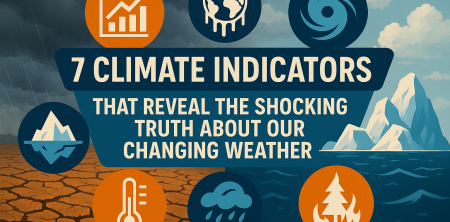
The rapid changes in our climate are no longer a distant concern; they are colliding with our daily lives in alarming ways. The climate indicators reported by the Environmental Protection Agency (EPA) serve as critical signals that can help us understand these shifts. By examining these measurable changes, such as temperature fluctuations, precipitation patterns, drought occurrences, and the increase in extreme weather events, we can better grasp the seriousness of climate change and its long-term impacts.
Understanding Climate Indicators
Climate indicators are observable and measurable phenomena that provide insight into the long-term trends of our weather and climate patterns. The data compiled by the EPA showcases a variety of metrics that are essential in assessing the state of our environment. These indicators not only reflect the current conditions but also forecast potential future scenarios driven by climate change.
By examining the climate indicators provided by the EPA, we can gauge the impact of human activities on our environment. This understanding is crucial for developing effective policies and strategies aimed at mitigating the adverse effects of climate change.
Temperature Changes: A Rising Concern
One of the most alarming climate indicators is the rising global temperature. According to the EPA, average surface temperatures have increased significantly over the past century. In fact, the last decade was the warmest on record, with 2020 being one of the hottest years experienced globally.
The implications of rising temperatures are profound. Higher temperatures lead to melting ice caps and glaciers, contributing to rising sea levels and threatening coastal communities. Furthermore, increased heat can exacerbate existing health issues, lead to heat-related illnesses, and strain our energy resources as demand for air conditioning rises.
Precipitation Patterns: The New Normal
Another critical climate indicator is the shift in precipitation patterns. The EPA has documented changes in rainfall distribution across various regions, with some areas experiencing increased rainfall while others face drought conditions. For instance, heavy downpours have become more frequent, leading to flooding and erosion, while regions that rely on consistent rainfall are experiencing prolonged dry spells.
These changes can have devastating effects on agriculture, water supply, and natural ecosystems. Farmers may struggle to adapt to unpredictable rainfall patterns, leading to decreased crop yields and economic hardships. Additionally, communities that rely on consistent water sources may find themselves facing severe shortages, prompting widespread concern.
Droughts: A Growing Threat
Drought is an increasingly common climate indicator that signals both environmental stress and human vulnerability. The EPA highlights that the frequency and duration of droughts have intensified over the last few decades, particularly in the western United States. This trend raises significant concerns about water availability, agricultural productivity, and ecosystem health.
As drought conditions persist, the impacts can ripple through entire communities. Water shortages can lead to increased competition for resources and trigger conflicts among different sectors, including agriculture, municipalities, and industry. The long-term effects of drought extend beyond immediate water scarcity, impacting economic stability and food security.
Extreme Weather Events: A New Reality
Perhaps one of the most visible climate indicators is the increased frequency and severity of extreme weather events. The EPA has reported a significant rise in the intensity of storms, hurricanes, and heatwaves, which pose immediate threats to life and property. For instance, recent hurricane seasons have produced more Category 4 and 5 storms than ever before, leading to catastrophic destruction in affected regions. (See: EPA Climate Indicators Overview.)
The evidence is clear: extreme events are no longer anomalies but part of a troubling trend in our climate. As communities struggle to recover from these disasters, the economic cost continues to rise. Insurance claims following major storms have surged, and government resources are increasingly stretched thin in the face of repeated natural disasters.
Melting Ice: A Cry for Attention
The melting of ice in polar regions and glaciers is another vital climate indicator that underscores the urgency of addressing climate change. The EPA notes that Arctic sea ice is declining at an alarming rate, with recent studies indicating a decrease of over 40% since the late 1970s. This loss of ice not only contributes to rising sea levels but also disrupts ecosystems that rely on this habitat for survival.
Furthermore, the melting of glaciers affects freshwater resources for millions of people worldwide. As these ice reserves diminish, communities that depend on glacial meltwater for drinking, irrigation, and hydroelectric power may face severe shortages, necessitating urgent action to address the root causes of climate change.
Ocean Acidification: A Hidden Crisis
While often overlooked, ocean acidification is a significant consequence of climate change that has dire implications for marine life and ecosystems. The EPA has drawn attention to the increasing levels of carbon dioxide in our oceans, leading to a decrease in pH levels. This change in acidity can harm coral reefs, shellfish, and other marine organisms that are vital to ocean health.
As the acidity of our oceans increases, the delicate balance of marine ecosystems is threatened. Coral reefs, which provide crucial habitats for numerous species, are particularly vulnerable to both acidification and rising temperatures. The loss of these ecosystems not only affects marine biodiversity but also impacts coastal communities that depend on fishing and tourism.
Air Quality: The Unseen Impact
Changes in climate indicators also have a direct impact on air quality. The EPA has documented the relationship between climate change and increases in ground-level ozone and particulate matter, both of which can have serious health implications. Poor air quality can exacerbate respiratory issues, cardiovascular diseases, and allergies, affecting millions of people.
As extreme heat events become more common, the formation of ground-level ozone is intensified, representing a significant public health concern. Vulnerable populations, including children and the elderly, are particularly at risk from deteriorating air quality, highlighting the need for policies aimed at reducing emissions and improving overall environmental health.
Connecting Climate Indicators to Daily Life
Understanding these climate indicators is crucial for framing the conversation about climate change in a way that resonates with people. When individuals recognize that increasing temperatures, erratic rainfall, and extreme weather events are connected to broader climate trends, they are more likely to engage in discussions about adaptation and mitigation strategies.
Social media platforms serve as powerful tools for sharing information about climate indicators, allowing users to spread awareness about local impacts and share personal stories. This grassroots approach fosters a sense of community among individuals who are concerned about the environment and encourages collective action.
What Can We Do? Taking Action on Climate Indicators
Addressing the challenges posed by changing climate indicators requires a multifaceted approach. Individuals, communities, and governments must work together to mitigate the causes of climate change and adapt to its inevitable impacts. Here are several actionable steps that can contribute to a more sustainable future:
- Reduce carbon footprints: Individuals can take steps to lessen their carbon output by using public transportation, reducing energy consumption, and supporting renewable energy initiatives.
- Advocate for policy change: Engaging in advocacy for climate-related policies at local, state, and national levels is crucial for driving systemic change.
- Support local economies: Investing in local, sustainable businesses can help strengthen community resilience while reducing the carbon footprint associated with transportation.
- Educate others: Sharing knowledge about climate indicators and their implications can empower others to take action and engage in important conversations.
By recognizing the significance of climate indicators and their influence on our lives, we can create a more informed and proactive society. It’s time to pay attention to these vital signals and acknowledge the urgent need for action in the face of climate change. Only through collective efforts can we hope to mitigate its effects and secure a safer, healthier planet for future generations. (See: NOAA Global Temperature Report.)
Additional Climate Indicators Worth Monitoring
While the EPA provides extensive data on the primary climate indicators, other critical metrics also contribute to our understanding of climate change impacts. These include:
- Species Migration Patterns: Changes in climate are forcing many species to relocate to cooler areas. The shifting ranges of numerous animal and plant species serve as vital indicators of ecosystem health and climate disruption.
- Phenological Changes: This refers to the timing of seasonal events in nature, such as flowering, breeding, and migration. Altered timing can disrupt food chains and species interactions, adversely affecting biodiversity.
- Sea Level Rise: Monitoring sea levels provides critical information about the effects of melting ice and thermal expansion of water due to warming. The rise in sea levels poses severe risks to coastal communities and ecosystems.
- Glacial Retreat: The loss of glacial mass worldwide not only contributes to sea-level rise but also impacts freshwater availability for millions. Continuous monitoring of glaciers can provide early indicators of water scarcity.
Climate Indicators in Global Context
Understanding climate indicators is not just a local issue; it is a global challenge. Various countries experience different climate impacts based on geographic, economic, and social factors. For instance, while some regions may face flooding due to increased rainfall, others might suffer from droughts and heatwaves.
According to the Intergovernmental Panel on Climate Change (IPCC), global greenhouse gas emissions must be halved by 2030 to limit warming to 1.5 degrees Celsius above pre-industrial levels. Countries around the world are beginning to take notice, with more than 120 nations committing to net-zero emissions by 2050. This commitment underscores the importance of tracking climate indicators to gauge progress and effectiveness.
Expert Perspectives on Climate Indicators
Experts in climate science emphasize the importance of understanding and communicating climate indicators. Dr. Michael Mann, a prominent climatologist, argues that “climate indicators are not just numbers; they are warnings about our future.” He urges policymakers to rely on these indicators to guide climate action effectively.
Furthermore, Dr. Katharine Hayhoe, a climate scientist, stresses that “understanding the local climate indicators can help communities adapt and prepare for the changes that are already happening.” She advocates for using climate indicators as tools for community engagement and education.
Frequently Asked Questions (FAQ)
What are climate indicators?
Climate indicators are measurable phenomena that help to understand changes in climate and weather patterns. They provide essential data for assessing the state of the environment and forecasting future climate scenarios.
Why are climate indicators important?
Climate indicators are crucial for understanding the impact of climate change on ecosystems, human health, and economies. They help policymakers develop effective strategies for mitigation and adaptation.
How can individuals track climate indicators?
Individuals can track climate indicators through various sources, including governmental reports, scientific journals, and reliable online platforms dedicated to environmental data. Furthermore, engaging with community initiatives and educational programs can enhance personal understanding.
What role do climate indicators play in policymaking?
Climate indicators inform policymakers about the current state of the climate, enabling them to make data-driven decisions. By understanding trends and potential impacts, governments can develop effective policies to mitigate climate change and protect vulnerable communities.
How can communities use climate indicators for resilience planning?
Communities can leverage climate indicators to identify vulnerabilities and plan for adaptation strategies. By assessing local climate data, communities can implement measures to enhance resilience, such as improving water management, investing in green infrastructure, and promoting sustainable practices. (See: WHO on Climate Change and Health.)
Are climate indicators the same worldwide?
While many climate indicators are consistent globally (like temperature rise), their impacts vary by region due to local geography, climate systems, and socioeconomic factors. Understanding regional differences is crucial for effective response and adaptation strategies.
Case Studies Highlighting the Impact of Climate Indicators
To illustrate the real-world implications of climate indicators, let's delve into specific case studies that highlight their effects.
California Wildfires
California has experienced a dramatic increase in wildfires over the past decade, a clear climate indicator of rising temperatures and prolonged drought. According to the California Department of Forestry and Fire Protection, the state has seen a 500% increase in the area burned annually since the 1970s. The combination of increased heat and decreased precipitation has created ideal conditions for wildfires. In 2020 alone, over 4 million acres were burned, prompting significant evacuations and economic losses estimated at $20 billion.
Bangladesh Flooding
In Bangladesh, rising sea levels and increased rainfall have led to more frequent and severe flooding, affecting millions of residents. The World Bank reports that climate change could displace around 13 million people in Bangladesh by 2050 due to rising sea levels. The impact on agriculture is devastating, with rice production suffering significantly, threatening food security for a population already vulnerable to climate impacts.
The Economic Cost of Climate Change
The economic implications of ignoring climate indicators cannot be overstated. According to a report by the National Oceanic and Atmospheric Administration (NOAA), the United States incurred over $1 billion in damage from climate-related disasters in just one year. Globally, the economic costs of climate change could reach $23 trillion by 2050 if current trends continue, highlighting the urgent need for action.
Future Projections and Trends
Looking ahead, climate models predict that climate indicators will continue to worsen if significant mitigation efforts are not undertaken. The IPCC’s Sixth Assessment Report warns that without substantial reductions in greenhouse gas emissions, we can expect an increase in global temperatures of 2.2 to 3.2 degrees Celsius by 2100. This scenario would have catastrophic implications for biodiversity, human health, and global economies.
Conclusion
In conclusion, as we continue to observe and analyze the shifting landscape of our climate through these indicators, it is evident that we must take decisive action. By combining scientific understanding with grassroots efforts, we can address the pressing challenges of climate change and foster a more sustainable future for all. The time for action is now, and by paying attention to climate indicators, we can better prepare ourselves for the future.
```
Trending Now
Frequently Asked Questions
What are climate indicators and why are they important?
Climate indicators are measurable phenomena that provide insight into long-term trends in weather and climate patterns. They help us understand the current state of the environment and forecast future scenarios impacted by climate change, highlighting the urgency of addressing these issues.
How does rising temperature affect climate change?
Rising temperatures are a major climate indicator, leading to consequences such as melting ice caps, rising sea levels, and increased health risks. The last decade has recorded significant temperature increases, highlighting the urgent need for action against climate change.
What role do precipitation patterns play in climate change?
Changes in precipitation patterns are critical climate indicators that reflect shifts in weather due to climate change. These alterations can lead to increased flooding or droughts, affecting water supply and agriculture, and indicating a need for adaptive strategies.
What are the implications of extreme weather events?
The increase in extreme weather events is a significant climate indicator that signals the impacts of climate change. These events can cause widespread damage, strain emergency services, and disrupt communities, underscoring the importance of climate adaptation and mitigation efforts.
How can understanding climate indicators influence policy?
Understanding climate indicators helps policymakers assess environmental conditions and the impact of human activities. This knowledge is crucial for developing effective strategies and policies aimed at mitigating climate change and protecting public health and safety.
What did we miss? Let us know in the comments and join the conversation.

