```html
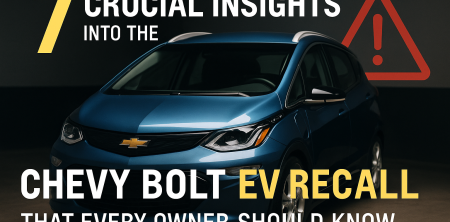
The automotive industry continues to evolve, with electric vehicles (EVs) making significant strides towards sustainability and reducing carbon footprints. However, with innovation comes challenges, and the recent Chevy Bolt EV recall highlights critical safety concerns that all current owners should be aware of. General Motors (GM) announced a recall involving Bolt EVs from the 2017 to 2022 model years and Bolt EUVs from 2022, primarily due to a risk of battery fires. The implications of this recall are profound, not just for safety but also for the broader perception of electric vehicles.
The Background of the Chevy Bolt EV Recall
The Chevy Bolt EV recall was initiated following several incidents where the lithium-ion batteries in these vehicles caught fire, raising alarms among owners and potential buyers alike. As more consumers turn towards electric vehicles, the risk associated with battery technology must be taken seriously. GM's decision to recall the affected models stems from a commitment to safety, as well as to protect their reputation in the increasingly competitive EV market.
The specific models under recall include all Bolt EVs manufactured between 2017 and 2022, as well as Bolt EUVs from 2022. This broad range indicates that multiple batches of batteries may have been affected by the same defect, which speaks to the urgency of the situation. GM advises owners to take immediate precautions, underscoring the potential danger posed by their vehicles.
Understanding the Battery Fire Risk
At the heart of the Chevy Bolt EV recall is a troubling risk: battery fires. This concern isn't limited to the Bolt; reports of EV fires have been a point of contention in the industry. According to the National Highway Traffic Safety Administration (NHTSA), lithium-ion batteries can be prone to thermal runaway, a phenomenon where a battery overheats and can ignite. The risk is exacerbated if batteries are charged incorrectly or left to drain too low.
GM's guidance to owners emphasizes the importance of proper charging practices. They recommend that Bolt owners cap their charging at 90 percent to minimize the risk of fire and avoid depleting the battery too low. Furthermore, GM advises that cars should be parked outside after charging to reduce the risk of potential fires spreading to buildings or other vehicles.
The Response from General Motors
GM's response to the Chevy Bolt EV recall has been one of transparency and urgency. The automaker has launched a dedicated website to provide affected owners with essential information about the recall process and steps to ensure their safety. This initiative shows a proactive effort to address concerns, reflecting GM's commitment to customer safety and satisfaction.
Furthermore, GM is engaged in an extensive investigation to determine the root cause of the battery issues. The company has collaborated with battery supplier LG Chem, which has been instrumental in the production of the battery cells for these models. This partnership aims to identify any manufacturing defects or design flaws that may have led to the fires.
Implications for Bolt Owners
The implications of the Chevy Bolt EV recall are profound for current owners. Many Bolt EV owners are understandably concerned about the safety of their vehicles. The recall has resulted in a flurry of questions, with owners seeking clarity on whether their vehicle is affected and how they can take appropriate precautions. GM's advisory has created an urgent need for information, as misinformed owners could inadvertently put themselves and others at risk.
Owners of the affected models are also encouraged to stay updated with GM's communications. The automaker has committed to providing regular updates on the recall status and any further guidance. Owners should take advantage of resources available through the official GM website, where they can enter their vehicle's VIN to check for recalls and safety alerts.
Public Perception and Reactions
The public's reaction to the Chevy Bolt EV recall has varied from concern to skepticism. Many potential buyers of electric vehicles might be deterred by the prospect of battery fires, highlighting a pressing need for education and reassurance. This kind of situation can lead to a lasting impact on consumer confidence in electric vehicles, especially those produced by established automakers like GM.
Moreover, social media platforms have become a battleground for discussions surrounding the safety of electric vehicles. Owners have shared their experiences with the recall, and many have expressed their frustrations regarding potential damage to the Bolt's reputation. While some have praised GM for its transparency, others worry that the risks associated with EV batteries are downplayed by manufacturers. (See: Chevy Bolt EV recall news.)
Expert Opinions on Battery Safety
Experts in the automotive and battery technology fields have weighed in on the implications of the Chevy Bolt EV recall. Many agree that while the risk of battery fires is real, it is essential to view the situation in the context of the broader electric vehicle market. "All battery technologies come with risks, and it is crucial for consumers to understand them fully," said Dr. Emily Carter, a renowned battery technology researcher.
Dr. Carter emphasizes that while incidents like the Bolt EV recall raise valid concerns, the overall safety record of electric vehicles is improving. Battery manufacturers are continually refining their technologies to enhance safety and performance. She urges both consumers and manufacturers to remain vigilant and proactive in addressing safety issues as they arise.
What to Do If You're Affected
If you own a Chevy Bolt EV or EUV, it is crucial to follow GM's guidance to mitigate the potential risks associated with the Chevy Bolt EV recall. Here are some actionable steps owners can take:
- Limit Charging: Cap your charging at 90% to reduce the risk of overheating.
- Avoid Over-Discharge: Do not let your battery drain to extremely low levels.
- Park Outside: After charging, always park your vehicle outside to avoid the risk of a fire spreading.
- Stay Informed: Regularly check the GM website for updates regarding your vehicle’s recall status.
- Utilize Resources: Use GM's VIN lookup tool to confirm if your vehicle is affected by the recall.
By adhering to these precautions, owners can ensure their safety and that of their surrounding environment until GM resolves these issues.
The Future of Electric Vehicle Safety
The Chevy Bolt EV recall serves as a reminder of the challenges that electric vehicle manufacturers face as they navigate a rapidly changing technological landscape. While incidents like these may shake consumer confidence, they also prompt critical discussions about battery safety standards in the automotive industry.
Moving forward, it is essential for automakers to invest in research and development to enhance battery safety further. Improvements in battery technology, such as solid-state batteries and better thermal management systems, could significantly mitigate the risks associated with EV batteries while maintaining performance and range.
As the industry anticipates future advancements, consumers can expect heightened scrutiny of battery safety protocols and stricter regulations. The lessons learned from the Chevy Bolt EV recall could pave the way for a safer electric vehicle landscape, ensuring that manufacturers prioritize consumer safety without compromising innovation.
Market Impact and Sales Trends
The Chevy Bolt EV recall has also had a significant impact on market dynamics and sales trends within the electric vehicle sector. Following the announcement of the recall, sales of the Chevy Bolt EV and EUV saw a noticeable decline. According to automotive analysts, the recall has led to a temporary decrease in consumer interest in GM's electric offerings, which poses a challenge as competition within the EV market intensifies.
Statistically, sales figures for the Bolt EV dropped by approximately 30% in the months immediately following the recall announcement. This decline can be attributed to heightened consumer concern over battery safety and the potential negative impact on GM's brand image. Additionally, competing EV manufacturers like Tesla and Ford have capitalized on GM's troubles, potentially attracting customers who might have considered the Bolt EV as an alternative.
In contrast, it is also noteworthy that the recall has prompted increased interest in the overall safety standards of electric vehicles. Consumers are more cautious and informed about battery technologies, leading to a potential shift in purchasing decisions toward brands that demonstrate robust safety records.
Financial Implications for General Motors
The financial repercussions of the Chevy Bolt EV recall extend beyond a simple decline in sales figures. General Motors faces potential costs associated with repairs, customer compensation, and legal liabilities. The recall affects a substantial number of vehicles, which translates into a significant financial burden.
Estimates suggest that GM may incur costs exceeding $1 billion to rectify the issues related to the recall. These expenses encompass expenses for battery replacements, software updates, and potential reimbursement for vehicle owners. Such costs could impact GM's profitability in the short term, potentially resulting in a revisiting of financial forecasts as the company navigates its way through the recall process. (See: safety concerns with battery technology.)
Furthermore, shareholders are likely to react to the announcement of the recall, with stock prices reflecting the impact of the situation. While GM has long-term goals of expanding its electric vehicle lineup, short-term confidence may waver as investors assess the fallout from the recall and its implications for the company’s market position.
Frequently Asked Questions About the Chevy Bolt EV Recall
What specific models are included in the recall?
The recall includes all Chevy Bolt EVs manufactured from 2017 to 2022 and the Bolt EUV from 2022.
How can I check if my Bolt EV is affected by the recall?
Owners can visit the official GM website and use the VIN lookup tool to determine if their vehicle is part of the recall.
What should I do if my vehicle is under recall?
If your vehicle is included in the recall, it is critical to follow GM's guidance on charging practices, park your vehicle outside after charging, and stay updated on the recall status via GM’s communications.
Will I incur costs for repairs related to the recall?
General Motors has committed to covering the costs associated with battery replacements and necessary repairs for affected vehicles.
What are the long-term implications of this recall for the electric vehicle market?
This recall could lead to increased scrutiny on battery safety across the industry, prompting manufacturers to enhance safety protocols and consumer education regarding EV technologies.
How has the recall affected consumer perceptions of electric vehicles?
Consumer perceptions may be impacted, leading to increased caution among potential buyers regarding battery safety, which underscores the need for manufacturers to build trust through transparency and safety measures.
Comparative Analysis of Battery Technologies in Electric Vehicles
Understanding the implications of the Chevy Bolt EV recall requires an examination of the broader landscape of battery technologies used in electric vehicles. While lithium-ion batteries are currently the most prevalent technology, several alternatives are being explored to enhance safety and performance.
For instance, solid-state batteries present a promising alternative that eliminates the flammable liquid electrolyte found in lithium-ion batteries. These batteries boast a higher energy density, longer lifespan, and significantly lower risk of fire. Companies like QuantumScape are pioneering solid-state battery technology, which could revolutionize the electric vehicle market if successfully commercialized.
Furthermore, advancements in lithium iron phosphate (LiFePO4) batteries are gaining traction. These batteries offer greater thermal stability and a lower risk of thermal runaway, making them potentially safer for electric vehicles. They are currently being adopted in models from manufacturers such as Tesla, which has begun integrating them into some of its lower-cost vehicles. (See: research on lithium-ion battery safety.)
Industry Response to the Recall
The Chevy Bolt EV recall has prompted a ripple effect across the automotive industry, leading to increased scrutiny of other electric vehicle manufacturers and their battery safety practices. Competitors in the electric vehicle space are taking proactive measures to reassure consumers about their battery safety. For instance, Tesla has emphasized its rigorous testing and quality control measures to mitigate similar risks.
Additionally, regulatory bodies are likely to respond with more stringent safety regulations for battery manufacturing and testing. This recall may serve as a catalyst for the National Highway Traffic Safety Administration (NHTSA) to implement enhanced guidelines for battery safety, ultimately benefiting consumers and manufacturers alike.
Future Trends in EV Battery Technology
As manufacturers and researchers continue to innovate, several trends are emerging in the realm of electric vehicle battery technology. The focus is increasingly on improving energy density while minimizing safety risks. The introduction of silicon anodes, for example, is expected to significantly increase battery capacity compared to traditional graphite anodes, thereby extending the driving range of electric vehicles.
Moreover, the integration of artificial intelligence and machine learning in battery management systems is anticipated to optimize charging practices and monitor battery health more effectively. This technology could help prevent issues before they escalate, reducing the likelihood of incidents that lead to recalls.
Incorporating these advancements will not only improve the safety of electric vehicles but also enhance their overall performance, making them a more appealing choice for consumers and solidifying their place in the automotive market.
Conclusion: The Way Forward
The Chevy Bolt EV recall is a pivotal moment in the ongoing evolution of electric vehicles. As GM and industry stakeholders work to address these safety concerns, it is crucial for consumers to stay informed and proactive. The recall highlights the importance of transparency in the automotive sector and reinforces the need for ongoing dialogue between manufacturers and consumers.
Ultimately, the goal is to foster a safer electric vehicle experience for all. By understanding the risks and following best practices, current owners can navigate this challenging landscape while keeping their vehicles safe. As the industry continues to innovate, let us all remain vigilant and engaged in shaping the future of electric mobility.
```
Trending Now
Frequently Asked Questions
What models are affected by the Chevy Bolt EV recall?
The Chevy Bolt EV recall affects all Bolt EVs manufactured between 2017 and 2022, as well as Bolt EUVs from 2022. This recall was initiated due to safety concerns related to battery fires.
What is the reason for the Chevy Bolt EV recall?
The recall was prompted by incidents of battery fires linked to lithium-ion batteries in the Chevy Bolt EV. General Motors announced the recall to ensure the safety of owners and to protect its reputation in the electric vehicle market.
How does the battery fire risk in Chevy Bolt EVs impact owners?
Owners of Chevy Bolt EVs should be aware of the battery fire risk as it poses a significant safety concern. GM advises immediate precautions to mitigate potential dangers associated with the vehicles.
What should Chevy Bolt EV owners do during the recall?
Chevy Bolt EV owners should follow General Motors' guidance regarding safety precautions. It's crucial to stay informed about the recall process and any steps needed to address the battery fire risk.
Are electric vehicles like the Chevy Bolt EV safe?
While electric vehicles like the Chevy Bolt EV offer significant sustainability benefits, the recall highlights that safety concerns, such as battery fire risks, must be taken seriously. Ongoing advancements in battery technology aim to improve overall safety.
What's your take on this? Share your thoughts in the comments below — we read every one.

