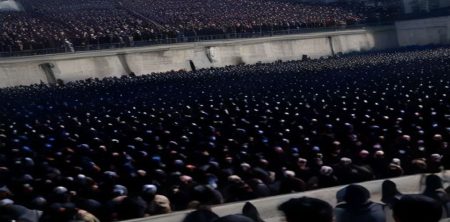
When you hear about students taking to the streets, often the first images that come to mind are grand political statements or national upheavals. But what if the catalyst for widespread unrest was something far more fundamental, something that strikes at the very core of their daily lives and future prospects? That's precisely what we're seeing play out with the recent wave of French student protests. Across several cities in France, students aren't just holding placards; they're setting fires, erecting blockades, and effectively shutting down their schools. Deutsche Welle News reported on this escalating situation, detailing how these actions, affecting over 1,000 schools nationwide, are a desperate cry for help against a backdrop of overcrowded classrooms, severe teacher shortages, and crumbling facilities.
It's easy to dismiss these actions as mere youthful rebellion, but that would be a grave mistake. These aren't isolated incidents; they're symptoms of a systemic illness in the education system, not just in France, but echoing similar struggles across the globe. As someone who has spent years in education, from K-12 classrooms to university deanships, I can tell you that when students feel their basic right to a quality education is being denied, their frustration can boil over into powerful, visible dissent. The French student protests serve as a stark reminder that neglecting the fundamentals of education – adequate staffing, manageable class sizes, and safe learning environments – has real, tangible consequences.
The Immediate Triggers: Overcrowding, Shortages, and Decay
Let's dissect the core grievances driving these French student protests. First, there's the issue of overcrowded classrooms. Imagine trying to learn, or teach for that matter, in a space designed for 20 students but crammed with 30 or even 40. This isn't just uncomfortable; it's detrimental to learning. Individual attention from teachers becomes a luxury, not a given. Discussions are harder to manage, and the sheer volume of students can make even basic classroom management a Herculean task. Research consistently shows that smaller class sizes correlate with better academic outcomes, especially for younger students and those from disadvantaged backgrounds. When class sizes balloon, the quality of instruction inevitably suffers, and students feel like just another face in the crowd.
Then there's the pervasive problem of teacher shortages. This isn't unique to France, as we'll explore, but it's hitting their system hard. A shortage of teachers means fewer specialized instructors, more reliance on substitute teachers (who may not have the same level of experience or subject matter expertise), and increased stress on the teachers who are still in the system. When a school can't fill critical teaching positions, students miss out on essential curriculum, or existing teachers are forced to take on extra classes, leading to burnout and a further exodus from the profession. It's a vicious cycle that degrades the learning experience for everyone involved.
Finally, the crumbling facilities. This might seem like a secondary concern, but it's incredibly important. How can students feel valued or motivated to learn in buildings with leaky roofs, broken heating systems, outdated technology, or inadequate ventilation? Dilapidated facilities are not just an aesthetic problem; they pose safety and health risks, create an uninspiring learning environment, and signal to students and staff alike that their well-being and education are not a priority. When students see their physical surroundings deteriorating, it reinforces the perception that the system is failing them.
A Global Echo: Similar Struggles in the United States
It would be a mistake to view the French student protests as an isolated phenomenon. The issues driving this unrest resonate deeply with challenges we face right here in the United States. Consider the situation in Berkeley, California, where an after-school program, a vital resource for working families and student enrichment, is grappling with significant staffing delays and high turnover. This isn't just an inconvenience; it means fewer opportunities for kids to get homework help, engage in enriching activities, or simply have a safe place to be after school. When these programs are understaffed, their quality diminishes, and they struggle to meet community needs.
Further east, in Fairfax County, Virginia, a school board member is actively advocating to end a teacher hiring freeze. This isn't a plea for more jobs; it's a direct response to staffing concerns that are already impacting students. A hiring freeze might look good on a budget sheet in the short term, but it has devastating long-term consequences. It exacerbates teacher shortages, increases class sizes, and puts immense pressure on existing staff. When experienced teachers leave or retire, and new ones can't be hired, the institutional knowledge and continuity of instruction suffer profoundly. These American examples are not as dramatic as setting fires, perhaps, but the underlying causes – inadequate funding, a lack of respect for the teaching profession, and a failure to prioritize student needs – are strikingly similar. (See: BBC coverage of French student protests.)
The Iran Connection: A Worldwide Crisis of Teacher Morale
The parallels extend even further, reaching across continents to Iran. There, the Education Ministry is in damage control mode, denying viral videos that purport to show teachers resigning en masse. The alleged reason? Poor wages and abysmal working conditions. While the veracity of the videos is disputed, the very fact that such claims gain traction speaks volumes about the global state of the teaching profession. Teachers everywhere are feeling undervalued, underpaid, and overworked. They are often asked to do more with less, to be educators, counselors, social workers, and sometimes even surrogate parents, all without adequate compensation or support. This isn't just about money; it's about dignity, respect, and the ability to live a decent life while performing one of society's most critical roles.
When teachers are forced to choose between their passion for education and their ability to provide for their families, the education system loses. The ripple effect is profound: fewer talented individuals enter the profession, experienced teachers leave prematurely, and the quality of instruction for students declines. The French student protests are a direct consequence of this global crisis in teacher morale and retention. Students know, perhaps instinctively, that a school without enough good teachers is a school that cannot serve them well. For more context, see Why French School Protests Are Exploding.
Why This Story Went Viral: Emotional Resonance and Direct Impact
The story of these French student protests, and indeed the broader issue of educational neglect, has gone viral for a very simple, yet powerful, reason: it hits home. It has an immense emotional resonance with three key groups: parents, students, and educators. Parents are naturally concerned about the quality of education their children are receiving. They want their kids to be in safe, well-resourced environments with dedicated teachers. When they hear about overcrowded classrooms or crumbling facilities, it taps into their deepest anxieties about their children's future and their ability to thrive.
For students, this isn't an abstract policy debate; it's their lived reality. They are the ones sitting in those cramped classrooms, experiencing the frustration of teacher absences, and navigating neglected school buildings. Their anger is raw and direct because they are the primary stakeholders whose daily lives are most directly impacted. And for educators, this story is a validation of their own struggles. They are on the front lines, witnessing the systemic failures firsthand, and often feeling unheard and unsupported. Seeing students take a stand, even through disruptive means, can be both heartbreaking and inspiring, signaling that the issues they've been voicing for years are finally being amplified. This direct impact on the quality of education makes it a topic that people simply cannot ignore.
The Erosion of Educational Equity: Who Suffers Most?
It's crucial to understand that the problems highlighted by the French student protests don't affect all students equally. The erosion of educational quality due to overcrowding, teacher shortages, and poor facilities disproportionately impacts students from disadvantaged backgrounds. Schools in lower-income areas, which often already struggle with funding and resources, are typically the first to experience the most severe manifestations of these issues. They are more likely to have larger class sizes, greater difficulty attracting and retaining qualified teachers, and older, less-maintained facilities.
This creates a widening achievement gap. Students from affluent families often have access to private schools, tutors, or additional educational resources that can compensate for shortcomings in the public system. But for students whose families cannot afford such alternatives, the public school is their only option. When that option is compromised, their opportunities for social mobility and future success are severely curtailed. The French student protests, while seemingly universal, are also a cry for educational equity, demanding that all students, regardless of their socioeconomic status, have access to a quality learning environment. It’s a fight against the systemic disadvantage that educational neglect perpetuates.
Beyond the Blockades: What Do Students Really Want?
While the immediate actions of the French student protests involve blockades and fires, it’s important to look beyond the surface to understand what these students are truly advocating for. They're not just complaining; they're demanding a return to foundational principles of a robust education system. They want adequate funding that translates into tangible improvements: more teachers, which means smaller class sizes and more individualized attention; better pay and working conditions for those teachers, ensuring that the best and brightest are attracted to and retained in the profession; and modern, safe, and inspiring learning environments that reflect the value placed on their education.
They also implicitly demand respect for their future. Students understand that a quality education is their ticket to opportunity, whether that's higher education, vocational training, or direct entry into the workforce. When the system fails to provide that, it feels like a betrayal of their potential. These protests, therefore, are not just about immediate discomfort; they are about securing a future that feels increasingly uncertain due to systemic neglect. It's a powerful message that adults in power need to listen to, not just dismiss as youthful exuberance. (See: New York Times article on education issues.)
The Role of Technology: A Double-Edged Sword
It's fascinating to consider the role technology plays in both exposing and potentially alleviating some of these issues. On one hand, social media platforms are instrumental in amplifying the French student protests, allowing students to organize, share their grievances, and garner international attention. Viral videos and online discussions quickly spread awareness, making it harder for authorities to downplay or ignore the situation. This digital connectivity gives student movements a power they might not have had a few decades ago.
On the other hand, technology also offers potential solutions. Online teacher training and certification programs could help address some aspects of teacher shortages, particularly in remote or underserved areas. Recruitment platforms for educational institutions can streamline the hiring process and connect schools with a wider pool of candidates. AI-powered tools, like my own Entelechy personal tutor, can supplement classroom instruction and provide individualized support, potentially mitigating some of the negative effects of overcrowded classrooms. However, it's crucial to remember that technology is a tool, not a panacea. It can enhance, but it cannot replace, the fundamental human element of a dedicated teacher in a well-resourced classroom. For more context, see France's Wild Student Protests: What's Really Fueling the Fire.
Monetizing the Crisis: Ethical Considerations and Opportunities
While the immediate focus of the French student protests is on addressing systemic failures, it’s also worth noting the economic implications and monetization opportunities that arise from such widespread educational crises. This might sound cynical, but where there are problems, there are often solutions that can be scaled and offered commercially. For example, the severe teacher shortages create a clear market for online teacher training and certification programs. As schools struggle to find qualified educators, flexible, accessible training pathways become invaluable. Platforms like Coursera or specific education-focused online universities could see increased demand.
Similarly, recruitment platforms specifically tailored for educational institutions become critical. My own P-20 Education Careers site is a testament to this need. Schools are desperate to find staff, and educators are looking for roles. A dedicated platform that efficiently connects the two fills a significant gap. Furthermore, content comparing teacher salaries and benefits across different regions or countries can be highly valuable. Teachers considering a move, or those advocating for better pay in their current location, would flock to such resources. However, it’s vital that any commercial ventures in this space operate ethically, genuinely aiming to solve problems rather than simply profit from distress. The ultimate goal should always be to improve educational outcomes, not just exploit a market gap.
The Broader Political and Social Context in France
To truly understand the intensity of the French student protests, we need to zoom out a bit and look at the broader political and social climate in France. These aren't just isolated educational grievances; they often intertwine with larger societal anxieties. French society has a long history of robust public services, and there's a strong cultural expectation that the state will provide high-quality education, healthcare, and other essential services. When these services, especially education, appear to be eroding, it strikes a deeper chord about the government's commitment to its citizens.
Recent years have seen other significant social movements in France, like the "Yellow Vest" protests, which were also fueled by a sense of economic injustice and a feeling that the government wasn't listening to the concerns of ordinary people. Students, particularly those from working-class or immigrant backgrounds, often feel the brunt of austerity measures and policy shifts that favor economic efficiency over social well-being. So, while the immediate triggers for the student protests are specific to education, the underlying current of frustration with governmental policies and a perceived decline in living standards and public services adds significant fuel to the fire. It's a manifestation of broader discontent, where education becomes a focal point for expressing wider grievances against the status quo.
Historical Precedents: French Student Activism Through the Decades
French student protests are not a new phenomenon; they're woven into the fabric of the nation's modern history. Understanding this context helps us appreciate the current situation's gravity. Think back to May 1968, when student-led protests in Paris escalated into a nationwide general strike, bringing France to a standstill and almost toppling Charles de Gaulle's government. Those protests, while starting with university reform demands, quickly grew to encompass broader social and political critiques, challenging traditional authorities and demanding greater freedoms. (See: Research on education system challenges.)
More recently, in 2006, massive student demonstrations opposed a new labor law (the Contrat Première Embauche or CPE) that would have made it easier to fire young workers. Students saw this as an attack on their job security and future prospects. Their sustained pressure, involving blockades and clashes, eventually forced the government to withdraw the controversial legislation. These historical examples show that French students have a powerful tradition of collective action and are often a bellwether for wider societal tensions. They're not afraid to take direct action, and when they do, governments often find themselves compelled to listen. The current wave of protests, therefore, stands on the shoulders of decades of effective student activism, indicating a deep-seated belief in the power of direct action to effect change.
Expert Perspectives: What Do Educators and Sociologists Say?
To get a fuller picture, it's helpful to consider what educators and sociologists are saying about these protests. Many education experts echo the sentiment that these actions are a predictable outcome of prolonged underinvestment. They'll point to studies showing the long-term economic and social costs of neglecting public education, arguing that short-sighted budget cuts only create bigger problems down the line. Sociologists often frame these protests as a form of "collective action" where shared grievances, when they reach a critical mass, can ignite widespread social movements. They might also highlight the role of social identity – students identifying as a cohesive group with shared interests and a common adversary (the government or educational bureaucracy).
From a policy standpoint, some experts suggest that France needs to move beyond reactive measures and engage in a comprehensive, long-term strategic plan for education. This would involve not just funding increases but also reforms in teacher training, curriculum development, and school governance. There's a consensus that ignoring the root causes will only lead to more protests, more disruption, and ultimately, a less educated and less engaged populace. As someone who has been in educational leadership roles, I know firsthand that quick fixes rarely solve deep-seated problems; genuine reform requires commitment and collaboration from all stakeholders.
The Long Road Ahead: Sustained Advocacy and Systemic Change
The French student protests are a powerful, if disruptive, call for change. But the real work begins long after the blockades are cleared and the fires are extinguished. Achieving sustained systemic change requires more than just student activism; it demands consistent advocacy from parents, educators, community leaders, and policymakers. It means re-evaluating national priorities, ensuring that education receives adequate and equitable funding, and making the teaching profession an attractive and respected career choice once again.
This isn't just about throwing money at the problem, though increased investment is undoubtedly part of the solution. It's about rethinking how we train, support, and compensate our educators. It's about designing school environments that are conducive to learning and well-being. And it's about listening to the voices of students, who are, after all, the ultimate beneficiaries—or victims—of the decisions we make today. The current situation in France is a stark warning: ignore the foundational needs of your education system at your peril. The students are speaking, and it's time we truly listened and acted.
Trending Now
Frequently Asked Questions
What are the main reasons for the French student protests?
The French student protests are primarily driven by overcrowded classrooms, severe teacher shortages, and deteriorating school facilities. Students are expressing their frustrations over these systemic issues, which they believe hinder their right to a quality education.
How are the protests affecting French schools?
The protests have led to significant disruptions, affecting over 1,000 schools nationwide. Students are engaging in actions like setting fires and erecting blockades, effectively shutting down educational activities as a form of protest against their challenging learning environments.
Are the French student protests a sign of a larger issue?
Yes, the protests reflect deeper systemic problems within the education system, not only in France but globally. They highlight the urgent need for reforms to ensure adequate staffing, manageable class sizes, and safe learning environments.
What impact do overcrowded classrooms have on students?
Overcrowded classrooms significantly hinder the learning process. With too many students in a single space, individual attention from teachers becomes rare, making it difficult for students to engage fully and receive the support they need to succeed academically.
What can be done to address the issues raised by the protests?
Addressing the issues requires systemic reforms, including increasing funding for education, hiring more teachers, reducing class sizes, and improving school facilities. Ensuring a supportive and safe learning environment is crucial for the well-being and success of students.
What's your take on this? Share your thoughts in the comments below — we read every one.

