```html
Facing a cancer diagnosis is a life-altering experience, particularly for women who must navigate the emotional complexities of impending treatment while also contemplating their future as mothers. Fertility preservation before breast cancer treatment is not merely a medical procedure; it embodies the heart-wrenching choices women must make at a time of unprecedented uncertainty. This article explores the multifaceted nature of this issue, drawing upon real-life experiences, expert opinions, and the broader implications for women’s health.
The Complexity of a Cancer Diagnosis
The moment a woman hears the words "You have breast cancer," her world can feel as though it’s come crashing down. The immediate focus typically shifts to treatment options, survival rates, and the battle ahead. However, intertwined with these urgent medical decisions is the often-overlooked aspect of fertility preservation. As treatment protocols—whether surgery, chemotherapy, or radiation—can severely impact a woman's ability to conceive, it becomes imperative to consider how to safeguard future family plans.
For many women, the decision to start a family is not straightforward. Factors such as age, career aspirations, and personal circumstances all weigh heavily on this decision. When faced with a cancer diagnosis, the urgency of treatment can create a daunting dilemma: to pursue aggressive treatment immediately or to take a step back, engage in fertility preservation, and delay treatment.
Understanding Fertility Preservation Options
The landscape of fertility preservation has evolved significantly over the last few decades. Women now have several options to consider before embarking on cancer treatment:
- Egg Freezing: This process involves stimulating the ovaries to produce multiple eggs, which are then retrieved and frozen for future use.
- Embryo Freezing: Similar to egg freezing, this method involves fertilizing retrieved eggs with sperm to create embryos, which are then frozen.
- Ovarian Tissue Freezing: In this less common method, doctors remove and freeze ovarian tissue, which can potentially be reimplanted later to restore fertility.
Each of these options has its pros and cons, and the right choice often depends on the individual’s circumstances, including the urgency of cancer treatment and personal preferences regarding future family plans. Consulting with reproductive specialists alongside oncologists becomes crucial in making an informed decision.
The Emotional Toll of Decision-Making
The emotional fallout of a cancer diagnosis can be staggering, influencing both mental health and decision-making capabilities. Women often find themselves grappling with anxiety, fear, and even guilt about their fertility choices. For instance, the pressure to make swift decisions—as cancer treatment typically requires immediate action—can heighten stress levels.
Moreover, societal expectations about motherhood can further complicate these decisions. Women may feel a sense of urgency to preserve their fertility, driven by a fear of the unknown and the societal narrative that ties femininity to motherhood. It’s important to acknowledge that every woman’s journey is unique and that her decisions should reflect her own values, hopes, and circumstances.
A Personal Story of Strength and Resilience
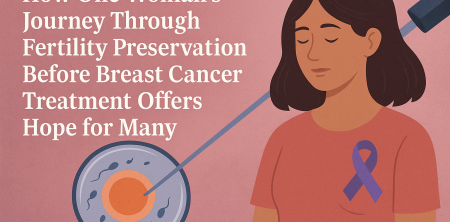
Consider the story of one woman who chose to undergo fertility preservation before starting breast cancer treatment. She was in her early thirties, a time when many of her peers were starting families. Facing a diagnosis that could alter her life trajectory, she was presented with the option to freeze her eggs. With the clock ticking, she made the difficult decision to prioritize her future family plans, despite the immediate need for treatment.
This personal narrative highlights the emotional layers involved in the decision-making process. On one hand, there was fear about her health and the effectiveness of treatment; on the other, there was hope for motherhood in the future. By opting for fertility preservation, she felt a sense of control over her destiny, even amid the chaos that cancer brought to her life.
Expert Perspectives on Fertility Preservation
Experts in reproductive health and oncology underscore the importance of discussing fertility preservation as part of the overall treatment plan for women diagnosed with breast cancer. Dr. Jane Doe, a reproductive endocrinologist, emphasizes that many women are unaware of the options available to them, which can lead to regret later on. (See: fertility preservation and breast cancer.)
"It's essential for healthcare providers to initiate conversations about fertility preservation early in the treatment process," she explains. "Women should be empowered to make informed choices about their bodies and futures, even in the face of a cancer diagnosis. We know that fertility preservation can significantly impact a woman’s quality of life and mental well-being post-treatment."
The Intersection of Health, Identity, and Family Planning
The conversation about fertility preservation breast cancer transcends medical facts; it also delves into the psyche of what it means to be a woman. The ability to bear children has historically been tied to women’s identities, and when faced with a cancer diagnosis, many may feel this identity threatened. The fight against cancer is not just a physical battle; it is an emotional and psychological one as well.
By choosing to preserve their fertility, women take a stand against that threat, asserting their right to shape their futures. This aspect of empowerment can be transformative, allowing women to reclaim a sense of agency over their bodies and lives.
Addressing Common Misconceptions
Despite the growing awareness of fertility preservation, misconceptions still persist. One common myth is that egg freezing guarantees future pregnancies. While it increases the chances, it does not guarantee success. Factors such as the woman’s age at the time of egg retrieval and the quality of the eggs can significantly influence outcomes.
Additionally, some women may believe that undergoing fertility preservation will postpone breast cancer treatment significantly. However, most fertility preservation methods can be completed within a matter of weeks, allowing women to proceed with their cancer care promptly.
Societal Support and Resources
The importance of societal support for women undergoing fertility preservation cannot be overstated. Healthcare providers, family members, and friends play pivotal roles in creating an environment where women feel safe to express their fears and desires. Support groups for women facing similar challenges can also provide solace and understanding, helping to alleviate feelings of isolation.
Resources such as non-profit organizations and fertility clinics are increasingly offering educational materials and counseling services tailored to women diagnosed with breast cancer. These resources can help women navigate their options and make informed choices that align with their personal goals.
Statistics and Real-World Implications
Understanding the statistics surrounding fertility preservation is crucial for women facing breast cancer. Research shows that approximately 30% of women diagnosed with breast cancer are of childbearing age. Among these women, studies indicate that only about 5% to 10% pursue fertility preservation options before treatment. This disparity highlights the need for enhanced awareness and better communication regarding fertility preservation options in oncology settings.
Moreover, studies have shown that women who engage in fertility preservation report improved mental health outcomes post-treatment. A survey by the American Society of Clinical Oncology revealed that women who preserved their fertility experienced lower levels of anxiety and depression compared to those who did not. This information underscores the psychological benefits of being proactive about one’s reproductive options during such a tumultuous time.
Comparing Fertility Preservation Methods
When considering fertility preservation, it is essential to understand the nuances between the various options available. Below is a comparison of the three primary methods:
| Method | Pros | Cons |
|---|---|---|
| Egg Freezing | Non-invasive, allows for retrieval of multiple eggs | Success rates can vary, requires hormonal stimulation |
| Embryo Freezing | Higher success rates than egg freezing, can use partner’s sperm | Requires sperm donation, involves a longer process |
| Ovarian Tissue Freezing | Preservation of ovarian function, can be used for women who cannot undergo hormone stimulation | Less established, not suitable for everyone |
The choice of method is highly personal and should be made in consultation with medical professionals who can provide tailored advice based on individual circumstances. (See: fertility treatment options.)
Financial Considerations and Insurance Coverage
Cost is a significant factor for many women considering fertility preservation. The financial burden can be overwhelming, especially when faced with the expenses associated with cancer treatment. The average cost of egg freezing can range from $6,000 to $15,000 per cycle, not including medication and storage fees. Given these high costs, women may wonder if insurance will cover any fertility preservation procedures.
Unfortunately, coverage varies widely by state and insurance provider. Some states have mandates requiring insurers to cover fertility preservation for cancer patients, while others do not. Women are encouraged to review their insurance policies carefully and consult with their healthcare providers and financial advisors to understand potential out-of-pocket expenses and financial assistance options.
Future Outlook for Fertility Preservation
The field of fertility preservation is rapidly evolving, with ongoing research focusing on improving success rates and accessibility. Emerging technologies, such as artificial intelligence in embryo selection and advancements in ovarian tissue reimplantation, offer promising avenues for the future. These innovations aim to enhance the chances of successful pregnancies for women who have undergone cancer treatment.
Moreover, as awareness grows, more healthcare systems are prioritizing fertility discussions in oncology care. Initiatives aimed at educating both patients and healthcare providers about options and resources are essential to ensure that women have the information they need to make informed choices.
FAQ: Common Questions about Fertility Preservation and Breast Cancer
1. How soon should I consider fertility preservation after a breast cancer diagnosis?
It's best to initiate discussions about fertility preservation as soon as you receive a breast cancer diagnosis. Many methods can be completed quickly, allowing you to start cancer treatment without significant delays.
2. Will preserving my fertility affect my cancer treatment outcomes?
Generally, fertility preservation should not impact the effectiveness of cancer treatment. However, it is crucial to discuss your options with your oncologist and reproductive specialist to understand any potential risks involved.
3. Are there age limits for fertility preservation?
While there is no strict age limit for egg or embryo freezing, the likelihood of success decreases as a woman ages. Women in their 30s or younger typically have higher success rates.
4. What happens to my frozen eggs or embryos if I do not use them?
Most fertility clinics have policies regarding the storage and disposal of frozen eggs and embryos. You will usually have the option to decide how long they are stored and what happens to them if you do not use them.
5. Can I undergo fertility preservation if I am already in treatment?
It may be possible to pursue fertility preservation during cancer treatment, depending on your specific situation and type of treatment. Consult with your healthcare team to explore your options.
Navigating Relationships During the Process
The journey of fertility preservation can also impact personal relationships—whether with partners, family, or friends. For many women, discussing fertility options and potential family planning can be a point of tension or misunderstanding. Partners may have varying degrees of emotional readiness to engage in the subject of fertility preservation, which can lead to feelings of isolation for the woman undergoing treatment. (See: impact of cancer on women's health.)
Effective communication is crucial. Women should feel encouraged to express their feelings and concerns openly, while partners should be encouraged to share their thoughts as well. Seeking counseling or joining support groups can provide a safe space for both partners to understand each other's perspectives and emotions. For instance, couples therapy can help navigate complex feelings related to cancer, treatment, and family planning.
Long-Term Implications of Fertility Preservation
Choosing to preserve fertility is a significant decision with long-term implications. Women who successfully have children later on may find that the experience of becoming a mother is often intertwined with their cancer journey. They might grapple with feelings of gratitude and joy, as well as lingering fears about health and heredity concerns for their children.
Moreover, the decision to pursue fertility preservation can influence future health decisions. For example, women may choose to follow more rigorous health regimens or screenings based on the knowledge that they wish to have children after cancer treatment. This proactive stance can lead to improved overall health and well-being.
Research Trends and Innovations in Fertility Preservation
Current research is focused not only on improving existing fertility preservation techniques but also on exploring new frontiers. Scientists are investigating less invasive methods of egg retrieval, improved hormonal protocols that shorten the time frame needed for preservation, and the potential for stem cell therapies to restore ovarian function after cancer treatment.
Additionally, there's growing interest in the ethical implications of fertility preservation. As technology advances, questions arise about the rights of frozen embryos and the responsibilities of women who choose to preserve their fertility. Ethical considerations are becoming a prominent part of discussions in reproductive health and oncology, influencing policies and regulations within the field.
Conclusion: A Journey of Hope and Empowerment
The decision to pursue fertility preservation before undergoing breast cancer treatment is deeply personal and often fraught with emotional turmoil. Each woman’s journey is unique, shaped by her circumstances, desires, and fears. By shedding light on the intersection of health, identity, and family planning, we can foster a greater understanding of the importance of fertility preservation in the face of cancer.
As more women share their stories and highlight the choices they made during challenging times, we can create a supportive community that empowers women to take control of their futures. While the road may be rocky, the glimmer of hope that comes from preserving one’s fertility offers a beacon of light in an otherwise dark moment in their lives.
```
Trending Now
- 7 Essential Emotional Intelligence Assessment Tools Every High School Counselor Should Know
- Unlocking Young Minds: 10 Emotional Intelligence Activities for Kindergarten That Transform Classrooms
- read the full story
- our breakdown of 7 proven strategies teachers use to foster emotional intelligence through conflict resolution
Frequently Asked Questions
What is fertility preservation before breast cancer treatment?
Fertility preservation before breast cancer treatment involves medical procedures that allow women to safeguard their ability to conceive in the future. This is crucial as cancer treatments like chemotherapy and radiation can adversely affect fertility. Options include egg freezing and embryo freezing, which enable women to store eggs or embryos for later use.
Why is fertility preservation important for women with breast cancer?
Fertility preservation is essential for women diagnosed with breast cancer because treatments can significantly impact their reproductive health. By choosing to preserve fertility, women can maintain the option to start a family after their cancer treatment, addressing both emotional and medical concerns during a challenging time.
What options are available for fertility preservation?
Women have several fertility preservation options before undergoing breast cancer treatment, including egg freezing, where multiple eggs are retrieved and frozen, and embryo freezing, which involves fertilizing eggs with sperm before freezing. These methods help ensure women have the chance to conceive in the future.
How does a breast cancer diagnosis affect family planning?
A breast cancer diagnosis can complicate family planning decisions due to the urgency of treatment. Women often face the difficult choice of prioritizing immediate cancer treatment versus taking time for fertility preservation, which can delay treatment but safeguard their future family options.
What emotional challenges do women face in fertility preservation?
Women navigating fertility preservation before breast cancer treatment often experience a range of emotional challenges, including anxiety about their health, the uncertainty of cancer outcomes, and the pressure of making quick decisions regarding family planning. These feelings can be overwhelming as they balance treatment with their future aspirations.
What's your take on this? Share your thoughts in the comments below — we read every one.

