```html
Ultraprocessed foods have become a focal point of intense debate and scrutiny in the realms of food politics and nutrition. As consumers become increasingly aware of the potential health risks associated with these products, the discourse surrounding them has grown more passionate. From confusion over food labels to fears about long-term health consequences, ultraprocessed foods are at the center of a perfect storm of misinformation and commercial influence. In this article, we will explore the complexities surrounding ultraprocessed foods, shedding light on their implications for public health, the ongoing political debates, and how consumers can navigate the confusion.
What Are Ultraprocessed Foods?
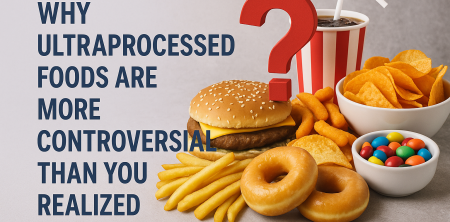
Ultraprocessed foods are defined as food products that undergo extensive industrial processing and contain ingredients not typically found in a home kitchen. These may include artificial flavors, colorings, emulsifiers, sweeteners, and preservatives. Examples of ultraprocessed foods range from sugary cereals and soft drinks to packaged snacks and ready-to-eat meals. The common thread among these products is their high levels of sugar, salt, and unhealthy fats, which contribute to their appeal while raising concerns about their impact on health.
According to a study published in the American Journal of Preventive Medicine, the consumption of ultraprocessed foods has been linked to an increased risk of obesity, heart disease, and diabetes. This alarming trend has sparked fears among consumers about the safety of their dietary choices. As such, understanding what constitutes ultraprocessed foods is essential for making informed dietary decisions.
The Rise of Ultraprocessed Foods in the Modern Diet
Over the past few decades, ultraprocessed foods have infiltrated our diets to an unprecedented degree. According to data from the National Health and Nutrition Examination Survey, more than 60% of the calories consumed in the average American diet come from ultraprocessed foods. This staggering statistic underscores the extent to which these products have replaced whole foods, which are typically more nutrient-dense and beneficial for health.
The rise of ultraprocessed foods can be attributed to several factors, including busy lifestyles, convenience, and aggressive marketing strategies by food companies. Many individuals and families turn to these products for quick meals, as they often require minimal preparation and come in convenient packaging. However, as convenience becomes a priority, the nutritional value of our food choices can suffer significantly.
The Emotional Hook: Why Consumers Care
The discourse surrounding ultraprocessed foods is often charged with emotional weight. As consumers become more aware of the potential health risks, fears about the implications of these foods on their long-term well-being amplify. The emotional hook is evident in the conversations about ultraprocessed foods; many individuals worry that what they consume daily might be causing harm in ways they do not fully understand.
This emotional connection to food choices is part of what makes discussions about ultraprocessed foods go viral. Social media platforms are flooded with posts sharing personal stories, testimonials, and alarming statistics related to ultraprocessed food consumption. Such content resonates with a wide audience, creating a sense of urgency and concern that encourages people to engage with the topic and share their thoughts.
Health Risks Associated with Ultraprocessed Foods
Research indicates that diets high in ultraprocessed foods are linked to a myriad of health issues. Studies published in reputable journals such as The Lancet have shown that ultraprocessed food consumption may lead to weight gain, an increased risk of chronic diseases, and even mental health issues.
One significant concern is the role these foods play in the obesity epidemic. A meta-analysis published in the journal Obesity Reviews found a consistent association between high ultraprocessed food intake and increased body mass index (BMI) among diverse populations. The convenience and palatability of these foods often lead to overconsumption, as they are designed to be highly appealing and easy to eat.
Label Confusion: The Misinformation Dilemma
One of the critical challenges consumers face when navigating the world of ultraprocessed foods is label confusion. Food marketing tactics often mislead consumers into believing they are making healthier choices when, in reality, they are consuming ultraprocessed products laden with additives and preservatives. Terms like 'natural,' 'organic,' or 'whole grain' can distract from the reality of the ultraprocessed nature of many products. (See: study on ultraprocessed foods and health.)
- Labeling Issues: Food labels often do not provide clear information about the processing level of ingredients, which can leave consumers in the dark about what they are really consuming.
- Health Claims: Many ultraprocessed foods carry health claims that can mislead consumers into believing they are healthier options.
- Ingredient Lists: Long ingredient lists filled with unrecognizable additives can create confusion for consumers trying to make informed choices.
This confusion is exacerbated by the influence of marketing, which can perpetuate myths about what constitutes a healthy diet. The political and commercial forces at play in the food industry further complicate the matter, as food companies prioritize profit over public health.
The Political Landscape Surrounding Ultraprocessed Foods
The discussion surrounding ultraprocessed foods is not just about individual health; it is also a political issue. The food industry wields significant power in shaping food policy and regulations in many countries. Lobbying by food companies can affect how ultraprocessed foods are marketed, the labeling requirements, and even dietary guidelines.
In various instances, political decisions regarding food can lead to outcomes that may not prioritize public health. For example, the lack of strict regulations on food marketing to children raises concerns that young audiences are targeted with advertisements for unhealthy ultraprocessed foods. Studies show that children exposed to these marketing strategies are more likely to develop unhealthy eating habits, setting the stage for lifelong dietary challenges.
Consumer Awareness and Action
As the awareness of the risks associated with ultraprocessed foods grows, consumers are taking action to modify their food choices. Many people are turning to fresh, whole foods as an alternative to the convenience of ultraprocessed options. Building a diet focused on whole foods can help mitigate health risks while promoting overall well-being.
Here are several actionable strategies consumers can implement to reduce their consumption of ultraprocessed foods:
- Read Labels: Take the time to understand food labels, focusing on ingredient lists and nutritional information.
- Cook at Home: Preparing meals at home allows for greater control over ingredients, making it easier to avoid ultraprocessed foods.
- Plan Meals: Meal planning can help reduce the temptation of reaching for quick, ultraprocessed options when time is tight.
- Increase Awareness: Stay informed about the latest research and recommendations regarding ultraprocessed foods and nutrition.
Expert Perspectives on Ultraprocessed Foods
Experts in nutrition and public health have weighed in on the issue of ultraprocessed foods, advocating for greater awareness and action. Many nutritionists emphasize the importance of reducing ultraprocessed food consumption to improve overall health outcomes. Dr. Marion Nestle, a prominent food politics expert, frequently discusses the roles of policy and consumer behavior in shaping dietary habits.
According to Dr. Nestle, "We need to prioritize whole, minimally processed foods and educate consumers about the risks associated with ultraprocessed products. The influence of food marketing cannot be overstated; it creates a culture that often normalizes unhealthy eating habits."
Additionally, public health advocates call for stronger regulations on food advertising, particularly in relation to children, arguing that children should be shielded from misleading marketing tactics that promote ultraprocessed foods.
The Future of Ultraprocessed Foods
The trajectory of ultraprocessed foods in our diets raises crucial questions about the future of public health. As consumer demand shifts toward healthier options, food companies may be compelled to reformulate their products. There is a growing trend toward transparency in food labeling, which may result in clearer information about the processing levels of various products.
However, for significant change to occur, consumers must remain vigilant and advocate for policies that prioritize public health over corporate interests. By supporting movements that promote whole foods and reduce ultraprocessed food consumption, individuals can influence the trajectory of the food landscape.
Consumer Trends and Market Response
As awareness of the health risks associated with ultraprocessed foods grows, consumer behavior is shifting. A report from the Food Industry Association indicates a marked increase in demand for organic, non-GMO, and minimally processed foods. This growing market trend indicates that consumers are beginning to prioritize health over convenience.
Food companies are taking note of this shift. Many brands are reformulating their products to include more whole ingredients and fewer additives. For example, major cereal brands are beginning to offer options with whole grains and reduced sugar content. The increase in plant-based products is also a response to consumer demand for healthier, less processed options. (See: CDC on ultraprocessed foods.)
Statistics on Ultraprocessed Food Consumption
Understanding the scope of ultraprocessed food consumption is crucial for grasping its impact on public health. According to a report by the World Health Organization (WHO), ultraprocessed foods account for an estimated 25% to 50% of total energy intake in various countries. This statistic highlights the prevalence of these foods in modern diets and underscores the urgency of addressing their health implications.
Furthermore, a systematic review published in the British Journal of Nutrition shows that each additional serving of ultraprocessed foods consumed daily is associated with a 10% increase in the risk of developing obesity. This statistic emphasizes the direct correlation between ultraprocessed food intake and obesity rates, reinforcing the need for informed dietary choices.
Comparing Ultraprocessed Foods to Whole Foods
To better understand the implications of ultraprocessed foods, it is essential to compare them with whole foods. Whole foods, such as fruits, vegetables, whole grains, nuts, and legumes, are minimally processed and retain their natural nutrients. In contrast, ultraprocessed foods often contain a range of additives that can have detrimental effects on health.
For example, a cup of fresh spinach contains vitamins A, C, and K, as well as several minerals, while a serving of ultraprocessed spinach dip may include artificial preservatives, excessive sodium, and unhealthy fats. In many cases, the caloric density of ultraprocessed foods is significantly higher than that of whole foods, leading to overconsumption and nutritional deficiencies.
FAQ: Ultraprocessed Foods
What are the main characteristics of ultraprocessed foods?
Ultraprocessed foods typically contain ingredients that you wouldn’t find in a home kitchen, such as artificial additives, sweeteners, and emulsifiers. They often undergo extensive industrial processing and have high levels of sugar, unhealthy fats, and salt.
How can I identify ultraprocessed foods when shopping?
Look for long ingredient lists that include unfamiliar ingredients or additives. If a product is marketed as 'natural' or 'organic' but contains many additives, it’s likely ultraprocessed. Reading labels is key to identifying these foods.
Are all processed foods unhealthy?
No, not all processed foods are unhealthy. Foods like frozen vegetables or canned beans are minimally processed and can be part of a healthy diet. The concern primarily lies with ultraprocessed foods that are high in additives and low in nutritional value.
What health issues are associated with a diet high in ultraprocessed foods?
Research links high consumption of ultraprocessed foods to obesity, heart disease, diabetes, and mental health issues. They may contribute to inflammation and metabolic syndrome, which can further exacerbate health issues.
How can I reduce my intake of ultraprocessed foods?
To reduce intake, focus on meal planning and preparation with whole foods. Reading labels, cooking at home, and increasing your consumption of fresh fruits and vegetables can help you minimize ultraprocessed food consumption.
Strategies for Making Healthier Food Choices
In addition to being aware of ultraprocessed foods, implementing practical strategies can help you make healthier food choices. Here are several actionable tips to guide you: (See: WHO fact sheet on healthy diet.)
- Engage in Meal Prep: Planning and preparing your meals in advance can significantly reduce the temptation to reach for ultraprocessed options when hunger strikes.
- Snack Wisely: Opt for nutritious snacks such as nuts, yogurt, or fruit instead of reaching for chips and cookies. This small change can make a big difference in overall health.
- Explore Cooking Classes: Learning how to cook can empower you to prepare meals from whole ingredients, enhancing your cooking skills and confidence in the kitchen.
- Join a Community Supported Agriculture (CSA): Participating in a CSA can provide you with fresh produce regularly, encouraging you to incorporate more fruits and vegetables into your diet.
- Limit Eating Out: Restaurant meals often consist of ultraprocessed foods. By limiting dining out, you can better control what goes into your meals.
Understanding the Global Perspective on Ultraprocessed Foods
Ultraprocessed foods are not just a concern in the United States; they are a global issue. In many countries, particularly in lower- and middle-income nations, the consumption of ultraprocessed foods is on the rise due to globalization, urbanization, and aggressive marketing strategies by multinational food corporations. This shift can lead to a double burden of malnutrition—where obesity and undernutrition coexist.
For example, in Brazil, the rapid increase in ultraprocessed food consumption has been linked to rising obesity rates among children and adolescents. The Brazilian government has recognized this trend and has implemented public health policies aimed at promoting healthy eating, including initiatives to limit food advertising targeted at children.
In contrast, countries such as Japan have maintained lower levels of ultraprocessed food consumption by promoting traditional dietary practices and focusing on fresh, seasonal ingredients. Such approaches underscore the importance of cultural factors and national policies in shaping dietary habits and health outcomes.
The Role of Education in Combating Ultraprocessed Foods
Education plays a critical role in empowering consumers to make informed choices about their diets. Schools, healthcare providers, and community organizations can provide valuable resources and workshops aimed at teaching individuals about nutrition, cooking skills, and the implications of ultraprocessed food consumption.
For instance, incorporating nutrition education into school curriculums can foster a generation of children who are aware of healthy eating habits from a young age. Additionally, public health campaigns that emphasize the dangers of ultraprocessed foods can raise awareness and encourage individuals to prioritize healthier dietary choices.
Conclusion: Embracing a Healthier Future
The conversation surrounding ultraprocessed foods is more than just a discussion about diet; it encompasses issues of public health, consumer rights, and political influence. Understanding the implications of ultraprocessed foods enables consumers to make informed choices that contribute to their well-being.
As we look toward the future, embracing a diet rich in whole, minimally processed foods can pave the way for healthier lifestyles. By remaining aware of the potential risks associated with ultraprocessed foods and advocating for a food system that prioritizes health, consumers can take an active role in shaping their dietary landscape. The time for change is now, and every informed choice counts.
```
Trending Now
Frequently Asked Questions
What are ultraprocessed foods?
Ultraprocessed foods are food products that have undergone extensive industrial processing and contain ingredients not typically found in a home kitchen. These include artificial flavors, colorings, sweeteners, and preservatives, often leading to high levels of sugar, salt, and unhealthy fats.
Why are ultraprocessed foods controversial?
Ultraprocessed foods are controversial due to their association with health risks such as obesity, heart disease, and diabetes. As consumers become more aware of these risks, debates around food labeling and the influence of commercial interests intensify.
What are the health risks of consuming ultraprocessed foods?
Consumption of ultraprocessed foods has been linked to increased risks of obesity, heart disease, and diabetes. These products are typically high in sugar, salt, and unhealthy fats, contributing to negative health outcomes over time.
How can consumers identify ultraprocessed foods?
Consumers can identify ultraprocessed foods by looking for products with long ingredient lists that include artificial additives like flavors, colorings, and preservatives. If the ingredients are not commonly found in home cooking, the food is likely ultraprocessed.
What is the impact of ultraprocessed foods on public health?
The rise of ultraprocessed foods in diets has significant implications for public health, contributing to rising rates of obesity and chronic diseases. This trend raises concerns about dietary choices and the need for better food education and labeling.
Agree or disagree? Drop a comment and tell us what you think.

