```html
Food safety is a pressing global health issue that impacts millions of people every year. The World Health Organization (WHO) estimates that around 866 million individuals fall ill due to consuming contaminated food annually, leading to an alarming 1.52 million deaths, with young children under the age of five disproportionately affected. With the financial burden of unsafe food costing the world over US$310 billion each year in productivity and medical expenses, understanding food safety guidelines is not just important; it’s essential.
This article delves into eight essential food safety guidelines that can help protect you and your loved ones from foodborne illnesses. Knowledge is the first step towards prevention, and by following these guidelines, you can make informed decisions about the food you consume.
1. Understand the Importance of Food Safety
Food safety is vital for everyone. The facts are staggering: millions get sick from foodborne diseases every year, and a significant percentage of these cases stem from improper food handling and storage. Unsafe food can lead to illnesses ranging from mild gastrointestinal distress to severe, life-threatening conditions. Understanding food safety guidelines is crucial in mitigating these risks.
Contaminated food can harbor various pathogens, including bacteria like Salmonella, E. coli, and Listeria, as well as viruses and parasites. The WHO has identified 42 key food hazards that contribute to foodborne illnesses, emphasizing the need for awareness and proactive measures to ensure food safety.
2. Clean: Always Wash Your Hands and Surfaces
The first step in food safety is cleanliness. Always wash your hands with soap and water for at least 20 seconds before handling food. This simple act can significantly reduce the risk of transferring harmful microorganisms to your food. Additionally, surfaces, utensils, and cutting boards should be cleaned regularly, ideally after preparing each type of food, especially when switching from raw to cooked items.
Using separate cutting boards for raw meats and vegetables can help prevent cross-contamination. It’s also a good idea to sanitize surfaces after using them to prepare food. A quick solution can be made at home using a mixture of water and bleach or by using commercial sanitizers specifically designed for kitchen use.
3. Separate: Avoid Cross-Contamination
Cross-contamination is a major contributor to foodborne illnesses. This occurs when harmful bacteria are transferred from one food item to another, often through cutting boards, utensils, or hands. To mitigate this risk, it’s essential to keep raw meat, poultry, seafood, and eggs separate from other foods, especially those that won’t be cooked.
Labeling food storage containers and using color-coded cutting boards can help keep track of which items can come into contact with each other. When shopping, ensure that raw foods are stored separately in your cart and at home in the refrigerator, ideally at the bottom to prevent drips onto other foods.
4. Cook: Ensure Proper Cooking Temperatures
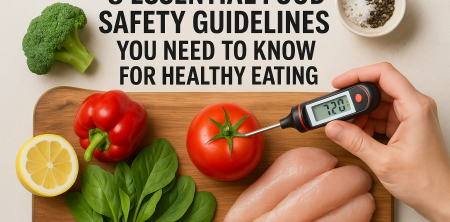
Cooking food to the proper temperature is one of the most effective ways to kill harmful pathogens. Use a food thermometer to check that meat, poultry, seafood, and egg dishes reach the recommended internal temperatures. For example, poultry should be cooked to at least 165°F (75°C), while ground meats should reach 160°F (71°C).
Don’t rely on visual cues alone; color and texture can mislead you. Even if a hamburger looks brown on the outside, it might still harbor dangerous bacteria if not cooked adequately. Monitoring cooking temperatures not only protects your health but also improves the overall taste and texture of your meals.
5. Chill: Store Food at Safe Temperatures
Keeping food at safe temperatures is crucial for preventing bacterial growth. Bacteria can multiply rapidly between 40°F (4°C) and 140°F (60°C), known as the temperature danger zone. To prevent foodborne illnesses, refrigerate or freeze perishables promptly, ideally within two hours of cooking or purchasing. (See: World Health Organization food safety facts.)
Your refrigerator should be set to 40°F (4°C) or below, while freezers should be at 0°F (-18°C). Regularly check the temperature with a thermometer to ensure your appliances are working properly. Additionally, leftovers should be consumed or frozen within a few days to maintain quality and safety.
6. Recognize Food Recalls and Safety Alerts
Staying informed about food recalls is essential for ensuring you don’t consume contaminated products. The WHO and local health departments often issue alerts regarding food safety issues, including recalls of contaminated items. This information can help you make safe choices about the foods you purchase and consume.
Be sure to check your pantry and refrigerator for recalled products and dispose of them immediately. Many grocery stores have systems in place to notify customers about recalls, and it’s a good idea to sign up for alerts from your favorite suppliers or local health departments. Knowledge is power, especially when it comes to protecting your health.
7. Educate Your Family and Friends
Food safety is a shared responsibility, and educating your family and friends can create a healthier environment for everyone. Teach children the importance of washing their hands before meals and explain the dangers of cross-contamination. Involving them in food preparation can also be an excellent way to reinforce these safety messages.
Organize food safety workshops or discussions within your community to spread awareness on proper practices. Sharing information about food safety guidelines can empower others and lead to a collective effort in reducing foodborne illnesses.
8. Stay Updated: Evolving Food Safety Guidelines
Food safety is an evolving field, with new research and guidelines continuously emerging. Staying informed about the latest food safety guidelines from reputable sources, such as the WHO, is essential for protecting your health. Regularly check for updates on food safety practices, outbreaks, and changes in recommendations.
By subscribing to health newsletters or following food safety organizations on social media, you can keep your knowledge current. The food landscape changes frequently, and being proactive about your education is crucial in safeguarding your health and that of your loved ones.
9. Implementing Food Safety Measures in Restaurants
Restaurants are held to high food safety standards due to the potential risks associated with food service. They must adhere to strict food safety guidelines laid out by health departments. Regular inspections and employee training are crucial components of maintaining food safety in these establishments. It’s essential for restaurant owners and staff to understand that food safety isn’t just about compliance; it’s about protecting customers and their health.
Many restaurants utilize a Hazard Analysis Critical Control Point (HACCP) system, which identifies potential hazards and implements measures to prevent them. This proactive approach can minimize risks associated with food handling and preparation. For instance, a restaurant might monitor the temperature of food during transportation or ensure that raw meats are stored separately from other fresh produce.
10. Common Foodborne Pathogens and Their Sources
Understanding the common pathogens that can cause foodborne illness can help you make informed choices about food handling and consumption. Some of the most notorious include:
- Salmonella: Often found in raw poultry, eggs, and unpasteurized milk.
- E. coli: Typically associated with undercooked ground beef, contaminated water, and raw produce.
- Campylobacter: Commonly found in raw or undercooked poultry and unpasteurized dairy products.
- Norovirus: Often traced back to contaminated water or food, particularly shellfish.
- Listeria: Found in deli meats, hot dogs, and unpasteurized cheeses, it poses a significant risk to pregnant women and those with weakened immune systems.
By knowing the sources of these pathogens, you can take precautions to avoid them. For instance, never consume raw eggs or undercooked meats, and ensure that fresh produce is washed thoroughly before eating.
11. Food Safety Guidelines During Food Preparation
When preparing food, there are additional guidelines to follow to ensure safety. Always start with a clean workspace. Clean dishes and utensils should be used, and any cutting boards that have come into contact with raw meats should be washed thoroughly before being used for other foods. (See: CDC food safety resources.)
Consider the order of food preparation. When creating a meal, prepare ingredients that require minimal cooking first, such as salads, and leave the cooking of meats for last. This strategy helps prevent any cross-contamination. Additionally, be mindful of the time food spends in the temperature danger zone; the quicker you can cool down foods, the better.
12. Seasonal Considerations for Food Safety
Seasonal changes can affect food safety practices. For example, summer barbecues and picnics increase the likelihood of food being left out in the heat, promoting bacterial growth. Always keep hot food hot and cold food cold to reduce risks. Use insulated containers for hot foods and ice packs for perishables.
Winter also has its challenges, particularly with holiday gatherings where large amounts of food are prepared. Ensure that leftovers are cooled rapidly and stored properly to prevent spoilage. Understanding the particular risks associated with various seasons can help you adapt your food safety practices accordingly.
13. Statistics on Food Safety Violations
Statistics reveal concerning trends regarding food safety violations. According to the Centers for Disease Control and Prevention (CDC), one in six Americans gets sick from eating contaminated food each year. The FDA reports that approximately 31 known pathogens are responsible for foodborne illnesses, and the economic impact of these illnesses is staggering.
In restaurants, common violations include improper handwashing, inadequate cooking temperatures, and cross-contamination. A survey by the National Restaurant Association found that about 87% of foodborne illness outbreaks could have been prevented with proper food safety practices. These statistics highlight the critical need for continual education and adherence to food safety guidelines across all food service sectors.
14. FAQ: Common Questions About Food Safety Guidelines
What are the main food safety guidelines to follow?
The main food safety guidelines include cleaning and sanitizing surfaces, separating raw and cooked foods, cooking to safe temperatures, and chilling foods to the proper temperatures.
How can I tell if food is safe to eat?
Generally, food that has been stored properly, cooked to the right temperature, and has not passed its expiration date is safe to eat. Always check for any unusual smells, colors, or textures.
What should I do if I suspect food poisoning?
If you suspect food poisoning, it's important to stay hydrated. If symptoms persist or are severe, seek medical attention. Reporting the incident to local health authorities can also help prevent further outbreaks.
Are there specific safety guidelines for preparing meals for children?
Yes, when preparing meals for children, ensure that all surfaces are clean, hands are washed frequently, and that all food is cooked thoroughly. Avoid serving raw or undercooked foods, and store leftovers properly to prevent spoilage.
How can restaurants ensure they are following food safety guidelines?
Restaurants can ensure compliance by training staff regularly, conducting routine checks, and following HACCP protocols. Keeping updated with local health department guidelines is also important. (See: New York Times on food safety.)
15. Food Safety Guidelines for Different Food Types
Different food types come with their own set of safety guidelines. For instance, meat and poultry require particular attention during handling and cooking. Seafood should be consumed as fresh as possible, and certain fruits and vegetables require thorough washing to remove pesticides and bacteria. Here’s a breakdown to help you navigate food safety based on types of food:
- Meat: Always thaw meat in the refrigerator, cold water, or microwave, never at room temperature. Keep raw meat separate from other foods both in storage and during preparation.
- Poultry: Be especially cautious with poultry; use separate utensils and cutting boards, and cook to a safe internal temperature of 165°F (75°C).
- Fish and Seafood: Look for clear eyes, shiny skin, and a fresh smell. Make sure to cook fish to an internal temperature of 145°F (63°C).
- Fruits and Vegetables: Wash all fruits and vegetables under running water before eating or cooking. Peel or scrub produce where necessary.
- Dairy Products: Choose pasteurized dairy products to minimize risk of harmful bacteria.
16. Food Safety Tips for Home Canning
Canning is a popular method for preserving foods, but it requires attention to safety details to prevent foodborne illnesses like botulism. Here are some essential tips for safe canning:
- Use tested recipes and follow them exactly to ensure proper acidity and processing times.
- Always use jars and lids that are specifically designed for canning.
- Ensure that your canning equipment is in good working order and calibrated correctly.
- Process foods in a pressure canner for low-acid foods to reach the necessary temperatures to kill bacteria.
17. Expert Perspectives on Food Safety
Experts in food safety often emphasize the importance of continuous education and training for both consumers and food service professionals. Dr. Lisa McCauley, a food safety researcher, states, "Understanding the science behind food safety practices empowers individuals to make better choices in their kitchens. It’s not just about following rules; it's about comprehending why these practices matter."
Organizations like the USDA and FDA also highlight the need for community initiatives that encourage food safety education. They advocate for programs in schools and communities to cultivate awareness from a young age, fostering a culture of safety that can last a lifetime.
18. Future Trends in Food Safety
As technology advances, the future of food safety may include innovative solutions such as blockchain for tracking food origins, AI-driven monitoring systems in food processing, and enhanced data analysis for predicting outbreaks. These advancements could lead to more comprehensive food safety standards, making it easier to trace the source of contamination and implement rapid responses.
Moreover, as consumers become more health-conscious, there’s a growing demand for transparency in food production, pushing companies to adhere to stricter safety standards. Food safety guidelines will likely evolve to accommodate these changes, emphasizing the importance of proper food management throughout the supply chain.
In summary, understanding and implementing food safety guidelines is a personal responsibility that can have a significant impact on public health. By following these essential guidelines, you can help protect yourself, your family, and your community from the dangers posed by contaminated food.
```
Trending Now
Frequently Asked Questions
What are the main food safety guidelines?
The main food safety guidelines include understanding the importance of food safety, keeping hands and surfaces clean, properly cooking foods, avoiding cross-contamination, and storing food at safe temperatures. These practices can significantly reduce the risk of foodborne illnesses.
Why is food safety important?
Food safety is crucial because millions of people fall ill each year from foodborne diseases, which can result from improper food handling and storage. Safe food practices can prevent illnesses that range from mild to severe and protect vulnerable populations, especially young children.
How can I prevent foodborne illnesses at home?
To prevent foodborne illnesses at home, always wash your hands and cooking surfaces, cook food to the right temperatures, avoid cross-contamination by using separate utensils for raw and cooked foods, and store food properly in the refrigerator or freezer.
What should I do to ensure my food is safe to eat?
To ensure your food is safe to eat, practice cleanliness by washing hands and surfaces, cook foods thoroughly to recommended temperatures, avoid cross-contamination, and store food properly. Regularly checking expiration dates and discarding spoiled items is also important.
What are the consequences of unsafe food handling?
Unsafe food handling can lead to foodborne illnesses, which may cause symptoms ranging from mild gastrointestinal issues to severe conditions requiring hospitalization. The financial impact is significant, with unsafe food costing over $310 billion annually in productivity and medical expenses.
What's your take on this? Share your thoughts in the comments below — we read every one.

