```html
Introduction: The Current Economic Landscape
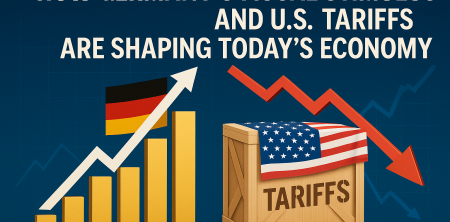
Understanding the dynamics of the global economy has never been more crucial. As we move through the complexities of fiscal policies, trade relations, and interest rates, the challenges are evident for both consumers and investors. In this week’s market commentary, we take a closer look at Germany’s plans for substantial fiscal stimulus and the implications of newly imposed tariffs in the United States. These two developments are not just buzzwords; they could significantly impact your household budget, mortgage rates, investment portfolios, and concerns about a looming recession.
Germany's Fiscal Stimulus: What It Means
Germany, often viewed as the economic powerhouse of Europe, is pivoting towards a more expansive fiscal strategy. The German government’s recent announcements indicate a commitment to substantial spending aimed at reviving the economy. This fiscal stimulus is particularly noteworthy given Germany's historical reluctance to engage in significant government spending, especially during periods of economic uncertainty.
The proposed stimulus is expected to enhance public investment, particularly in infrastructure and green technology. The aim is to facilitate growth and create jobs, addressing both short-term needs and long-term sustainability goals. With an infusion of funds into the economy, there is a heightened risk of inflation—something that the global economy is already grappling with.
In the context of recent challenges, such as the energy crisis exacerbated by geopolitical tensions, Germany’s strategy seems to align with a broader European shift towards more aggressive fiscal measures. This could also serve as a template for other European nations facing economic stagnation, encouraging them to rethink their fiscal policies.
Germany's fiscal stimulus is also a response to the challenges posed by the COVID-19 pandemic, which has altered the economic landscape dramatically. As businesses struggled with lockdowns and decreased consumer demand, government intervention became essential to support economic recovery. In this context, the recent stimulus package could be viewed as a necessary measure to restore confidence among consumers and investors alike.
U.S. Tariffs: A New Layer of Complexity
In the U.S., recent tariff policies have stirred significant debate among economists and policymakers. The imposition of new tariffs is intended to protect American industries but comes with a cost—higher prices for consumers. Increased tariffs can lead to inflation, as businesses pass on the costs to consumers, exacerbating an already precarious economic situation.
This combination of U.S. tariffs and Germany's fiscal measures creates a complex environment where inflationary pressures may rise as governments attempt to stimulate growth. The interconnection of these policies highlights how actions taken in one part of the world can have cascading effects on another, emphasizing the importance of a global perspective in today’s economy.
Recent analysis suggests that while tariffs may benefit certain domestic industries, they can also lead to retaliation from trading partners, potentially instigating a trade war. This scenario can create volatility in the markets, affecting everything from agricultural exports to technology imports.
For instance, the tariffs imposed on steel and aluminum imports from various countries have raised concerns among manufacturers who rely on these materials. Increased costs could lead to higher prices for consumers, affecting everything from automotive production to everyday goods. The ripple effect of these tariffs illustrates a complex web of economic interdependencies that can lead to unintended consequences.
Interest Rates: The Sticky Situation
One of the most consequential impacts of these developments is their effect on interest rates. Both fiscal stimulus in Germany and tariffs in the U.S. contribute to expectations that interest rates will remain elevated for an extended period. When governments increase spending, it often leads to a rise in borrowing needs, which can keep interest rates high.
This scenario is particularly relevant for households contemplating mortgages or loans. With elevated interest rates, borrowing becomes more expensive, which can slow down consumer spending and further complicate economic recovery efforts. In essence, these interconnected policies create a scenario where high borrowing costs may linger, affecting everyone from first-time homebuyers to large corporations.
The Federal Reserve's response to these developments will be crucial. If inflation continues to rise, the Fed may implement aggressive rate hikes. Historical data indicates that such increases can have a cooling effect on the economy, which could be detrimental if not managed carefully. (See: Germany's economic stimulus plans.)
Additionally, interest rate changes can have different effects on various sectors of the economy. For example, higher rates typically hurt the housing market as mortgage costs rise, while benefiting financial institutions like banks that can charge more for loans. Understanding these dynamics can aid consumers in making informed financial decisions.
Inflation: A Dual Threat
Inflation is a primary concern that arises from both German fiscal stimulus and U.S. tariffs. The risk of tariff-driven inflation becomes more pronounced as import prices rise, which could further strain budgets for American consumers. This inflationary pressure is compounded by Germany’s government spending, which could increase demand for goods and services, thereby pushing prices higher.
In a recent report, several economists noted that this inflation outlook is particularly troubling because it may lead to a wage-price spiral, where businesses are forced to increase wages to attract workers, further driving up prices. This cycle can place immense pressure on the cost of living, making it essential for consumers to stay informed about economic trends.
Statistics from the Bureau of Labor Statistics indicate that consumer prices have risen by over 5% in the last year alone, signaling that inflation is not just a temporary blip. As food and energy prices fluctuate, consumers are left to navigate the financial strain, leading to tougher decisions on discretionary spending.
Experts also suggest that the inflation trajectory could vary widely by region. In areas more dependent on imports, consumers may feel the pinch more acutely, making it imperative for local governments to provide support or mitigating measures. Moreover, countries may need to reassess their economic policies to cushion the impact of inflation on lower-income households, who are often the first to feel the squeeze.
The Broader Market Implications
Market reactions to these developments are critical and deserve close attention. Stock markets often respond sharply to shifts in fiscal policy and trade relations. If investors perceive that inflation is becoming a more significant threat due to government spending and tariffs, we might see volatility in equity markets.
Additionally, sectors such as consumer goods, technology, and energy could be impacted differently based on their exposure to tariffs and their reliance on government spending. For instance, energy companies might benefit from increased spending on green infrastructure, while retailers may face challenges from rising import costs.
In the technology sector, companies that rely heavily on overseas manufacturing may see their profit margins squeezed. Conversely, domestic manufacturers may find new opportunities for growth as tariffs give them an edge in pricing. This divergence will create an interesting landscape for investors looking to position their portfolios strategically.
Market analysts recommend keeping a close eye on sectors that show resilience during inflationary periods, such as healthcare and utilities. These sectors typically offer dividends and stability, making them attractive options for risk-averse investors. Additionally, sectors like renewable energy may see increased investment as countries prioritize climate-friendly initiatives, making them potential frontrunners in the post-pandemic recovery.
Household Budgets: What You Need to Know
As these macroeconomic factors unfold, it's crucial for individuals to reevaluate their financial plans. Higher interest rates can affect everything from car loans to credit card debt, making it essential to review your budget regularly. Consumers might need to prioritize saving and consider locking in rates for fixed loans to mitigate the effects of rising costs.
Additionally, it's wise to keep an eye on inflation trends. If food and gas prices increase, you’ll want to adjust your spending habits accordingly. Being proactive is key in a landscape where economic shifts can happen rapidly and with significant consequences.
One potential strategy for coping with inflation is budgeting for essential expenses and setting aside a fixed percentage of income for savings and investment. This approach helps maintain financial stability and allows for adjustments as economic conditions evolve. You might consider automating your savings to ensure you're consistently putting money away, even as living costs rise.
Furthermore, it's essential to review subscriptions and non-essential expenses. With inflation impacting the cost of goods and services, cutting back on discretionary spending can free up additional resources for savings or necessary expenses. A monthly review of your budget can help identify areas where adjustments can be made. (See: Germany's fiscal stimulus impact.)
Investment Strategies in a Volatile Market
Investors should also adapt their strategies in response to the current economic climate. With expectations that interest rates will remain high, fixed-income investments may become less attractive. Instead, consider diversifying your portfolio to include assets that historically perform well during inflationary periods, such as commodities or real estate.
Moreover, staying informed about policy changes and economic indicators can provide valuable insights. Regularly following trusted market commentaries will help you make more informed decisions and adjust your investment strategy as necessary. Engaging with financial advisors or utilizing investment apps that provide real-time data can enhance your investment decisions.
Another tactical approach is to consider inflation-protected securities, such as TIPS (Treasury Inflation-Protected Securities). These investments are designed to increase in value with rising inflation, providing a safeguard against purchasing power erosion.
Investors should also explore the potential of emerging markets, which may offer growth opportunities that are less correlated with U.S. economic indicators. However, diversifying into foreign investments requires careful analysis of geopolitical risks and currency exposure. For instance, while some emerging markets may benefit from increased commodity prices, others could be adversely affected by policy changes in developed nations.
Expert Opinions: What Analysts Are Saying
The perspectives of financial experts add depth to our understanding of the current economic environment. Analysts at major investment firms are observing these developments closely, noting that the combination of fiscal stimulus and tariff increases creates a unique set of challenges and opportunities. They emphasize the importance of staying agile in this dynamic landscape.
For instance, some analysts posit that sectors directly benefiting from government spending, like construction and renewable energy, may see significant growth. Others caution that consumer-focused businesses may struggle with rising costs and reduced spending power.
Moreover, experts suggest that investors should look for companies with strong pricing power. Those able to pass on costs to consumers might weather the inflation storm better than their peers. Consider companies in the consumer staples sector, as their products are often seen as essential and consumers may continue purchasing regardless of price increases.
Analysts also highlight the potential for increased market volatility as investors react to policy announcements and economic data. Staying informed not only about market trends but also about investor sentiment can provide a competitive edge. Social media platforms and investment forums can also serve as valuable resources for gauging public perception and market reactions.
Looking Ahead: What to Expect
The interplay between Germany's fiscal stimulus and U.S. tariffs is just beginning to reshape the economic landscape. As these policies take effect, consumers and investors alike will need to stay alert to their implications. The expectation of elevated interest rates could last for the foreseeable future, posing risks and opportunities across various sectors.
Moreover, as global trade dynamics shift, economies may experience ripple effects that could change the way we approach budgeting, investing, and financial planning. Keeping an eye on these developments through regular weekly market commentary will be essential for navigating the uncertainty ahead.
As analysts forecast the potential for an economic slowdown, it’s critical to consider the varying impacts on different demographics. For example, lower-income households may feel the squeeze of rising prices more acutely, prompting discussions on economic inequality and the role of government intervention. Policymakers may need to explore targeted relief measures to support those most affected by inflationary pressures.
In the face of these challenges, proactive financial planning becomes paramount. Individuals should consider their long-term financial goals and adjust their strategies accordingly. Whether it’s saving for retirement, buying a home, or simply managing day-to-day expenses, a clear understanding of the economic landscape will empower better decision-making. (See: analysis of Germany's fiscal policies.)
Frequently Asked Questions (FAQ)
What is the primary goal of Germany’s fiscal stimulus?
The primary goal is to revive the economy through increased public investment, focusing especially on infrastructure and green technology. This strategy aims to create jobs and promote long-term sustainability.
How do U.S. tariffs affect international trade?
U.S. tariffs can increase costs for imported goods, leading to higher prices for consumers. They can also prompt retaliation from trading partners, which may result in trade wars and further complications for international trade.
What should I consider when applying for a mortgage in this economic climate?
It’s essential to consider the current interest rates, as they are expected to remain high. Locking in a fixed rate might be beneficial to avoid potential future increases. Additionally, evaluate your budget carefully to ensure you can manage the monthly payments under these conditions.
How can I protect my investments from inflation?
Consider diversifying into assets that typically perform well during inflation, such as commodities, real estate, and inflation-protected securities like TIPS. Staying informed about market trends and economic indicators can also help you make strategic adjustments.
What impact does inflation have on household budgeting?
Inflation erodes purchasing power, meaning that the same amount of money buys less over time. Households may need to adjust their budgets to prioritize essential expenses while also considering saving strategies to prepare for rising costs in the future.
How can understanding weekly market commentary help me?
Staying updated with weekly market commentary allows you to understand current economic trends, the impact of fiscal policies, and market reactions. This knowledge equips you to make informed decisions regarding budgeting, investing, and overall financial planning.
Conclusion: Staying Informed for Financial Resilience
In an era where economic conditions can shift rapidly, staying informed is your greatest asset. The convergence of fiscal stimulus in Germany and tariffs in the U.S. is a prime example of how interconnected our global economy is. The implications for interest rates, inflation, and market dynamics are profound and far-reaching.
Whether you're managing a household budget, planning for retirement, or investing in the stock market, understanding these trends can help you make more informed decisions. As we continue to monitor these developments, remember that knowledge is power in today’s complex economic landscape. Embrace the uncertainty with a proactive approach, and you'll be better positioned to navigate whatever comes next.
```
Trending Now
- 10 Proven Scaffolding Reading Strategies for…
- Unlocking Learning: Understanding Scaffolding in Education and the Zone of Proximal Development
- our breakdown of 9 effective strategies for scaffolding learning for students with ieps
- the complete explanation
- Unlocking Potential: Scaffolding Writing Instruction for Middle School Students with Learning Disabilities
Frequently Asked Questions
How is Germany's fiscal stimulus affecting the economy?
Germany's fiscal stimulus is aimed at reviving its economy through increased public investment, particularly in infrastructure and green technology. This strategy is expected to create jobs and promote long-term sustainability, though it may also heighten inflation risks.
What are the implications of U.S. tariffs on the economy?
The newly imposed U.S. tariffs can impact trade relations and consumer prices, potentially leading to increased costs for imported goods. This could affect household budgets and investment decisions, adding pressure to an already complex economic landscape.
How does fiscal policy influence inflation?
Fiscal policies, such as increased government spending, can lead to higher demand in the economy, which may result in inflation. As Germany implements its stimulus, the risk of inflation becomes a critical concern that could affect both consumers and investors.
What challenges is Germany facing with its economic strategy?
Germany is navigating several challenges, including the energy crisis and the economic fallout from the COVID-19 pandemic. The government's fiscal stimulus aims to address these issues while also preparing for long-term economic stability and growth.
Can Germany's fiscal strategy serve as a model for other countries?
Yes, Germany's aggressive fiscal strategy may serve as a template for other European nations facing economic stagnation. It encourages a rethinking of fiscal policies to stimulate growth and address current economic challenges.
What did we miss? Let us know in the comments and join the conversation.

