```html
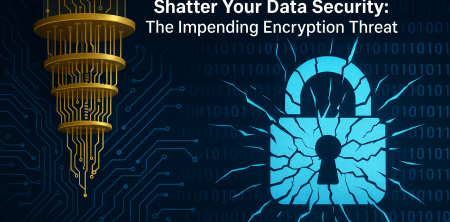
In the world of cybersecurity, few topics elicit as much urgency and concern as the quantum computing encryption threat. As technology advances at a dizzying pace, the once-theoretical specter of quantum computing is now a looming reality, poised to challenge the very foundations of data protection. While organizations have long relied on encryption methods such as RSA and elliptic curve cryptography to safeguard sensitive information, the emergence of quantum computing could render these defenses obsolete. Understanding this threat is crucial for any organization that values its data security and digital trust.
Understanding Quantum Computing
At its core, quantum computing leverages the principles of quantum mechanics to process information in ways traditional computers cannot. While classical computers use bits as their smallest unit of data, representing a 0 or a 1, quantum computers use qubits, which can exist in multiple states simultaneously. This property, known as superposition, allows quantum computers to perform complex calculations at exponential speeds compared to their classical counterparts.
For instance, a quantum computer could potentially factor large numbers much more efficiently than classical computers. This is significant because the security of many encryption methods, including RSA, is based on the difficulty of factoring large integers. The introduction of quantum computing into this equation drastically alters the landscape of data security.
The Encryption Methods Under Threat
Currently, two of the most widely used encryption methods are RSA (Rivest-Shamir-Adleman) and elliptic curve cryptography (ECC). RSA relies on the mathematical difficulty of factoring large prime numbers, while ECC offers similar security levels using smaller key sizes, making it faster and less resource-intensive.
However, quantum computers harness algorithms like Shor's algorithm, which can factor large numbers exponentially faster than classical algorithms. What does this mean for RSA and ECC? Simply put, once sufficiently powerful quantum computers come into play, the encryption that currently protects our data could be easily broken, exposing sensitive information.
The Scope of the Threat
The potential implications of the quantum computing encryption threat are staggering. Data that is encrypted today could remain accessible for years, possibly decades, before quantum computers become widely available. As organizations continue to collect and store vast amounts of data, the risk of this information being compromised grows exponentially.
Moreover, the threat does not just target newly encrypted data. Cybercriminals could hold onto encrypted information now with the intention of decrypting it later using quantum technology. This means that sensitive data—such as personal identification information, financial records, and confidential business communications—could be at risk long after it was initially protected.
Preparing for the Quantum Threat
As the quantum computing landscape evolves, organizations must take proactive measures to safeguard their data against potential threats. The first step is identifying where cryptography is utilized within their systems. A thorough audit of data protection practices will help organizations pinpoint vulnerabilities and assess their reliance on current encryption methods.
Following the identification phase, organizations should prioritize developing a strategy for cryptographic agility. This involves creating systems capable of adapting to new encryption algorithms without requiring a complete overhaul of existing infrastructures. Being able to switch to quantum-resistant algorithms is crucial for maintaining data security in a post-quantum world.
Quantum-Resistant Algorithms: The Future of Encryption
To combat the quantum computing encryption threat, researchers and organizations are actively working on developing quantum-resistant algorithms. These algorithms are designed to withstand quantum attacks and are rooted in mathematical problems that are difficult for quantum computers to solve.
One promising avenue is lattice-based cryptography, which relies on the geometry of high-dimensional lattices. This approach has shown resilience against quantum attacks and could serve as the backbone of future encryption standards.
Another area of focus is hash-based cryptography, which uses hash functions to create secure signatures. In contrast to traditional methods, these algorithms are believed to be much harder for quantum computers to crack, making them strong contenders for future implementation. (See: Understanding quantum computing principles.)
The Role of the Community in Battling the Threat
The fight against the quantum computing encryption threat is not a solitary endeavor. It calls for collaboration among governments, private sectors, and academia. Organizations must stay informed about the latest research in cryptography and engage in discussions about best practices in the field.
In addition, governments can take on a proactive role by funding cryptography research and advocating for the implementation of quantum-resistant standards across industries. For businesses, investing in quantum-safe solutions now can prevent costly breaches in the future and help maintain customer trust.
Building Digital Trust in a Post-Quantum Era
As we edge closer to a post-quantum world, the importance of digital trust becomes ever more critical. Organizations that are prepared to handle the quantum computing encryption threat will not only protect their data but also reinforce their reputation among consumers.
Transparent communication about data protection strategies, including plans to transition to quantum-resistant algorithms, can help mitigate consumer fears. When organizations prioritize security, they send a strong message: they care about their customers' information and are committed to protecting it.
Case Studies: Organizations at the Forefront
Some organizations are already taking steps to address the quantum computing encryption threat. For example, the National Institute of Standards and Technology (NIST) is actively involved in standardizing post-quantum cryptographic algorithms through its ongoing competition. By encouraging the research community to develop and submit new algorithms, NIST is paving the way for a more secure future.
Additionally, tech giants like Google and IBM are investing heavily in quantum research and exploring how to integrate quantum-resistant algorithms into existing frameworks. These efforts signal a growing recognition of the threat that quantum computing poses and underscore the need for swift action.
Challenges in Transitioning to Quantum-Resistant Solutions
Transitioning to quantum-resistant encryption algorithms is not without its challenges. Organizations face hurdles related to compatibility, performance, and the complexity of integrating new technologies into existing systems. However, a proactive approach can mitigate these issues.
For example, organizations should consider phased implementations of new algorithms to allow for gradual adaptation. This could involve running both classical and quantum-resistant systems in parallel until the latter can fully replace the former. By doing so, organizations can maintain security while minimizing disruption.
Comparative Analysis of Quantum-Resistant Algorithms
When exploring quantum-resistant algorithms, it’s essential to compare their strengths and weaknesses. Lattice-based cryptography, for instance, offers robust security against quantum attacks but may require more computational resources than traditional methods. On the other hand, code-based cryptography is another promising candidate that relies on error-correcting codes. While it has proven effective, concerns about efficiency persist, particularly for devices with limited processing power.
Hash-based signatures, while simpler and easier to implement, can encounter scalability issues as the number of signatures required increases. Each type of quantum-resistant algorithm has its own set of trade-offs, so organizations must consider their unique requirements and constraints when selecting a new cryptographic approach.
Moreover, hybrid solutions that combine classical and quantum-resistant algorithms could provide a transitional path, allowing organizations to leverage existing systems while preparing for a future dominated by quantum computing.
Expert Perspectives on the Future of Encryption
Experts in the field of cryptography and cybersecurity have varying views on how the transition to quantum-resistant solutions should unfold. Dr. Katherine Yelick, a leading researcher in quantum algorithms, emphasizes the importance of not just developing new algorithms but also ensuring that they are rigorously tested. “It's vital that we can trust these algorithms in real-world scenarios,” she notes. “The stakes are incredibly high.”
Similarly, Dr. Bruce Schneier, a well-regarded security technologist, advocates for robust public discussions about the implications of quantum technology. He believes that awareness among organizations and the public is key to ensuring that appropriate measures are taken. “People need to understand the potential risks and the time needed for a comprehensive transition,” he urges, stressing the importance of ongoing education in the cybersecurity community. (See: NIST announces quantum-safe cryptography standards.)
Statistics on Quantum Computing and Cybersecurity
To frame the urgency surrounding the quantum computing encryption threat, consider the statistics: a report from the World Economic Forum estimates that by 2025, a substantial proportion of the world's data could be at risk from quantum attacks if organizations do not take proactive measures. Additionally, a survey conducted by Cybersecurity Ventures found that 80% of CIOs are concerned about quantum computing's potential impact on their encryption strategies.
Furthermore, according to a study published by McKinsey & Company, 60% of organizations are currently unaware of the specific threats posed by quantum computing, signaling a significant gap in knowledge that must be addressed. The numbers speak for themselves: the time for action is now.
FAQs about Quantum Computing and Encryption
What is quantum computing?
Quantum computing is a type of computation that utilizes the principles of quantum mechanics, allowing computers to process information in fundamentally different ways than classical computers.
Why is quantum computing a threat to current encryption methods?
Quantum computers can solve certain mathematical problems much faster than classical computers, making traditional encryption methods, such as RSA and ECC, vulnerable to attacks.
What are quantum-resistant algorithms?
Quantum-resistant algorithms are cryptographic algorithms designed to be secure against quantum computing attacks. They rely on mathematical problems that are difficult for quantum computers to solve.
How can organizations prepare for the quantum computing encryption threat?
Organizations should conduct audits to identify vulnerabilities in their current encryption methods, develop plans for transitioning to quantum-resistant algorithms, and educate staff about the risks associated with quantum computing.
What are the main types of quantum-resistant algorithms being developed?
The main types include lattice-based cryptography, code-based cryptography, multivariate polynomial cryptography, and hash-based signatures, each with unique strengths and weaknesses.
What is the role of governments in addressing the quantum encryption threat?
Governments can support research into quantum-safe cryptography, promote public-private partnerships, and help establish standards that ensure a coordinated approach to transitioning to quantum-resistant encryption methods.
Impacts of Quantum Computing on Blockchain Technology
As we discuss the implications of quantum computing on encryption, it’s essential to consider its effects on blockchain technology as well. Blockchain, a decentralized digital ledger, relies heavily on cryptographic techniques for securing transactions and maintaining data integrity. The rise of quantum computers poses a potential risk to blockchain security, as they could potentially crack the cryptographic algorithms used in popular blockchain platforms, such as Bitcoin and Ethereum.
For example, the SHA-256 hashing algorithm used in Bitcoin could be vulnerable to quantum attacks, allowing malicious actors to forge transactions or alter the blockchain. This potential vulnerability has spurred discussions within the blockchain community about the need for quantum-resilient designs and the adoption of quantum-proof cryptographic standards.
Some blockchain projects are already exploring hybrid models that incorporate quantum-resistant algorithms, ensuring that blockchain technology remains secure in the face of advancing quantum capabilities. The intersection of quantum computing and blockchain highlights the need for ongoing innovation and adaptation in the cybersecurity landscape.
Future Trends and Predictions in Quantum Cybersecurity
Looking ahead, several trends are likely to shape the future of cybersecurity in the context of quantum computing. First, we may witness a surge in demand for quantum-safe encryption solutions as organizations seek to mitigate risks associated with potential quantum attacks. This will drive investments in research and development of quantum-resistant algorithms and technologies. (See: Impact of quantum computing on encryption.)
Second, as more organizations become aware of the quantum computing encryption threat, we can expect increased collaboration among industry leaders, academics, and government entities. This cooperation will be vital in establishing universal standards and protocols for transitioning to quantum-safe encryption methods.
Lastly, education and training will play a pivotal role in preparing the workforce for the quantum era. Cybersecurity professionals will need to stay updated on emerging threats and solutions related to quantum computing. Organizations may offer specialized training programs to upskill their teams, ensuring they are equipped to tackle the challenges posed by quantum threats.
The Role of Public Awareness in Quantum Preparedness
Public awareness is crucial in addressing the quantum computing encryption threat. The general public may not fully understand the implications of quantum technology on data security, making it essential for organizations to communicate these risks transparently. Educational campaigns can help raise awareness about the importance of transitioning to quantum-safe encryption and the potential consequences of inaction.
Moreover, as consumers become more informed, they may start demanding stronger security measures from organizations, pushing companies to prioritize quantum-safe solutions. This market-driven pressure can accelerate the adoption of new encryption technologies and create a safer digital environment for everyone.
A Call for Research and Development Investment
The urgency of developing quantum-resistant algorithms cannot be overstated. Increased funding and support for research initiatives in this field are essential to ensure that the cryptographic community can keep pace with quantum advancements. Governments and private sectors should collaborate on research projects that focus on innovative cryptographic solutions capable of withstanding quantum attacks.
In addition, academic institutions can play a vital role in fostering the next generation of cryptographers and computer scientists equipped with the knowledge and skills necessary to tackle quantum challenges. By encouraging interdisciplinary research and collaboration, we can build a robust foundation that anticipates future threats and develops effective countermeasures.
Conclusion: A Call to Action
The quantum computing encryption threat is no longer just a distant worry; it's a pressing issue that demands immediate attention. Organizations must take a proactive stance to identify vulnerabilities, invest in quantum-resistant algorithms, and prepare for a future where the security of sensitive data is at stake. As the quantum landscape evolves, those who act swiftly and decisively will be best positioned to protect their data and maintain the trust of their stakeholders.
In a world where data security cannot be taken for granted, the time to prepare for the quantum threat is now. Don't wait until it's too late—start planning today to ensure your organization's data remains secure in the face of rapidly advancing technology.
```
Trending Now
- our breakdown of 10 proven scaffolding reading strategies for kindergarten success
- this guide on unlocking learning: understanding scaffolding in education and the zone of proximal development
- our breakdown of 9 effective strategies for scaffolding learning for students with ieps
- 7 Scaffolding Strategies for Math Teachers…
- the complete explanation
Frequently Asked Questions
What is the threat of quantum computing to encryption?
Quantum computing poses a significant threat to traditional encryption methods like RSA and elliptic curve cryptography. These systems rely on the difficulty of factoring large numbers for security, which quantum computers can do much more efficiently using algorithms like Shor's algorithm, potentially rendering current encryption methods obsolete.
How does quantum computing differ from classical computing?
Quantum computing differs from classical computing by using qubits instead of bits. While classical bits represent either a 0 or a 1, qubits can exist in multiple states simultaneously due to superposition. This allows quantum computers to perform complex calculations at exponentially faster speeds, impacting data security significantly.
What are RSA and elliptic curve cryptography?
RSA (Rivest-Shamir-Adleman) and elliptic curve cryptography (ECC) are widely used encryption methods that secure sensitive information. RSA relies on the difficulty of factoring large prime numbers, while ECC provides similar security with smaller key sizes, making it faster and less resource-intensive.
Why is understanding quantum computing important for cybersecurity?
Understanding quantum computing is crucial for cybersecurity because it threatens the foundational encryption methods that protect sensitive data. As quantum technology advances, organizations must adapt to ensure their data security and digital trust are maintained against potential breaches.
What is Shor's algorithm and why is it important?
Shor's algorithm is a quantum computing algorithm that can factor large integers exponentially faster than classical algorithms. Its significance lies in its ability to break widely used encryption methods like RSA, highlighting the urgent need for new encryption standards in a post-quantum world.
What did we miss? Let us know in the comments and join the conversation.

