```html
Introduction to Executive Function
Executive function is a term that describes a set of mental skills crucial for goal-directed behavior. These skills include working memory, cognitive flexibility, and inhibitory control. Research has shown that these functions are not innate, but rather develop over time and can be influenced by various educational strategies. One of the most effective methods to support this development is through the practice of scaffolding, which can dramatically enhance a child's ability to learn and perform.
Understanding Scaffolding
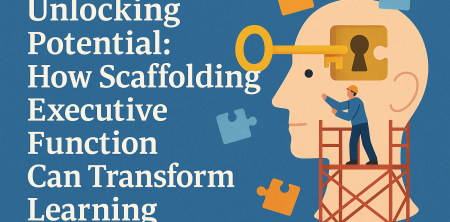
Scaffolding is an educational technique that provides temporary support to students as they develop new skills and knowledge. This concept comes from the work of psychologist Lev Vygotsky, who emphasized the importance of social interaction in learning. Essentially, scaffolding involves breaking down complex tasks into manageable parts and providing guidance until students can perform tasks independently. Think of it as a bridge—allowing students to cross from their current level of understanding to a more advanced one.
The Connection Between Scaffolding and Executive Function
Scaffolding executive function is more than just a teaching strategy; it is a critical framework that aligns closely with the development of self-regulation and goal-setting abilities. When educators implement scaffolding techniques, they directly influence the enhancement of students' executive functions. For instance, by structuring tasks that require planning, monitoring progress, and reflecting on outcomes, teachers help students build the very skills necessary for effective executive functioning.
Key Components of Scaffolding
1. Modeling: Teachers demonstrate the skills or processes needed to complete a task. This could involve thinking aloud while solving a problem, which helps students understand the thought processes involved.
2. Prompting: Educators provide cues that guide students toward the next steps in a task. This might include asking leading questions to stimulate critical thinking.
3. Feedback: Constructive feedback is essential in scaffolding. It helps students assess their understanding and improve their performance continuously.
4. Gradual Release of Responsibility: Initially, the teacher takes a prominent role, but as students become more proficient, the responsibility shifts toward them.
Practical Strategies for Educators
Implementing scaffolding to support executive function development can take many forms. Here are several practical strategies that teachers can incorporate: (See: The connection between health and academic success.)
- Break Tasks into Smaller Steps: When assigning projects, divide them into smaller, manageable parts with clear deadlines. This helps students not feel overwhelmed.
- Use Visual Aids: Graphic organizers can help students visualize their ideas and structure their thoughts, making it easier to manage information.
- Encourage Self-Monitoring: Teach students to check their own understanding and progress by asking them to reflect on their work regularly.
- Create Collaborative Learning Environments: Encourage group work to promote social learning. Peers can scaffold each other through collaboration.
- Provide Clear Instructions: Clarity is essential. Provide step-by-step instructions and check for understanding before students begin tasks.
Benefits of Scaffolding Executive Function
The benefits of scaffolding executive function development extend beyond academic achievement. Students learn to approach complex problems with confidence, leading to better problem-solving skills. These strategies also foster independence; as students become more adept at managing their tasks, they require less support over time. The result is a more self-sufficient learner, capable of navigating challenges with resilience.
Challenges and Considerations
While scaffolding can be highly effective, it’s not without its challenges. One common issue educators face is determining the right level of support. Too much guidance can hinder a student’s ability to develop independence, while too little can lead to frustration and disengagement. Therefore, ongoing assessment and adaptability in teaching strategies are essential.
Additionally, educators should remain aware of the diverse needs of students. Individual learning differences mean that some students may require more substantial scaffolding than others. Tailoring support to meet these varying needs is crucial for maximizing the effectiveness of scaffolding techniques.
Real-World Examples
Let’s look at a few real-world applications of scaffolding executive function in various settings:
In a fifth-grade classroom, a teacher implements a project-based learning assignment where students must research a historical figure. Instead of assigning the project in one go, the teacher breaks it down: first, students gather information, then create an outline, followed by drafting, and finally, presenting their findings. Throughout the process, the teacher checks in with personalized feedback and prompts, ensuring each student stays on track.
In a middle school setting, a science teacher introduces the scientific method through a hands-on experiment. Students are first guided through the steps by the teacher modeling each phase, followed by small group discussions where they can share insights and ask questions. Gradually, the teacher decreases direct support, allowing students to design their own experiments independently.
The Role of Parents in Scaffolding
While educators play a pivotal role in scaffolding executive function, parents can also contribute significantly. At home, parents can create a supportive environment by establishing routines, encouraging goal setting, and helping children break tasks into manageable pieces. For instance, during homework time, parents can sit with their children to discuss assignments, guide them in prioritization, and help them create a schedule.
Furthermore, parents should recognize the importance of praise and constructive feedback. Acknowledging their child’s effort and progress can boost motivation and self-esteem, which are critical for developing robust executive functions.
Current Relevance and Future Directions
As our education systems continue to evolve, the recognition of the importance of executive function skills has gained significant traction. The integration of scaffolding into curricula is becoming more prevalent, especially in light of the increasing demand for critical thinking and problem-solving skills in the modern workforce.
With the advent of technology, educators are also exploring digital tools that facilitate scaffolding. Educational apps and platforms that promote interactive learning allow for personalized feedback and support, making it easier to scaffold executive function development.
Research on Scaffolding and Executive Function
Recent studies have illuminated the link between scaffolding techniques and the development of executive function skills. For example, a 2022 study published in the *Journal of Educational Psychology* found that classrooms employing structured scaffolding strategies showed a 30% increase in students' working memory performance compared to traditional teaching methods. These findings suggest that scaffolding not only supports learning but also has a measurable impact on cognitive skills.
Expanding on Executive Function Components
Executive function is typically broken down into three main components: working memory, cognitive flexibility, and inhibitory control. Let’s take a closer look at each:
- Working Memory: This refers to the ability to hold and manipulate information in one's mind over short periods. It plays a vital role in following instructions and completing tasks. Scaffolding techniques can enhance working memory by using tools like checklists and graphic organizers to help students keep track of multiple components of a project.
- Cognitive Flexibility: This is the capacity to adapt one's thinking to new information or changing conditions. For example, students might be encouraged to approach a problem from different angles through guided discussions or brainstorming sessions facilitated by educators.
- Inhibitory Control: This skill allows individuals to manage their impulses and behaviors, enabling them to stay focused on a task. Classroom strategies such as mindfulness exercises or structured time for reflection can bolster inhibitory control.
Frequently Asked Questions (FAQ)
What is scaffolding executive function?
Scaffolding executive function refers to educational strategies designed to support the development of critical cognitive skills like working memory, cognitive flexibility, and inhibitory control in students. This approach provides temporary support that enables students to gradually become independent learners.
How can scaffolding improve student outcomes?
Scaffolding can lead to improved academic performance, enhanced problem-solving skills, and greater self-regulation in students. By guiding students through complex tasks and promoting independence, scaffolding fosters resilience and adaptability, which are essential for lifelong learning.
Are there specific age groups that benefit more from scaffolding?
While all students can benefit from scaffolding, younger learners—especially those in elementary and middle school—often require more structured support as they are still developing their executive function skills. However, older students can also benefit, particularly when tackling challenging subjects or tasks.
What role does feedback play in scaffolding?
Feedback is crucial in scaffolding as it helps students understand their strengths and areas for improvement. Effective feedback guides students in refining their skills, encouraging self-assessment, and promoting a growth mindset.
Can scaffolding be applied in home education?
Absolutely! Parents can implement scaffolding strategies at home, such as breaking tasks into smaller steps, using visual aids, providing timely feedback, and establishing routines. This approach helps children feel supported and encourages their independent learning.
How can technology support scaffolding executive function?
Technology can enhance scaffolding through interactive educational apps, online platforms for collaborative projects, and tools for tracking progress and providing instant feedback. These resources make it easier to personalize learning experiences for students.
Additional Insights into Executive Function Development
Understanding the broader context of executive function development can further empower educators and parents. Research shows that executive function skills are not only critical for academic success but also for personal and social outcomes. For example, students with stronger executive function skills often demonstrate better emotional regulation and social competence. This means they’re more likely to develop positive relationships and navigate social situations effectively.
Statistics That Matter
To underscore the importance of scaffolding executive function, consider the following statistics:
- A study conducted by the American Psychological Association found that 75% of employers reported a lack of soft skills—many of which are tied to executive functions—in their workforce.
- Research from the National Institute for Learning Outcomes Assessment indicates that students who engage in structured interventions aimed at improving executive function see a 20-30% increase in their academic performance over time.
- According to the Center on the Developing Child at Harvard University, early interventions that focus on executive function skills can lead to a 10-15% improvement in overall life outcomes, including academic achievement and professional success.
Comparative Approaches to Supporting Executive Function
While scaffolding is a highly effective method for supporting executive function, it’s essential to consider other approaches that can complement scaffolding strategies:
- Direct Instruction: This method involves explicit teaching of executive function strategies, such as time management and organizational skills, which can be used alongside scaffolding to provide a more comprehensive approach.
- Social-Emotional Learning (SEL): Integrating SEL programs in schools can bolster executive functioning by helping students develop self-awareness, relationship skills, and responsible decision-making, aligning well with scaffolding techniques.
- Peer Mentoring: Establishing peer mentoring programs can provide additional support for students. Older students can scaffold younger ones, reinforcing their own executive function skills while helping their peers.
- Mindfulness Practices: Incorporating mindfulness exercises into the school day can enhance self-regulation and attention, supporting overall executive function development alongside traditional scaffolding methods.
Strategies for Parents to Scaffold at Home
Parents play an integral role in the scaffolding process. Here are some practical strategies they can use:
- Establish Routines: Consistent daily schedules help children understand expectations and develop self-discipline. Routines can be particularly helpful for homework and chores.
- Use Positive Reinforcement: Celebrate successes, no matter how small, to encourage continued effort and perseverance. This builds confidence and reinforces positive behaviors.
- Create a Learning Space: Design a dedicated area for study and homework that minimizes distractions. A well-organized space can encourage focus and productivity.
- Encourage Problem-Solving: When children face challenges, guide them in brainstorming possible solutions rather than providing answers. This fosters independence and critical thinking.
- Regular Check-Ins: Maintain open lines of communication. Regularly check in with your child about their progress and feelings towards their tasks, providing guidance when necessary.
Conclusion: The Path Forward
Scaffolding executive function is not just about improving academic performance; it’s about equipping students with essential life skills. As educators, parents, and communities embrace these practices, we can foster environments where young learners thrive, ultimately enabling them to face future challenges with confidence and competence. By committing to thoughtful scaffolding, we can create a foundation for lifelong learning that extends far beyond the classroom.
```
Trending Now
Frequently Asked Questions
What is executive function in learning?
Executive function refers to a set of mental skills essential for goal-directed behavior, including working memory, cognitive flexibility, and inhibitory control. These skills develop over time and are influenced by educational strategies, playing a crucial role in a child's ability to learn and perform.
How does scaffolding help in education?
Scaffolding is an educational technique that provides temporary support to students as they learn new skills. By breaking down complex tasks into manageable parts and offering guidance, scaffolding helps students build confidence and independence in their learning process.
What are the key components of scaffolding?
Key components of scaffolding include modeling, where teachers demonstrate skills, and prompting, which involves providing cues to guide students. These strategies help students understand processes and encourage them to progress toward independent task completion.
How is scaffolding related to executive function?
Scaffolding directly influences the development of executive functions by structuring tasks that require planning, monitoring, and reflection. This support helps enhance self-regulation and goal-setting abilities, critical for effective learning and academic performance.
Who developed the concept of scaffolding in learning?
The concept of scaffolding was developed from the work of psychologist Lev Vygotsky, who emphasized the importance of social interaction in learning. Scaffolding serves as a bridge to help students progress from their current understanding to more advanced levels.
Agree or disagree? Drop a comment and tell us what you think.

