```html
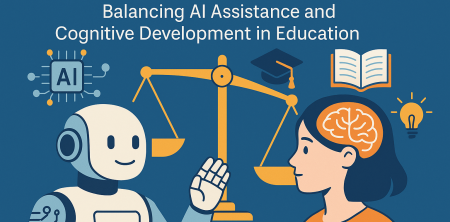
In the rapidly evolving landscape of education, the discussion surrounding AI's role is heating up. The conversation has shifted from whether students should use AI tools to a more nuanced question: when should AI intervene in the learning process? The introduction of a new framework called EFFORT-AI aims to address this pivotal inquiry, emphasizing the importance of maintaining cognitive engagement while utilizing AI tools for educational purposes. This article explores the implications of EFFORT-AI, particularly its focus on preserving student effort and fostering critical thinking skills in a world increasingly dominated by generative AI.
The Rise of AI in Education
Generative AI tools like ChatGPT and others have made significant inroads into the educational sphere, helping students draft essays, solve complex problems, and even generate creative ideas. While these technologies offer remarkable advantages, such as increased fluency and efficiency, there's a growing concern among educators, parents, and policymakers about the potential downsides. The ease of access to AI assistance could inadvertently undermine critical cognitive processes that are essential for deep learning.
Understanding the EFFORT-AI Framework
The EFFORT-AI framework proposes a structured approach to integrating AI assistance into educational settings. At its core, the framework suggests that before students receive any AI-generated hints, drafts, or feedback, they should first engage in cognitive tasks like predicting outcomes, recalling information, solving problems, or outlining their thoughts. This initial effort preserves the cognitive engagement necessary for durable learning.
The framework operates under the premise that cognitive tasks should take precedence over AI tools. By ensuring that students actively participate in the learning process, EFFORT-AI aims to mitigate the risk of AI replacing essential cognitive skills. It sets a clear boundary regarding the point of AI intervention, fostering a learning environment that values effort as much as outcomes.
The Cognitive Load Theory and Its Relevance
Cognitive Load Theory posits that learners have a limited capacity for processing information. When this capacity is overstretched—such as when students rely heavily on AI assistance—the quality of learning can suffer. The EFFORT-AI framework aligns with this theory by advocating for a balanced approach where students first grapple with academic challenges before leaning on AI for support.
This perspective is crucial when considering the cognitive development that occurs through struggle and problem-solving. Research has shown that when students engage deeply with material, they not only retain information longer but also develop critical thinking skills. EFFORT-AI ensures that students don’t bypass this critical phase of learning.
Concerns About Generative AI in Education
While AI can streamline certain educational tasks, it also raises alarming questions about the potential erosion of critical thinking skills. The concern is not just that students may produce better-looking work with AI assistance, but that they might do so at the expense of developing essential skills. For instance, if a student relies on AI to generate essays without first engaging in the writing process themselves, they miss the opportunity to learn how to organize thoughts, construct arguments, and articulate their viewpoints.
This is particularly troubling in an age where critical thinking and problem-solving abilities are more important than ever. The ability to analyze information, evaluate sources, and communicate effectively is paramount in both academic and professional contexts. By implementing the EFFORT-AI framework, educators can strike a balance between utilizing AI tools and ensuring that students maintain their cognitive development.
The Role of Educators in Implementing EFFORT-AI
For the EFFORT-AI framework to be successful, educators play an instrumental role in guiding students through their learning journeys. Teachers can implement principles from the EFFORT-AI framework by designing assignments that require initial student effort before AI tools can be used. For example, a teacher might ask students to draft an outline of an essay or solve a few problems manually before consulting AI for feedback or suggestions.
Moreover, educators should foster an environment that values effort and emphasizes the learning process rather than just the end result. By praising students for their engagement and the cognitive tasks they undertake, teachers can reinforce the idea that learning is a journey that requires active participation. (See: U.S. Department of Education Research.)
The Perspective of Parents and Policymakers
Parents and policymakers must also play a part in the conversation surrounding AI in education. As AI technology continues to advance, it's essential for them to understand the implications of its use in learning environments. Parents can encourage their children to embrace challenges and prioritize their cognitive efforts over quick fixes provided by AI. This support at home reinforces the importance of engaging with academic material.
Policymakers can contribute by promoting educational frameworks that incorporate cognitive alignment principles, such as EFFORT-AI. By endorsing policies that emphasize the development of analytical and problem-solving skills, they can create an educational system that prepares students for the complexities of the modern world.
Examples of EFFORT-AI in Action
The EFFORT-AI framework can be applied across various subjects and learning activities. For instance, in a math class, a teacher might present a complex problem that students must solve independently before they can use AI tools for hints or solutions. This approach ensures that students engage with the material actively, allowing them to develop their problem-solving skills.
In language arts, educators could require students to draft their essays, focusing on structure and argumentation without AI assistance. Only after this initial phase would students be allowed to seek AI-generated feedback. Such practices not only reinforce the importance of effort but also integrate AI into the learning process without compromising cognitive development.
Balancing AI and Traditional Learning Methods
Balancing AI assistance with traditional learning methods is crucial to fostering a well-rounded educational experience. Educators must carefully consider how and when to incorporate AI tools into their instruction. It’s not about eliminating AI but rather about integrating it in a way that supports cognitive alignment.
One approach could be a hybrid model where students first engage with traditional learning methods—such as group discussions, hands-on projects, and peer reviews—before turning to AI for additional support. This strategy not only preserves cognitive engagement but also allows students to develop interpersonal skills and collaborative abilities, which are vital in today’s interconnected world.
Future Implications of EFFORT-AI
The future of education is likely to be heavily influenced by the integration of AI technologies. The EFFORT-AI framework serves as a blueprint for ensuring that this integration occurs thoughtfully and effectively. By championing cognitive engagement, the framework sets a standard for how educators should approach the use of AI tools in their classrooms.
As AI continues to evolve, it’s essential that educational institutions remain vigilant about the impacts these tools have on student learning. EFFORT-AI highlights the need for ongoing research and dialogue about best practices in AI-assisted education. The ultimate goal should be to enhance learning while preserving the cognitive processes that contribute to lasting knowledge and skill development.
Benefits of Cognitively Aligned AI in Education
Implementing a cognitively aligned approach like EFFORT-AI can have several benefits for both students and educators. By prioritizing cognitive engagement, students are more likely to develop an intrinsic motivation for learning. They’ll understand that the process of learning is as important as the final product, leading to a deeper appreciation for their education.
Additionally, educators can use data from AI tools to tailor instruction to meet individual student needs better. For example, if an AI tool identifies common misconceptions among students, a teacher can adjust their lesson plans accordingly, focusing on areas that require more attention. This targeted approach maximizes educational effectiveness and fosters a culture of continuous improvement.
Statistics Supporting EFFORT-AI Implementation
Research indicates that engagement in cognitive tasks can significantly enhance learning outcomes. A study by the National Training Laboratory found that active learning techniques can increase retention rates by up to 75%, compared to just 5% for lecture-based instruction. Implementing EFFORT-AI, which encourages initial student effort, aligns with these findings by promoting deeper engagement with learning material. (See: New York Times on AI in Education.)
Moreover, a recent survey showed that 87% of teachers believe that AI tools can enhance learning when used appropriately. This suggests that while there is a wariness about over-reliance on AI, there is also recognition of its potential to enrich the educational experience when paired with frameworks like EFFORT-AI.
Expert Perspectives on AI and Education
Experts in the field of education and cognitive science highlight the importance of frameworks that prioritize cognitive alignment. Dr. John Hattie, an education researcher known for his work on visible learning, emphasizes that student engagement is a critical factor in educational success. He notes that “students who are actively involved in their learning are more likely to understand and retain information.” This directly supports the principles behind EFFORT-AI.
Additionally, Dr. Rose Luckin, a prominent figure in AI in education, argues that AI should augment human abilities rather than replace them. She states, “Cognitively aligned AI is essential for ensuring that technology enhances the learning process and fosters creativity, rather than stifling it.” These perspectives underscore the growing consensus around the necessity of frameworks like EFFORT-AI in modern education.
Challenges to Implementing EFFORT-AI
While the benefits of a cognitively aligned approach are substantial, implementing EFFORT-AI can present challenges. Educators may face resistance from students accustomed to relying solely on AI for quick answers. Additionally, the integration of this framework requires training and support for teachers to ensure they understand how to effectively guide students through cognitive tasks before utilizing AI tools.
There's also the concern of equity; not all students have the same access to technology or AI tools outside of the classroom, which could create disparities in learning experiences. Educators will need to be mindful of these factors and find ways to ensure that all students can engage meaningfully with the EFFORT-AI framework.
Frequently Asked Questions (FAQ)
1. What is cognitively aligned AI in education?
Cognitively aligned AI in education refers to the integration of artificial intelligence tools that support cognitive engagement and learning processes, ensuring that students actively participate in their education before relying on AI for assistance.
2. How does the EFFORT-AI framework work?
The EFFORT-AI framework encourages students to engage in cognitive tasks, such as problem-solving or outlining ideas, before utilizing AI tools. This approach helps preserve critical thinking skills and fosters deeper learning.
3. What are the main benefits of using EFFORT-AI?
Benefits include enhanced cognitive engagement, improved retention of information, and a greater appreciation for the learning process. It also allows educators to tailor instruction based on student needs.
4. Are there any drawbacks to using AI in education?
Yes, potential drawbacks include the risk of students becoming overly reliant on AI for quick answers, which may undermine their critical thinking abilities. Additionally, there are concerns about equity regarding access to technology.
5. How can educators ensure they implement EFFORT-AI effectively?
Educators can start by designing assignments that require initial student effort before allowing AI tool usage. Providing ongoing training and support for teachers is also crucial for successful implementation. (See: Research on AI and Learning.)
Additional Insights on the Future of AI in Education
As we look ahead, it’s vital to consider how AI will continue to evolve in educational contexts. The integration of AI tools presents opportunities for personalization, allowing students to learn at their own pace. For example, adaptive learning platforms use algorithms to assess a student's strengths and weaknesses, providing custom-tailored resources and learning paths. This could work harmoniously with EFFORT-AI, helping students engage with material that challenges them while still offering AI support once they've grappled with the concepts.
However, careful consideration must also be given to ethical implications. The collection of data necessary for personalized learning raises concerns about privacy and consent. Educators must navigate these issues transparently to maintain trust with students and parents.
Real-World Case Studies: Successful Implementation of EFFORT-AI
Several educational institutions have successfully implemented principles from the EFFORT-AI framework, showcasing how it can lead to improved learning outcomes. For instance, a high school in California introduced a blended learning model that required students to complete initial research and draft essays before utilizing AI editing tools. Feedback from students highlighted a greater understanding of the writing process, with 90% stating they felt more confident in their writing abilities by the end of the semester.
In another example, a university implemented an EFFORT-AI approach in its engineering program. Students were required to solve problems manually before receiving AI-generated hints. The result was a 40% increase in test scores among students who engaged with the initial problem-solving tasks compared to previous years when AI was used from the outset.
Potential for Global Impact
The potential impact of cognitively aligned AI in education extends beyond individual classrooms. As education systems worldwide grapple with the challenges of equity and access, frameworks like EFFORT-AI can help bridge gaps. By promoting cognitive engagement before AI intervention, educators can create an environment where all students, regardless of background, develop critical skills necessary for success in an increasingly digital world.
Internationally, initiatives that utilize EFFORT-AI principles can empower students in under-resourced areas by fostering a culture of autonomy and critical thinking. This approach can also be adapted to various cultural contexts, allowing educators to tailor its implementation to meet the specific needs of their students.
Conclusion
In a world where generative AI is becoming increasingly common in educational settings, frameworks like EFFORT-AI are essential for striking the right balance between technological assistance and cognitive effort. By prioritizing student engagement and critical thinking, the EFFORT-AI approach advocates for a future where AI supports, rather than supplants, essential cognitive skills. As we navigate the intersection of education and technology, the challenge will be to harness the benefits of AI without compromising the fundamental processes that enable true, durable learning.
```
Trending Now
Frequently Asked Questions
What is the EFFORT-AI framework?
The EFFORT-AI framework is a structured approach designed to balance AI assistance with cognitive development in education. It emphasizes that students should engage in cognitive tasks before receiving AI-generated help, ensuring that critical thinking and deep learning are preserved.
How does AI impact learning in education?
AI tools like ChatGPT can enhance learning by providing support in drafting essays and solving problems. However, there are concerns that excessive reliance on AI may undermine essential cognitive processes necessary for deep understanding and critical thinking.
Why is cognitive engagement important in education?
Cognitive engagement is crucial for durable learning because it helps students develop critical thinking skills and retain information. The EFFORT-AI framework advocates for maintaining this engagement by prioritizing student effort before using AI tools.
What are the risks of using AI in education?
The main risks of using AI in education include the potential for students to become overly reliant on technology, which can hinder their cognitive development and critical thinking skills. The EFFORT-AI framework addresses these concerns by promoting active student participation.
How can educators implement the EFFORT-AI framework?
Educators can implement the EFFORT-AI framework by encouraging students to engage in cognitive tasks, such as predicting outcomes and problem-solving, before utilizing AI tools. This approach helps maintain cognitive engagement and fosters essential skills in students.
Have you experienced this yourself? We'd love to hear your story in the comments.

