```html
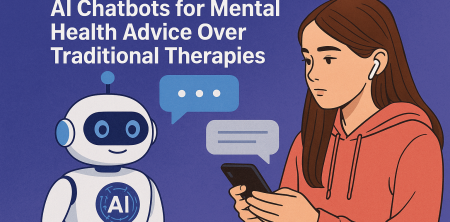
Mental health is a pressing concern for teens today, and as traditional avenues of support sometimes fall short, a growing trend has emerged: many young people are turning to AI chatbots for mental health advice. This shift raises important questions regarding the effectiveness and safety of machine-generated guidance. As technology permeates our lives, the way we seek help has transformed, pushing boundaries and challenging norms.
The Rise of AI Chatbots in Mental Health
AI chatbots have made significant inroads into the realm of mental health support, particularly among younger demographics. In recent years, their prevalence has skyrocketed, driven by an increasing number of teens feeling isolated and anxious. Studies report that approximately 1 in 5 teenagers experience mental health issues, prompting many to seek help in unconventional spaces.
According to a survey conducted by the Pew Research Center, around 60% of teens have engaged with technology for mental health support, indicating a clear shift in how this generation approaches their emotional well-being. With their 24/7 availability, chatbots offer a sense of immediacy, allowing teens to seek advice at any time, often with anonymity.
Why Teens Prefer AI Chatbots
Several factors contribute to the appeal of AI chatbots for mental health advice among teenagers. Firstly, there is the element of privacy. Many young people are hesitant to discuss their struggles openly due to fear of judgment or stigma. Chatbots provide a safe space to express their feelings without the fear of being scrutinized.
Additionally, the accessibility of chatbots is a crucial factor. Traditional therapy often involves long wait times and logistical challenges, such as scheduling conflicts and transportation issues. In contrast, chatbots can be accessed anytime and anywhere, making them a convenient alternative. This immediacy can be comforting for teens who might feel overwhelmed or in crisis.
The Emotional Connection: Do Chatbots Offer Real Support?
While AI chatbots can provide immediate responses and resources, the emotional connection that human interactions provide is often missing. Experts emphasize that while chatbots can be helpful for providing information or basic coping strategies, they lack the empathy and nuanced understanding that human therapists offer. This raises a critical question: can AI truly replace human interaction in mental health care?
Research indicates that while chatbots can assist in managing mild anxiety or stress, they may not be equipped to handle more severe mental health issues that require professional intervention. In some cases, reliance on these tools could inadvertently lead to a delay in seeking necessary help from qualified professionals.
Parental Concerns: Safety and Dependency
As the trend of AI chatbots in mental health support grows, so do parental concerns. Many parents worry about the safety of their children engaging with AI technology alone. Questions arise about the quality of advice provided and whether chatbots can genuinely help in a meaningful way.
Moreover, the potential for dependency is troubling. If a teen becomes too reliant on a chatbot for emotional support, they might hesitate to seek out direct human interactions, which are vital for developing coping skills and emotional intelligence. Parents are right to be cautious, as over-reliance on technology could hinder personal growth and resilience.
The Role of Educators and Clinicians
Educators and mental health professionals play a significant role in navigating this new terrain. By understanding the allure of AI chatbots for their students, they can better address the needs of teens and provide appropriate guidance. Schools are beginning to incorporate technology into their mental health programs, offering resources that combine both AI and traditional support systems.
Moreover, clinicians can utilize chatbots as supplementary tools. They can guide teens toward these resources when appropriate, but also emphasize the importance of human connection in therapy. This balanced approach could enhance overall mental health support for young individuals. (See: CDC data on children's mental health.)
Chatbots: Filling Gaps in Care?
AI chatbots may serve to fill gaps in the mental health care system, particularly in areas where access to professional help is limited. In rural or underserved communities, where mental health resources are scarce, chatbots can provide an essential lifeline. They can help bridge the gap until a professional can be accessed, ensuring that young people don’t feel completely isolated in their struggles.
This is particularly relevant in light of the ongoing mental health crisis exacerbated by the COVID-19 pandemic, which has left many feeling disconnected and anxious. AI chatbots can help ease some burdens by offering immediate resources and coping strategies during times of crisis.
Real Stories: Teens’ Experiences with AI Chatbots
To better understand this phenomenon, we spoke to several teens about their experiences with AI chatbots. One 16-year-old shared that they had been feeling overwhelmed by school stress and turned to a chatbot for support. They found the immediate access to coping techniques comforting, stating, "I didn’t have to wait for a therapist’s appointment; I could just type in my feelings and get help right away."
Another teen described a different experience, expressing concern about the lack of personalization in chatbot responses. “Sometimes, I felt like I was just talking to a wall,” they said. “I needed someone to really hear me, not just provide me with generic advice.” These varied experiences highlight the importance of recognizing the limits of AI support.
Ensuring AI Chatbots Provide Quality Care
As the use of AI chatbots continues to grow, it's essential to focus on ensuring they provide quality care. Developers must prioritize creating algorithms that are not only responsive but also sensitive to the complexities of mental health issues. Incorporating diverse data sets can help improve the chatbot’s ability to respond accurately to a variety of scenarios.
Moreover, ongoing research into the effectiveness of these chatbots is crucial. Evaluating their impact on mental health outcomes will help shape future developments and inform how they can best serve young people. Collaborations between tech companies and mental health professionals could lead to innovations that enhance the quality of care provided by these AI systems.
The Future of Mental Health Support: A Hybrid Approach
Looking ahead, a hybrid model of support that combines AI chatbots with traditional therapy may be the way forward. By leveraging the strengths of both approaches, we can create a more comprehensive support system for teens. AI can provide immediate resources, while human professionals can offer deeper emotional support and connection.
This model could lead to improved mental health outcomes, as teens learn to utilize technology responsibly while still valuing the importance of in-person interactions. Encouraging a balanced approach may help to foster resilience, empowering young people to seek help when they need it most.
Challenges in AI Chatbot Development
Despite the potential benefits, developing effective AI chatbots for mental health advice comes with significant challenges. One major issue is ensuring the emotional intelligence of the chatbot. While developers can program chatbots to recognize certain keywords or phrases, the subtleties of human emotion often elude even the most sophisticated algorithms. For example, a teen might type, "I'm feeling down," but what they really need is guidance on coping strategies or a safe space to vent their feelings.
Another challenge lies in data privacy. Many teens may be unaware of how their conversations are stored or used, raising ethical concerns about confidentiality. Companies must navigate these waters carefully, ensuring that any data collected is handled with the utmost care to protect users' identities and personal information.
Statistics on Teen Mental Health and Technology Usage
The statistics surrounding teen mental health and their use of technology are both alarming and enlightening. According to the National Institute of Mental Health, more than 3 million adolescents aged 12 to 17 experienced at least one major depressive episode in 2020. This statistic underscores the urgent need for accessible mental health resources.
In a separate study published by the Journal of Adolescent Health, researchers found that over 70% of teens reported using mobile apps for mental health support. This statistic suggests a significant shift in how teens are not only seeking help but also what formats they prefer. Apps and chatbots can offer immediate information, coping mechanisms, and a sense of community that traditional methods may not provide.
The Importance of User Feedback in Chatbot Development
User feedback plays a critical role in the ongoing development of AI chatbots. Just like any service, continual improvement is necessary to meet user needs effectively. Developers can gather feedback through surveys, ratings, and direct conversations to understand how well their chatbots are performing. An effective feedback loop can identify common pain points, such as lack of response accuracy or personalization, allowing developers to make necessary adjustments. (See: NIMH statistics on mental illness.)
Furthermore, involving mental health professionals in the feedback process can ensure that the algorithms remain aligned with best practices in mental health care. This collaborative approach can potentially enhance the chatbot's effectiveness and reduce the risk of spreading misinformation.
Expert Perspectives on AI Chatbots
Experts in mental health and technology have mixed feelings about the role of AI chatbots. Dr. Sarah Johnson, a clinical psychologist, notes, "Chatbots can serve as a great first step for teens who may be hesitant to seek help. They can provide basic coping mechanisms and information, but they shouldn't be seen as replacements for human therapists." Her perspective highlights the importance of viewing chatbots as part of a larger ecosystem of mental health support.
On the other hand, tech experts like Dr. Mike Roberts emphasize the potential for AI to evolve. He states, "As technology progresses, we might see chatbots becoming more adept at understanding emotional nuance, making them a more viable option for support." This optimism points to a future where AI chatbots could provide increasingly personalized and effective advice.
Comparing AI Chatbots to Traditional Therapy
When comparing AI chatbots to traditional therapy, it's essential to weigh the pros and cons of each. Traditional therapy often involves face-to-face interactions, providing a personal touch that many find essential for healing. Therapists can read body language, voice tone, and other non-verbal cues that may be critical in understanding a client's emotional state.
However, traditional therapy can be inaccessible for some due to costs, availability, and stigma. In contrast, AI chatbots offer a low-cost, immediate alternative that can be accessed at any time. A study by the American Psychological Association found that many teens reported feeling more comfortable sharing their feelings with a chatbot than a human therapist, citing a lower fear of judgment.
This contrast highlights the potential for chatbots to complement traditional methods rather than replace them. The ideal scenario may involve a combination where a chatbot offers initial support and routes users to human therapists when deeper issues arise.
Frequently Asked Questions (FAQ)
Are AI chatbots safe to use for mental health advice?
Generally, AI chatbots are designed with user safety in mind. However, it’s crucial to choose a reputable platform. Always check if the chatbot is developed in collaboration with mental health professionals and ensure it complies with data protection regulations.
Can AI chatbots replace human therapists?
While AI chatbots can provide valuable support, they can't replace the personalized care and emotional connection offered by human therapists. They are best used as supplementary resources rather than substitutes for professional help.
What if a chatbot gives advice that feels harmful or inappropriate?
If you ever feel that a chatbot is providing harmful advice, it’s essential to disengage and seek help from a qualified mental health professional. Most reputable chatbots will have guidelines for escalation if they detect that the user is in crisis.
How can I find a reliable AI chatbot for mental health support?
Look for chatbots that are developed by recognized organizations in mental health. Check reviews, user testimonials, and any information about the team behind the chatbot to ensure credibility.
What do I do if a chatbot makes me feel worse?
It's essential to listen to your feelings. If a chatbot doesn’t resonate with you or makes you feel worse, it’s perfectly okay to stop using it and talk to a trusted friend, family member, or professional for support.
The Impact of AI Chatbots on Mental Health Trends
AI chatbots are not just changing the way teens seek help; they are influencing overall mental health trends among young people. With the increasing use of technology, researchers are finding that chatbots can help reduce feelings of isolation. For instance, a recent study published in the Journal of Medical Internet Research found that users of mental health chatbots reported a significant decrease in anxiety levels after a few sessions. This suggests that when used correctly, these tools can facilitate positive shifts in mental health.
The rise in AI chatbot usage is also encouraging more discussions around mental health in broader contexts. As these tools become more common, they may help destigmatize mental health issues, making it easier for teens to talk about their feelings. As the conversation around mental health becomes more normalized, the hope is that more young people will seek help — whether through chatbots or traditional therapy.
AI Chatbots as Part of a Larger Ecosystem
While AI chatbots offer immediate and accessible support, they are one part of a much larger ecosystem of mental health resources. Traditional therapy, peer support groups, school counselors, and community programs all play crucial roles in supporting young people. The ideal approach combines these resources, allowing teens to find the support that works best for them.
For example, a teen struggling with severe anxiety may start with a chatbot for immediate coping strategies but should ideally follow up with a therapist for deeper issues. This multi-faceted support system can provide a more comprehensive safety net for young people navigating their mental health.
The Importance of Mental Health Education
As AI chatbots become more prevalent, the importance of mental health education cannot be overstated. Teens need to be equipped with the knowledge of how to use these tools effectively and responsibly. Schools can play a valuable role in this educational effort by integrating mental health literacy into the curriculum. Understanding the difference between AI chatbots and professional help is essential for young people to make informed decisions about their mental health.
Programs that educate teens about mental health symptoms, coping strategies, and when to seek help can empower them to take charge of their emotional well-being. These educational initiatives can also teach young people to critically evaluate the advice they receive from chatbots, ensuring they are seeking help in a healthy and constructive way.
Final Thoughts: Embracing Technology with Care
The rise of AI chatbots for mental health advice reflects a significant cultural shift in how young people seek help. While they offer numerous benefits, such as convenience and anonymity, we must remain cautious about the potential pitfalls of relying solely on technology for emotional support. The solution lies in embracing technology while ensuring it complements traditional methods of support. By fostering open dialogues among teens, parents, educators, and mental health professionals, we can ensure that these innovative tools serve their intended purpose without detracting from the human connections that are vital for mental well-being.
```
Trending Now
Frequently Asked Questions
Why are teens using AI chatbots for mental health advice?
Teens are turning to AI chatbots for mental health advice due to factors like privacy, accessibility, and convenience. Many young people feel hesitant to discuss their struggles openly, and chatbots provide a judgment-free space. Additionally, the 24/7 availability of chatbots makes it easier for teens to seek immediate support, especially during times of crisis.
What are the benefits of AI chatbots for mental health?
AI chatbots offer several benefits for mental health support, including immediate access to advice, anonymity, and convenience. They eliminate the long wait times and logistical issues often associated with traditional therapy, allowing teens to express their feelings whenever they need help, thus making mental health resources more accessible.
Are AI chatbots effective for mental health support?
While AI chatbots can provide immediate support and resources, their effectiveness varies. They can offer coping strategies and emotional assistance, but they are not a substitute for professional therapy. It's essential for users to recognize the limitations of chatbots and seek professional help for more serious mental health issues.
How do AI chatbots help with teen mental health issues?
AI chatbots assist teens with mental health issues by providing a safe and private platform for expressing feelings. They can deliver instant responses to questions, suggest coping mechanisms, and guide users towards helpful resources, making it easier for teens to manage their emotional well-being without fear of judgment.
What are the risks of using AI chatbots for mental health advice?
The risks of using AI chatbots for mental health advice include potential misinformation, lack of personalized care, and the inability to handle severe mental health crises. Users should approach chatbot advice cautiously and consider it a supplementary resource rather than a replacement for professional mental health services.
What did we miss? Let us know in the comments and join the conversation.

