```html
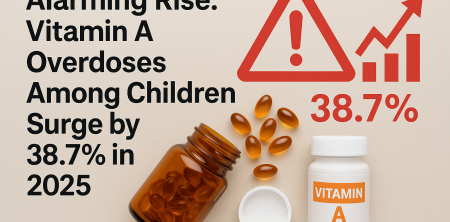
The alarming rise in vitamin A overdoses among children has sent shockwaves through healthcare communities, with a staggering 38.7% increase reported between January and March 2025. This statistic translates to 86 cases reported by America’s Poison Centers during this period, compared to the same timeframe in 2024. Such a spike raises vital questions about the perception of vitamins as inherently safe and the implications of misleading health information in today’s digital landscape.
1. The Statistics Behind the Surge
In just three months, the increase in cases of vitamin A overdose has become a critical public health concern. Specifically, the 86 reported cases highlight a growing trend that has alarmed pediatricians and toxicologists alike. A deeper dive into these statistics reveals that children, especially those under the age of five, are particularly vulnerable due to their smaller body sizes and nutritional needs.
According to the report, the surge in cases coincided with a notable rise in misinformation circulating on social media platforms and through influential public figures. As parents increasingly turn to online sources for health advice, the potential for misunderstanding and misapplication of information regarding vitamin supplementation has never been greater.
2. Understanding Vitamin A and Its Importance
Vitamin A is a fat-soluble vitamin critical for various bodily functions, including vision, immune system performance, and skin health. Found in foods like carrots, sweet potatoes, and green leafy vegetables, it plays a fundamental role in growth and development in children.
While vitamin A is essential, it’s important to recognize that it’s possible to consume too much of it, especially through supplements. Unlike water-soluble vitamins — which are excreted through urine when consumed in excess — fat-soluble vitamins can accumulate in the body and lead to toxicity. For parents, understanding the balance between ensuring adequate intake and avoiding overdose is crucial.
3. The Role of Misinformation
The spike in vitamin A overdoses has been linked to widespread misinformation suggesting that vitamin A can prevent or treat measles. This claim was notably amplified by popular podcasts and social media influencers, leading many parents to believe that higher doses of vitamin A could be a protective measure against the disease.
A research letter published in JAMA Network Open discussed how seemingly credible but incorrect health messaging can persuade parents to over-administer vitamin supplements. This trend is particularly concerning given the ongoing measles outbreak affecting 45 jurisdictions across the U.S. The combination of a current health crisis and misleading information creates a perfect storm for the unintentional overconsumption of supplements.
4. The Current Measles Outbreak
The resurgence of measles has been a troubling issue for public health officials, with the disease making a comeback due to declining vaccination rates. Currently, measles is present in 45 jurisdictions, striking fear in parents who are eager to protect their children. Misinformation surrounding vitamin A’s role in combating the disease has only heightened this fear.
This outbreak has led to increased discussions about the importance of vaccinations and the need for accurate health information. While vitamin A is indeed important for immune function, believing that it can replace vaccines is a dangerous misconception. Health authorities continually emphasize that vaccines are the most effective way of preventing measles and other infectious diseases.
5. How Misinformation Spreads
Misinformation spreads rapidly through social media platforms, often fueled by sensational headlines and the credibility of influencers. In the case of vitamin A, statements made by public figures about its supposed benefits against measles have prompted many parents to make health decisions based on inaccurate claims.
Social media algorithms can exacerbate the issue by promoting content that engages viewers, regardless of its accuracy. This cycle creates an environment where misinformation can thrive, leading to public health risks like the rise in vitamin A overdoses. Understanding how and why this misinformation spreads is crucial for developing strategies to combat it.
6. Recognizing the Symptoms of Overdose
Parents need to be aware of the symptoms associated with vitamin A overdose, which can include nausea, dizziness, headaches, and in severe cases, liver damage or increased intracranial pressure. These symptoms can be alarming and may require immediate medical attention. (See: CDC on Vitamin A Importance.)
Recognizing the signs of overdose can potentially save lives. Caregivers should be vigilant about their children’s vitamin intake, particularly when using supplements. Keeping an accurate log of what vitamins are administered and consulting healthcare professionals regularly can help mitigate risks.
7. How to Ensure Safe Vitamin A Intake
To ensure your child receives the right amount of vitamin A without risking an overdose, consider the following guidelines:
- Focus on a balanced diet rich in fruits and vegetables.
- Consult with a pediatrician before starting any supplement regimen.
- Be cautious with vitamin A supplements; read labels and avoid exceeding the recommended daily allowance.
- Stay informed about health recommendations from reliable sources.
By emphasizing natural dietary sources and approaching supplementation with caution, parents can promote healthy vitamin A levels without the risk of overdose.
8. The Importance of Reliable Health Information
The surge in vitamin A overdoses highlights the pressing need for reliable health information. Parents should be wary of health advice from non-professionals and should prioritize information from trusted sources, such as pediatricians and health organizations.
Regular community health initiatives that promote accurate health messaging can play a critical role in combating misinformation. Improving health literacy among parents can help them make informed decisions regarding their children’s health and nutrition.
9. Moving Forward: Preventing Future Overdoses
As we look ahead, addressing the rising incidence of vitamin A overdoses will require a multifaceted approach. This includes better education for parents, more stringent regulations on health information dissemination, and fostering an environment where reliable health sources are prioritized.
It's vital that as a society, we cultivate a culture of skepticism toward sensational claims, particularly those found online. By equipping parents with accurate information and resources, we can prevent future cases of vitamin A overdose while ensuring that children receive the nutrition they need to thrive.
10. Vitamin A Toxicity: Causes and Consequences
Vitamin A toxicity doesn't happen overnight; it builds up in the body over time, often becoming a risk when doses far exceed recommended levels. This can occur through excessive supplementation or a highly concentrated dietary intake, particularly in children who may not yet have the ability to communicate their symptoms effectively. The consequences of toxicity can range from mild to severe, depending on the amount and duration of excess intake.
Chronic vitamin A overdose presents itself with symptoms like dry skin, hair loss, and more severe complications such as bone pain and liver damage. Studies have shown that the liver, which is responsible for storing vitamin A, can swell and lead to severe health issues if excess levels are sustained. It’s important for caregivers to monitor vitamin A intake closely, especially if their children are on a diet rich in liver or fish oils, which are known to contain high concentrations of this vitamin.
11. Dietary Sources of Vitamin A
To better understand how to prevent vitamin A overdose, it's helpful to know which foods are rich in this essential nutrient. There are two primary forms of vitamin A in the diet: retinol, found in animal products, and provitamin A carotenoids, found in plant-based foods.
Animal Sources
Foods such as beef liver, fish liver oils, eggs, and dairy products are excellent sources of retinol. For instance, just a small serving of beef liver can contain up to 30,000 micrograms of vitamin A, far above the recommended daily allowance.
Plant Sources
On the other hand, provitamin A carotenoids can be found in colorful fruits and vegetables like carrots, sweet potatoes, and leafy greens. These plant-based sources offer a safer alternative as the body regulates the conversion of carotenoids to vitamin A, significantly lowering the risk of overdose.
12. Expert Perspectives on Vitamin A Risks
Nutritionists and pediatricians advocate for a balanced approach to vitamin A intake. Dr. Emily Johnson, a pediatric nutrition specialist, emphasizes the importance of whole foods over supplements: "Getting vitamin A from dietary sources allows for a natural regulation of intake, which minimizes the risk of toxicity that supplements can pose." This stance is widely supported in the medical community and aligns with public health recommendations that prioritize nutritional adequacy through food. (See: WHO Fact Sheet on Vitamin A.)
Additionally, Dr. Mark Adams, a toxicologist, points out that even well-meaning parents can misinterpret recommendations. "Many parents believe that more is better. They don't realize that high doses of fat-soluble vitamins can accumulate and cause harm." Such expert insights underline the necessity for clear and consistent health messaging aimed at families.
13. Comparing Vitamin A with Other Fat-Soluble Vitamins
While vitamin A is crucial for children, it’s important to understand how it compares with other fat-soluble vitamins like D, E, and K, particularly regarding the risks of overdose. Each of these vitamins has its own set of properties and safe intake levels:
Vitamin D
Excessive vitamin D can lead to hypercalcemia, a condition where calcium levels in the blood become dangerously high, posing severe health risks. Like vitamin A, vitamin D is stored in the liver and fat tissues, making it crucial to adhere to recommended dosage guidelines.
Vitamin E
Vitamin E overdose can hinder blood clotting, particularly in individuals on anticoagulant medications. This vitamin is less commonly associated with toxicity but still requires monitoring, especially in the context of supplementation.
Vitamin K
Vitamin K is generally considered safe even at higher levels but can interfere with blood thinners. Each vitamin carries unique risks, reinforcing the importance of a balanced intake rather than relying solely on supplements.
14. FAQs About Vitamin A Overdose
What is the recommended daily allowance (RDA) for vitamin A?
The RDA for vitamin A varies by age and gender. For children, the RDA typically ranges from 300 to 600 micrograms of retinol activity equivalents (RAE) depending on their age.
What should I do if I suspect my child has overdosed on vitamin A?
If you suspect an overdose, contact a healthcare provider or poison control immediately. They can provide guidance on the appropriate steps to take based on the severity of the symptoms.
How can I tell if my child is receiving enough vitamin A?
Monitor their diet and consult with a pediatrician, who can provide tailored advice based on growth and developmental milestones. Signs of deficiency may include issues with vision and increased susceptibility to infections.
Are there any groups that are more at risk for vitamin A overdose?
Young children, particularly those under five, are at higher risk due to their smaller body sizes and developing metabolism, making it crucial for caregivers to be vigilant about their vitamin intake.
Can natural food sources lead to vitamin A toxicity?
It's highly unlikely for natural food sources to cause toxicity, as the body regulates the absorption of provitamin A carotenoids effectively. However, consuming concentrated sources like liver in excessive amounts can pose a risk.
15. Additional Risks of Vitamin A Overdose
Aside from immediate symptoms, chronic vitamin A overdose can lead to long-term health issues. For instance, studies have linked excessive vitamin A intake to an increased risk of osteoporosis, particularly in older adults and postmenopausal women. The potential for long-term bone health problems underscores the importance of moderation. (See: NIH Study on Vitamin A Risks.)
Furthermore, pregnant women need to be especially cautious about vitamin A consumption, as excessive intake can lead to teratogenic effects that may harm fetal development. This has led to specific guidelines for pregnant women to limit their intake of vitamin A-rich foods, particularly liver, and to consult their healthcare providers about appropriate supplementation.
16. The Role of Healthcare Providers
Healthcare providers play a crucial role in educating parents about vitamin A and its safe intake. Regular check-ups should include discussions about nutrition, dietary sources of vitamins, and the risks associated with supplementation. Pediatricians can help parents set reasonable expectations about their children’s dietary needs and how to meet them through food rather than high-dose supplements.
Additionally, healthcare professionals can advocate for public health campaigns that focus on educating the community about the dangers of misinformation and the importance of accurate health information. This could include workshops, informational pamphlets, and community seminars aimed at enhancing public understanding of vitamin nutrition.
17. Community Initiatives to Combat Misinformation
Community initiatives can be a powerful tool in combating misinformation related to vitamin intake. Local health departments can collaborate with schools, childcare centers, and community organizations to distribute resources that clarify safe vitamin practices. Interactive workshops could engage parents in discussions about nutrition, the importance of vaccines, and the risks of excessive supplementation.
Social media campaigns can also be effective in promoting accurate information and debunking myths surrounding vitamin A and other vitamins. By partnering with trusted influencers and health professionals, communities can leverage digital platforms to spread facts over fiction, making health education more accessible and engaging.
18. Future Research Directions
As the understanding of vitamin A and its effects continues to evolve, future research will be vital in identifying the most effective strategies for preventing overdose and ensuring safe intake. Investigating the relationship between dietary habits, supplement use, and health outcomes will help public health experts develop tailored recommendations for diverse populations.
Furthermore, research into how misinformation spreads among different demographics can help shape targeted interventions. By understanding the nuances of how parents seek and interpret health information, health organizations can devise more effective communication strategies that resonate with families.
19. Conclusion
In summary, the increase in vitamin A overdoses highlights a critical need for awareness and education surrounding vitamin supplementation, particularly for children. By prioritizing reliable health information and understanding the risks associated with excessive intake, parents can better protect their children's health. Emphasizing the importance of a well-rounded diet rich in natural sources of vitamins can go a long way in ensuring that children receive the nutrition they need without the risk of overdose.
```
Trending Now
Frequently Asked Questions
What are the symptoms of vitamin A overdose in children?
Symptoms of vitamin A overdose in children can include nausea, vomiting, dizziness, headache, and in severe cases, blurred vision or increased intracranial pressure. Parents should be vigilant, especially if their child has been taking vitamin A supplements, and consult a healthcare professional if any symptoms arise.
How much vitamin A is safe for children?
The recommended dietary allowance (RDA) for vitamin A varies by age. For children aged 1-3 years, the RDA is 300 micrograms, while for ages 4-8 years, it is 400 micrograms. It's crucial to consult a pediatrician before giving supplements to ensure safety and proper dosage.
Why are vitamin A overdoses increasing among children?
The increase in vitamin A overdoses among children, reported at 38.7%, is attributed to rising misinformation about vitamin supplements on social media. As parents rely more on online health advice, misunderstandings about safe dosages and the importance of whole foods can lead to dangerous situations.
What should parents know about vitamin A and supplements?
Parents should understand that while vitamin A is essential for growth and development, it can be toxic in excess. Unlike water-soluble vitamins, fat-soluble vitamins like A can accumulate in the body. Consulting with a healthcare provider before starting any supplementation is essential.
How can parents prevent vitamin A overdose in their children?
To prevent vitamin A overdose, parents should ensure their children receive nutrients from a balanced diet rich in fruits and vegetables, rather than relying solely on supplements. Additionally, they should be cautious about supplement dosages and seek guidance from healthcare professionals when in doubt.
Have you experienced this yourself? We'd love to hear your story in the comments.

