```html
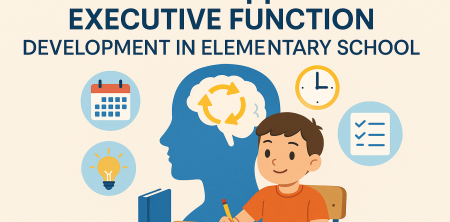
Understanding the development of executive function skills in elementary school is crucial for fostering cognitive and academic growth in young learners. Executive function skills refer to a set of mental processes that include working memory, cognitive flexibility, and inhibitory control. These skills play a vital role in how children manage their thoughts, actions, and emotions, influencing their ability to learn in the classroom and social contexts.
As educators and parents, supporting the development of these skills from an early age can set children on a path toward success. This article highlights nine effective strategies to enhance executive function skills in elementary school, providing practical insights that can be applied at home and in the classroom.
1. Encouraging Structured Routines
Establishing structured routines at home and in school is one of the most effective ways to support executive function development. Children thrive when they know what to expect, as routines help them to develop self-discipline and time management skills. For example, a consistent morning routine can include specific tasks like brushing teeth, getting dressed, and packing school bags in a set order.
In the classroom, teachers can implement schedules that outline daily activities, allowing students to anticipate transitions. Visual aids, such as charts or calendars, can enhance this process, providing a clear representation of what’s next. Children learn to plan their actions ahead and prioritize tasks when they know the structure of their day, which fosters their executive function abilities.
2. Promoting Goal Setting
Goal setting is another vital strategy for enhancing executive function skills in elementary school. When children learn to set realistic, achievable goals, they develop their foresight and planning abilities. Educators can teach students to create SMART (Specific, Measurable, Achievable, Relevant, Time-bound) goals for projects or personal growth.
For example, a student might set a goal to read five books in a month (specific and measurable) rather than just stating they want to read more. Encouraging children to break larger goals into manageable steps not only aids in their understanding of task completion but also builds their resilience. They learn to evaluate their progress, adjust as necessary, and celebrate achievements, which contributes to a greater sense of self-regulation.
3. Implementing Mindfulness Practices
Mindfulness activities can significantly improve executive function skills by enhancing focus and reducing impulsivity. Simple breathing exercises, yoga, or short meditation sessions can help children learn to manage their emotions and attention better. These practices encourage students to become more aware of their thoughts and feelings, leading to improved emotional regulation.
Schools can integrate mindfulness into their daily routines, perhaps at the beginning of a lesson or after recess. Even a few minutes of focused breathing can help ground students, allowing them to return to learning with a clearer mind. Over time, these practices can foster greater cognitive flexibility and enhance problem-solving skills, which are core components of executive function.
4. Encouraging Social Skills Development
Social interactions significantly contribute to the development of executive function skills in elementary school. Engaging with peers allows children to practice impulse control, negotiation, and cooperative problem-solving. Activities such as group projects, team sports, or cooperative games can provide valuable opportunities for children to navigate social dynamics.
Educators should create environments that encourage collaboration and discussion among students. Teaching children how to express their thoughts clearly and listen to others can enhance their cognitive flexibility. Moreover, practicing these skills in a supportive environment helps children learn to manage conflicts and work towards shared goals, which are essential components of executive functioning.
5. Utilizing Technology Wisely
In the digital age, technology can be a powerful ally in developing executive function skills. Educational apps and games that require planning, strategy, and reflection can engage children while honing their cognitive abilities. For instance, puzzle-solving games can boost critical thinking and working memory, which are vital for overall executive function development. (See: Executive function and academic success.)
However, it’s crucial to strike a balance and ensure that technology is used positively. Parents and teachers should monitor screen time and select educational content that encourages skill development rather than passive consumption. By aligning technology use with executive function goals, children can leverage digital tools to enhance their learning experiences effectively.
6. Teaching Problem-Solving Strategies
Problem-solving is at the heart of executive function skills. Teaching children specific strategies for tackling challenges can empower them to approach tasks with confidence. Techniques such as brainstorming potential solutions, weighing pros and cons, and thinking through the consequences of different actions can provide students with a framework for effective decision-making.
Encouraging children to work through problems collaboratively can also enhance their critical thinking abilities. Schools can introduce real-life scenarios where students must devise solutions as a team. This not only fosters communication but also encourages cognitive flexibility—an essential aspect of executive function.
7. Incorporating Physical Activity
Regular physical activity has profound effects on brain development and executive function skills. Exercise increases blood flow to the brain, enhances mood, and improves cognitive functioning. Activities such as sports, dance, or even outdoor play can provide essential breaks that stimulate mental processing and focus.
Schools should prioritize physical education and recess as integral parts of the curriculum. Research shows that children who engage in regular physical activity display better concentration and memory retention. By linking physical health to cognitive skills, educators can create a holistic approach to learning that nurtures both body and mind.
8. Providing Frequent Feedback
Feedback plays a critical role in the development of executive function skills. When children receive constructive feedback on their work or behavior, they can reflect on their processes and outcomes. This reflection helps them identify areas for improvement and reinforces the importance of self-regulation.
Teachers and parents should aim to provide specific, actionable feedback rather than general praise. For example, instead of saying, “Good job,” it’s more beneficial to say, “I noticed you organized your project well, and that helped you explain your ideas clearly.” Such feedback prompts children to think about their strategies and encourages them to replicate successful behaviors in future tasks.
9. Creating a Supportive Environment
Lastly, fostering a supportive environment both at home and in school is paramount for developing executive function skills. Children flourish in settings where they feel safe to express themselves, make mistakes, and learn from them. Parents and educators should create atmospheres that encourage curiosity, exploration, and resilience.
Open lines of communication, emotional support, and a non-judgmental approach to challenges help children develop confidence in their abilities. By nurturing a culture of support and understanding, adults can empower young learners to take charge of their executive function development and equip them with the skills necessary for future academic and personal success.
The Role of Executive Function Skills in Academic Success
Understanding the importance of executive function skills in the context of academic performance is essential. Studies show that children with strong executive function skills typically perform better in school. A 2020 study published in the journal Child Development found that executive function skills were significant predictors of academic success, even more than IQ. Children who excel in working memory, flexible thinking, and self-control tend to achieve higher grades and standardized test scores.
This correlation can be attributed to several factors. For instance, students who can manage their attention and resist distractions are more likely to engage actively with learning materials. They are also better equipped to apply their knowledge in different contexts, which reflects cognitive flexibility. Teachers can leverage this understanding by integrating lessons that specifically target the enhancement of these skills within their curricula.
Interventions and Support Programs
Numerous interventions and support programs have been developed to enhance executive function skills in elementary school children. Programs such as the Tools of the Mind curriculum focus on play-based learning, which emphasizes self-regulation and problem-solving. This approach fosters executive function development through activities that require children to plan, organize, and execute tasks collaboratively.
Other notable programs include MindUp and Second Step, both of which incorporate mindfulness and social-emotional learning to enhance executive function. These programs not only target academic skills but also focus on developing resilience, empathy, and interpersonal skills. Schools adopting such programs often report improvements in student behavior, engagement, and overall academic performance. (See: Supporting learning and development.)
Expert Perspectives on Executive Function Skills
Experts in child psychology and education stress the importance of nurturing executive function skills early in life. Dr. Adele Diamond, a leading researcher in cognitive development, emphasizes that these skills are not just essential for academic success but are critical for success in life as well. She advocates for play-based learning as a means to foster creativity and problem-solving skills, essential components of executive function.
Moreover, Dr. Laura Phillips, an educational psychologist, points out that executive function skills are linked to emotional intelligence. She notes, "Children who can control their impulses and think ahead are not only better students but also more effective communicators and friends." This perspective highlights the broader implications of executive function beyond academic settings, emphasizing its relevance in everyday life and social interactions.
Statistics Highlighting the Need for Executive Function Development
The statistics surrounding executive function skills are compelling. According to the National Center for Learning Disabilities, around 1 in 5 children in the United States has learning and attention issues that can be linked to weak executive function skills. This underscores the necessity for educators and parents to prioritize the development of these skills from an early age.
Furthermore, a study published in the journal Developmental Psychology found that children with stronger executive function skills were more likely to complete tasks, stay organized, and exhibit better emotional regulation, which directly correlates to their academic performance. These findings depict a clear need for targeted programs and interventions to bolster these skills among children, especially those at risk for academic failure.
FAQs About Executive Function Skills in Elementary School
What are executive function skills?
Executive function skills are cognitive processes that help individuals plan, focus, remember instructions, and juggle multiple tasks. They include working memory, cognitive flexibility, and inhibitory control, which are crucial for managing thoughts, actions, and emotions.
Why are executive function skills important in elementary school?
These skills are vital for academic success and social interactions. Children with strong executive function skills are better equipped to manage their learning, follow directions, and work cooperatively with peers, ultimately leading to improved academic performance.
How can parents support the development of executive function skills at home?
Parents can create structured routines, encourage goal setting, and engage children in problem-solving activities. Implementing consistent schedules and providing feedback on their efforts can significantly enhance their executive function skills.
What role do teachers play in developing executive function skills?
Teachers can create supportive classroom environments that promote collaboration and communication. They can integrate strategies such as mindfulness practices and provide opportunities for goal setting and self-assessment to enhance students' executive function skills.
Can executive function skills be improved over time?
Yes, executive function skills can be improved with practice and targeted interventions. Programs that focus on specific skills, such as working memory training and self-regulation activities, can lead to significant improvements in children's cognitive abilities.
New Perspectives on Executive Function Skills
Recent research has expanded our understanding of executive function skills, emphasizing their developmental trajectory. For instance, studies suggest that executive function skills begin to emerge in early childhood and continue to develop through late adolescence. This indicates that early intervention can make a significant difference.
According to research from the Institute for Learning and Brain Sciences, the development of executive function skills can be influenced by environmental factors, including the quality of parental involvement and educational settings. Children from enriched environments that provide stimulating activities, strong support systems, and opportunities for exploration tend to develop these skills more effectively.
Comparing Executive Function Skills Across Different Learning Environments
The learning environment plays a crucial role in the development of executive function skills. Traditional classroom settings often emphasize rote learning and standardized testing, which can inadvertently neglect the holistic development of these essential skills. In contrast, progressive educational systems that prioritize project-based learning, creativity, and collaboration tend to foster stronger executive function skills.
For example, schools that incorporate experiential learning and allow for hands-on activities enable students to practice self-regulation and cognitive flexibility in real-world scenarios. This integrated approach helps children learn how to navigate challenges and think critically, preparing them for future academic and life challenges.
Long-Term Implications of Executive Function Skills
Executive function skills are foundational not just for academic success, but also for long-term personal and professional outcomes. Research has shown that children who develop robust executive function skills tend to have better job prospects, higher educational attainment, and improved interpersonal relationships as adults. This long-term impact underscores the crucial need for early intervention and consistent support in developing these skills.
Moreover, as adulthood approaches, individuals with strong executive function skills are more likely to exhibit better emotional regulation, resilience under stress, and proactive problem-solving abilities. These skills are essential for navigating the complexities of adult life, including workplace dynamics, personal relationships, and community engagement.
Building Executive Function Skills through Extracurricular Activities
Extracurricular activities offer a unique platform for enhancing executive function skills beyond the classroom. Participation in sports, music, and clubs can cultivate essential skills such as teamwork, leadership, and time management.
For instance, a child involved in a school band must practice regularly, collaborate with peers, and adhere to schedules, all of which reinforce executive function skills. Similarly, team sports require strategic thinking, impulse control, and the ability to work towards a common goal, providing a practical outlet for developing these critical skills.
Conclusion: The Path Forward for Executive Function Skills Development
In summary, promoting executive function skills in elementary school is essential for helping children thrive academically and socially. By implementing these nine strategies and embracing a holistic approach to development, educators and parents can create environments that enhance these critical skills. As children learn to manage their thoughts, actions, and emotions effectively, they are better prepared to face the challenges of both school and life.
Ultimately, nurturing executive function skills not only supports academic achievement but also fosters the development of well-rounded, resilient individuals equipped to navigate the complexities of the modern world.
```
Trending Now
Frequently Asked Questions
What are executive function skills in children?
Executive function skills in children include working memory, cognitive flexibility, and inhibitory control. These mental processes help children manage their thoughts, actions, and emotions, which are essential for learning and social interactions.
How can parents support executive function development?
Parents can support executive function development by establishing structured routines at home. Consistent daily activities help children develop self-discipline and time management skills, which are crucial for their cognitive growth.
What strategies can teachers use to enhance executive function in the classroom?
Teachers can enhance executive function by implementing schedules that outline daily activities, using visual aids like charts or calendars, and promoting goal-setting strategies. These methods help children anticipate transitions and plan their actions.
Why is goal setting important for children?
Goal setting is important for children because it helps them develop foresight and planning abilities. By learning to create SMART goals, children can improve their motivation and focus, enhancing their overall academic performance.
What role do routines play in cognitive development?
Routines play a significant role in cognitive development by providing children with a sense of predictability and security. This structure allows them to practice self-discipline, prioritize tasks, and improve their executive function skills.
Agree or disagree? Drop a comment and tell us what you think.

