```html
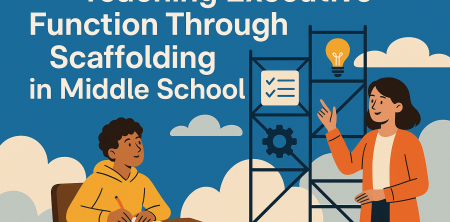
When we think about what it takes to succeed in school, we often focus on core subjects like math, science, and reading. However, there’s another set of skills that’s just as essential: executive function skills. These cognitive abilities, which include planning, organization, and self-regulation, are crucial for middle school students as they navigate increasing academic demands and social complexities. The good news is that these skills can be taught effectively using a method known as scaffolding.
Understanding Executive Function Skills
Executive function refers to a collection of cognitive processes that help individuals manage their thoughts, actions, and emotions. For middle school students, mastering executive function skills is particularly relevant, given the transition from elementary to secondary education. At this age, students face greater expectations regarding their ability to work independently and manage their time effectively. Key executive function skills include:
- Working Memory: The ability to hold and manipulate information in mind over short periods.
- Inhibition: The capacity to control impulses and resist distractions.
- Cognitive Flexibility: The skill to switch between tasks or adapt to new situations.
- Planning and Organization: The ability to set goals, plan steps to achieve them, and organize materials and tasks.
- Self-Regulation: Managing emotions and behaviors to achieve goals.
Research indicates that executive function skills are closely tied to academic performance and overall well-being. According to a 2016 study by McClelland et al., strong executive function skills positively correlate with students’ ability to manage stress and perform in school settings. This importance makes teaching these skills in middle school a critical focus for educators.
The Concept of Scaffolding in Education
Scaffolding is an educational technique that involves providing temporary support to students as they learn new skills or concepts. The goal is to gradually remove this support as students gain independence and confidence. This approach is especially beneficial in teaching executive function skills, as it allows educators to meet students where they are and help them build capabilities step by step.
The term “scaffolding” was popularized by developmental psychologist Jerome Bruner in the 1970s. He emphasized the importance of supportive structures in the learning process. In practice, scaffolding can take various forms, including:
- Modeling: Demonstrating a skill before asking students to attempt it.
- Guided Practice: Providing opportunities for students to practice a skill with teacher support.
- Feedback: Offering constructive feedback to help students refine their skills.
- Gradual Release: Slowly transferring responsibility to the students as they gain proficiency.
By applying scaffolding techniques, educators can effectively teach executive function skills and tailor their approach to individual student needs.
Scaffolding Executive Function Skills: Practical Strategies
Implementing scaffolding strategies in the context of executive function skills can be transformative. Here are several practical approaches educators can adopt:
1. Establish Clear Routines
Routines provide a structured environment that helps middle school students develop organization and planning skills. Establishing a daily schedule with clear expectations can help students understand what is expected of them and when. For example, having designated times for homework, group work, and independent study can help reinforce these executive function skills.
Teachers can also involve students in creating these routines, empowering them to take ownership of their learning process. This involvement can increase motivation and the likelihood of adherence to routines.
2. Use Graphic Organizers
Graphic organizers are visual tools that can help students plan and organize their thoughts. Whether it’s a Venn diagram for comparing and contrasting or a flowchart for outlining processes, these tools can improve students’ working memory and planning abilities.
By providing graphic organizers tailored to specific tasks, educators can scaffold the planning process. For instance, before writing an essay, teachers can offer an outline template to help students structure their thoughts and ideas systematically.
3. Implement Time Management Tools
Teaching students to manage their time effectively is a critical aspect of nurturing executive function skills. Tools such as planners, timers, and digital apps can help students learn to allocate their time wisely. For instance, educators might introduce a simple countdown timer for assignments to help students understand how to pace their work.
Moreover, educators can model time estimation and planning techniques, encouraging students to break larger projects into manageable chunks. This method fosters better self-regulation and organization.
4. Encourage Self-Reflection
Self-reflection is vital for developing metacognitive skills. Encouraging students to think about their learning process can help them identify what strategies work best for them. Teachers can integrate self-reflection into the learning process by asking students to assess their performance after completing a task or project. (See: Connection between health and academic success.)
For example, after finishing a group project, students can discuss what went well, what challenges they faced, and how they can improve in the future. This practice not only fosters self-regulation but also enhances cognitive flexibility by encouraging students to adapt their strategies based on past experiences.
Creating a Supportive Learning Environment
To effectively teach executive function skills through scaffolding, educators must create a supportive learning environment. This environment should be inclusive, encouraging, and responsive to the unique needs of each student. Here’s how to foster such an environment:
1. Build Strong Relationships
A positive teacher-student relationship lays the foundation for effective learning. When students feel valued and understood, they are more likely to engage in the learning process. Educators can build rapport by taking time to get to know students individually, showing genuine interest in their well-being, and being responsive to their needs.
2. Promote a Growth Mindset
Encouraging a growth mindset among students can significantly impact their executive function development. When students believe that their abilities can improve through effort and persistence, they are more likely to take on challenges and learn from mistakes.
Teachers can promote this mindset by praising effort rather than innate ability, sharing stories of perseverance, and emphasizing that setbacks are an opportunity for growth.
3. Foster Collaboration
Collaborative learning environments not only build social skills but also enhance executive function. Working in groups allows students to practice planning, organization, and self-regulation as they navigate different perspectives and responsibilities.
Teachers can incorporate collaborative projects that require students to set goals, assign roles, and evaluate their progress together. This approach not only reinforces executive function skills but also prepares students for real-world teamwork.
Integrating Technology to Support Executive Function Skills
In today’s digital age, technology can play a pivotal role in teaching executive function skills. From apps designed for organization and planning to online collaborative tools, educators have a wealth of resources at their disposal.
1. Digital Planners and Scheduling Tools
Digital planners and scheduling apps can help students manage their time effectively. Applications like Google Calendar and Todoist allow students to set reminders for deadlines and manage their tasks efficiently. These tools can be particularly helpful for students who struggle with traditional planners.
2. Interactive Learning Platforms
Interactive platforms such as Kahoot and Quizlet can enhance engagement and encourage self-regulation. By incorporating gamified elements into assessments, students develop the ability to monitor their performance and adapt their study strategies accordingly.
3. Collaborative Software
Platforms like Google Docs and Microsoft Teams foster collaboration and organization among students. Using these tools, students can work together on projects while practicing essential executive function skills, such as planning, organization, and time management.
Measuring Progress and Adjusting Approaches
As with any educational strategy, it’s essential to assess the effectiveness of scaffolding approaches in teaching executive function skills. Regular evaluation allows educators to monitor students' progress and make necessary adjustments to instruction.
1. Observations and Anecdotal Notes
Teachers should take notes on individual student performance and engagement during lessons. Observations can provide valuable insights into each student’s strengths and weaknesses in executive function skills. This information can inform future instruction.
2. Student Self-Assessments
Encouraging students to self-assess their executive function skills can also yield valuable insights. Self-assessment tools, such as reflective journals or rating scales, can help students become more aware of their strengths and areas for improvement.
3. Feedback from Peers and Parents
Including feedback from peers and parents can provide a more rounded perspective on a student’s skills. Collaborative discussions about progress can foster a community approach to supporting students’ executive function development.
Current Relevance and Future Directions
As educators continue to navigate the complexities of modern education, the teaching of executive function skills remains an urgent priority. The pandemic has highlighted the need for students to adapt and develop resilience, making the role of executive function skills more critical than ever.
As we move forward, embracing innovative teaching methods like scaffolding can empower middle school students to thrive academically and socially. By investing in the development of executive function skills, educators can equip students with the tools they need for lifelong success.
Why Executive Function Skills Matter
Executive function skills are not only critical for academic success but also play a vital role in personal and social contexts. For middle school students, these skills can influence everything from relationship-building to extracurricular involvement. A recent study by the National Institute for Learning Outcomes Assessment found that students with strong executive function skills are more likely to participate in extracurricular activities, leading to enhanced social networks and personal development.
Additionally, executive function skills are linked to better mental health outcomes. According to a study published in the Journal of Adolescent Health, adolescents with strong self-regulation and planning abilities exhibit lower levels of anxiety and depression. These findings underscore the importance of teaching executive function skills as part of a holistic approach to student development.
Real-World Applications of Executive Function Skills
Understanding the real-world applications of executive function skills can help students appreciate their importance. For example, when planning a birthday party, students must set a budget, make a guest list, and coordinate activities—all of which require strong planning and organization skills. These everyday scenarios allow students to apply their learning in practical ways, making the skill development process more relatable and engaging.
Another example could be preparing for a school presentation. Students need to research their topic, create visual aids, and practice their delivery, which requires working memory, cognitive flexibility, and self-regulation. Highlighting these connections between classroom learning and real-life situations can motivate students to enhance their executive function skills.
Expert Perspectives on Teaching Executive Function Skills
Experts in education and psychology emphasize the necessity of focusing on executive function skills during middle school, a time when the foundation for lifelong learning is established. Dr. Adele Diamond, a leading researcher in the field, states that executive function skills are critical for both academic achievement and personal development. She encourages educators to integrate strategies that promote these skills across all subjects, rather than isolating them to specific lessons.
Similarly, Dr. David Dodge, a school psychologist, advocates for incorporating social-emotional learning (SEL) with executive function skills. He believes that the two are intertwined and that by promoting self-awareness and emotional intelligence, students can better navigate their academic responsibilities and personal relationships.
FAQ About Executive Function Skills in Middle School
What are executive function skills?
Executive function skills are cognitive processes that help individuals manage their thoughts, actions, and emotions. They include skills like working memory, inhibition, cognitive flexibility, planning, organization, and self-regulation.
Why are these skills important for middle school students?
Middle school students face increasing academic demands and social complexities. Strong executive function skills help them manage these challenges, improve their academic performance, and enhance their overall well-being.
How can teachers support the development of executive function skills?
Teachers can use scaffolding techniques such as modeling, guided practice, and feedback. They can also implement practical strategies like establishing clear routines, using graphic organizers, teaching time management, and encouraging self-reflection.
Can executive function skills be taught?
Yes, executive function skills can be taught and developed through targeted instruction and practice. Techniques like scaffolding, feedback, and structured learning environments support this process.
What role does technology play in enhancing executive function skills?
Technology offers various tools and applications that assist with planning, organization, collaboration, and self-regulation. Digital planners, interactive platforms, and collaborative software are just a few examples.
How can parents support their children in developing these skills?
Parents can encourage routines at home, model effective time management strategies, and engage in conversations about self-regulation and emotional management. Open discussions about challenges and progress can also foster a supportive environment for skill development.
What are some signs that a student may struggle with executive function skills?
Students who struggle with executive function skills might have difficulty completing assignments on time, staying organized, managing their emotions, or transitioning between tasks. If these challenges persist, it may be beneficial to seek additional support from educators or specialists.
Final Thoughts
Teaching executive function skills in middle school is essential for preparing students for academic success and life beyond the classroom. By employing scaffolding techniques and creating supportive learning environments, educators can foster these vital skills. The integration of technology, collaboration, and continuous assessment will further enhance students' abilities to navigate challenges and achieve their goals. As we prioritize executive function skills, we not only equip students for success in school but also empower them to face the complexities of adulthood with confidence.
Challenges in Developing Executive Function Skills
While teaching executive function skills is crucial, it can also present challenges for educators. Understanding these challenges is essential for developing effective strategies. For instance, students with learning disabilities may struggle more with executive function skills compared to their peers. Educators need to be aware of these differences and adapt their teaching methods accordingly.
Additionally, the increased reliance on technology can sometimes hinder the development of executive function skills. With readily available information at their fingertips, students may not practice critical skills like planning and organization as much as previous generations did. Therefore, striking a balance between technology use and traditional learning methods is vital.
Case Studies: Successful Implementation of Executive Function Skills Training
To better understand the practical application of executive function skills training, let's look at a couple of case studies from schools that have successfully implemented these programs:
Case Study 1: Oakwood Middle School
At Oakwood Middle School, teachers integrated executive function skills into their curriculum by using project-based learning. For instance, in a science class, students were tasked with designing a sustainable garden. This project required them to plan their tasks, manage their time, and work collaboratively. By documenting their progress in journals, students could reflect on what strategies worked best for them. The outcome was not just a successful project but also a noticeable increase in students’ executive function skills as they learned to take initiative and responsibility.
Case Study 2: Maple Leaf Academy
Maple Leaf Academy utilized technology to enhance students' executive function skills. The school introduced a digital platform where students could organize their assignments, set deadlines, and receive reminders. Teachers guided students on how to use the platform effectively, which resulted in improved organization and time management. Feedback from both students and parents indicated that this approach alleviated stress and led to better academic performance.
Looking Ahead: The Future of Executive Function Skills Education
The landscape of education is continually evolving, and as it does, so should our approaches to teaching executive function skills. Future trends may include a greater emphasis on social-emotional learning and mental health support integrated into the curriculum. Schools might adopt more holistic approaches that consider the emotional and cognitive needs of students.
Furthermore, as technology continues to advance, educators will have even more innovative tools at their disposal. Virtual reality (VR) experiences, for example, could provide immersive learning environments where students practice executive function skills in simulated real-world scenarios.
Incorporating community involvement into education can also enhance learning. Partnerships with local organizations can provide students with opportunities to engage in community projects, further developing their planning, organization, and collaboration skills.
```
Trending Now
Frequently Asked Questions
What are executive function skills?
Executive function skills are cognitive processes that help individuals manage their thoughts, actions, and emotions. Key skills include working memory, inhibition, cognitive flexibility, planning and organization, and self-regulation, which are crucial for middle school students facing increased academic demands.
How can executive function skills be taught?
Executive function skills can be effectively taught using scaffolding, an educational technique that provides temporary support to students. This method allows educators to guide students in developing skills like planning, organization, and self-regulation as they navigate their learning.
Why are executive function skills important in middle school?
These skills are essential in middle school as students transition from elementary to secondary education. Mastering executive function skills helps students manage their time, work independently, and adapt to greater academic expectations, ultimately contributing to their academic success and well-being.
What is scaffolding in education?
Scaffolding is an educational technique that provides temporary support to students during the learning process. This approach helps students understand complex concepts by breaking down tasks and gradually removing support as they gain confidence and competence in their skills.
How do executive function skills impact academic performance?
Research shows that strong executive function skills are closely tied to academic performance. Students with well-developed skills are better able to manage stress, stay organized, and perform effectively in school settings, highlighting the importance of teaching these skills.
Agree or disagree? Drop a comment and tell us what you think.

