```html
Understanding Executive Function
Executive function refers to a set of cognitive processes that are crucial for goal-directed behavior. These processes include working memory, cognitive flexibility, and inhibitory control. They enable individuals to plan, focus attention, remember instructions, and juggle multiple tasks successfully. For high school students, strong executive function skills are paramount as they navigate complex academic demands and social situations.
Research indicates that executive function skills develop significantly during adolescence. As students transition from middle school to high school, they're faced with increased responsibilities, such as managing their time effectively, completing assignments, and preparing for standardized tests. However, not all students possess the innate executive function abilities necessary to thrive in this environment. This gap is where executive function coaching comes into play.
What is Executive Function Coaching?
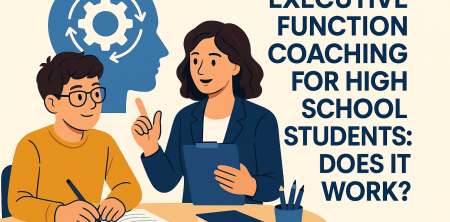
Executive function coaching is a personalized approach designed to help students enhance their organizational skills, time management, and overall self-regulation. Coaches work with students to identify their specific challenges and develop tailored strategies to overcome them. This might include creating structured schedules, setting realistic goals, and implementing self-monitoring techniques.
The coaching process often begins with a comprehensive assessment to pinpoint each student's strengths and weaknesses. Coaches then provide ongoing support, helping students practice and refine their skills in real-life situations. The goal is not just to improve academic performance but also to promote independence and self-advocacy.
One of the key components of executive function coaching is the establishment of a supportive relationship between the coach and the student. This relationship is built on trust, open communication, and a shared commitment to the student's growth. Coaches often utilize techniques from cognitive-behavioral therapy (CBT) to help students reframe their thinking and develop a more positive mindset towards their challenges.
Why is Executive Function Coaching Important for High School Students?
High school is a critical period for adolescents, both academically and socially. Executive function coaching can have profound implications for their success. Here are several reasons why this coaching is vital:
- Improved Academic Performance: Studies suggest that students with stronger executive function skills tend to achieve better grades. Coaching helps students develop these skills, ultimately leading to improved academic outcomes.
- Enhanced Self-Regulation: Many students struggle with impulse control and emotional regulation. Executive function coaching provides tools and strategies to manage these challenges, fostering greater self-awareness and emotional intelligence.
- Preparation for Future Challenges: As students prepare for college and the workforce, strong executive function skills become increasingly important. Coaching equips them with the skills necessary to navigate future academic and professional challenges.
- Reduction in Anxiety: By learning to manage their time and responsibilities more effectively, students often experience a decrease in anxiety related to school work. This can lead to improved mental health and overall well-being.
- Life Skills Development: Beyond academics, executive function coaching helps students develop critical life skills, such as decision-making, problem-solving, and goal-setting, which are essential for success in any field.
Evidence Supporting the Effectiveness of Executive Function Coaching
The effectiveness of executive function coaching has been the subject of various studies. Research has shown that students who participate in coaching programs experience significant improvements in their executive function skills. For instance, a study conducted by the University of Pennsylvania found that students who received executive function coaching demonstrated enhanced working memory and better organizational skills compared to their peers who did not participate in such programs.
Additionally, a meta-analysis of multiple studies revealed that executive function coaching can lead to increased motivation and engagement among high school students. This is particularly important in a high school setting, where disengagement can lead to academic decline.
Another study published in the journal *Child Development* showed that students who received targeted coaching reported statistically significant enhancements in their ability to initiate and complete tasks, which are key components of executive function.
Success Stories: Real-Life Impact of Executive Function Coaching
To illustrate the potential of executive function coaching, let’s look at a few success stories: (See: Research on executive function development.)
One high school junior, Alex, struggled with time management and often found himself overwhelmed by assignments. After participating in an executive function coaching program, he learned to break tasks into manageable chunks and create a homework schedule. As a result, his grades improved, and he reported feeling less stressed about school.
Another student, Maya, had difficulty focusing during class and often forgot to turn in assignments. Through coaching, she developed a system for tracking her assignments and learned strategies to enhance her focus. Not only did her academic performance improve, but she also gained confidence in her abilities.
An inspiring case is that of Sam, a senior who faced significant challenges with procrastination. Through a structured coaching program, he adopted techniques like the Pomodoro Technique to manage his study time effectively. By the end of the year, Sam not only improved his grades but also secured a scholarship to his desired college.
Common Challenges in Executive Function Coaching
While executive function coaching has shown great promise, it’s not without its challenges. Here are some common obstacles that coaches and students might face:
- Resistance to Change: Some students may be resistant to adopting new strategies or changing their habits. This can be particularly true for those who have developed negative coping mechanisms over time.
- Limited Parental Involvement: The success of executive function coaching often relies on collaboration between the coach, student, and parents. If parents are not engaged, it can hinder the coaching process.
- Variability in Individual Needs: Each student has unique challenges and strengths. Tailoring coaching strategies to meet these individual needs can be complex and time-consuming.
- Resource Availability: Not all schools have the resources to provide comprehensive executive function coaching programs, which can limit access for students who need support.
- Time Constraints: Balancing coaching sessions with academic and extracurricular commitments can be challenging for students, leading to the potential for stress rather than relief.
Key Strategies Used in Executive Function Coaching
Successful executive function coaching involves a range of strategies tailored to each student. Here are some effective approaches:
- Goal Setting: Coaches help students set specific, measurable, achievable, relevant, and time-bound (SMART) goals. This promotes accountability and motivation.
- Time Management Techniques: Coaches teach students how to use planners, timers, and digital tools to manage their time effectively. This includes prioritizing tasks and breaking projects into smaller steps.
- Self-Monitoring Practices: Students learn to track their progress and reflect on their performance. This helps them identify areas for improvement and reinforces positive behaviors.
- Visualization Techniques: Coaches often employ visualization strategies to help students mentally prepare for tasks and manage anxiety related to performance.
- Mindfulness Practices: Introducing mindfulness can help students develop greater focus and emotional regulation, providing them with tools to manage stress effectively.
Integrating Executive Function Coaching into Schools
For executive function coaching to be truly effective, it should be integrated into the educational system. Schools can adopt several strategies to incorporate coaching into their curriculum:
- Professional Development for Educators: Training teachers to understand executive function and how to support students can create a more conducive learning environment. Educators equipped with this knowledge can implement strategies in the classroom that complement coaching efforts.
- Collaboration with Coaches: Schools can partner with executive function coaches to provide services directly within the school setting. This can enhance accessibility for students and foster a supportive community.
- Creating a Culture of Support: Encouraging a school culture that values executive function skills promotes awareness and acceptance. This includes providing resources for students and parents to understand the importance of these skills.
- Implementing School-Wide Programs: Schools can establish comprehensive programs that incorporate executive function training into the daily curriculum, offering workshops and activities that reinforce these skills across subjects.
The Future of Executive Function Coaching
As awareness of the importance of executive function grows, so too does the demand for coaching services. The future looks promising, with increasing recognition of the link between executive function skills and academic success.
Innovative approaches, such as integrating technology into coaching, are on the rise. Apps and online platforms can provide additional support and resources for students, making coaching more accessible and engaging.
Moreover, ongoing research into the efficacy of different coaching models will likely lead to more refined practices tailored to diverse student populations. The goal is to ensure that all high school students have the tools they need to succeed academically and personally.
Furthermore, there's a growing trend toward integrating social-emotional learning (SEL) with executive function coaching, recognizing that emotional and cognitive processes are intertwined. This holistic approach can yield even more significant benefits for students. (See: Understanding executive function skills.)
How to Choose the Right Executive Function Coach
Choosing the right executive function coach is crucial for achieving desired outcomes. Here are some factors to consider when selecting a coach:
- Qualifications and Experience: Look for coaches with relevant credentials and experience working with high school students. A background in psychology or education can be beneficial.
- Coaching Style: Every coach has a different approach. It’s essential to find a coach whose style aligns with the student’s personality and learning preferences.
- Testimonials and Success Stories: Seek feedback from other students and parents about their experiences with the coach. Positive testimonials can provide insight into the coach's effectiveness.
- Availability: Ensure that the coach's schedule aligns with the student's needs. Flexibility in session timing can greatly enhance the coaching experience.
- Communication Skills: A good coach should be able to articulate strategies clearly and interact positively with students to build rapport and trust.
Addressing Executive Function Coaching Myths
There are several misconceptions surrounding executive function coaching that can discourage students and parents from pursuing these services. Here are a few common myths, along with the truths that debunk them:
- Myth 1: Executive Function Coaching is Only for Students with ADHD: While students with ADHD can benefit significantly from coaching, it is not exclusive to them. Many students, regardless of diagnosis, struggle with executive function skills.
- Myth 2: Coaching is Just About Academic Performance: Although academic improvement is a key component, coaching also focuses on life skills such as time management, emotional regulation, and self-advocacy.
- Myth 3: Coaching is a One-Time Fix: Executive function coaching is an ongoing process. It requires time and commitment from both the coach and the student to see meaningful changes.
- Myth 4: All Coaches are the Same: The effectiveness of coaching can vary significantly based on the individual coach's approach and expertise. It’s important to find a coach who matches the specific needs of the student.
Expert Perspectives on Executive Function Coaching
Experts in educational psychology emphasize the transformative potential of executive function coaching. Dr. Sarah Thompson, a clinical psychologist specializing in adolescent development, states, "Coaching can bridge the gap for students who face challenges in executive function. It’s about empowerment, giving them the tools to manage their learning and lives effectively."
Additionally, educator and author Dr. Mark Smith highlights, "The integration of executive function coaching in schools is essential. It not only supports students academically but also cultivates essential life skills that will serve them well beyond their high school years."
Dr. Emily Chen, a researcher in cognitive psychology, adds, "As we understand more about how executive function impacts learning, it becomes clear that targeted coaching can make a substantial difference in a student's life trajectory. It’s not just about grades; it’s about developing a lifelong ability to manage oneself."
Statistics on Executive Function Skills
The correlation between executive function skills and academic success is backed by compelling statistics:
- According to a study by the National Institute of Health, students with strong executive function skills are 33% more likely to graduate high school on time.
- A report from the Center for Education Policy Research indicates that students who receive executive function coaching show a 25% increase in GPA within one academic year.
- Research from the American Psychological Association found that 70% of students reported feeling more confident and capable in managing their academic responsibilities after participating in coaching programs.
- A longitudinal study by the University of California revealed that 85% of students who received executive function coaching felt more prepared for college-level work, highlighting the program's long-term benefits.
Common Questions About Executive Function Coaching
What age is executive function coaching appropriate for?
Executive function coaching can benefit students as early as elementary school and remains relevant throughout high school and even into college. The earlier the intervention, the more established the skills can become.
How long does an executive function coaching program last?
Coaching programs can vary in duration based on individual needs. Some students may benefit from a few months of weekly sessions, while others might engage in ongoing support over several years. Typically, programs range from 8 to 12 weeks, with follow-up sessions available as needed.
Can executive function coaching be done online?
Yes, many coaches offer virtual sessions, which can provide flexibility and accessibility for students. Online platforms can facilitate the same level of engagement and support as in-person coaching, often using interactive tools and resources to enhance learning.
Is executive function coaching covered by insurance?
Coverage for executive function coaching can vary by provider and plan. It’s essential for families to check with their insurance companies to understand their benefits regarding coaching services. Some coaching services may qualify for coverage under mental health or educational support services.
What qualifications should I look for in an executive function coach?
When searching for a coach, consider professionals with backgrounds in psychology, education, or special education. Certifications in coaching and experience working with adolescents are also valuable. Look for a coach who employs evidence-based practices and has a strong understanding of executive function theories.
Future Trends in Executive Function Coaching
As the field of education evolves, so too do the methods and approaches used in executive function coaching. One trend that has gained traction is the incorporation of technology, such as mobile apps and online platforms, which allow students to access coaching materials and support more conveniently.
Additionally, there is a growing recognition of the importance of cultural competence in coaching. Understanding the diverse backgrounds of students can help coaches tailor their strategies to be more effective and relevant, considering factors such as socioeconomic status, ethnicity, and individual learning styles.
Furthermore, research is beginning to explore the impact of executive function coaching on various demographics, including students with learning disabilities and those from different cultural backgrounds. This exploration could lead to more inclusive practices that cater to a wider range of students.
Conclusion: The Path Forward
Executive function coaching has emerged as a valuable resource for high school students facing academic challenges. With its focus on developing critical skills, this coaching can lead to improved academic performance, enhanced self-regulation, and greater confidence. As more students and educators recognize the importance of executive function, the opportunities for coaching will continue to expand.
By investing in executive function coaching, we can empower students to take control of their learning and prepare them for future success. In a rapidly changing world, these skills will be indispensable, shaping not only their academic journeys but their lives beyond high school.
```
Trending Now
Frequently Asked Questions
What is executive function coaching for high school students?
Executive function coaching is a personalized approach aimed at helping high school students improve their organizational skills, time management, and self-regulation. Through tailored strategies and ongoing support, coaches assist students in overcoming specific challenges related to executive function skills.
Does executive function coaching really work?
Research suggests that executive function coaching can be effective in enhancing students' cognitive processes such as working memory and self-regulation. By providing individualized support and strategies, students often see improvements in academic performance and personal independence.
What are the benefits of executive function coaching?
The benefits of executive function coaching include improved organizational skills, better time management, enhanced focus, and increased self-advocacy. Students also develop a structured approach to handling academic responsibilities, leading to greater success in school.
How does executive function develop in adolescents?
Executive function skills develop significantly during adolescence as students face increased academic and social demands. This developmental stage is crucial for learning to manage time effectively, complete assignments, and prepare for tests, making strong executive function skills essential.
What techniques are used in executive function coaching?
Techniques used in executive function coaching include creating structured schedules, setting realistic goals, and implementing self-monitoring strategies. Coaches assess students' specific challenges and provide tailored support to help them practice these skills in real-life situations.
Have you experienced this yourself? We'd love to hear your story in the comments.

