```html
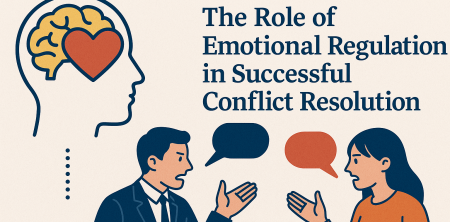
Conflict is an inevitable part of human relationships, whether in personal life, the workplace, or among communities. At the heart of effective conflict resolution lies a crucial skill: emotional regulation. Understanding how to manage our emotions can be a game-changer in resolving conflicts peacefully and constructively. This article delves into the role of emotional regulation in successful conflict resolution, offering insights, strategies, and practical applications to improve interpersonal dynamics.
Understanding Emotional Regulation
Emotional regulation refers to our ability to manage and respond to emotional experiences in a healthy manner. It encompasses a variety of processes that allow individuals to influence which emotions they have, when they have them, and how they express them. This skill is vital in navigating conflicts as emotions can easily escalate tensions.
Research shows that individuals with strong emotional regulation skills can better cope with stressors and interpersonal challenges. According to a study published in the journal Emotion, those who effectively manage their emotions are more likely to experience positive outcomes in both personal and professional relationships. This sets the stage for a deeper exploration of how emotional regulation plays a foundational role in conflict resolution.
The Link Between Emotional Regulation and Conflict
Conflict often arises from misunderstandings, differing values, or unmet needs. When emotions run high, it becomes increasingly difficult to engage in rational discussions. Anger, frustration, and anxiety can cloud judgment and lead to impulsive reactions. This is where emotional regulation comes into play. By managing our emotional responses, we can create a calmer atmosphere conducive to resolution.
For instance, a study conducted by the University of California revealed that individuals who practiced emotional regulation strategies were significantly more likely to engage in constructive conflict resolution strategies, such as problem-solving and collaboration, rather than resorting to avoidance or aggression.
Key Emotional Regulation Strategies for Conflict Resolution
Implementing emotional regulation strategies can dramatically enhance your ability to resolve conflicts effectively. Here are some practical techniques:
1. Self-Awareness
The first step in emotional regulation is developing self-awareness. Being attuned to your emotions is essential for recognizing when they might influence your behavior. Consider keeping a journal to track your feelings during conflicts. Ask yourself questions like: What triggered this emotion? How did I respond? What could I have done differently?
2. Mindfulness Practices
Mindfulness involves staying present in the moment and observing your thoughts and feelings without judgment. Practices such as meditation or deep-breathing exercises can help ground you during conflicts. Research indicates that individuals who practice mindfulness display greater emotional resilience, enabling them to approach conflicts with a clearer mind and a more balanced perspective.
3. Reframing
Reframing is a cognitive technique that involves changing your perspective on a situation. Instead of viewing a conflict as a threat, try to see it as an opportunity for growth. Reframing can reduce negative emotions and encourage a more open, collaborative approach. This technique has been widely discussed in psychological literature, highlighting its effectiveness in mitigating emotional responses.
4. Empathy Development
Empathy, the ability to understand and share the feelings of others, plays a critical role in conflict resolution. By practicing empathy, you can address not only your emotions but also the emotions of the other party involved. Active listening, which involves fully concentrating and responding thoughtfully to what the other person is saying, can be a powerful tool in this regard.
The Importance of Emotional Regulation in Different Contexts
Emotional regulation is not a one-size-fits-all concept; its application varies across different contexts. Let’s examine how emotional regulation affects conflict resolution in various settings.
1. Personal Relationships
In personal relationships, such as those with family or friends, emotional regulation can prevent misunderstandings from escalating into full-blown arguments. For example, if a partner feels neglected, instead of reacting with anger, practicing emotional regulation allows them to communicate their feelings more effectively. This leads to healthier discussions and can strengthen the relationship. (See: Research on emotional regulation.)
2. Workplace Dynamics
In professional settings, emotional regulation is crucial for maintaining teamwork and productivity. Conflicts can arise from differing opinions or competition for resources. Leaders who exemplify emotional regulation create a more positive work environment, where employees feel safe discussing issues openly. Studies indicate that companies with emotionally intelligent leaders have lower turnover rates and higher employee satisfaction.
3. Community Conflicts
On a broader scale, emotional regulation can aid in resolving community conflicts, such as those arising from cultural or socioeconomic differences. Workshops focused on emotional intelligence and communication can help community members engage constructively, fostering understanding and collaboration. This has been observed in various community-building initiatives that prioritize emotional regulation training.
Barriers to Effective Emotional Regulation
Despite the clear benefits of emotional regulation, several barriers can hinder its effectiveness in conflict resolution. Recognizing these obstacles can help individuals develop strategies to overcome them.
1. Lack of Awareness
Many people are simply unaware of their emotional triggers or how those triggers affect their reactions. This lack of self-awareness can lead to automatic responses that escalate conflicts instead of resolving them. Engaging in reflective practices, such as journaling or therapy, can help increase awareness of emotional patterns.
2. Stress and Anxiety
High levels of stress and anxiety can impair our ability to regulate emotions. Under stress, the brain often defaults to survival mode, which can lead to increased impulsivity and aggression. Techniques such as mindfulness and stress management can mitigate these effects, allowing for clearer thinking during conflicts.
3. Social Influences
Social norms and peer pressures can also impact emotional regulation. In some cultures, expressing emotions is seen as a sign of weakness, leading individuals to suppress their feelings. Conversely, environments that reward aggressive responses can perpetuate negative behaviors. Creating a supportive environment that encourages open emotional expression is essential for effective conflict resolution.
Real-World Applications of Emotional Regulation in Conflict Resolution
Understanding emotional regulation’s role in conflict resolution is one thing; applying it effectively in real-world scenarios is another. Here are some practical applications:
1. Role-Playing Exercises
Role-playing can be an effective way to practice emotional regulation skills in conflict scenarios. By simulating difficult conversations, individuals can learn to respond to emotional triggers in a controlled environment. Organizations and schools often incorporate role-playing into training programs focused on conflict resolution.
2. Conflict Resolution Workshops
Many organizations offer workshops aimed at enhancing emotional intelligence and conflict resolution skills. These workshops typically include training on emotional regulation strategies, providing participants with tools to apply in their daily interactions. Regularly attending such workshops can foster a culture of emotional awareness and constructive conflict management.
3. Mediation and Facilitation
In more complex conflicts, involving a neutral third-party mediator can help facilitate discussions. Mediators trained in emotional regulation techniques can guide parties in expressing their emotions constructively while focusing on resolution. This approach has shown success in various settings, including family disputes and workplace conflicts.
The Current Relevance of Emotional Regulation in Conflict Resolution
In today’s world, where tensions can run high due to political, social, and economic divides, the importance of emotional regulation in conflict resolution is more relevant than ever. The rise of digital communication has also added new layers to conflict dynamics; misunderstandings can escalate quickly without the benefit of non-verbal cues.
Social media and online interactions often exacerbate emotional responses, making it crucial for individuals to develop robust emotional regulation skills. Learning to manage emotions in digital exchanges can lead to healthier online interactions and prevent conflicts from spilling over into real life.
Conclusion: The Path Forward
The journey to mastering emotional regulation is ongoing and requires commitment, practice, and self-reflection. As conflicts are an unavoidable part of life, equipping ourselves with the tools needed for emotional regulation can pave the way for more constructive dialogues and healthier relationships. Whether in personal or professional settings, investing time in developing these skills can yield profound benefits for both individuals and communities.
By embracing emotional regulation as a cornerstone of conflict resolution, we not only enhance our personal lives but also contribute to building a more understanding and empathic society. Remember, every conflict resolved through emotional awareness is a step towards a more harmonious existence. (See: Emotional regulation and conflict resolution.)
Frequently Asked Questions (FAQ)
1. What is emotional regulation?
Emotional regulation is the ability to manage and respond to your emotional experiences in a healthy manner. This includes recognizing your emotions, understanding their impact, and learning to express or suppress them appropriately in different situations.
2. Why is emotional regulation important for conflict resolution?
Emotional regulation is crucial for conflict resolution because it helps individuals maintain a calm and composed demeanor during disagreements. By managing emotions effectively, people can engage in constructive dialogue rather than letting emotions dictate their responses, which often leads to escalation.
3. Can emotional regulation be learned or improved?
Yes, emotional regulation can be learned and improved through various techniques such as mindfulness, self-awareness practices, therapy, and conflict resolution training. Regular practice can enhance one’s ability to manage their emotions more effectively over time.
4. How does mindfulness contribute to emotional regulation?
Mindfulness contributes to emotional regulation by promoting awareness of the present moment and encouraging non-judgmental observation of one’s thoughts and feelings. This heightened awareness helps individuals recognize emotional triggers and respond thoughtfully rather than react impulsively.
5. What are some common barriers to effective emotional regulation?
Common barriers to effective emotional regulation include lack of self-awareness, high levels of stress and anxiety, and social influences that discourage emotional expression. Recognizing these barriers is the first step towards overcoming them.
6. How can role-playing help in emotional regulation?
Role-playing allows individuals to practice responding to emotional triggers in a safe, controlled environment. This practice helps to build confidence and develop strategies for managing emotions during real-life conflicts.
7. What role do empathy and active listening play in emotional regulation?
Empathy and active listening are essential for emotional regulation because they foster understanding and validation of emotions. When individuals practice empathy, they can better navigate conflicts by considering the feelings and perspectives of others, leading to more constructive resolutions.
8. How does emotional regulation affect workplace dynamics?
In the workplace, emotional regulation plays a vital role in maintaining healthy interpersonal relationships, promoting teamwork, and enhancing productivity. Leaders who regulate their emotions effectively set a positive precedent that encourages employees to do the same.
9. Can emotional regulation techniques be applied in community settings?
Absolutely! Workshops and community programs focused on emotional intelligence can teach emotional regulation techniques that help individuals navigate conflicts constructively, fostering a sense of collaboration and understanding within diverse communities.
10. What is the long-term impact of improved emotional regulation on conflict resolution?
Improved emotional regulation can lead to more effective conflict resolution, healthier relationships, and enhanced overall well-being. As individuals become skilled in managing their emotions, they contribute to creating a more positive and empathic environment, both personally and socially.
Exploring Emotional Regulation in Different Cultures
Emotional regulation isn't just a personal skill; it can also be deeply influenced by cultural norms and values. Different cultures have varying approaches to emotional expression and regulation, which can affect conflict resolution strategies. For instance, collectivist cultures often emphasize group harmony, leading individuals to suppress personal emotions to maintain social cohesion. Conversely, individualistic cultures may prioritize personal expression, resulting in more open confrontation but potentially escalating conflicts.
Understanding these cultural differences is essential for effective conflict resolution, especially in diverse environments. For example, in a multicultural workplace, recognizing that a colleague from a collectivist background might avoid direct confrontation can guide you to approach conflicts more delicately and respectfully. This cultural sensitivity not only fosters better communication but also enhances emotional regulation across diverse teams.
The Role of Emotional Intelligence in Conflict Resolution
Emotional intelligence (EI) is closely linked to emotional regulation and is a vital component of successful conflict resolution. EI encompasses the ability to recognize and understand not only your emotions but also the emotions of others. Developing high emotional intelligence can significantly improve your conflict resolution skills.
Individuals with high EI are generally more adept at managing their emotions and can navigate challenging conversations more effectively. For instance, they can detect when a conversation is becoming heated and employ emotional regulation techniques, such as taking a pause or shifting the focus of the discussion. Research shows that teams with higher emotional intelligence tend to resolve conflicts more efficiently, as members are more willing to collaborate and compromise.
Case Studies in Emotional Regulation and Conflict Resolution
Examining real-life case studies can provide valuable insights into the practical applications of emotional regulation in conflict resolution. One notable example is the peace negotiations in Northern Ireland, known as the Good Friday Agreement. This process involved various factions with deep-seated emotional grievances. Skilled negotiators employed emotional regulation techniques, focusing on empathy and active listening, to address the underlying emotional issues while working towards a peaceful resolution.
Another example can be seen in educational settings, where conflict resolution programs have been implemented to address bullying and interpersonal disputes among students. Schools that incorporate emotional regulation training—such as role-playing and empathy-building exercises—report significant reductions in conflict and improved student relationships. These case studies highlight the transformative potential of emotional regulation in both high-stakes negotiations and everyday interactions.
Future Trends in Emotional Regulation and Conflict Resolution
As society continues to evolve, so too does our understanding of emotional regulation in conflict resolution. One emerging trend is the integration of technology in training programs. Virtual reality (VR) experiences are being developed to simulate conflict scenarios, allowing individuals to practice emotional regulation strategies in immersive environments. This innovative approach can enhance learning and retention, making emotional regulation training more engaging and effective.
Another trend is the growing recognition of the impact of mental health on emotional regulation. As conversations around mental wellness become more commonplace, organizations and communities are beginning to prioritize emotional health as a fundamental component of conflict resolution strategies. This holistic approach focuses not only on techniques but also on providing support systems that ensure individuals are emotionally equipped to handle conflicts.
Conclusion: Embracing Emotional Regulation for Lasting Change
As we navigate an increasingly complex world, the ability to regulate our emotions and resolve conflicts constructively becomes paramount. Emotional regulation not only improves individual interactions but also fosters healthier communities and workplaces. By investing in developing emotional regulation skills, embracing cultural sensitivities, and leveraging emotional intelligence, we can create a more harmonious environment where conflicts are seen as opportunities for growth and understanding.
Enhancing our emotional regulation capabilities today paves the way for more empathetic and resilient societies tomorrow. It’s an ongoing journey, but with dedication and practice, we can all become better at managing our emotions and resolving conflicts effectively.
```
Trending Now
- the complete explanation
- Why Students with ADHD Struggle with…
- our breakdown of 7 pragmatics challenges english language learners face that every teacher must understand
- this guide on 9 essential strategies to boost pragmatic language development in preschool
- this guide on unlocking language: the essential differences between pragmatics, semantics, and syntax
Frequently Asked Questions
What is emotional regulation?
Emotional regulation is the ability to manage and respond to emotional experiences in a healthy way. It involves influencing which emotions we feel, when we feel them, and how we express them, which is essential for navigating conflicts effectively.
How does emotional regulation affect conflict resolution?
Emotional regulation plays a crucial role in conflict resolution by helping individuals manage their emotional responses. This can lead to calmer discussions, reduced tensions, and a greater likelihood of reaching constructive solutions during conflicts.
Why is emotional regulation important in relationships?
Emotional regulation is vital in relationships as it allows individuals to cope better with stressors and interpersonal challenges. Those who manage their emotions effectively tend to experience more positive outcomes in both personal and professional relationships.
What strategies can improve emotional regulation?
Strategies to improve emotional regulation include mindfulness practices, cognitive restructuring, and developing problem-solving skills. These techniques can help individuals recognize their emotions and respond to them in a more constructive manner during conflicts.
How can I practice emotional regulation in daily life?
You can practice emotional regulation by becoming more aware of your emotions, taking deep breaths when feeling overwhelmed, and reflecting on your emotional responses before reacting. Engaging in regular mindfulness exercises can also enhance your emotional management skills.
Have you experienced this yourself? We'd love to hear your story in the comments.

