```html
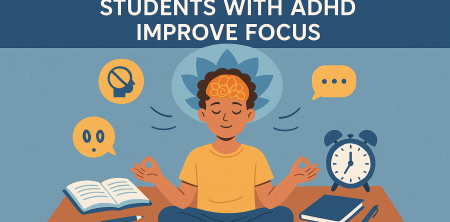
Attention Deficit Hyperactivity Disorder (ADHD) affects millions of students across the globe, presenting unique challenges in educational settings. One innovative approach that has gained traction is mindfulness for ADHD students. This practice not only aids in improving focus but also promotes emotional regulation and enhances overall well-being. In this article, we’ll explore how mindfulness techniques can significantly assist students with ADHD in their academic journeys.
The ADHD Challenge: Understanding the Basics
ADHD is characterized by symptoms such as inattention, hyperactivity, and impulsivity, which can make traditional learning environments particularly challenging. According to the Centers for Disease Control and Prevention (CDC), approximately 6.1 million children aged 2-17 have been diagnosed with ADHD. These students often struggle with concentration, follow-through on assignments, and managing their emotions in classroom settings.
Moreover, children with ADHD frequently face social stigma, leading to feelings of frustration and inadequacy. This societal perception can exacerbate their emotional struggles, making it all the more critical to find effective strategies that not only foster learning but also enhance self-esteem.
Understanding Mindfulness
Mindfulness is the practice of being fully present and engaged with the current moment without judgment. It encompasses a variety of techniques, including meditation, breathing exercises, and mindful movement. The essence of mindfulness lies in its ability to cultivate greater awareness of one’s thoughts and feelings, which is particularly beneficial for students with ADHD.
Research conducted by neuroscientists has demonstrated that mindfulness practices can lead to changes in brain structure and function. Notably, studies show increased activity in areas of the brain associated with attention and self-regulation. This makes mindfulness a powerful tool for addressing the challenges faced by ADHD students.
The Science Behind Mindfulness and ADHD
Numerous studies support the notion that mindfulness can help individuals with ADHD improve focus and self-control. A key study published in the journal Mindfulness found that students who participated in mindfulness training showed significant improvements in attention and executive functioning compared to those who did not. These changes are crucial because executive functioning skills—such as working memory, cognitive flexibility, and inhibitory control—are often impaired in students with ADHD.
Furthermore, a meta-analysis of 24 studies indicated that mindfulness practices lead to moderate improvements in attention, emotional regulation, and behavioral issues in children with ADHD. These findings suggest that integrating mindfulness into educational practices can help provide ADHD students with the tools they need to thrive.
Practical Mindfulness Techniques for ADHD Students
Integrating mindfulness into the daily routines of ADHD students doesn’t require extensive training or resources. Here are several practical techniques that can be easily implemented both at home and in the classroom:
- Mindful Breathing: Teach students to focus on their breath for several minutes. This simple practice can help anchor them in the present moment and reduce feelings of anxiety.
- Body Scan Meditation: Encourage students to close their eyes and mentally scan their bodies for tension. This promotes relaxation and awareness of physical sensations.
- Mindful Movement: Activities such as yoga or tai chi can be excellent ways for ADHD students to calm their minds while engaging in physical movement.
- Gratitude Journaling: Have students spend a few minutes each day writing about things for which they are grateful. This practice can shift their focus from negative thoughts to positive experiences.
- Mindful Listening: Encourage students to listen to sounds around them, whether it’s music or nature, and focus on the details rather than letting their minds wander.
Creating a Mindful Classroom Environment
For teachers and educators, integrating mindfulness into the classroom can create an environment that supports ADHD students. This involves more than simply teaching mindfulness exercises; it includes fostering a culture of awareness and acceptance.
Here are a few methods educators can employ:
- Establish a Routine: Consistent schedules help ADHD students feel secure. Incorporating short mindfulness breaks throughout the day can give them the mental space they need to reset.
- Create a Quiet Space: Designate a corner of the classroom where students can go when they need a moment of calm. This space could include calming visuals, soft seating, and mindfulness resources.
- Model Mindfulness: Teachers can set an example by practicing mindfulness themselves. This not only reinforces its importance but also helps create a more peaceful classroom atmosphere.
Potential Challenges of Mindfulness for ADHD Students
While mindfulness offers many benefits, it’s essential to acknowledge some challenges associated with its practice among ADHD students. These individuals may find it difficult to sit still or concentrate during mindfulness exercises, leading to frustration. (See: CDC ADHD facts and statistics.)
To address these challenges, it can be helpful to:
- Start Small: Begin with short mindfulness sessions and gradually increase the duration as students become more comfortable with the practice.
- Make It Fun: Incorporating games or playful elements into mindfulness exercises can make them more engaging for students with ADHD.
- Offer Choices: Allowing students to choose which mindfulness techniques they prefer can empower them and increase their willingness to participate.
Mindfulness: A Supportive Tool for Parents
Parents play a critical role in supporting their ADHD children’s mindfulness practices. By integrating mindfulness at home, parents can reinforce what students learn in school. Simple practices like mindful breathing, spending time in nature, or even mindful cooking can be incorporated into family routines.
Additionally, parents can model mindfulness by discussing their experiences with challenges and emotional regulation openly. This helps demystify mindfulness and encourages children to adopt these practices themselves. By fostering an environment where mindfulness is valued, parents can positively influence their child’s approach to dealing with ADHD.
Mindfulness Programs in Schools
Recognizing the benefits of mindfulness for ADHD students, many schools have begun to implement formal mindfulness programs. These initiatives not only aim to improve academic performance but also to enhance students' emotional health and social skills.
One notable program is the Mindfulness in Schools Project (MiSP), which offers structured mindfulness training for educators and students. This program has been shown to lead to significant improvements in students’ attention, behavior, and overall well-being.
Furthermore, schools that incorporate mindfulness into their curriculum often witness an improved school climate. Students become more empathetic and demonstrate increased cooperation, which fosters a supportive environment for all learners.
The Future of Mindfulness in Education
As research continues to unveil the benefits of mindfulness for ADHD students, the future of mindfulness in education appears promising. Educators, parents, and mental health professionals are increasingly recognizing the importance of addressing emotional and psychological needs alongside academic goals.
The integration of mindfulness practices within educational frameworks represents an exciting shift toward holistic learning approaches. As more schools adopt these techniques, we may see a transformative impact on how students with ADHD not only learn but also thrive.
Mindfulness Strategies: A Closer Look
Diving deeper into mindfulness strategies, it’s essential to explore which techniques resonate the most with ADHD students. Here are some that research and anecdotal evidence suggest are particularly effective:
- Visualization Techniques: Guided imagery can be a powerful tool for students to create a mental escape. For instance, asking students to visualize themselves in a peaceful setting can help them regulate their emotions and concentrate better.
- Mindful Walking: Taking a walk while paying attention to each step and the sensations in the body can be a practical way to practice mindfulness. This is beneficial for students who struggle to sit still as it integrates movement with mindfulness.
- Mindfulness Apps: There are several apps designed to help young people engage with mindfulness. Apps like Headspace and Calm offer age-appropriate content that makes mindfulness accessible and engaging for students with ADHD.
Real-Life Examples of Mindfulness in Action
Many schools have successfully integrated mindfulness into their curriculums. For instance, a school in San Francisco reported that after implementing a mindfulness program, students exhibited a 10% improvement in attention as measured by teacher assessments. This shift not only enhanced individual performance but also contributed to a more harmonious classroom environment.
In another example, a middle school in Chicago introduced a daily mindfulness minute at the beginning of each class. Teachers noted marked improvements in student engagement and a decrease in behavioral disruptions. This simple practice helped create a more focused learning environment where students felt more equipped to tackle their studies.
Statistics on Mindfulness and ADHD
Understanding the effectiveness of mindfulness on ADHD requires quantifiable data. A 2019 study found that students with ADHD who practiced mindfulness regularly saw a 30% reduction in symptoms related to inattention and impulsivity. Additionally, a survey conducted among teachers in schools with mindfulness programs revealed that 85% felt that mindfulness positively impacted classroom behavior and emotional management among their students. (See: NIH resources on ADHD.)
Moreover, statistics show that about 75% of students reported feeling less anxious and more centered after participating in mindful activities, underscoring the importance of these practices in educational settings.
Expert Perspectives on Mindfulness for ADHD Students
Experts in the fields of education and psychology have increasingly championed mindfulness as an effective intervention for ADHD students. Dr. Mark Bertin, a pediatrician and mindfulness advocate, emphasizes that mindfulness can help ADHD students develop a better understanding of their thoughts and emotions. He states, “Mindfulness allows children to recognize their impulses and make conscious choices about how to respond, rather than simply reacting.”
Additionally, Dr. John Ratey, a clinical professor of psychiatry at Harvard Medical School, stresses the link between mindfulness and improved brain function. He notes, “Practicing mindfulness can help foster new neural pathways, which can be beneficial for ADHD students in regulating their attention and emotions.”
Frequently Asked Questions about Mindfulness for ADHD Students
1. How can mindfulness help ADHD students in the classroom?
Mindfulness helps ADHD students by improving their focus, enhancing emotional regulation, and promoting overall well-being. By practicing mindfulness, students learn techniques to manage their attention and respond more effectively to their emotions, which can lead to better academic and social outcomes.
2. Can mindfulness be practiced at home?
Absolutely! Parents can integrate mindfulness practices at home through simple activities like mindful breathing, nature walks, or even creative arts and crafts that encourage focused attention. Establishing a regular routine can help reinforce these skills.
3. How do I introduce mindfulness to my ADHD child?
Start with short sessions, perhaps just a few minutes a day, and gradually increase the duration as your child becomes more comfortable. Incorporate fun elements, like mindfulness games or storytelling, to keep them engaged. It's important to choose techniques that resonate with your child's interests.
4. What if my child resists mindfulness practices?
Resistance is common, especially with ADHD students. Try to make it engaging and fun! Offer choices in the type of mindfulness practice, and be patient. Over time, as they experience the benefits, they may be more willing to participate.
5. Are there specific mindfulness programs designed for ADHD students?
Yes, there are various programs specifically tailored for students with ADHD. Programs like the Mindfulness in Schools Project provide structured training that educators can implement in the classroom to help students learn and practice mindfulness effectively.
6. How often should mindfulness practices be practiced for optimal results?
Consistency is key. It's often recommended that mindfulness practices be integrated into daily routines. Even just a few minutes each day can be beneficial. Over time, students may find it easier to engage in longer or more complex practices as they become more familiar with the techniques.
7. Can mindfulness replace medication for ADHD?
Mindfulness should not be considered a replacement for medication or other treatments prescribed by healthcare professionals. However, it can be a complementary strategy that enhances overall well-being and helps manage ADHD symptoms more effectively. Always consult with a healthcare provider before making changes to treatment plans.
8. What age is appropriate to start mindfulness practices with children?
Mindfulness can be introduced to children as young as 4 or 5 years old. At this age, practices can be simplified and made playful. As children grow older, the practices can be adjusted to be more complex and age-appropriate to fit their developmental stage.
Conclusion
Mindfulness has emerged as a powerful tool for helping students with ADHD improve their focus and emotional regulation. By incorporating mindfulness practices into daily routines, both at home and in educational settings, we can empower these students to better manage their challenges and enhance their learning experiences. As we continue to explore the intersection of mindfulness and education, it’s crucial to remain committed to fostering environments where every student has the opportunity to succeed.
Mindfulness and its Cultural Context
Understanding mindfulness also requires a look at its cultural origins and how these can be adapted to fit different educational contexts. Rooted in ancient Eastern practices, mindfulness has been adapted in many Western settings to promote mental health and well-being. It’s important to respect its cultural origins while also making it accessible and relatable to students from diverse backgrounds. Teachers can incorporate stories or examples that resonate with their students' experiences, thereby creating a more inclusive environment for mindfulness practices.
Integrating Technology in Mindfulness Practices
In today’s digital age, technology can play a significant role in enhancing mindfulness practices for ADHD students. Various apps and online resources provide guided mindfulness sessions, interactive games, and community support forums. For instance, Headspace offers special sections tailored for kids and teens, making it easier for students to engage with mindfulness in a familiar format. Moreover, virtual reality (VR) has begun to emerge as a way to immerse students in calming environments that facilitate mindfulness practices, combining technology and wellness in innovative ways.
The Role of Educators in Promoting Mindfulness
Educators are instrumental in promoting mindfulness among students with ADHD. By receiving training in mindfulness-based interventions, teachers can effectively model these practices in their classrooms. Professional development programs focusing on mindfulness not only equip educators with necessary skills but also encourage them to prioritize their well-being, which in turn influences their students. When teachers practice mindfulness, they set a tone of calm and focus, creating a ripple effect throughout the classroom.
Mindfulness Beyond the Classroom
Mindfulness isn’t just confined to the classroom; it can extend into various aspects of life. Encouraging students to practice mindfulness during sports, hobbies, or even while engaging with family can enhance their overall experience. For instance, a student might practice mindful running, focusing on their breath and the rhythm of their steps, or they might engage in mindful eating, paying attention to the flavors and textures of their food. These practices promote a more integrated approach to mindfulness that can be foundational for habit formation.
Encouraging Peer Support in Mindfulness Practices
Peer support can enhance the effectiveness of mindfulness practices for ADHD students. Creating buddy systems or small groups where students can practice mindfulness together can foster a sense of community and shared experience. This approach not only encourages accountability but also allows students to learn from one another’s experiences, making mindfulness a collective journey rather than an individual one. Engaging in group mindfulness activities—like guided meditations or mindful games—can help normalize these practices in a school environment.
```
Trending Now
- our breakdown of unlocking social skills: how social pragmatics role play transforms middle school learning
- our breakdown of why students with adhd struggle with pragmatic language skills: 7 key insights
- 7 Pragmatics Challenges English Language Learners…
- 9 Essential Strategies to Boost Pragmatic Language Development in Preschool
- Unlocking Language: The Essential Differences Between Pragmatics, Semantics, and Syntax
Frequently Asked Questions
How can mindfulness help students with ADHD?
Mindfulness helps students with ADHD by improving focus, enhancing emotional regulation, and promoting overall well-being. Techniques such as meditation and breathing exercises cultivate awareness of thoughts and feelings, which can lead to better attention and self-control in academic settings.
What are the benefits of mindfulness for ADHD?
The benefits of mindfulness for ADHD include increased concentration, reduced impulsivity, and improved emotional management. Research indicates that mindfulness practices can change brain function, supporting better attention and self-regulation, which are crucial for academic success.
What techniques are used in mindfulness for ADHD?
Techniques used in mindfulness for ADHD include meditation, breathing exercises, and mindful movement. These practices encourage students to be present and aware, helping them manage their thoughts and emotions more effectively in challenging educational environments.
Is mindfulness effective for children with ADHD?
Yes, mindfulness is effective for children with ADHD. Studies have shown that mindfulness practices can significantly enhance attention and self-regulation, helping students cope better with the challenges associated with ADHD in classroom settings.
What challenges do students with ADHD face in school?
Students with ADHD often face challenges such as inattention, hyperactivity, and impulsivity, making it difficult to concentrate and complete assignments. Additionally, they may experience social stigma, leading to frustration and low self-esteem, which mindfulness can help address.
What did we miss? Let us know in the comments and join the conversation.

