```html
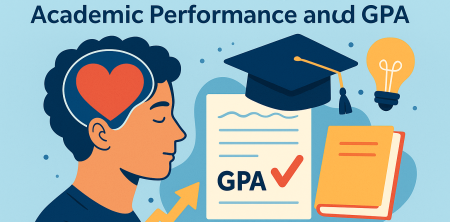
When discussing academic success, traditional metrics such as intelligence quotients (IQ) and standardized test scores often dominate the conversation. However, a growing body of research is revealing a powerful alternative: emotional intelligence. This article explores how emotional intelligence affects academic performance and GPA, emphasizing its crucial role in shaping students' success in educational settings.
Understanding Emotional Intelligence
Emotional intelligence (EI) refers to the ability to recognize, understand, and manage our own emotions, as well as the emotions of others. Coined by psychologists Peter Salovey and John D. Mayer in the early 1990s, the concept gained significant traction through the popularization by Daniel Goleman in his 1995 book, Emotional Intelligence. Goleman identified five key components: self-awareness, self-regulation, motivation, empathy, and social skills. Each of these elements plays a vital role in navigating both personal and academic challenges.
The Link Between Emotional Intelligence and Academic Success
Numerous studies have indicated that emotional intelligence has a significant impact on academic performance. Students with higher emotional intelligence tend to have better academic outcomes, including higher GPAs. A study conducted by the University of Queensland found that EI significantly predicted academic performance, independent of IQ. This suggests that while cognitive abilities are important, emotional skills can be equally, if not more, influential.
One reason for this correlation lies in how emotionally intelligent individuals approach challenges. They are more adept at managing stress, maintaining motivation, and fostering positive relationships with peers and educators, all of which contribute to a conducive learning environment.
Stress Management and Its Impact on Learning
Academic life can be stressful, with deadlines, exams, and social pressures weighing heavily on students. High levels of stress can lead to anxiety and a decline in academic performance. Here’s where emotional intelligence shines. Students who can regulate their emotions effectively are better equipped to handle stress. They utilize coping strategies such as mindfulness, deep breathing, and time management, which can mitigate stress levels.
Research by the University of California found that students with high EI reported lower levels of academic stress. By managing their emotional responses, they could maintain focus and retain information more effectively, leading to improved performance on exams and assignments.
Motivation: The Drive Behind Academic Excellence
Motivation is a key driver of academic success. Emotionally intelligent students tend to possess a high degree of intrinsic motivation. They set personal goals, foster a love for learning, and pursue mastery rather than merely aiming for grades. This intrinsic motivation often translates into a deeper engagement with the material, leading to higher academic performance.
Furthermore, self-regulation plays a critical role in motivation. Students who can manage their emotions are less likely to succumb to procrastination and distractions. A study published in the journal Learning and Individual Differences found that students with higher levels of self-regulation achieved significantly higher GPAs than their less-regulated peers.
The Role of Empathy in Collaborative Learning
Empathy, one of the core components of emotional intelligence, enhances collaborative learning experiences. Students who are empathetic can better understand and respond to the needs of their peers, creating supportive learning environments. Collaborative projects, discussions, and group studies become more productive when participants are attuned to each other's emotions and motivations.
This is particularly important in group settings, where interpersonal dynamics can greatly affect outcomes. Students with high emotional intelligence can navigate conflicts and provide constructive feedback, leading to enhanced group performance. A study published in the Journal of Educational Psychology found that collaborative groups with empathetic members achieved higher collective academic outcomes compared to those lacking such emotional awareness. (See: Emotional intelligence - Wikipedia.)
Social Skills and Academic Networking
Strong social skills, another facet of emotional intelligence, can greatly influence academic performance. Students who can effectively communicate, negotiate, and build relationships with faculty and peers often find themselves with more resources and support. This social networking can lead to better mentorship opportunities, access to study groups, and collaboration on research, all of which can positively impact GPA.
Moreover, students with robust social skills tend to feel more connected to their academic community, which can enhance their overall educational experience. A study by the American Psychological Association highlighted that students with strong social networks often report higher satisfaction with their academic life and, correspondingly, higher GPAs.
The Impact of School Environment
School environments that promote emotional intelligence can foster better academic performance. Programs that focus on social-emotional learning (SEL) are increasingly being integrated into curricula across the globe. These programs teach students EI skills, helping them to manage emotions, set goals, and develop empathy.
Research indicates that students who participate in SEL programs experience improvements in both emotional and academic outcomes. According to a meta-analysis published in Child Development, students exposed to SEL programs showed an 11-percentile-point gain in academic achievement compared to their peers. This underscores the importance of cultivating emotional intelligence within educational systems to enhance overall academic performance.
Challenges and Misconceptions
Despite the clear benefits of emotional intelligence, misconceptions still persist. One common belief is that emotional intelligence cannot be developed; instead, it’s often viewed as an inherent trait. While some individuals may have a natural predisposition toward EI, research shows that emotional intelligence can be cultivated through training and practice.
Another challenge is the undervaluation of emotional intelligence in academic settings. Many educational systems prioritize cognitive skills, often neglecting the development of emotional competencies. This can lead to a lack of support for students struggling with emotional regulation or social skills, ultimately hindering their academic performance.
Practical Insights for Students
For students aiming to improve their academic performance, focusing on emotional intelligence can be a game-changer. Here are some practical insights to enhance your emotional intelligence:
- Practice self-awareness: Reflect on your emotions and how they affect your behavior. Journaling can be a helpful tool for this.
- Develop coping strategies: Learn and practice techniques such as mindfulness, meditation, and breathing exercises to manage stress effectively.
- Set realistic goals: Focus on intrinsic motivation by setting personal learning goals rather than just aiming for grades.
- Enhance social skills: Engage in group activities and practice active listening and empathy to improve your interpersonal relationships.
- Seek feedback: Don’t hesitate to ask peers and teachers for feedback on your emotional responses and social interactions.
Current Relevance and Future Directions
As we move deeper into the 21st century, the importance of emotional intelligence in educational contexts continues to rise. The COVID-19 pandemic, with its associated challenges of remote learning and social isolation, has highlighted the need for emotional support in academic environments. Schools are increasingly recognizing the value of emotional intelligence in fostering resilience and adaptability among students.
In the future, we can expect more research into emotional intelligence and its effects on academic performance. As educational institutions continue to emphasize social-emotional learning, we might see a paradigm shift in how academic success is measured — moving beyond traditional metrics to encompass emotional and social competencies.
Real-Life Applications of Emotional Intelligence in Education
To fully understand the impact of emotional intelligence on academic performance, it's useful to look at real-life applications and case studies. Many educational institutions have already started implementing programs targeted at improving students' emotional intelligence. For instance, schools have initiated peer mediation programs, where students are trained to resolve conflicts among themselves. These initiatives not only foster empathy and social skills but also lead to improved academic performance as students learn to work together more effectively.
Take the case of an elementary school in California that integrated emotional intelligence training into their curriculum. Teachers noticed a marked improvement in classroom dynamics, with students exhibiting more cooperation and support for one another. By focusing on emotional intelligence, the school reported a 20% increase in overall academic performance, as measured by standardized test scores. This illustrates how emotional intelligence can lead to tangible academic benefits. (See: Emotional Intelligence and Academic Performance - NIH.)
Statistics That Matter
Statistics can provide a clearer picture of how emotional intelligence correlates with academic success. A meta-analysis published in the International Journal of Educational Research found that EI accounts for about 10-15% of variance in academic performance, suggesting that while cognitive intelligence is important, emotional factors play a significant role as well.
Additionally, a longitudinal study conducted over several years revealed that students with higher emotional intelligence scores had GPAs that were, on average, 0.5 points higher than their peers with lower scores. This reinforces the idea that emotional intelligence is not just a supplementary trait but a fundamental aspect of academic achievement.
Expert Perspectives on Emotional Intelligence and Academic Achievement
Experts in the field of psychology and education have weighed in on the importance of emotional intelligence. Dr. John D. Mayer, one of the original theorists behind emotional intelligence, argues that the educational system should prioritize emotional skills alongside academic skills. He states, "Emotional intelligence is more than just a personal advantage; it’s a social necessity in our increasingly complex world." His insights highlight that students who develop EI will not only perform better academically but will also be equipped to handle interpersonal challenges in their future careers.
Similarly, educational psychologist Dr. Linda Lantieri emphasizes the necessity of emotional intelligence in the classroom. She believes that integrating social-emotional learning into education is crucial for developing resilient and capable individuals. "When students learn to manage their emotions and understand others, they create a healthier classroom environment that fosters learning," she says. Her advocacy for emotional intelligence in education underscores its long-term benefits for students.
Frequently Asked Questions (FAQ)
1. Can emotional intelligence be taught?
Yes, emotional intelligence can be developed through specific training and practice. Many schools are now incorporating SEL programs that focus on building emotional skills.
2. How does emotional intelligence affect stress levels in students?
Students with high emotional intelligence are better at managing their emotions, which helps them cope with stress more effectively. They tend to employ positive coping strategies, reducing anxiety and improving their academic performance.
3. What are some signs of high emotional intelligence in students?
Students with high emotional intelligence often demonstrate self-awareness, empathy towards others, the ability to navigate social contexts smoothly, and a capacity for self-regulation.
4. Is emotional intelligence more important than IQ for academic success?
While both emotional intelligence and IQ are important, studies suggest that emotional intelligence has a significant role in academic success that should not be overlooked. It helps students manage stress, foster relationships, and stay motivated.
5. How can parents help develop emotional intelligence in their children?
Parents can support the development of emotional intelligence by encouraging open conversations about emotions, modeling emotional awareness, and promoting empathy by discussing different perspectives.
6. What role do teachers play in fostering emotional intelligence?
Teachers can create a supportive classroom environment that emphasizes emotional learning through SEL programs, positive reinforcement, and by modeling emotional intelligence in their interactions with students.
Strategies for Schools to Enhance Emotional Intelligence
Schools play an essential role in fostering emotional intelligence among students. Here are some strategies that educational institutions can implement:
- Implement SEL Curriculum: Schools can introduce comprehensive SEL curricula that include lessons on emotional regulation, empathy, and interpersonal skills.
- Teacher Training: Providing professional development for teachers on emotional intelligence can equip them to model and teach these skills effectively.
- Parent Engagement: Schools can involve parents in emotional intelligence initiatives by providing resources and workshops that educate them about the importance of EI.
- Peer Mentoring Programs: Establishing programs where older students mentor younger ones can help in developing both mentoring and emotional skills.
- Creating a Safe Environment: Cultivating a school culture that emphasizes respect, understanding, and emotional support can enhance students' emotional well-being.
Emotional Intelligence Skills for the Workforce
The importance of emotional intelligence extends beyond academia and into the workforce. Employers increasingly recognize that emotional intelligence is vital for effective collaboration, leadership, and conflict resolution. Skills such as empathy, self-regulation, and strong social interactions are sought after in job candidates. A 2022 report by the World Economic Forum indicated that emotional intelligence is among the top 10 skills employers look for, highlighting its growing significance in professional environments.
As students develop these skills throughout their education, they not only enhance their academic performance but also prepare for successful careers. For instance, research shows that employees with high emotional intelligence tend to have better teamwork capabilities, increased job performance, and higher job satisfaction. This connection underscores the long-term value of fostering emotional intelligence in students as they transition from educational settings to the workforce.
Building Resilience through Emotional Intelligence
Resilience is another critical benefit of emotional intelligence. Students who understand and manage their emotions effectively can navigate setbacks and challenges more successfully. Emotional intelligence helps students develop coping mechanisms and a positive mindset when facing adversity.
For example, students equipped with emotional intelligence are more likely to view challenges as opportunities for growth rather than insurmountable obstacles. This perspective fosters a growth mindset, which is closely linked to academic perseverance and success. A study published in the Journal of Applied Psychology found that individuals with high emotional intelligence tend to exhibit greater resilience and adaptability, traits essential for thriving in dynamic academic and professional landscapes.
Conclusion
Emotional intelligence is not just a buzzword; it’s a critical factor in academic performance and GPA. By understanding and cultivating emotional intelligence, students can enhance their academic outcomes and develop skills that will benefit them beyond the classroom. As educators and students increasingly recognize the importance of EI, we can look forward to a more holistic approach to education, one that nurtures the mind and the heart.
```
Trending Now
Frequently Asked Questions
How does emotional intelligence affect academic performance?
Emotional intelligence (EI) significantly impacts academic performance by enabling students to manage stress, maintain motivation, and build positive relationships. Research shows that students with higher EI tend to achieve better academic outcomes, including higher GPAs, as they navigate challenges more effectively.
What are the components of emotional intelligence?
The five key components of emotional intelligence are self-awareness, self-regulation, motivation, empathy, and social skills. These elements help individuals recognize and manage their own emotions and understand the emotions of others, which is crucial in academic settings.
Can emotional intelligence predict academic success?
Yes, studies have indicated that emotional intelligence can predict academic success independent of IQ. For instance, research from the University of Queensland found a significant correlation between higher EI and improved academic performance, highlighting the importance of emotional skills in education.
What role does stress management play in learning?
Effective stress management is crucial for academic success. Students with higher emotional intelligence are better equipped to handle stress from deadlines and exams, which enhances their focus and performance in learning environments.
Is emotional intelligence more important than IQ for academic success?
While IQ is important, emotional intelligence can be equally or more influential in determining academic success. Students with high EI often excel in managing interpersonal relationships and emotional challenges, contributing to better academic outcomes.
Have you experienced this yourself? We'd love to hear your story in the comments.

