```html
Understanding Space Weather Alerts
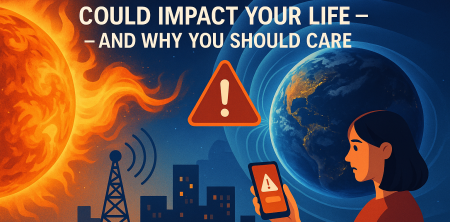
When you hear the term "space weather alerts," you might think it sounds like something out of a sci-fi movie. But the reality is that these alerts are incredibly important, especially when it comes to understanding how solar activity can affect our daily lives here on Earth. The NOAA’s Space Weather Prediction Center (SWPC) is responsible for monitoring solar conditions and issuing alerts, watches, and warnings related to space weather phenomena. Let’s take a closer look at what these alerts mean and why they matter.
The Role of the Space Weather Prediction Center
Located in Boulder, Colorado, the SWPC serves as the nation’s primary hub for tracking solar activity. The center continuously monitors the sun for solar flares, coronal mass ejections (CMEs), and other phenomena that can influence space weather. By analyzing data from satellites and ground-based observatories, the SWPC can predict when these solar events are likely to occur and how they might impact Earth.
What’s fascinating is that the sun is a dynamic, constantly changing star. It goes through an approximately 11-year cycle of activity, moving between periods of solar maximum, when solar flares and CMEs are more frequent, and solar minimum, when activity is relatively calm. During periods of heightened activity, the likelihood of space weather alerts increases, which is why keeping an eye on these predictions is crucial for anyone interested in astronomy or technology.
What Are Space Weather Alerts?
Space weather alerts come in various forms, including alerts, watches, and warnings. Each type serves a particular purpose:
- Alerts: These are issued when significant solar activity is currently occurring or expected to happen soon. They indicate immediate potential impacts on Earth's magnetosphere.
- Watches: A watch is issued when conditions are favorable for solar activity that could disrupt technology or create stunning auroras. It doesn't mean disruptions will definitely happen, but there's a chance.
- Warnings: This is the most serious category and is issued when the potential for significant impacts is high. Warnings signify that geomagnetic storms or other disturbances are expected to occur.
This system provides a structured way for scientists and the public to understand the risks associated with solar activity. By knowing what to expect, people can prepare for potential disruptions.
The Beauty and the Risk of Solar Events
One of the most captivating aspects of space weather is the duality of its effects. On one hand, solar events can produce breathtaking displays of auroras, lighting up the night sky with vibrant colors. On the other, they can disrupt communication systems, satellites, and even power grids. This beautiful yet perilous nature of space weather creates a compelling narrative that captures public interest.
For instance, during a strong geomagnetic storm, you might see the Northern Lights (Aurora Borealis) as far south as the northern United States. These displays can be awe-inspiring, but they also come with risks. For example, powerful solar storms can induce electric currents in power lines, potentially leading to outages or damage to electrical infrastructure. The 1989 geomagnetic storm, which caused a nine-hour blackout in Quebec, serves as a stark reminder of what can happen.
How Are Space Weather Alerts Issued?
The process of issuing space weather alerts relies heavily on real-time data. The SWPC utilizes a variety of satellite instruments that monitor the sun's surface for flares and CMEs. Instruments like the Solar and Heliospheric Observatory (SOHO) and the Advanced Composition Explorer (ACE) provide critical information about solar particles and their direction.
When a significant solar event occurs, experts analyze data to determine its potential impact. This analysis includes measuring the speed, density, and magnetic field of solar winds. If conditions warrant, alerts are swiftly issued to keep the public informed. This rapid response is essential, especially since solar storms can travel from the sun to Earth in as little as 15 minutes.
The Impact of Space Weather on Technology
In our technology-driven world, the effects of space weather are felt far and wide. Satellites, which play crucial roles in GPS navigation, telecommunications, and weather prediction, are particularly vulnerable to solar activity. High levels of radiation from solar flares can interfere with satellite electronics, leading to temporary disruptions or permanent damage. (See: National Oceanic and Atmospheric Administration.)
Additionally, increased solar activity can affect radio communications. For example, HF (high frequency) radio waves can be distorted or completely blocked by solar storms, making it difficult for pilots or ships to communicate, especially in remote areas. This reshaping of the radio landscape can lead to significant operational challenges.
Preparing for Space Weather Events
Given the potential impacts of space weather, it’s wise for individuals and businesses alike to stay informed and prepared. Here are a few steps you can take:
- Stay Informed: Follow the SWPC on social media or subscribe to their alerts. Knowing when a solar event is likely can help you prepare.
- Have a Plan: If you rely heavily on technology, consider having backup systems in place. This might include alternative communication methods or power sources.
- Engage with Your Community: Share information about upcoming space weather events with friends and family. Raising awareness can help others prepare.
By taking proactive measures, you can mitigate the risks posed by space weather and enjoy the beauty that comes with it.
The Rise of Public Interest in Space Weather
In recent years, interest in space weather alerts has surged, largely due to the rise of social media and the increasing accessibility of astronomy. Stunning images of auroras shared online create a visual spectacle that encourages people to seek out space weather forecasts. When a significant solar event occurs, a spike in online searches for space weather alerts typically follows.
This trend is not just limited to casual observers. Scientists, meteorologists, and even military personnel increasingly recognize the importance of space weather. Being aware of potential disruptions helps them make informed decisions, whether it’s about air travel, satellite launches, or power grid management.
The Future of Space Weather Monitoring
As our reliance on technology continues to grow, the importance of monitoring space weather will only increase. The SWPC is continually working to improve its models and prediction capabilities, allowing for more accurate and timely alerts. Additionally, new technologies, such as machine learning and artificial intelligence, are being explored to enhance forecasting methods.
Moreover, collaborations between international organizations are becoming more common, as space weather is a global concern. Projects like the ESA’s Space Weather Programme and NASA’s Solar and Heliospheric Observatory are examples of how scientists are pooling resources and knowledge to improve our understanding of these phenomena.
Understanding the Impacts on Daily Life
Space weather doesn't just affect technology; it can also have implications for human health and safety. For instance, astronauts aboard the International Space Station (ISS) are particularly at risk during solar flares due to higher radiation levels in space. NASA has protocols in place to ensure the safety of astronauts during heightened solar activity, including sheltering them in more protected areas of the ISS during significant solar events.
On Earth, airline pilots flying polar routes may also experience increased radiation exposure during strong solar storms. Airlines often adjust flight paths in anticipation of these events, which can result in longer travel times and increased fuel consumption.
Comparative Analysis of Space Weather Events
To truly grasp the importance of space weather alerts, it's useful to compare different historical events and their impacts. For example, the Carrington Event of 1859 is considered the most powerful solar storm on record. This solar flare caused widespread auroras and disrupted telegraph communications globally. More recently, the 2003 Halloween Storms resulted in significant outages and disruptions in satellite communications, power grids, and navigation systems, serving as a wake-up call about the vulnerabilities our technology faces due to space weather.
In contrast, the 2012 solar storm that narrowly missed Earth is a reminder of how much we rely on these alerts to prepare for potential disasters. Experts estimated that had it hit Earth, it could have caused damages in the range of $1-2 trillion, showcasing just how critical these alerts can be for risk management.
Expert Perspectives on Space Weather Alerts
Experts in the field emphasize the importance of staying updated on space weather alerts as our reliance on technology grows. Dr. Lisa Upton, an astrophysicist at the SWPC, notes, "Understanding space weather is no longer just an academic pursuit. It's vital for our modern infrastructure." Dr. Upton highlights the direct line between solar activity and technological disruptions, indicating that public awareness and preparedness are key to mitigating risk. (See: Space Weather Prediction Center.)
Similarly, Dr. Thomas Berger, director of the SWPC, urges businesses to take these alerts seriously. "Companies, especially those in aviation and utilities, need to integrate space weather forecasting into their operational protocols," he advises. This proactive approach can help avoid costly outages and maintain essential services.
Frequently Asked Questions about Space Weather Alerts
What causes space weather events?
Space weather events are primarily caused by solar activity, including solar flares and coronal mass ejections (CMEs). These events release large amounts of solar energy and charged particles into space, which can interact with Earth’s magnetic field.
How can I receive space weather alerts?
You can receive space weather alerts by subscribing to updates from the NOAA SWPC website or following them on social media. Many scientific apps also provide real-time alerts based on solar activity.
Are space weather alerts relevant to everyday citizens?
Absolutely! Understanding space weather alerts can help individuals prepare for potential disruptions in communications or power supply. It also enhances awareness of spectacular natural phenomena like auroras.
What should I do if a space weather alert is issued?
Monitor updates from reliable sources like the SWPC, and consider having contingency plans in place, such as backup power sources or alternative communication methods, especially if you rely heavily on technology.
Can space weather affect climate change?
While space weather can influence short-term weather patterns and phenomena, it does not have a direct impact on long-term climate change. Climate change is primarily driven by greenhouse gas emissions and other anthropogenic factors.
The Psychological Impact of Space Weather Events
Space weather events not only affect technology and infrastructure but can also have psychological impacts on individuals and communities. The awe-inspiring nature of phenomena like auroras can provoke feelings of wonder and connection to the universe. Conversely, when significant solar activity disrupts essential services, it can lead to anxiety, especially among populations that rely heavily on technology.
Research indicates that awareness of space weather can invoke a sense of preparedness, reducing anxiety levels. When people understand what to expect during solar storms, they are more likely to remain calm and collected. This understanding can contribute to community resilience, fostering cooperation in the face of potential disruptions.
The Role of Education in Space Weather Awareness
Education is crucial in enhancing public understanding of space weather and the alerts that come with it. Schools and universities should consider incorporating space weather topics into their curricula, introducing students to the science behind solar activity and its effects on Earth.
Workshops and public seminars hosted by organizations like the SWPC can also raise awareness. Such events can empower communities by providing them with knowledge and resources to prepare for space weather events. By fostering a culture of preparedness and curiosity, we can build a more informed society. (See: Solar cycle overview on Wikipedia.)
Future Technologies in Space Weather Monitoring
The future of space weather monitoring looks promising with advancements in technology. Current projects aim to deploy new satellite constellations that will provide high-resolution data on solar activity. For instance, NASA's upcoming missions, such as the Solar Orbiter and the Parker Solar Probe, are set to provide unprecedented insights into solar phenomena.
Moreover, researchers are exploring ways to utilize crowdsourced data from amateur astronomers and enthusiasts. This citizen science approach can complement professional monitoring efforts, expanding the reach and accuracy of space weather observations.
Space Weather and its Effect on Energy Sectors
Energy sectors, particularly those dealing with electric grids, face unique challenges due to space weather. Geomagnetic storms can induce currents in power lines, leading to equipment damage and outages. Utilities are increasingly implementing monitoring systems that can detect these induced currents and react quickly to mitigate effects.
For example, utilities in the U.S. and Canada have developed infrastructure to monitor space weather and its potential impacts on power systems. By integrating these systems with existing operations, they can enhance grid resilience and reduce downtime during solar storms. As solar activity becomes more unpredictable, the importance of these measures will continue to rise.
Global Collaboration in Space Weather Research
The nature of space weather makes it a global issue, transcending national borders. Countries around the world collaborate on space weather research and monitoring through various international frameworks. For instance, the International Space Weather Initiative (ISWI) promotes cooperation between countries to enhance global monitoring capabilities.
Additionally, partnerships between government agencies and private companies are becoming more common. These collaborations can lead to innovative solutions that make space weather data more accessible and actionable. By sharing resources and knowledge, we can better prepare for and respond to space weather events on a global scale.
Conclusion: Embracing the Awe of Space Weather
Space weather alerts are more than just scientific jargon; they're a window into the dynamic processes that govern our solar system. The blend of danger and beauty that these events present is a reminder of our planet’s connection to the cosmos. By staying informed and prepared, we can appreciate the stunning displays of auroras while reducing the risks associated with solar activity. As we continue to explore our universe, space weather alerts will remain a critical component of understanding our place in it.
```
Trending Now
- Fine Motor Skills Milestones: What to Expect at Each Age
- read the full story
- this guide on fine motor skills activities for preschool: preparing for kindergarten
- Dyspraxia and Proprioception: Understanding the Sensory Connection
- this guide on occupational therapy for dyspraxia: what parents should know
Frequently Asked Questions
What are space weather alerts?
Space weather alerts are notifications issued by the NOAA's Space Weather Prediction Center regarding significant solar activity, such as solar flares and coronal mass ejections. These alerts inform the public about immediate potential impacts on Earth’s magnetosphere, technology, and even the visibility of auroras.
How does solar activity affect Earth?
Solar activity can impact Earth in various ways, including disruptions to satellite communications, power grid fluctuations, and the creation of beautiful auroras. The NOAA monitors solar events to predict these effects and issue appropriate alerts, helping to mitigate risks associated with space weather.
Why should I care about space weather?
Understanding space weather is important because it can affect our daily lives, particularly in technology-dependent areas. Solar flares and coronal mass ejections can disrupt communication systems, navigation, and even power grids, making awareness of space weather alerts crucial for safety and preparedness.
What does a space weather watch mean?
A space weather watch is issued when conditions are favorable for solar activity that could disrupt technology or produce spectacular auroras. It serves as a heads-up that significant solar events may occur, allowing individuals and organizations to prepare accordingly.
How often does solar activity occur?
Solar activity follows an approximately 11-year cycle, alternating between periods of solar maximum, with frequent solar flares and coronal mass ejections, and solar minimum, when activity is lower. Monitoring these cycles helps predict when space weather alerts are more likely to be issued.
What did we miss? Let us know in the comments and join the conversation.

