```html
As children prepare to transition from preschool to kindergarten, one crucial area of development often overlooked is fine motor skills. These skills form the foundation for a child's ability to perform everyday tasks and academic activities. Fine motor skills refer to the small movements of the hands and fingers that allow children to grasp, manipulate, and control objects. Cultivating these skills through engaging activities not only aids in their physical development but also boosts their confidence and independence.
Understanding Fine Motor Skills
Fine motor skills encompass a range of abilities that involve precision and coordination. These skills are essential for activities such as writing, buttoning clothes, cutting with scissors, and even using utensils during meals. The development of fine motor skills typically begins in infancy and continues into the early years of childhood, making preschool an ideal time for focused practice.
In preschool, children often engage in play that naturally fosters fine motor skill development. However, intentional activities can more effectively target specific skills. Research indicates that a child’s ability to perform fine motor tasks can have a direct impact on their overall learning and academic success.
The Importance of Fine Motor Skills Activities in Preschool
Why should parents and educators prioritize fine motor skills activities in preschool? The answer lies in the myriad of benefits that these activities provide:
- Academic Readiness: Mastery of fine motor skills is crucial for tasks like writing and drawing, which are fundamental to early literacy.
- Independence: Skills such as buttoning or zipping jackets enable children to perform personal care tasks independently.
- Confidence: As children master various tasks, their self-esteem grows, fostering a positive attitude toward learning and challenges.
- Hand-Eye Coordination: Many fine motor activities improve coordination, which is vital for various physical tasks.
These benefits highlight the importance of integrating fine motor skills activities into preschool curricula.
10 Engaging Fine Motor Skills Activities for Preschool
Here’s a list of ten engaging fine motor skills activities that can support preschoolers in preparing for kindergarten:
1. Playdough Manipulation
Playing with playdough is a classic activity that stimulates creativity while developing fine motor skills. Encourage children to roll, flatten, and shape the dough into different forms, such as animals or letters. This activity strengthens hand muscles and enhances dexterity. To increase the challenge, you can introduce tools like cookie cutters, rolling pins, or even scissors for cutting the playdough into shapes.
2. Bead Stringing
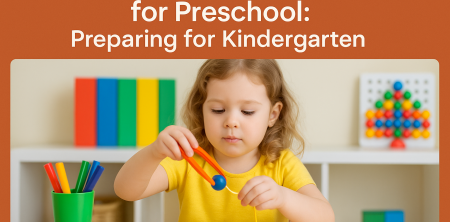
Stringing beads onto a shoelace or a piece of yarn is another excellent way to enhance fine motor skills. This activity helps improve hand-eye coordination and finger dexterity. Choose large beads for younger preschoolers to minimize frustration, while older children can work with smaller beads. To add an educational component, use different colors and shapes to discuss their characteristics as children string them.
3. Scissor Skills
Introducing scissors at a young age can be daunting for many parents, but with proper guidance, it’s a fantastic way to build fine motor skills. Start with safety scissors and let children practice cutting straight lines or simple shapes. You can use scrap paper, magazines, or even old greeting cards. As they gain proficiency, challenge them with more intricate patterns and designs.
4. Finger Painting
Finger painting is not only a fun and sensory-rich activity but also an excellent way to strengthen fine motor skills. When children use their fingers to paint, they are developing their grip and control. Encourage them to create different shapes, patterns, or even simple scenes. As an added twist, you can introduce brushes or other tools to further enhance their control. (See: milestones in child development.)
5. Puzzle Play
Puzzles come in various shapes and sizes, making them perfect for enhancing fine motor skills. Simple wooden puzzles with knobs are ideal for younger preschoolers, while more complex jigsaw puzzles can challenge older children. As children manipulate the pieces, they practice gripping, turning, and placing, all of which contribute to fine motor development.
6. Sensory Bins
Creating sensory bins filled with various materials such as rice, beans, or sand can provide a multi-sensory experience. Include tools like scoops, tongs, or tweezers to encourage children to pick up and manipulate items. This not only fosters fine motor skills but also invites imaginative play. Additionally, sensory bins can be themed around seasons, holidays, or even educational topics, making them versatile educational tools.
7. Button and Snap Activities
Practicing with buttons and snaps is an engaging way to develop dexterity and improve hand strength. You can create a fabric board with different materials sewn on, allowing children to practice buttoning and snapping at their own pace. This activity helps them gain independence in dressing themselves and builds the confidence necessary for personal care tasks.
8. Construction Play
Building with blocks or construction sets promotes fine motor skills through manipulation and assembly. Encourage children to create structures, bridges, or even imaginative landscapes. As they grasp, stack, and balance various pieces, they’re practicing coordination and control. This kind of play also introduces concepts of stability and balance, providing a well-rounded learning experience.
9. Gardening Activities
Gardening can be a wonderful way to connect with nature while also enhancing fine motor skills. Activities like planting seeds, digging in the soil, or watering plants require the use of hands and tools, helping to build strength and coordination. Not only does gardening promote physical skills, but it also teaches responsibility and care for living things.
10. Origami and Paper Folding
Introducing simple origami and paper folding can be a delightful way to enhance fine motor skills. Start with basic designs like paper boats or hats, and guide children through the steps of folding. This activity requires concentration and precision, making it an excellent way to develop control over hand movements. Plus, it results in a fun final product that children can take pride in.
Creating an Engaging Learning Environment
While incorporating fine motor skills activities is essential, the learning environment also plays a significant role. Here are some suggestions for creating a nurturing space:
- Accessible Materials: Ensure that all materials are easily accessible. This encourages independence and invites children to explore and engage in activities freely.
- Variety: Provide diverse activities to maintain interest. Rotate materials and tools regularly to keep the experience fresh and exciting.
- Encouragement: Celebrate accomplishments, no matter how small. Positive reinforcement fosters a love for learning and boosts confidence.
By creating an enriching environment, you’ll inspire children to explore fine motor skills activities with enthusiasm.
Incorporating Technology into Fine Motor Skills Development
In our increasingly digital world, technology can also play a role in enhancing fine motor skills. Educational apps and games designed for preschoolers often incorporate touch-screen activities that require tapping, dragging, or swiping. While screen time should be limited, utilizing technology effectively can complement traditional methods of learning.
It’s essential to choose age-appropriate apps that emphasize skill development. Some apps focus on drawing, while others involve sorting or building activities. As always, parental guidance is crucial to maximize the benefits of technology in fine motor development.
The Role of Parents and Caregivers
Parents and caregivers play a pivotal role in developing a child's fine motor skills. Engaging actively in these activities not only strengthens the parent-child bond but also reinforces learning. Here are some actionable ways parents can contribute:
- Modeling: Show children how to perform tasks, emphasizing the hand movements involved.
- Participation: Join in on the activities. Your involvement can motivate them and make the tasks more enjoyable.
- Encouragement: Provide verbal praise and encouragement to boost their confidence as they practice new tasks.
By being involved, parents and caregivers help children feel supported in their fine motor skill development. (See: fine motor skills and learning.)
Assessing Fine Motor Skills Progress
Monitoring your child's progress in fine motor skills can help track their development and identify areas where they may need additional support. Some indicators of well-developed fine motor skills include:
- Ability to hold a crayon or pencil with the correct grip
- Successful completion of simple puzzles and cutting tasks
- Confidence in dressing themselves and using fasteners
If you notice your child struggles in certain areas, consider seeking guidance from educators or child development specialists. Early intervention can significantly improve outcomes, helping children enter kindergarten with the skills they need to succeed.
New Perspectives on Fine Motor Skills Development
The development of fine motor skills is not just about physical capability; it intertwines with cognitive and social-emotional growth. Experts in child development emphasize the holistic nature of learning and how fine motor skills can influence various aspects of a child's life. For instance, a child who can manipulate small objects with proficiency may also show enhanced problem-solving skills due to their ability to engage in more complex play activities.
Additionally, fostering creativity through fine motor activities can lead to greater engagement in STEM (Science, Technology, Engineering, and Mathematics) learning. As children build structures or create art, they develop critical thinking and spatial awareness, essential components of STEM fields.
Statistics on Fine Motor Skills Development
Research underscores the significance of fine motor skills in early childhood. According to a study published in the journal "Child Development," children who participated in structured fine motor activities were 30% more likely to demonstrate advanced writing skills by age 6 compared to their peers who engaged in less targeted activities. Furthermore, the American Academy of Pediatrics highlights that fine motor skills are a predictor of later academic success, showing that children who develop these skills early are more likely to excel in their overall educational journey.
Comparing Fine Motor Skills and Gross Motor Skills
While fine motor skills focus on small, precise movements, gross motor skills involve larger muscle groups and overall body coordination. Understanding the differences and how they complement each other can help educators and parents create a balanced approach to physical development. Activities that enhance gross motor skills, such as running or jumping, can also indirectly support fine motor development. For instance, climbing helps develop hand strength, which can benefit fine motor tasks like writing or crafting.
Integrating both types of activities in preschool allows for a more comprehensive development strategy. For example, a day at preschool could include obstacle courses that require climbing (gross motor skills) followed by art projects that involve cutting and gluing (fine motor skills).
Fine Motor Skills FAQ
What age do fine motor skills start developing?
Fine motor skills begin developing in infancy, with basic grasping motions starting around 4 to 6 months. By preschool age, children should be engaging in activities that refine these skills further.
How can I tell if my child is developing fine motor skills appropriately?
Look for milestones such as the ability to grasp small objects, use a spoon or fork, draw basic shapes, and perform simple tasks like buttoning a shirt or zipping a jacket. If your child is achieving these milestones, they are likely on track.
Can fine motor skills be improved at home?
Absolutely! Engaging in fun activities like arts and crafts, cooking, and playing games that require manipulation of small items can significantly enhance fine motor skills at home.
Are there specific toys that promote fine motor skills?
Yes, toys such as building blocks, lacing beads, and manipulative toys designed for sorting or stacking can all encourage the development of fine motor skills. Look for toys that require children to use their hands and fingers in varied ways.
What should I do if I’m concerned about my child's fine motor skills development?
If you have concerns, it’s a good idea to consult with a pediatrician or a child development specialist. They can provide guidance and recommend specific activities or interventions if needed.
Expanding the Scope: Cultural Activities for Fine Motor Development
Incorporating cultural and traditional activities can also enhance fine motor skills. For example, children can partake in activities like creating arts and crafts that reflect their heritage, such as making origami cranes or weaving simple patterns with natural materials. These activities not only build fine motor proficiency but also deepen children's appreciation for their cultural background. Engaging in such traditions with family can strengthen bonds and create a richer learning experience.
Innovative Fine Motor Skills Activities
Beyond the classic activities mentioned earlier, there are innovative ways to develop fine motor skills. One such activity is creating a "fine motor skills obstacle course" in your home or classroom. Set up various stations with tasks like transferring pom-poms using tweezers, stacking mini cups, or threading yarn through holes in a cardboard box. This dynamic approach not only keeps children engaged but also challenges them to use different hand movements and refine their motor skills in a fun context.
Fine Motor Skills and Emotional Regulation
Recent studies highlight the link between fine motor skills and emotional regulation. Children who engage in fine motor activities often find they can better manage their emotions, as these tasks require focus and can be calming. Activities like painting or working with playdough provide a sensory outlet that helps children express their feelings and reduces anxiety. This aspect of fine motor skills development is crucial, especially as children navigate the social dynamics of preschool and prepare for the more structured environment of kindergarten.
Future Implications of Fine Motor Skills
Looking ahead, the skills developed in preschool can have far-reaching implications. Proficient fine motor skills set the groundwork for success in various fields, including art, engineering, and technology. As children grow, these skills become even more critical in academic settings, where tasks such as note-taking, using computers, and engaging in lab work require a degree of dexterity and coordination. By fostering these skills early, we’re not just preparing children for kindergarten, but equipping them for lifelong learning and success.
Conclusion: Building a Strong Foundation
Fine motor skills are fundamental for preschoolers as they transition to kindergarten. Engaging in activities that promote these skills not only prepares children for academic success but also nurtures their independence and confidence. By incorporating a variety of fun and educational activities into everyday routines, parents and educators can create a strong foundation for children's future development. Remember, every little bit counts, and the more opportunities children have to practice, the more skilled they’ll become.
```
Trending Now
Frequently Asked Questions
What are fine motor skills and why are they important for preschoolers?
Fine motor skills involve the small movements of hands and fingers, crucial for tasks such as writing, buttoning clothes, and using utensils. They are essential for preschoolers as they lay the groundwork for academic success and daily independence.
How can fine motor skills activities help prepare children for kindergarten?
Engaging in fine motor skills activities enhances children's coordination, confidence, and independence. Mastering these skills helps them perform essential tasks like writing and self-care, which are vital for their academic readiness in kindergarten.
What are some examples of fine motor skills activities for preschoolers?
Examples include activities like cutting with scissors, threading beads, playing with clay, and practicing buttoning or zipping clothing. These activities not only make learning fun but also effectively target fine motor skill development.
At what age should children start developing fine motor skills?
Fine motor skills begin developing in infancy and continue to evolve through early childhood. Preschool is an ideal time to focus on targeted activities that enhance these skills, preparing children for more complex tasks in school.
What benefits do fine motor skills provide for preschool children?
Fine motor skills provide numerous benefits, including improved academic readiness, increased independence in personal tasks, enhanced confidence, and better hand-eye coordination. These skills are foundational for successful learning experiences in preschool and beyond.
Agree or disagree? Drop a comment and tell us what you think.

