```html
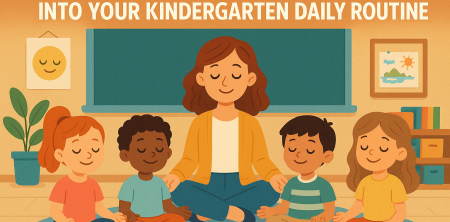
In recent years, the introduction of mindfulness in kindergarten has gained traction as educators recognize its profound benefits on young learners. Integrating mindfulness practices into the daily routines of young children can enhance their emotional regulation, focus, and overall wellbeing. But how do we effectively implement these practices in a kindergarten setting? In this article, we’ll explore nine practical strategies to incorporate mindfulness into your daily routine, ensuring that children not only learn but thrive.
1. Start with Short Mindful Breathing Exercises
One of the simplest ways to introduce mindfulness is through breathing exercises. These can be incorporated at the start of the day or during transitions between activities. Start with a few minutes of deep breathing; you can guide the children to take a deep breath in through their noses and exhale through their mouths. This practice helps them calm their minds and bodies.
For added engagement, you might introduce fun imagery. Encourage children to imagine blowing up a balloon with each inhale and then letting it slowly deflate with each exhale. This visualization can make the exercise more relatable and enjoyable for young learners, reinforcing the concept of mindfulness in kindergarten.
2. Implement Mindful Listening Activities
Mindful listening is another essential aspect of mindfulness that can be woven into the kindergarten routine. Use calming sounds, such as chimes or nature sounds, to teach children how to focus their ears and minds. Have the children sit quietly, close their eyes, and listen intently to the sounds around them for a few minutes.
After the exercise, engage them in a discussion about what they heard. This not only enhances their listening skills but also promotes a sense of presence and awareness in the current moment, making it a valuable exercise in practicing mindfulness in kindergarten.
3. Incorporate Movement with Mindful Activities
Mindfulness doesn’t have to be static; incorporating movement can also be beneficial. Activities like yoga or simple stretching can be excellent tools for promoting mindfulness. These movements not only help children to become aware of their bodies but also foster a sense of relaxation and connection to the present moment.
Introduce a short yoga session or a few stretches in the classroom to break up sedentary periods. You can align these movements with breath, guiding children to stretch as they inhale and relax as they exhale. This combination of movement and mindful breathing is an effective way to integrate mindfulness in kindergarten.
4. Establish a Mindfulness Corner
A dedicated mindfulness corner in the classroom can serve as a peaceful retreat for children. This space can be equipped with calming items such as cushions, soft lighting, and sensory materials like sand or water beads. Encourage children to visit this corner when they feel overwhelmed or need a moment of quiet.
Having a mindfulness corner not only gives children permission to take a break but also helps them learn to self-regulate their emotions. It teaches them how to recognize when they need a mindful moment, effectively incorporating mindfulness into their daily lives.
5. Utilize Storytime for Mindfulness Lessons
Storytime can be an excellent opportunity to introduce mindfulness themes. Choose books that focus on emotions, such as The Color Monster by Anna Llenas, which discusses feelings in a relatable way. After reading, engage students in a conversation about the characters' feelings and how they can recognize and manage their own.
Integrating mindfulness into storytime helps children connect emotionally to the narrative, making the principles of mindfulness more tangible and applicable to their own experiences. This practice not only develops literacy skills but also embeds mindfulness in their daily routines.
6. Practice Gratitude Journaling
Incorporating gratitude practices into the kindergarten routine can foster a positive mindset among young learners. Consider having a daily or weekly gratitude journaling session where children can draw or write about things they are thankful for. (See: CDC on mindfulness and mental health.)
This practice helps children focus on the positive aspects of their lives, reinforcing mindfulness by shifting their attention away from negativity or stress. It’s a simple yet powerful way to teach them to recognize and appreciate the small joys in life, promoting a mindful approach to their daily experiences.
7. Engage in Nature Walks
Getting outside for a nature walk can be a wonderful way to practice mindfulness. Encourage children to observe their surroundings, focusing on the colors, sounds, and textures they encounter. You might even incorporate a scavenger hunt, allowing them to seek out specific natural items, which encourages active engagement with their environment.
Nature walks promote mindfulness by connecting children with the world around them, allowing them to explore and reflect on their experiences in a calming setting. This practice can deepen their appreciation for nature while reinforcing the principles of mindfulness in kindergarten.
8. Create Mindfulness-Based Art Projects
Art can be a soothing and effective way to practice mindfulness. Consider introducing mindful art projects that encourage children to express their thoughts and feelings creatively. Activities can include painting, drawing, or even creating collages focused on themes of calmness and gratitude.
By engaging in these art projects, children learn to focus on the process rather than just the final product. This shift in mindset cultivates a sense of presence and encourages them to enjoy the moment, embodying the essence of mindfulness in kindergarten.
9. Encourage Reflection with Circle Time
Circle time is a great opportunity to foster mindfulness through reflection. Create a routine where children can share their feelings, experiences, or thoughts about the day. This practice allows them to articulate their feelings and listen to others, promoting empathy and understanding.
By encouraging open dialogue during circle time, children can practice mindfulness through reflection and active listening. This not only reinforces a community atmosphere but also teaches them valuable skills in self-expression and emotional intelligence.
10. The Science Behind Mindfulness and Early Education
Understanding the scientific basis for mindfulness can help educators appreciate its importance. Studies have shown that mindfulness practices can lead to significant improvements in emotional regulation and social skills among young children. According to a 2018 study published in the journal Mindfulness, children who practiced mindfulness regularly exhibited higher levels of self-regulation and lower levels of anxiety.
Moreover, research conducted by the Center for Healthy Minds at the University of Wisconsin-Madison found that mindfulness can enhance cognitive development in children. Children engaged in mindfulness practices demonstrate improved attention spans and better problem-solving skills, all of which are critical for their academic success.
Incorporating mindfulness in kindergarten doesn't just teach kids to be present; it also sets the stage for lifelong mental health and emotional resilience.
11. Mindfulness and Emotional Intelligence
One of the key benefits of mindfulness in kindergarten is its impact on emotional intelligence. Mindfulness practices encourage children to become aware of their feelings and the feelings of others, fostering empathy. By learning to pause and reflect, children can better understand their emotional responses and develop healthier relationships with peers.
For instance, when a conflict arises, a mindful approach allows children to step back and assess their emotions before reacting. This practice can lead to more constructive communication and conflict resolution, essential skills that will serve them throughout their lives.
12. Creating a Mindful Classroom Culture
To truly integrate mindfulness in kindergarten, it’s crucial to create a classroom culture that supports these practices. This means not only incorporating mindfulness exercises but also fostering an environment that encourages kindness, patience, and respect. Teachers can model mindfulness by practicing self-care and demonstrating calmness in stressful situations. (See: NIH on mindfulness and child development.)
A supportive classroom culture can be reflected in the language used. Phrases like "Let's take a moment to breathe" or "How can we support each other right now?" can cultivate a sense of community and mindfulness among children. These small changes can have a profound impact on children’s social dynamics and overall classroom atmosphere.
13. Mindfulness in the Home Environment
It's essential to extend mindfulness practices beyond the classroom. Encouraging parents to incorporate mindfulness activities at home can create a consistent experience for children. Simple activities like mindful eating, where families take time to enjoy their meals without distractions, can reinforce what children learn in school.
Additionally, parents can be provided with resources, such as guided meditation apps or children's mindfulness books. Offering workshops or informational sessions about the benefits of mindfulness can also empower parents to support their children’s emotional development.
14. Mindfulness Techniques for Teachers
Educators can also benefit from mindfulness practices. Teaching is a demanding profession, and taking time for self-care is essential for maintaining a healthy environment for both teachers and students. Techniques such as mindful breathing, short meditation breaks, or even simple stretches can help teachers stay grounded and present in the classroom.
By prioritizing their own mindfulness, educators can model these practices for their students effectively. A calm teacher is better equipped to handle classroom challenges, fostering a more positive, productive learning environment.
15. Frequently Asked Questions about Mindfulness in Kindergarten
What age is appropriate for teaching mindfulness to children?
Children as young as three years old can begin to learn basic mindfulness concepts. Kindergarten is an ideal age to introduce these practices, as children are developing their social-emotional skills and can benefit greatly from mindfulness techniques.
How can I include parents in mindfulness practices?
Involve parents by providing them with information on mindfulness and how they can practice it at home. Consider hosting workshops or sending home mindful activities that families can do together.
Can mindfulness really help with behavior issues in the classroom?
Yes! Research suggests that mindfulness can significantly reduce behavioral issues in classrooms. By teaching children to recognize their emotions and practice self-regulation, teachers can see a decrease in disruptive behavior.
Are there specific mindfulness programs for early childhood education?
Yes, several programs focus on teaching mindfulness to young children. Programs like “MindUp” and “The Calm Classroom” are designed specifically for educators and can be integrated into early childhood education settings.
What should I do if students are resistant to mindfulness practices?
Resistance is normal, especially when introducing something new. Start with short sessions and engaging activities. Allow children to express their feelings about the practices and gradually increase the duration as they become more comfortable.
16. Real-Life Examples of Mindfulness in Kindergarten
There are numerous schools and educators successfully implementing mindfulness programs in kindergarten. For example, an elementary school in California introduced a mindfulness curriculum that combines breathing exercises and emotional check-ins into their daily routine. Teachers noticed a marked improvement in children's ability to focus during lessons and their interactions with peers became more positive.
In another instance, a kindergarten teacher in New York integrated mindful moments throughout the day, encouraging children to take a break and engage in mindful breathing whenever they felt overwhelmed. This practice not only helped to reduce stress in the classroom but also empowered children to take ownership of their emotional health.
17. Expert Perspectives on Mindfulness in Education
Experts in child psychology and education emphasize the importance of mindfulness practices in early childhood settings. Dr. Linda Lantieri, a well-known advocate for social-emotional learning, points out that children who practice mindfulness are more likely to develop resilience and empathy. She states, "Mindfulness is not just a technique; it's a way of being. Teaching children to be present and aware early in life lays the groundwork for emotional intelligence."
Dr. Jon Kabat-Zinn, a pioneer in mindfulness research, also highlights its significance. He suggests that integrating mindfulness practices into education can help combat the rising rates of anxiety and depression among children, emphasizing that these practices teach valuable life skills that extend beyond the classroom.
18. Statistics Supporting Mindfulness Practices
Statistical evidence supports the positive impact of mindfulness on children. A study published in the journal Applied Psychology: Health and Well-Being found that students who participated in mindfulness programs showed a 30% increase in attention span and a 25% decrease in anxiety levels. Another study indicated that schools with established mindfulness programs saw a significant reduction in disciplinary actions, demonstrating a link between mindfulness and improved behavior.
Furthermore, a survey conducted by the Collaborative for Academic, Social, and Emotional Learning (CASEL) found that 93% of teachers who integrated mindfulness into their classrooms reported improved student focus and engagement. These compelling statistics make a strong case for the need for mindfulness in kindergarten.
19. Mindfulness Across Various Cultures
Mindfulness isn't solely a Western practice; various cultures around the world have long embraced forms of mindfulness. For instance, in Japan, practices like Shinrin-yoku, or "forest bathing," encourage individuals to immerse themselves in nature to enhance mental health and wellbeing. Schools in Japan often incorporate these practices into their curriculum, highlighting the universal benefits of mindfulness.
Similarly, in Bhutan, a country renowned for its emphasis on Gross National Happiness, mindfulness is integrated into educational frameworks. The Bhutanese education system prioritizes not just academic success, but also emotional and social growth, which is achieved through mindfulness practices among students.
20. Conclusion: The Future of Mindfulness in Education
The integration of mindfulness in kindergarten is not merely a trend; it reflects a growing understanding of the importance of emotional and mental health in early childhood education. As more educators recognize its benefits, we can expect to see an increasing number of schools adopting mindfulness practices across various curricula. This shift towards a more holistic approach to education promises to cultivate a generation of mindful, resilient individuals capable of navigating the complexities of modern life.
Incorporating mindfulness in kindergarten is not just about teaching children to meditate; it’s about creating an environment where they can develop essential life skills. By adopting these nine strategies, educators can lay a strong foundation for emotional and mental wellbeing, helping young learners thrive both inside and outside the classroom. With these practices, we can foster a generation of mindful, empathetic individuals ready to engage with the world around them.
```
Trending Now
- this guide on unlocking social skills: how social pragmatics role play transforms middle school learning
- 7 Pragmatics Challenges English Language Learners Face That Every Teacher Must Understand
- this guide on unlocking language: the essential differences between pragmatics, semantics, and syntax
Frequently Asked Questions
What are some mindfulness activities for kindergarten?
Mindfulness activities for kindergarten include short mindful breathing exercises, mindful listening activities, and incorporating movement with mindful practices. These activities help children enhance their emotional regulation, focus, and overall wellbeing, making mindfulness a beneficial part of their daily routine.
How can I teach mindfulness to young children?
To teach mindfulness to young children, start with simple techniques like mindful breathing and listening exercises. Use engaging imagery, such as imagining blowing up a balloon while breathing, to make the practices relatable. Consistently integrate these activities into their daily routines for better results.
What are the benefits of mindfulness in kindergarten?
Mindfulness in kindergarten can significantly enhance children's emotional regulation, focus, and overall wellbeing. By incorporating mindfulness practices into their routines, children learn to manage their emotions better, improve their concentration, and cultivate a sense of calm and presence.
How long should mindfulness exercises last for kindergarteners?
Mindfulness exercises for kindergarteners should typically last between 3 to 5 minutes. This duration helps maintain their attention and engagement while allowing them to experience the calming effects of mindfulness without feeling overwhelmed or bored.
Can mindfulness improve children's focus in school?
Yes, incorporating mindfulness practices in kindergarten can significantly improve children's focus in school. Techniques such as mindful breathing and listening help children develop greater attention spans and enhance their ability to concentrate on tasks, leading to better learning outcomes.
Agree or disagree? Drop a comment and tell us what you think.

