```html
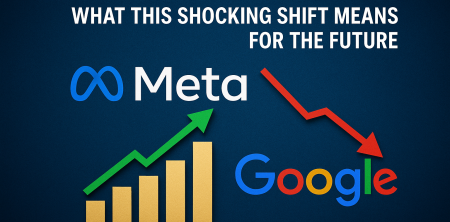
In an unprecedented twist in the digital advertising landscape, Meta ad revenue has officially outpaced Google for the first time. This monumental shift marks a significant turning point in the balance of power within the tech industry, challenging long-held assumptions about who leads the advertising game. As Meta leverages cutting-edge AI-driven ad targeting and deep user engagement on platforms like Facebook and Instagram, the implications for Google’s future could be profound.
The Rise of Meta: A New Era in Advertising
Meta's surge in ad revenue is attributed largely to its aggressive expansion into artificial intelligence. By utilizing AI, Meta has managed to refine its ad targeting, ensuring that advertisements reach the most relevant users. This technology allows for improved engagement rates, as businesses find themselves interacting with high-intent audiences.
Additionally, Meta has created an ecosystem where advertisers can capitalize on user data more effectively than ever. As users scroll through their feeds on Facebook and Instagram, they encounter ads that align with their interests and behaviors, making them more likely to convert into customers. This strategic move has put Meta at a competitive advantage against Google, which has traditionally relied on its search engine dominance to drive ad sales.
The Impact of AI on Digital Advertising
AI's role in this significant shift can't be overstated. Meta's use of machine learning algorithms to analyze user behavior has allowed it to create more personalized ad experiences. This technology enables the optimization of ad placements in real-time, leading to higher engagement rates. For example, advertisers can now modify their campaigns based on immediate feedback from user interactions, ensuring they are always targeting the right audience.
Analysts have noted that this approach could redefine how brands allocate their marketing budgets. Instead of relying solely on traditional channels or the well-trodden path of search ads, businesses might find greater ROI through social platforms that harness AI for enhanced targeting and engagement. This change could spell trouble for Google's traditional search model, which has been the cornerstone of its ad revenue strategy.
What This Means for Google and Its Ad Strategy
With Meta's rise in ad revenue, Google faces a pressing question: is its reliance on traditional search becoming obsolete? The shift in consumer behavior, leaning toward social media for discovery and shopping, suggests that brands may reconsider where to invest their advertising dollars. Google's search ads, while still powerful, may not offer the same level of personalized engagement that Meta provides.
The implications for Google are vast. As marketers seek innovative ways to reach consumers, they might prioritize platforms that offer real-time data and insights, like those provided by Meta. This could lead to a decrease in demand for Google's search ads, challenging the company's long-held status as the king of digital advertising.
Social Media Buzz: The Conversation Around Meta's Milestone
Social media platforms have exploded with discussions about this shocking shift in ad revenue. Tech analysts, marketers, and enthusiasts alike are weighing in, sharing their thoughts on what this means for the future of advertising and consumer engagement. The debate has become a hot topic, with many calling it a watershed moment for the industry.
Comments range from cautious optimism about Meta's innovative strategies to concerns about Google's ability to adapt. Some experts argue that this could lead to a more competitive advertising landscape, potentially benefiting consumers with more relevant ads while challenging brands to adapt their strategies.
Comparing Engagement: Meta vs. Google
When it comes to user engagement, Meta has carved out a niche that Google has struggled to replicate. The immersive nature of platforms like Instagram allows for a level of interaction that standard search engine ads can't match. Users are not just passive viewers; they're active participants in a community where they can engage with brands directly. (See: CDC on digital advertising trends.)
Meta's use of Stories, Reels, and innovative ad formats allows brands to tell stories that resonate with their target audience. This contrasts sharply with Google's approach, which is fundamentally transactional. The emphasis on storytelling in advertising is becoming increasingly vital as consumers gravitate toward brands that resonate on a personal level.
The Future of Digital Advertising: Key Considerations
As Meta continues to dominate the ad revenue space, brands must consider how this affects their marketing strategies. The shift could lead to changes in how businesses approach digital marketing, emphasizing the need for integration between various channels. Businesses may find themselves balancing search and social advertising to maximize their reach.
Moreover, the conversation around data privacy is likely to intensify. As AI-driven targeting becomes more sophisticated, consumers are becoming more aware of how their data is used. Marketers will need to navigate these waters carefully, ensuring they maintain trust while still delivering effective ad campaigns.
Expert Opinions: What Analysts Are Saying
Industry experts are closely monitoring this shift in Meta ad revenue. Many believe that if this trend continues, it could alter the competitive landscape for years to come. Some analysts suggest that Google could respond by enhancing its own ad offerings, perhaps by integrating AI more deeply into its search advertising strategy.
Others argue that Google needs to rethink its approach entirely, focusing on innovation rather than just relying on its existing strengths. As the digital landscape evolves, companies must adapt or risk becoming obsolete, a lesson that Google knows well from past competitive challenges.
Case Studies: Brands Thriving with Meta
Numerous brands have already started to embrace Meta's advertising capabilities, reaping the benefits of its advanced targeting and engagement tools. For instance, major fashion retailers have found success by utilizing Instagram’s shopping features, which allow users to purchase directly from the app. This has proven to be particularly effective in reaching younger demographics, who are increasingly turning to social media for shopping inspiration.
These success stories highlight the potential of Meta's advertising model. Brands that traditionally relied on Google for search ads are now exploring the untapped potential of Meta's platforms. As a result, we’re likely to see a growing number of companies shift their focus to social media advertising as they seek to connect with consumers in meaningful ways.
Exploring Meta's Advertising Innovations
Beyond just AI-driven targeting, Meta continues to innovate with new advertising formats and tools. One major development is the introduction of augmented reality (AR) ads. These ads allow users to virtually try on products, which can significantly increase engagement and conversion rates. For example, cosmetic brands have successfully implemented AR ads that enable users to see how a lipstick color looks on their own lips before making a purchase.
This AR capability not only enhances the shopping experience but also builds a deeper layer of engagement that traditional ads simply can't replicate. As more brands experiment with this technology, it’s likely we’ll see an increase in both user interaction and sales through Meta’s platform.
Statistical Insights on Meta Ad Revenue Growth
The growth trajectory of Meta ad revenue is remarkable. According to recent statistics, Meta's ad revenue reached approximately $118 billion in 2022, a significant jump from previous years. Analysts predict that this number could rise to $150 billion by 2024 as more businesses allocate budgets toward social media advertising over traditional formats.
In a recent survey, 73% of marketers reported that they planned to increase their spending on Meta platforms in the coming year, highlighting the shift in confidence towards social media as a primary advertising channel. This shift indicates a potential decline in investment in Google Ads as brands seek more effective ways to reach consumers in a crowded digital marketplace. (See: New York Times on Meta's ad revenue.)
Ad Budget Allocation: Where Should Brands Invest?
Given the rapid changes in digital advertising, brands are reevaluating how they allocate their ad budgets. A study by eMarketer revealed that nearly 60% of digital ad budgets are now directed toward social media platforms, with Meta leading the charge. This marks a significant shift from previous years when search engines dominated ad spending.
As brands consider where to invest, they are weighing the benefits of Meta's extensive user data, engagement metrics, and innovative features against the strong, but traditional, performance of Google Ads. Companies are finding that the flexibility and creativity that Meta offers allow for more dynamic campaigns that can adapt quickly to changing consumer preferences.
Frequently Asked Questions about Meta Ad Revenue
What factors contributed to Meta surpassing Google in ad revenue?
Several factors played a role in this significant shift. Meta's focus on AI-driven advertising has allowed it to offer more personalized and effective ad solutions. Additionally, enhanced user engagement on platforms like Instagram and Facebook has drawn more advertisers seeking to connect with their audiences in meaningful ways.
How does Meta's advertising approach differ from Google's?
Meta's approach is rooted in social interaction and storytelling, allowing brands to engage users in a more immersive way. In contrast, Google primarily focuses on transactional advertising through search queries, which may lack the same level of personal engagement that social media offers.
What does the rise of Meta ad revenue mean for small businesses?
For small businesses, the rise of Meta ad revenue presents both challenges and opportunities. With the growing emphasis on social media advertising, small businesses can leverage Meta’s tools to reach targeted audiences with lower budgets compared to traditional media. However, they must adapt to create engaging content that resonates within these platforms.
Will this trend continue, or is it a temporary shift?
While it’s difficult to predict the future, many experts believe that the trend will continue as long as Meta keeps innovating and enhancing its advertising capabilities. As consumer habits evolve toward social media for discovery and engagement, brands will likely follow suit, maintaining pressure on Google to adapt.
Emerging Trends in Digital Advertising
As we move into the future, several trends are shaping the digital advertising landscape. One notable trend is the rise of video content. Platforms like TikTok and Instagram Reels are proving that short-form video can capture attention more efficiently than static images or text-based ads. This shift has not gone unnoticed by advertisers, who are increasingly allocating budget towards creating engaging video content.
Moreover, the integration of e-commerce features within social media platforms is transforming how consumers shop. Imagine scrolling through your Instagram feed and being able to purchase a jacket just by tapping on an ad. This level of convenience is pushing brands to adopt social commerce strategies, and Meta is at the forefront of this movement with its shoppable posts and ads.
The Importance of Audience Insights
Understanding audience behavior and preferences is more critical than ever in today’s advertising world. Meta provides extensive analytics tools that allow brands to see how their ads are performing, who is engaging with them, and what type of content resonates most. This data is invaluable for refining ad strategies and improving ROI.
Brands that leverage these insights can make informed decisions about their advertising approach, allowing for more effective campaigns. As we see more emphasis on data-driven strategies, companies that can harness audience insights will likely see greater success in their advertising efforts. (See: ScienceDirect on AI in advertising.)
Comparative Analysis: Meta vs. Google
When considering where to invest ad dollars, it helps to look closely at how Meta and Google stack up against each other. Google's strength lies in its search engine capability, where intent is high, as users are actively searching for specific information or products. This results in high conversion rates for search ads, particularly for businesses that cater to immediate needs.
On the flip side, Meta excels in creating brand awareness and customer engagement through social interaction. Ads on Meta platforms can create emotional connections through storytelling, tapping into user interests and lifestyles. Brands looking to cultivate long-term relationships with customers might find better success on Meta, while those needing immediate results may still rely on Google.
Ultimately, the best approach may very well be an integrated strategy that leverages the strengths of both platforms. Combining targeted Google search ads with engaging Meta social media campaigns can provide a comprehensive marketing strategy that caters to various consumer behaviors.
Looking Ahead: The Evolving Landscape of Digital Advertising
As we think about the future of digital advertising, one thing is clear: the landscape will continue to evolve. With advancements in technology, changing consumer preferences, and increasing competition, brands must be agile. The rise of Meta ad revenue signals a shift that may have long-lasting effects, but it’s just one chapter in the ongoing story of digital marketing.
Brands that can adapt to these changes, harness new technologies, and engage consumers effectively are the ones that will thrive in this new era. As Meta and Google continue to innovate and compete, marketers must keep a close eye on emerging trends and be ready to pivot strategies as necessary.
Conclusion: A New Chapter for Digital Advertising
Meta's rise in ad revenue marks a pivotal moment in digital advertising, not just for the company but for the industry as a whole. As the dynamics of consumer engagement continue to evolve, this shift may signal the beginning of a new era, one where AI-driven strategies and social media interactions take center stage.
For marketers, the challenge will be adapting to this rapidly changing landscape while finding innovative ways to engage consumers. As Meta leads the charge, the future of digital advertising promises to be exciting, albeit unpredictable. The question now is how quickly businesses can pivot to this new reality and what that means for the future of their advertising strategies.
```
Trending Now
Frequently Asked Questions
How has Meta's ad revenue surpassed Google's?
Meta's ad revenue has surpassed Google's primarily due to its aggressive use of artificial intelligence for ad targeting. By leveraging machine learning to analyze user behavior, Meta has improved engagement rates and created more personalized ad experiences, allowing advertisers to reach high-intent audiences effectively.
What does Meta's rise in ad revenue mean for the advertising industry?
Meta's rise in ad revenue signifies a major shift in the digital advertising landscape, challenging the long-standing dominance of Google. This change could lead to new strategies in ad spending and campaign management as brands adapt to Meta's AI-driven approaches, potentially redefining marketing budgets.
How is AI impacting digital advertising?
AI is transforming digital advertising by enabling platforms like Meta to optimize ad placements in real-time. Through machine learning algorithms, advertisers can analyze user interactions and adjust their campaigns instantly, resulting in higher engagement rates and more effective targeting of potential customers.
Why are advertisers shifting focus from Google to Meta?
Advertisers are shifting focus from Google to Meta due to Meta's advanced AI capabilities that enhance ad targeting and user engagement. By providing more relevant and personalized ads on platforms like Facebook and Instagram, Meta offers a competitive edge that appeals to businesses seeking better conversion rates.
What are the implications of Meta's ad revenue growth for Google?
The implications of Meta's ad revenue growth for Google could be profound, as it challenges Google's traditional dominance in digital advertising. This shift may force Google to innovate its advertising strategies and improve its targeting methods to remain competitive in an evolving market landscape.
What's your take on this? Share your thoughts in the comments below — we read every one.

