```html
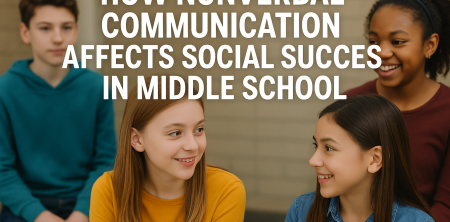
Ah, middle school — a time of awkward transitions, burgeoning friendships, and a social hierarchy that can feel as confusing as it is critical. For many students, the path to social success during these years hinges on more than just verbal skills; it’s often the subtleties of nonverbal communication in middle school that can make or break relationships. So, how does nonverbal communication play into this pivotal stage of life? Let’s explore the ins and outs of this fascinating subject.
The Basics of Nonverbal Communication
Before we dive deeper, let’s clarify what nonverbal communication actually encompasses. Think about how much we say without words. Our body language, facial expressions, eye contact, gestures, posture, and even the physical space we maintain can speak volumes. In fact, studies suggest that as much as 93% of communication is nonverbal. This means that while words are important, what we convey through our body can often overwhelm verbal messages.
Nonverbal Communication: A Lifeline in Middle School
During middle school years, social dynamics are complex. Kids are not just trying to figure out their own identities; they’re also gauging how others perceive them. Nonverbal cues can act as a lifeline, helping students navigate friendships and social circles. Understanding and mastering these signals can lead to greater acceptance and popularity among peers.
For instance, a warm smile can invite others to approach, while crossed arms might signal defensiveness or a desire to be left alone. Being aware of these signals can enhance a student’s ability to connect with others, as well as the ability to interpret the feelings and intentions of those around them.
The Importance of Body Language
Body language is a significant aspect of nonverbal communication. It includes gestures, postures, and movements that convey information. In middle school, where social interactions are constantly evolving, the importance of body language cannot be overstated. A study published in the journal Communications Research found that adolescents who exhibit open body language are often perceived as more approachable and likable.
Consider a student standing with their arms crossed and shoulders hunched. This posture may come off as defensive or closed off, potentially discouraging peers from approaching them. Conversely, a student who stands tall with an open stance invites conversation and connection. Body language is not just about how one stands; it also includes how one moves through social spaces, responds to peers, and engages physically with their environment.
The Power of Eye Contact
Eye contact can significantly influence social interactions. Research has shown that maintaining eye contact can enhance feelings of trust and engagement. In a middle school setting, where forming relationships is often more critical than academics, eye contact can set the tone for interactions.
A student who avoids eye contact may come across as shy or uninterested, which can hinder their ability to form friendships. On the other hand, a student who maintains appropriate eye contact signals confidence and attentiveness. This is particularly essential during group activities or class discussions, where peer validation plays a crucial role in a child’s social standing.
Facial Expressions: More Than Just a Smile
Facial expressions are a key component of nonverbal communication and can express a wide range of emotions without using words. These expressions can convey happiness, sadness, surprise, fear, and even sarcasm. In middle school, where social cues can be subtle, the ability to read and express emotions through facial expressions can greatly impact a student’s social success.
For example, a student who responds with a genuine smile during a friend’s success is likely to strengthen that bond, while failure to reciprocate such expressions can create distance. Understanding the nuances of facial expressions can help students navigate friendships and avoid misunderstandings.
The Role of Proxemics: Personal Space Matters
Proxemics, the study of personal space, is another crucial aspect of nonverbal communication that often goes unnoticed. Different cultures and individuals have varying comfort levels when it comes to physical proximity. In middle school, students are figuring out their personal space preferences while also trying to respect those of their peers. (See: nonverbal communication in adolescents.)
Being too close can make others feel uncomfortable, while standing too far away can signal disinterest. It's a delicate balance. For example, a student who understands when to lean in during a conversation may be perceived as more engaging, while someone who stands too far away could be seen as detached or uninterested.
Nonverbal Communication and Group Dynamics
Group projects and team activities are staples of middle school education. Understanding nonverbal communication can significantly enhance collaboration and group dynamics. Students who can read body language and facial expressions will be better equipped to contribute positively to group settings.
For instance, during a group project, a student who notices that a peer seems disengaged may take the initiative to engage them, fostering a more inclusive environment. This not only improves the group’s overall performance but also helps build social rapport, showcasing the power of nonverbal cues in promoting teamwork.
Teaching Nonverbal Communication Skills
Given the clear benefits, how can educators and parents help students become more aware of nonverbal communication in middle school? Integrating lessons on body language, facial expressions, and eye contact into the curriculum can provide students with the tools they need to succeed socially.
Role-playing scenarios can be especially effective. Students can practice different interactions, helping them recognize how nonverbal cues are perceived by others. Additionally, providing feedback on their nonverbal communication can help students refine their skills and increase their social awareness.
Current Relevance: Nonverbal Communication in the Digital Age
In a world dominated by screens, the importance of nonverbal communication may seem diminished. However, understanding nonverbal cues remains vital, especially as digital communication often lacks these components. The pandemic has pushed students to rely more on video calls, where nonverbal cues play a crucial role in conveying messages effectively.
For example, during video meetings, students who maintain eye contact with the camera can create a sense of connection, while those who look away may appear disinterested. As we continue to adapt to digital environments, the relevance of nonverbal communication in middle school will only grow. Teaching students how to express themselves nonverbally online can empower them to forge strong connections, even from a distance.
The Impact of Cultural Differences on Nonverbal Communication
Understanding cultural differences in nonverbal communication is vital, especially in a diverse classroom. Different cultures have varied interpretations of body language, eye contact, and personal space. For instance, in some cultures, maintaining eye contact is a sign of confidence and engagement, while in others, it may be seen as disrespectful or confrontational.
Middle school is often one of the first places children from different backgrounds come together, making it essential to foster awareness about these differences. Educators can introduce discussions about cultural norms related to nonverbal communication, helping students appreciate and respect each other’s backgrounds. This exchange can lead to a more inclusive environment where students feel valued and understood, regardless of their cultural differences.
Statistics on Nonverbal Communication in Adolescents
Research shows that nonverbal communication plays a crucial role in how adolescents interact. A study published in the journal Child Development found that children who are adept at reading nonverbal cues tend to have stronger social skills and better peer relationships. In fact, 70% of students reported feeling more comfortable communicating with peers when they understood body language and facial expressions.
Additionally, a 2019 survey by the American Psychological Association found that 65% of middle school teachers believe that nonverbal communication skills are essential for student success. This highlights the need for more focus on nonverbal communication within educational settings, as it directly correlates with students’ social well-being and academic performance.
Real-Life Examples of Nonverbal Communication in Middle School
Consider a typical day in a middle school. During lunch, you might observe a student sitting alone at a table with their head down, arms crossed, and avoiding eye contact. This nonverbal behavior can discourage others from approaching them, reinforcing their isolation. Conversely, a student laughing with friends, leaning in while they talk, and making appropriate eye contact is likely to attract more peers and strengthen those bonds. (See: how body language affects relationships.)
Another example is during a classroom discussion. A student who raises their hand enthusiastically and maintains an open posture is signaling their eagerness to participate. In contrast, a student who sits back with crossed arms may appear disinterested, which could lead to fewer opportunities to engage in conversations or group work.
FAQs About Nonverbal Communication in Middle School
What are the key components of nonverbal communication?
Key components include body language (gestures and posture), facial expressions, eye contact, proxemics (personal space), and physical appearance. Each of these elements plays a role in how messages are conveyed and interpreted.
How can students improve their nonverbal communication skills?
Students can improve their nonverbal communication by practicing awareness of their body language, maintaining eye contact during conversations, and actively interpreting the nonverbal cues of others. Role-playing and group discussions can also aid in enhancing these skills.
Why is nonverbal communication important in middle school?
Nonverbal communication is crucial in middle school as it helps students navigate complex social dynamics, form friendships, and engage in group activities. Mastery of these skills can lead to better social interactions and academic success.
Can nonverbal communication differ between cultures?
Yes, nonverbal communication can significantly differ across cultures. For example, gestures that are friendly in one culture may be offensive in another. Understanding cultural differences is essential for fostering an inclusive environment in schools.
How does nonverbal communication impact group projects?
Nonverbal communication can greatly enhance group project dynamics. Students who are skilled at reading body language and responding to nonverbal cues can promote collaboration, inclusivity, and positive group interactions.
Exploring Nonverbal Communication in Different Contexts
Nonverbal communication isn’t limited to casual interactions; it plays a significant role in various settings, including sports, arts, and even during conflicts. In sports, for instance, athletes often rely on nonverbal cues to coordinate plays without verbal communication. A simple glance or specific hand gesture can signal a teammate to make a move.
Similarly, in the arts, performers rely heavily on nonverbal communication to convey emotions and narratives. Middle school students involved in theater or dance can enhance their expressive abilities by mastering body language and facial expressions, which are crucial for connecting with audiences and conveying stories effectively.
When conflicts arise, understanding nonverbal communication can provide insights into resolving issues. Recognizing signs of discomfort, anger, or anxiety in peers can lead to more effective conflict resolution strategies. Students who can interpret these signals are more likely to de-escalate tense situations and foster a more supportive environment.
Nonverbal Communication and Mental Health
Middle school can be a challenging time for many students, impacting their mental health. Nonverbal communication plays a crucial role in emotional expression and recognition. Students often struggle to articulate their feelings verbally, but they may communicate distress through body language and facial expressions.
Teachers and peers who are attuned to these nonverbal cues can provide necessary support. A student who seems withdrawn or anxious may benefit from a supportive conversation initiated by a friend or teacher. Additionally, fostering an environment where students feel safe to express their emotions nonverbally can be beneficial for their mental well-being. Activities that encourage students to express themselves, such as art therapy or drama, can help them articulate feelings they might find difficult to express verbally.
Developing Empathy Through Nonverbal Communication
One of the most vital skills students can develop during middle school is empathy, which can be significantly enhanced through nonverbal communication. By learning to recognize and respond to the emotions of others conveyed through nonverbal signals, students can build deeper connections with their peers.
For example, if a student notices a classmate looking upset, recognizing the signs can prompt them to offer support or simply check in. This not only strengthens their friendship but also creates a culture of empathy within the school. Classroom activities that involve role-playing or group discussions about feelings can help students practice empathetic responses and encourage a more compassionate community.
Future Implications: Nonverbal Communication Skills Beyond Middle School
The skills students learn about nonverbal communication in middle school will follow them into high school and beyond. In high school, where social interactions become even more complex, understanding nonverbal cues can help students navigate romantic relationships, friendships, and professional interactions more effectively.
In professional settings, the ability to communicate nonverbally can influence job interviews, networking events, and workplace dynamics. Being skilled in reading and using nonverbal communication can set students apart in competitive environments, making them more effective collaborators and leaders. Thus, investing in nonverbal communication skills during middle school can provide long-lasting benefits that extend well into adulthood.
The Role of Parents in Nonverbal Communication Development
Parents play a crucial role in helping their children understand and develop nonverbal communication skills. By modeling appropriate nonverbal behaviors, such as maintaining eye contact during conversations and using positive body language, parents can set an example for their children. Discussing emotions openly and encouraging kids to express themselves nonverbally can also bolster their confidence.
Additionally, parents can engage their children in activities that promote nonverbal communication, such as family games that focus on gestures or expressions. Encouraging children to participate in team sports or drama classes can provide them with opportunities to explore and refine their nonverbal communication skills in different contexts.
Conclusion: The Lasting Impact of Nonverbal Communication
In the end, nonverbal communication in middle school is more than just a skill; it’s a vital aspect of social success. Understanding body language, eye contact, and facial expressions can shape friendships and influence social dynamics significantly. As students navigate these formative years, the ability to communicate effectively without words will serve them well, not just in middle school, but throughout their lives.
```
Trending Now
Frequently Asked Questions
What is nonverbal communication in middle school?
Nonverbal communication in middle school includes body language, facial expressions, eye contact, gestures, and posture. These nonverbal cues play a crucial role in how students interact and form relationships, often conveying more than words alone.
How does body language affect social success?
Body language significantly affects social success by influencing how students are perceived by their peers. Positive body language, such as open gestures and a warm smile, can foster connections, while negative signals like crossed arms may create barriers to interaction.
Why is nonverbal communication important for middle school students?
Nonverbal communication is vital for middle school students as it helps them navigate complex social dynamics. Understanding nonverbal cues enhances their ability to connect with others and interpret emotions, which can lead to improved acceptance and popularity.
What are some examples of nonverbal communication?
Examples of nonverbal communication include gestures, facial expressions, eye contact, posture, and the use of personal space. Each of these elements can convey emotions and intentions, often more powerfully than spoken words.
How can students improve their nonverbal communication skills?
Students can improve their nonverbal communication skills by becoming more aware of their body language, practicing positive gestures, and observing how others respond to nonverbal cues. Engaging in role-playing or social situations can also help enhance these skills.
What did we miss? Let us know in the comments and join the conversation.

