```html
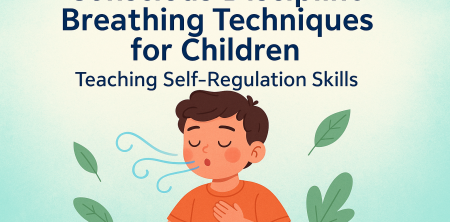
In today's world, where distractions and stressors are abundant, teaching children how to regulate their emotions is more crucial than ever. One effective method gaining traction among educators and parents alike is conscious discipline breathing techniques. These techniques not only help children manage their emotions but also instill essential self-regulation skills that they will carry into adulthood.
Understanding Conscious Discipline
Conscious Discipline is an innovative, trauma-informed approach to social-emotional learning, discipline, and self-regulation. Developed by Dr. Becky Bailey, this method focuses on the emotional wellness of both educators and students. It provides tools and strategies that foster a safe and nurturing environment where children can thrive. Central to this philosophy is the understanding that a child’s ability to self-regulate is directly connected to their emotional state.
Why Breathing Techniques Matter
Breathing techniques are a cornerstone of conscious discipline, as they offer a simple yet powerful tool for children to calm themselves in moments of distress. When children become overwhelmed, their fight-or-flight response kicks in, making it challenging to think clearly or respond appropriately. By teaching them how to focus on their breath, we can help them activate their parasympathetic nervous system, which promotes relaxation and emotional regulation.
Research indicates that conscious breathing can lower heart rates, reduce anxiety, and improve concentration. In a study published in the Journal of School Psychology, children who practiced breathing techniques exhibited lower levels of aggression and improved emotional management. This underscores the importance of incorporating these techniques into everyday routines.
Key Conscious Discipline Breathing Techniques
Several effective breathing techniques can be easily taught to children. Here are some of the most popular methods used within the framework of conscious discipline:
- Balloon Breathing: Instruct children to imagine a balloon expanding as they inhale through their nose and contracting as they exhale through their mouth. This visual can help them focus on deep breathing.
- Flower and Candle: Ask children to pretend they are smelling a flower by inhaling deeply through their nose, then blowing out a candle by exhaling through their mouth. This technique encourages slow, controlled breaths.
- 5-Finger Breathing: Have children trace their fingers while breathing. They can inhale as they go up a finger and exhale while tracing down. This tactile method helps ground them during stressful moments.
- Counting Breaths: Teach children to inhale for a count of four, hold for a count of four, and exhale for a count of four. This technique can help improve focus and calmness.
Practical Insights for Implementation
Integrating conscious discipline breathing techniques into children's daily lives can be both simple and rewarding. Here are some practical tips for educators and parents:
- Model the Behavior: Children learn best by example. When adults use breathing techniques, children are more likely to adopt them.
- Create a Routine: Incorporate breathing exercises into daily routines, such as before transitions, during circle time, or after recess. Consistency helps reinforce the practice.
- Use Visual Aids: Display posters or create handouts that illustrate different breathing techniques. Visual reminders can prompt children to practice on their own.
- Encourage Reflection: After practicing breathing techniques, have children discuss how they feel. This encourages self-awareness and reinforces the positive effects of the techniques.
Current Relevance of Breathing Techniques
In a post-pandemic world, children's mental health is under increased scrutiny. The American Psychological Association has reported a rise in anxiety and depression among young people. In this context, teaching self-regulation skills through methods like conscious discipline breathing techniques is more vital than ever.
Schools and parents are increasingly recognizing the importance of mental wellness, pushing for social-emotional learning to be integrated into curriculums nationwide. Organizations such as CASEL (Collaborative for Academic, Social, and Emotional Learning) highlight the importance of equipping children with tools to manage their emotions.
Challenges in Adoption
While the benefits of conscious discipline breathing techniques are clear, there are challenges in their implementation. Some educators may feel overwhelmed by the prospect of integrating new techniques into an already packed curriculum. Others might struggle with the initial reluctance of children to participate. (See: CDC on children's mental health.)
To address these challenges, training and professional development for teachers is essential. Schools should consider investing in workshops that provide educators with the tools they need to effectively teach these techniques. Additionally, ongoing support from administrators can foster an environment where mental health is prioritized.
Case Studies: Success Stories in Schools
A growing number of schools across the nation are embracing conscious discipline breathing techniques with impressive results. For instance, the Crestwood School District in Michigan adopted these practices as part of their social-emotional learning initiative. As a result, they reported a significant decrease in office referrals for behavioral issues and an increase in students' ability to focus during class.
Similarly, the San Francisco Unified School District implemented a program that included conscious discipline strategies. Teachers noticed a marked improvement in classroom behavior and emotional regulation among students, which led to a more conducive learning environment.
Parent Involvement and Support
Parents play a crucial role in reinforcing conscious discipline breathing techniques at home. By practicing these techniques together, families can foster a shared commitment to emotional wellness. Here are some ways parents can support this initiative:
- Create a Calm Space: Designate a quiet area in the home where family members can practice breathing exercises together, free from distractions.
- Engage in Regular Discussions: Talk about emotions openly, validating children's feelings and encouraging them to express how they are coping.
- Incorporate into Daily Activities: Use natural moments, like before bedtime or during family meals, to practice breathing techniques and reflect on the day.
The Future of Emotional Regulation in Education
As awareness of the importance of mental health grows, it is evident that conscious discipline breathing techniques will play a significant role in future educational practices. By equipping children with tools for self-regulation, we are not only enhancing their academic success but also preparing them for life's challenges.
Collaboration between schools, parents, and mental health professionals will be crucial in creating comprehensive programs that prioritize emotional wellness. As we continue to embrace a holistic approach to education, techniques like conscious discipline breathing can become integral to nurturing resilient, self-aware individuals.
Expanding on Breathing Techniques: Variations and Innovations
While the core conscious discipline breathing techniques are effective, there is room for innovation and adaptation to better suit individual needs. Here are some variations and new methods that educators and parents might consider:
- Mindful Breathing: Encourage children to focus on the sensations of their breath, perhaps by placing a hand on their belly to feel it rise and fall with each inhale and exhale. This can deepen their awareness of the calming effects of breath.
- Breath Counting Variations: Instead of just counting to four, children can experiment with other patterns, such as inhaling for three counts, holding for five, and exhaling for six. This can help them discover what feels most comfortable and effective for them.
- Rhythmic Breathing: Incorporate music or nature sounds to create a rhythmic backdrop while practicing breathing exercises. This can help children sync their breaths with the rhythm, making it a fun and engaging experience.
- Guided Imagery: Combine breathing techniques with guided imagery. For example, as they breathe, they can imagine floating on a cloud or swimming in a gentle ocean wave, further enhancing relaxation.
Statistics and Research Supporting Breathing Techniques
Numerous studies have highlighted the effectiveness of breathing techniques for emotional regulation in children. According to a meta-analysis published in the journal Psychological Bulletin, mindfulness and breathing exercises significantly reduce anxiety and improve mental clarity in children, resulting in a 28% improvement in emotional regulation over time.
Additionally, research conducted by the University of California showed that classrooms implementing breathing techniques reported a 45% reduction in disruptive behaviors. Children involved in these programs also exhibited a 37% increase in academic engagement.
These statistics illustrate the profound impact that conscious discipline breathing techniques can have, not just on emotional well-being but also on overall academic performance. (See: NIH on behavior and treatment.)
Expert Perspectives on Breathing Techniques
Experts in child psychology and education emphasize the importance of teaching breathing techniques to children. Dr. Laura Markham, a clinical psychologist and parenting expert, states that “Learning to breathe deeply is a skill that helps children regulate their emotions and reactions to stress. It’s a simple tool that can have a transformative impact on their lives.”
Furthermore, educators like Dr. Daniel Siegel advocate for integrating these techniques into the school curriculum. He argues that “breath awareness can serve as a bridge between the mind and the body, allowing children to connect with their emotions on a deeper level.” This, in turn, promotes a more holistic educational experience.
Integrating Breathing Techniques with Other Mindfulness Practices
While conscious discipline breathing techniques are powerful on their own, they can be even more effective when integrated with other mindfulness practices. Here are some suggestions on how to create a comprehensive mindfulness program:
- Yoga and Movement: Combining breathing techniques with yoga can enhance the relaxation response. Simple stretches or poses can be introduced to help children connect their breath with movement, fostering a deeper understanding of their bodies.
- Meditation Sessions: Short, guided meditation sessions can be included as part of the daily routine. During these sessions, breathing techniques can be emphasized, allowing children to practice in a calm environment.
- Gratitude Practices: Encourage children to express gratitude as part of their breathing exercises. For instance, as they inhale, they can think of something they are thankful for, and as they exhale, they can release any negative feelings.
FAQ: Common Questions About Conscious Discipline Breathing Techniques
1. What age should children start learning breathing techniques?
Children as young as three can begin to learn simple breathing techniques. As they grow, these techniques can be adapted to their development level.
2. How long should breathing exercises last?
Breathing exercises can be effective in as little as three to five minutes. Consistency is more important than duration, so regular practice is key.
3. Can breathing techniques be used in high-stress situations?
Absolutely! Breathing techniques are particularly effective during high-stress moments, helping children calm down and regain control of their emotions.
4. What if a child refuses to participate in breathing exercises?
It's important to approach the situation gently. Encourage them to observe rather than forcing participation. Making it a game or incorporating fun visuals may encourage reluctant children.
5. Are there any resources available for parents and teachers?
Yes, there are many resources available, including books, online courses, and workshops focused on conscious discipline and breathing techniques. Websites like consciousdiscipline.com provide valuable materials and support.
Benefits of Breathing Techniques Beyond the Classroom
The advantages of conscious discipline breathing techniques extend beyond school settings. Parents can use these techniques at home to support emotional regulation during family interactions. For instance, practicing deep breathing during family discussions can help diffuse tensions and create a calmer atmosphere.
Moreover, research shows that families who practice mindful breathing together can strengthen their relationships. A study published in the journal Family Relations found that families who engage in shared mindfulness practices report a 32% increase in emotional connection.
Real-Life Applications of Breathing Techniques
The application of conscious discipline breathing techniques can be seen in various real-life scenarios. For example, during sports activities, children can use these techniques to manage pre-competition anxiety. Coaches can incorporate breathing exercises into warm-ups, allowing athletes to center themselves before a game.
Another example is during public speaking events. Children who struggle with anxiety can practice balloon breathing or counting breaths right before they take the stage, helping them to focus and reduce stress.
Building a Community of Support for Emotional Wellness
Creating a supportive community around the practice of conscious discipline breathing techniques can enhance their effectiveness. Schools can organize workshops for parents and staff to learn together, fostering a unified approach to emotional wellness. Community events, such as mindfulness fairs, can also introduce families to various breathing techniques and mindfulness practices.
By building a network of support, we can create an environment where emotional regulation is prioritized. This collective effort can lead to healthier, happier children who are better equipped to handle life's challenges.
Conclusion: A Path Forward
Conscious discipline breathing techniques represent a powerful avenue for teaching children essential self-regulation skills. By implementing these practices, we can help children develop a toolkit for emotional management that will serve them throughout their lives. With the right support and commitment, we can foster a generation of emotionally intelligent individuals capable of navigating life's ups and downs with grace and resilience.
```
Trending Now
Frequently Asked Questions
What are conscious discipline breathing techniques?
Conscious discipline breathing techniques are strategies designed to help children manage their emotions and self-regulate through focused breathing. These techniques are part of a trauma-informed approach developed by Dr. Becky Bailey, aiming to foster emotional wellness in both educators and students.
How do breathing techniques help children regulate emotions?
Breathing techniques help children regulate their emotions by activating the parasympathetic nervous system, which promotes relaxation and reduces stress. When children focus on their breath, they can calm their fight-or-flight response, allowing for better emotional management and clearer thinking.
What are some examples of breathing techniques for kids?
Examples of breathing techniques for kids include deep belly breathing, balloon breathing, and 4-7-8 breathing. These methods encourage children to take slow, deep breaths, helping them relax and regain control during moments of distress.
Why is self-regulation important for children?
Self-regulation is crucial for children as it helps them manage their emotions, behaviors, and social interactions. Developing self-regulation skills can lead to better academic performance, improved relationships, and overall emotional well-being as they grow into adulthood.
What benefits do breathing techniques provide for children?
Breathing techniques provide numerous benefits for children, including lower heart rates, reduced anxiety, improved concentration, and enhanced emotional management. Research shows that children who practice these techniques often exhibit less aggression and better coping skills.
Agree or disagree? Drop a comment and tell us what you think.

