```html
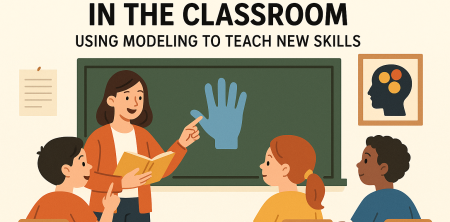
Education is constantly evolving, and one of the most significant advancements in understanding how students learn comes from Albert Bandura's social learning theory. This theory emphasizes the importance of observing and modeling behaviors, attitudes, and emotional reactions of others in a social context. In the classroom, this approach can be revolutionary, offering educators effective strategies to teach new skills through modeling. Let’s explore the fundamentals of social learning theory, how to implement it in the classroom, and why it remains relevant today.
Understanding Social Learning Theory
At its core, social learning theory posits that people can learn new behaviors and information by observing others. Bandura's research highlighted that significant learning occurs not only through direct experiences but also vicariously through the actions and outcomes of others' behaviors. This paradigm shift in educational psychology underlines the role of imitation and modeling in learning processes.
One of the pivotal experiments conducted by Bandura involved the Bobo doll, in which children observed adults acting aggressively toward an inflatable doll. The results were striking: children who watched the aggressive behavior were more likely to imitate it. This experiment underscored the idea that behaviors could be learned merely through observation, without any direct reinforcement.
The Key Components of Social Learning Theory
When discussing social learning theory, several key components come into play:
- Attention: To learn through modeling, students must first pay attention to the behavior being demonstrated.
- Retention: Observers must be able to remember the behavior once they see it.
- Reproduction: Learners must have the ability to reproduce the behavior.
- Motivation: There needs to be a reason to imitate the behavior, often driven by anticipated rewards or consequences.
These four elements are essential for effective learning, and they serve as a framework for teachers looking to incorporate social learning strategies into their classrooms.
Why Modeling Matters in Education
Modeling is a powerful teaching strategy that can significantly impact student learning and engagement. When teachers model behaviors, they provide a clear example of what is expected, creating a learning environment that fosters understanding. This is especially crucial in today's diverse classrooms, where students come from various backgrounds and have different learning styles.
Moreover, modeling goes beyond just demonstrating academic skills. Teachers can also model social behaviors, emotional responses, and problem-solving techniques. This holistic approach allows students to develop both cognitive and emotional intelligence, preparing them for real-world interactions.
Practical Applications of Social Learning Theory in the Classroom
Implementing social learning theory in the classroom involves strategic planning and creativity. Here are some practical applications:
1. Peer Modeling
Encouraging peer-to-peer learning can be incredibly beneficial. When students witness their classmates successfully completing a task, they're more likely to feel motivated to replicate that behavior. Teachers can facilitate this by grouping students to work together on projects, ensuring that stronger students can model effective strategies for their peers.
2. Role Playing
Role-playing exercises are an effective way to allow students to observe and practice new skills in a safe environment. For instance, in a language arts class, students can act out a scene from a book, allowing them to embody characters and explore different perspectives. This form of modeling fosters empathy and enhances comprehension.
3. Demonstrations
Demonstrating new skills is fundamental in many subjects. Whether it’s a science experiment, a mathematical procedure, or a craft project, showing the steps clearly helps students understand and follow along. Teachers should emphasize the thought process behind each step, helping students internalize the reasoning behind the actions.
4. Digital Modeling
In today’s digital age, technology plays a crucial role in education. Using videos, tutorials, and online simulations can provide additional modeling opportunities. For example, educators can show video tutorials for complex math problems or science experiments. This method is particularly effective for visual learners who benefit from seeing processes in action.
Challenges and Considerations
While social learning theory presents many advantages, there are challenges educators may face when implementing it. One major concern is ensuring that the modeled behavior is appropriate and constructive. Teachers must be mindful of their actions, as students are likely to imitate both positive and negative behaviors.
Additionally, not all students learn at the same pace. Some may require more time or different approaches to fully grasp the concepts being modeled. Teachers should remain flexible, adjusting their teaching strategies to meet the diverse needs of their students. (See: Social Learning Theory overview.)
Creating a Supportive Environment
For social learning theory to be effective, teachers must cultivate a classroom environment conducive to learning. This includes fostering trust and collaboration among students. When students feel safe to express themselves and take risks, they're more likely to engage with modeling activities.
Furthermore, incorporating feedback into the learning process is crucial. After students practice new skills, providing constructive feedback helps reinforce the learning and encourages improvement. This process helps build motivation, which is essential for the reproduction phase of social learning.
Current Relevance of Social Learning Theory
In our rapidly changing educational landscape, the relevance of social learning theory cannot be overstated. As classrooms become more inclusive, understanding how students learn from one another is vital. The rise of technology and social media also influences how social learning occurs, as students increasingly rely on online platforms to share knowledge.
Moreover, the shift towards collaborative learning emphasizes the importance of social interaction in education. Learning is no longer a solitary experience; it thrives in community and engagement with others. Social learning theory offers a framework to harness this interactivity effectively.
Expert Perspectives on Social Learning Theory
Educators and psychologists alike recognize the practical implications of social learning theory. Dr. David Schunk, a prominent educational psychologist, emphasizes that incorporating modeling in instruction enhances student motivation and engagement. He argues that the observational learning aspects of the theory are not just beneficial but essential in modern education.
Additionally, experts highlight the importance of cultural context when applying social learning theory. Dr. Barbara Rogoff suggests that learning is inherently social and culturally situated, meaning that educators should tailor their modeling and teaching approaches to fit the cultural backgrounds of their students.
Examples of Social Learning Theory in Different Educational Settings
Social learning theory can be applied across various educational settings, from traditional classrooms to online learning environments. Here are some examples:
1. Traditional Classrooms
In a traditional classroom, a teacher might use storytelling to model effective communication skills. For instance, while reading a story, the teacher can pause and discuss the emotional reactions of characters, allowing students to learn empathy and critical thinking through observation. By asking students how they would feel in the characters' positions, the teacher encourages them to engage in social learning, reflecting on their thoughts and feelings.
2. Online Learning Platforms
In online learning, educators can create forums where students share projects or ideas. For example, using platforms like Google Classroom, students can post their work and receive feedback from classmates. This not only allows them to learn from their peers’ successes and mistakes but also fosters a sense of community despite the physical distance.
3. Extracurricular Activities
After-school programs, such as sports or drama clubs, are excellent settings for social learning. Coaches and directors model teamwork and leadership skills. For instance, a basketball coach might demonstrate effective strategies for teamwork during practice, while students learn to apply these skills in actual games. This hands-on approach helps reinforce the lessons learned in a more formal setting.
Statistics Supporting Social Learning Theory
Numerous studies have shown the effectiveness of social learning theory in educational settings. According to a study published in the Journal of Educational Psychology, students who engage in cooperative learning, which relies heavily on social learning principles, score significantly higher on standardized tests than their peers who learn individually. Specifically, the study found that cooperative learning can increase academic performance by as much as 25% when compared to traditional teaching methods.
Another study by the American Psychological Association found that students exposed to modeling techniques showed a 30% increase in retention of information over those who did not experience such techniques. This underscores the importance of incorporating social learning strategies, particularly in subjects that require high levels of conceptual understanding.
Frequently Asked Questions about Social Learning Theory
What is social learning theory?
Social learning theory is a psychological model developed by Albert Bandura that suggests people can learn new behaviors through the observation of others, without direct reinforcement. It emphasizes the role of imitation and modeling in the learning process.
How can teachers implement social learning theory in their classrooms?
Teachers can implement social learning theory by using strategies such as modeling behaviors, encouraging peer interactions, utilizing role-playing, and integrating technology like videos and online simulations to demonstrate concepts.
What are the benefits of social learning theory for students?
Benefits of social learning theory include improved motivation, enhanced retention of information, development of social skills, and better emotional intelligence. It allows students to learn from one another and fosters a collaborative learning environment. (See: CDC on Social Learning in Youth.)
Are there limitations to social learning theory?
Yes, some limitations include the potential for students to model negative behaviors if not properly monitored, and the varying learning speeds and styles of students may require differentiated approaches beyond basic modeling techniques.
How does social learning theory relate to modern educational technology?
Modern educational technology enhances the application of social learning theory by providing platforms for collaboration, video demonstrations, and interactive simulations that allow students to learn from their peers and access a wealth of resources beyond the classroom.
Examples of Social Learning Theory in Real Life
Social learning theory isn't just limited to the classroom. It also plays a significant role in various professional environments and everyday life. Here are some examples:
1. Workplace Training
In many corporate settings, employees often learn through observation. For instance, a new team member might shadow a seasoned employee to understand the nuances of their role. This not only provides practical knowledge but also instills confidence in the new hire—allowing them to replicate effective strategies observed from experienced colleagues.
2. Parenting Styles
Parents also utilize social learning theory when teaching their children. For example, a parent who demonstrates patience while handling a difficult situation is modeling that behavior for their child. The child learns not just by being told to be patient but by watching how their parent handles real-life challenges.
3. Community Programs
Community service programs often incorporate social learning principles. For example, older volunteers may work alongside younger participants, modeling skills like teamwork and communication. This intergenerational interaction fosters learning while building community bonds.
Expanding on the Benefits of Social Learning Theory
The benefits of social learning theory extend beyond academic performance. Here’s a deeper look at how this approach can positively influence student development:
1. Enhancing Critical Thinking Skills
When students observe others, especially during discussions or debates, they can witness various perspectives. This exposure encourages them to think critically about their viewpoints and understand opposing arguments. It helps them develop the ability to analyze situations and make informed decisions.
2. Promoting Social Cohesion
Social learning theory fosters a sense of belonging among students. By engaging in collaborative learning, they form connections that enhance their interpersonal skills. These relationships can lead to a more supportive classroom atmosphere where students feel valued and understood.
3. Building Resilience
Modeling behaviors such as perseverance and adaptability can significantly impact students' ability to handle challenges. When they see others overcome obstacles, they're more likely to apply those lessons in their own lives, fostering resilience and a growth mindset.
Integrating Social Learning Theory Across Curricula
Incorporating social learning theory across various subjects can enrich the educational experience. Here’s how different subjects can benefit:
1. Science Education
In science classes, group experiments can serve as a fantastic opportunity for social learning. Students can observe each other’s methods, share results, and discuss outcomes, leading to a deeper understanding of scientific principles.
2. Language Acquisition
Language classes that promote conversation and peer interaction allow students to learn new vocabulary and grammar structures through contextual usage. Role-playing different scenarios can help students practice language skills in a supportive environment.
3. Arts Education
In arts education, collaboration on projects can enhance creativity. Students can learn different techniques from one another, providing opportunities to model artistic behaviors and styles, which can lead to diversified skill sets and greater appreciation for the arts.
Current Trends Influencing Social Learning Theory
As education continues to evolve, several trends influence the application of social learning theory in the classroom:
1. Online Learning Communities
The growth of online learning communities allows students to connect with peers globally. This connectivity enhances students' ability to learn from diverse perspectives and cultures, broadening their understanding of various subjects.
2. Gamification
Gamification integrates game elements into learning to increase engagement. For example, through collaborative games, students can work together to achieve goals, demonstrating and reinforcing social learning principles in a fun context.
3. Social Media Use in Education
Educators are increasingly using social media platforms to facilitate discussions and share resources. This trend allows students to engage with content and each other in real-time, promoting active learning through observation and interaction.
Future Directions for Social Learning Theory
As we look to the future, the application of social learning theory is expected to become even more integrated into educational practices. Here are some potential directions:
1. Personalized Learning
With advancements in technology, personalized learning approaches that leverage social learning will likely become more prominent. Tailoring learning experiences to individual needs while utilizing peer observation can enhance student engagement and success.
2. Emphasis on Emotional Intelligence
As educators recognize the importance of emotional intelligence, social learning theory will play a vital role in teaching students how to navigate social situations, understand emotions, and communicate effectively with others.
3. Lifelong Learning Mindset
Encouraging a lifelong learning mindset will be critical. Social learning theory can help instill a love for learning beyond formal education. By modeling continuous curiosity and adaptability, educators can inspire students to seek knowledge throughout their lives.
Conclusion: Embracing Social Learning Theory in Education
Incorporating social learning theory into the classroom offers a powerful avenue for teaching new skills. By utilizing modeling, educators can create engaging and dynamic learning environments that resonate with students. As we continue to understand the importance of social interactions in learning, social learning theory will undoubtedly remain a vital component of educational practices. The ability to observe, imitate, and learn from one another not only fosters academic success but also nurtures the growth of empathetic, socially aware individuals who can thrive in an interconnected world.
```
Trending Now
- read the full story
- “Why Phonological Awareness Predicts Reading Success Better Than Letter Knowledge”
- “How Gross Motor Development Supports Academic Learning and School Readiness”
- “How to Assess Phonological Awareness Skills in Young Children: Screening Tools and Benchmarks”
Frequently Asked Questions
What is social learning theory in education?
Social learning theory, developed by Albert Bandura, emphasizes that individuals learn behaviors and information by observing others. In education, this theory highlights the importance of modeling behaviors, attitudes, and emotional reactions, allowing students to acquire new skills through observation rather than direct experience.
How can teachers use modeling in the classroom?
Teachers can use modeling by demonstrating desired behaviors and skills in front of students. This can include showing how to solve a problem, interact with peers, or respond to challenges, allowing students to observe and imitate these behaviors, thereby enhancing their learning experience.
What are the key components of social learning theory?
The key components of social learning theory include attention, retention, reproduction, and motivation. Students must pay attention to the modeled behavior, remember it, be capable of reproducing it, and feel motivated to imitate it, often influenced by the expected rewards or consequences.
Why is social learning theory important in the classroom?
Social learning theory is important in the classroom because it provides educators with effective strategies for teaching new skills through observation and modeling. This approach can lead to significant learning outcomes as students engage with and replicate behaviors demonstrated by their peers or teachers.
What did Bandura's Bobo doll experiment demonstrate?
Bandura's Bobo doll experiment demonstrated that children who observed adults behaving aggressively towards an inflatable doll were more likely to imitate that aggressive behavior. This highlighted the concept that learning can occur vicariously through observation, without direct reinforcement.
What's your take on this? Share your thoughts in the comments below — we read every one.

