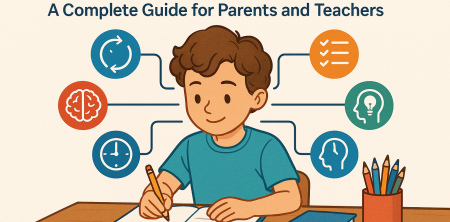
Understanding Executive Function Skills in Children
When we talk about executive function skills in children, we’re diving into a fascinating area of cognitive development that can significantly impact a child's learning and daily life. These skills encompass a variety of mental processes that help with planning, focusing attention, remembering instructions, and juggling multiple tasks successfully. Think of executive function as the brain’s air traffic control system, guiding how we think, act, and interact with the world around us.
Research shows that executive function skills begin developing in early childhood and continue to mature into young adulthood. They play a vital role in academic success, social interactions, and overall emotional well-being. This article will explore what these skills are, why they matter, and how parents and teachers can nurture them in children.
The Three Core Components of Executive Function
Executive function skills can be broadly categorized into three core components, each with its unique role in a child's development:
- Working Memory: This is the ability to hold and manipulate information in mind. For instance, a child using working memory can remember a set of instructions while completing a task, such as following a recipe or solving a math problem.
- Inhibitory Control: This skill involves self-regulation and the ability to control impulses. Children with strong inhibitory control can resist distractions or temptations, allowing them to focus on a task or wait for their turn in a game.
- Cognitive Flexibility: This refers to a child's ability to adapt their thinking and behavior in response to changing situations. It’s what allows a child to shift gears when faced with unexpected changes, like adapting to a different set of rules during a game.
Beyond the Core: Related Executive Functions
While working memory, inhibitory control, and cognitive flexibility are often cited as the core three, executive function is a broad umbrella. Several other related skills build upon these foundations and are equally crucial for a child's success:
- Planning and Organization: This involves setting goals, creating a sequence of steps to achieve them, and managing materials or time effectively. A child planning a school project, for example, is using these skills to break down the task, gather resources, and allocate time for different stages.
- Task Initiation: The ability to begin a task without excessive procrastination. Some kids find it really hard to just get started, even if they know what to do. This skill helps them overcome that initial inertia.
- Self-Monitoring: This is about checking your own work and behavior, recognizing mistakes, and making adjustments. A child reviewing their homework for errors before turning it in is demonstrating self-monitoring.
- Emotional Regulation: While often intertwined with inhibitory control, emotional regulation specifically refers to managing one's feelings and their expression. It allows a child to calm down when upset or manage frustration during a challenging task, preventing emotional outbursts.
Understanding these interconnected skills gives us a more complete picture of how executive functions operate in a child's daily life.
The Importance of Executive Function Skills
Why should parents and educators care about executive function skills? Quite simply, these capabilities form the foundation for lifelong learning and social competence. Research indicates that children with stronger executive function skills tend to excel academically, engage better in social situations, and display fewer behavioral problems.
Moreover, studies suggest a link between executive function and emotional regulation. Children who can manage their emotions effectively are less likely to experience anxiety and depression, significantly impacting their overall quality of life. This means that fostering these skills can lead to not only academic success but also emotional well-being.
Long-Term Impact: Executive Function and Future Success
The importance of strong executive function skills extends far beyond the classroom. Longitudinal studies have consistently shown that these early cognitive abilities are better predictors of success in adulthood – including educational attainment, career prospects, and even physical health – than IQ scores alone. Think about it: an adult needs to plan their finances, manage work projects, resist impulsive purchases, and adapt to changes in their career or personal life. These are all direct applications of executive function.
For instance, a study published in the journal *Science* in 2011, following a cohort of individuals from birth to age 32, found that self-control (a facet of inhibitory control) in childhood predicted physical health, substance dependence, personal finances, and criminal offending outcomes in adulthood. This isn't to say IQ isn't important, but it highlights that the ability to *use* one's intelligence effectively, guided by executive functions, is paramount.
Identifying Executive Function Skills in Children
Recognizing the presence (or absence) of executive function skills in children can be quite insightful. Teachers and parents can observe certain behaviors that indicate how well these skills are developing. Here are some signs:
- Does the child follow multi-step directions?
- Can they wait patiently for their turn during games?
- Are they able to shift focus from one task to another easily?
- Do they remember important dates or events without reminders?
Children who struggle with these skills may show signs of difficulty in organization, time management, or social interactions. Identifying these challenges early on allows for timely intervention, essential for mitigating long-term difficulties. (See: Executive Function in Children - CDC.)
Common Indicators of Executive Function Challenges
Sometimes, observing a child's behavior can give us clues about potential executive function weaknesses. It's important to remember that all kids struggle with these skills sometimes, but persistent patterns might warrant closer attention:
- Difficulty Starting Tasks: "I don't know where to begin," or staring blankly at homework even when they understand the content.
- Poor Time Management: Underestimating how long tasks will take, frequently running late, or scrambling at the last minute.
- Disorganization: Messy backpacks, lost papers, inability to keep track of belongings or school supplies.
- Impulsivity: Interrupting others, blurting out answers, difficulty waiting for a turn, or acting without thinking through consequences.
- Trouble with Transitions: Getting upset when moving from one activity to another, or struggling to switch focus.
- Forgetfulness: Frequently forgetting instructions, forgetting to bring necessary items, or losing track of what they were doing.
- Emotional Outbursts: Difficulty managing frustration, anger, or disappointment, leading to meltdowns or withdrawal.
- Rigid Thinking: Getting stuck on one way to solve a problem, even when it's not working, or struggling to accept changes to routines.
These aren't necessarily signs of a diagnosis, but they are indicators that a child might benefit from targeted strategies to strengthen their executive function skills.
Practical Strategies for Parents
As a parent, you can play a pivotal role in developing your child's executive function skills. Here are some actionable strategies:
- Create Routines: Establishing daily routines helps children understand what to expect and builds their ability to plan ahead. For example, having a consistent bedtime routine can help children manage their time and prepare for the next day.
- Use Visual Aids: Charts and checklists can be valuable tools. They provide visual reminders for tasks, such as homework or chores, which can help children remember and execute their responsibilities.
- Encourage Problem-Solving: When children face challenges, instead of jumping in to solve the problem for them, encourage them to think through solutions. This will foster cognitive flexibility and decision-making skills.
- Model Self-Regulation: Demonstrate your own self-control and emotional regulation in everyday situations. Children learn a great deal from observing adult behavior.
More Parenting Strategies for Nurturing Executive Function
Let's dive a bit deeper into how parents can become executive function coaches at home:
- Play Games with a Purpose: Board games like "Red Light, Green Light," "Simon Says," chess, checkers, and even simple card games like "Memory" are fantastic for inhibitory control, working memory, and planning. Talk about the strategies during and after the game.
- Narrate Your Thinking: When you're planning a meal, organizing a closet, or making a shopping list, verbalize your thought process. "Okay, first I need to check what ingredients we have, then I'll write down what we need from the store, and finally, I'll group similar items together so I don't have to walk all over the supermarket." This models planning and organization.
- Break Down Tasks Together: For bigger chores or homework assignments, sit with your child and help them break it into smaller, manageable steps. Write these steps down. "First, gather your books. Second, read the instructions. Third, do question one..." This reduces overwhelm and builds task initiation skills.
- Practice "What If" Scenarios: Before an outing or a new situation, talk about potential challenges. "What if the store is really crowded?" "What if your friend wants to play a game you don't like?" Discuss possible responses. This builds cognitive flexibility and problem-solving.
- Encourage Self-Reflection: After a task or a challenging situation, ask open-ended questions. "What went well there?" "What would you do differently next time?" "How did you feel when that happened, and what did you do?" This helps them self-monitor and learn from experience.
- Build a "Toolbox" for Emotions: Help your child identify strategies they can use when feeling overwhelmed or frustrated. This could be taking deep breaths, counting to ten, going for a walk, or talking about it. This directly supports emotional regulation.
- Foster Independence (with support): As kids get older, give them more responsibility for managing their own schedules, homework, and belongings. Provide support and check-ins, but resist the urge to do it all for them. This builds ownership and organizational skills.
Effective Strategies for Teachers
Teachers have a unique opportunity to help children develop executive function skills in the classroom. Here are some effective strategies:
- Incorporate Games: Many games require strategic thinking, working memory, and impulse control. Incorporating board games and educational activities can be both fun and beneficial.
- Use Group Projects: Collaborative projects encourage children to work together, which enhances their ability to communicate, take turns, and manage shared responsibilities.
- Provide Clear Expectations: Clearly stating classroom rules and expectations can help children with inhibitory control. When they know what behavior is expected, they’re more likely to follow it.
- Break Tasks into Smaller Steps: Large tasks can be overwhelming. Breaking them into manageable parts can help students utilize their working memory and improve task completion.
More Classroom Strategies for Executive Function Development
Teachers are on the front lines, and integrating executive function support into daily lessons doesn't have to be a separate curriculum item. It can be woven into everything:
- Pre-frontal Cortex Warm-ups: Start the day with a quick brain game. This could be a "Simon Says" variant, a quick memory game, or a "what's different" picture challenge. It primes the brain for learning.
- Visual Schedules and Checklists: Beyond just daily routines, use visual schedules for individual tasks. For a writing assignment, a checklist might be: 1. Brainstorm ideas. 2. Write a draft. 3. Edit for grammar. 4. Check for flow. This makes the invisible process of planning visible.
- "Think-Alouds" for Problem Solving: When demonstrating a new concept or solving a problem, verbalize your internal thought process. "Hmm, I need to figure out the main idea here. First, I'll read the first sentence. Then I'll look for keywords that are repeated..." This models cognitive flexibility and self-monitoring.
- Strategically Use Pauses: When giving instructions, build in pauses for students to process. Ask them to repeat instructions back in their own words or "turn and talk" to a peer about what they need to do next. This supports working memory.
- Teach Self-Correction: Instead of immediately pointing out errors, ask guiding questions. "Can you tell me how you got that answer?" "What's another way you could try solving this?" "Does that sound right to you?" This promotes self-monitoring and cognitive flexibility.
- Flexible Seating Options: For some children, the ability to fidget or move slightly can help with focus and inhibitory control. Offering options like standing desks, wobble stools, or even a designated "fidget spot" can be beneficial.
- Build in Movement Breaks: Short, structured movement breaks (e.g., stretching, jumping jacks) can help re-regulate attention and energy, supporting focus and inhibitory control.
- Explicitly Teach Organizational Systems: Don't assume students know how to keep their binders or desks organized. Model it, practice it, and provide designated spaces for materials. Regular "desk clean-out" times can be helpful.
The Role of Play in Developing Executive Function Skills
Play is not just a pastime; it’s a crucial arena for developing executive function skills in children. Through play, particularly unstructured play, children learn to make decisions, negotiate with peers, and develop self-control. Activities such as pretend play or games that require strategy foster skills like cognitive flexibility and working memory.
Encouraging outdoor play, where children can explore and engage with their surroundings, also promotes these skills. For example, building a fort involves planning (what materials to use), working memory (remembering the steps), and problem-solving (figuring out how to make it stable). Thus, parents and educators should prioritize playtime as an essential component of childhood development.
Deep Dive into Play and Executive Function
Let's unpack the magic of play a bit more. When children engage in imaginative or structured play, they're essentially running a cognitive workout:
- Pretend Play (Dramatic Play): When a child pretends to be a doctor, a chef, or a superhero, they're engaging in a complex set of executive functions. They must hold the rules of the imaginary world in mind (working memory), inhibit real-world impulses to stay in character (inhibitory control), and adapt the storyline based on their playmates' actions (cognitive flexibility). Negotiating roles and scenarios with friends further hones social problem-solving and compromise.
- Block Building and Construction: Building with blocks, LEGOs, or even natural materials like sticks and stones, demands planning, sequencing, and spatial reasoning. Kids have to visualize what they want to create (planning), remember which pieces they need (working memory), and adjust their design if something isn't working (cognitive flexibility).
- Board Games and Card Games: These are often miniature executive function boot camps. Games like "Candyland" teach turn-taking (inhibitory control), while "Connect Four" or chess require strategy and looking several moves ahead (planning, working memory). "Uno" or "Go Fish" demand remembering what cards have been played (working memory) and changing strategies based on the cards you have (cognitive flexibility).
- Outdoor Play: The unstructured nature of outdoor play is especially powerful. Climbing a tree requires assessing risk, planning movements, and adapting if a branch isn't stable. Organizing a game of tag or hide-and-seek involves establishing rules, negotiating roles, and following through. These self-directed activities are where children truly practice applying their executive function skills in dynamic, real-world contexts.
Technology and Executive Function Skills
In our digital age, technology plays a complex role in the development of executive function skills. While excessive screen time can be detrimental, there are also educational apps and games designed specifically to bolster these skills. Apps that challenge children with memory games or strategic thinking puzzles can be effective tools in developing working memory and cognitive flexibility.
However, moderation is key. Set boundaries around screen time to ensure that children engage in a variety of activities that promote executive function development beyond the digital sphere. Encourage offline activities such as reading, board games, and outdoor play to create a balanced approach.
Navigating the Digital Landscape: Opportunities and Pitfalls
The conversation around technology and executive functions is nuanced. On one hand, well-designed apps can indeed be beneficial: (See: Executive Function and Learning - NIH.)
- Targeted Training: Some apps are specifically developed by neuroscientists and educators to target particular executive function weaknesses, such as working memory training games or apps that help organize tasks for older children.
- Interactive Learning: Educational games that require strategic thinking, rapid decision-making, and adapting to changing scenarios can boost cognitive flexibility and problem-solving.
- Engagement: For some children, the interactive and visually stimulating nature of digital tools can be more engaging than traditional methods, making learning executive function skills more appealing.
On the other hand, there are significant concerns:
- Passive Consumption: Much of screen time involves passive consumption (watching videos), which offers little to no executive function stimulation and can displace activities that *do* build these skills.
- Instant Gratification: Many digital experiences are designed for instant gratification, which can undermine the development of patience, delayed gratification, and inhibitory control.
- Overstimulation: Rapid-fire visual and auditory stimuli can make it harder for children to focus in less stimulating real-world environments, potentially impacting attention and inhibitory control.
- Reduced Face-to-Face Interaction: Excessive screen time can reduce opportunities for social play and interaction, which are crucial for developing social executive functions like negotiation and emotional regulation.
The key, as always, is balance and intentionality. Choose high-quality, interactive content, co-engage with your child, and ensure screen time is one small piece of a varied daily routine that includes plenty of physical activity, creative play, and social interaction.
Understanding the Impact of Adverse Childhood Experiences (ACEs)
It’s critical to recognize that children’s executive function skills can be adversely affected by trauma and stress. Adverse Childhood Experiences (ACEs), such as abuse, neglect, or household dysfunction, can hinder cognitive development and emotional regulation. Children who have experienced ACEs may struggle with executive function skills, leading to difficulties in school and social settings.
Parents and educators need to be aware of these impacts and create a supportive environment for children who may be facing these challenges. Trauma-informed practices, such as building strong, trusting relationships and providing emotional support, can help mitigate the effects of ACEs on executive function.
The Neuroscience of Trauma and Executive Function
The link between ACEs and executive function challenges isn't just observational; it's rooted in brain science. Chronic stress and trauma, especially during critical periods of brain development, can literally alter the architecture of the brain, particularly in areas associated with executive functions.
- Prefrontal Cortex Impact: The prefrontal cortex, the brain's command center for executive functions, is highly sensitive to stress hormones like cortisol. Prolonged exposure can impair its development and functioning, making it harder for children to plan, regulate emotions, and control impulses.
- Amygdala Hyperactivity: Trauma can lead to an overactive amygdala, the brain's "alarm system." This means children might be in a constant state of hyper-vigilance, making it difficult to shift focus from perceived threats to academic tasks or social cues. Their brain is prioritized for survival, not complex problem-solving.
- Working Memory Overload: When a child is constantly dealing with stress or the aftermath of trauma, their working memory can become overloaded with intrusive thoughts or anxieties, leaving less capacity for schoolwork or daily tasks.
Recognizing this connection means that addressing executive function challenges in children who have experienced ACEs requires a holistic, compassionate approach that prioritizes safety, stability, and emotional support before focusing solely on skill-building exercises.
Assessment and Support for Executive Function Skills
If you suspect your child may be struggling with executive function skills, seeking assessment from a professional can provide valuable insights. Various tools, such as questionnaires and observational assessments, can help identify specific areas of difficulty.
Once challenges are identified, tailored interventions can be put into place. This might include working with a school counselor, special education teacher, or a child psychologist to develop a plan that supports the child’s needs. Parents can also collaborate with educators to ensure consistency in strategies used at home and in the classroom.
Professional Assessment and Intervention
When concerns about a child's executive function skills persist, a professional assessment can be incredibly helpful. This usually involves:
- Neuropsychological Evaluation: A comprehensive evaluation by a neuropsychologist can pinpoint specific areas of executive function strength and weakness. This might involve a battery of tests that assess working memory, inhibitory control, planning, and cognitive flexibility.
- Educational Psychologist Assessment: School psychologists can also assess executive function skills, often focusing on their impact on learning and classroom behavior.
- Behavioral Rating Scales: Parents and teachers might complete questionnaires like the Behavior Rating Inventory of Executive Function (BRIEF) which provides a profile of everyday executive function behaviors.
Based on the assessment results, a personalized intervention plan can be developed. This might include:
- Executive Function Coaching: A specialist can work directly with a child to teach strategies for organization, time management, and task initiation.
- Accommodations in School: This could involve extended time on tests, preferential seating, visual aids, or breaking down assignments into smaller parts.
- Therapy: For children whose executive function challenges are linked to anxiety, ADHD, or trauma, therapy (like CBT or play therapy) can address underlying emotional or behavioral issues that impact these skills.
- Parent and Teacher Training: Educating the adults in a child's life on how to implement consistent strategies at home and school is crucial for success.
The Journey Ahead
Understanding and nurturing executive function skills in children is an ongoing journey for both parents and educators. By adopting practical strategies, fostering a supportive environment, and recognizing the impact of external factors, you can equip children with the tools they need to succeed academically, socially, and emotionally.
As you engage with your child, remember that the goal is not perfection but progress. Celebrate small victories, remain patient, and continue to encourage growth in these vital skills. With your support, children can develop into resilient, successful individuals ready to face life’s challenges head-on.
Frequently Asked Questions About Executive Function Skills in Children
What's the difference between executive function and IQ?
IQ (Intelligence Quotient) primarily measures a person's cognitive abilities, such as reasoning, problem-solving, and knowledge acquisition. Executive function, on the other hand, refers to the *management* of those cognitive abilities. Think of IQ as the engine of a car (its power and capacity), and executive function as the steering wheel, brakes, and accelerator (how you control and direct that power). A child can have a high IQ but struggle if their executive function skills aren't well-developed, as they might have trouble organizing their thoughts, staying focused, or completing tasks.
Can executive function skills be improved?
Absolutely! Executive function skills are not fixed traits; they develop over time and can be significantly improved through targeted strategies, practice, and a supportive environment. The brain is remarkably plastic, especially in childhood, meaning it can adapt and form new connections. Consistent effort from parents and educators, along with engaging activities and professional support if needed, can lead to substantial growth in these areas.
At what age do executive function skills typically develop?
The development of executive function skills begins in infancy and continues well into young adulthood, often maturing into the mid-20s. Core components like inhibitory control start emerging in toddlerhood, while working memory and cognitive flexibility become more sophisticated during preschool and early elementary years. Planning and organization skills typically see significant growth during middle school and high school as academic demands increase. It's a continuous process, not a sudden milestone.
Are executive function challenges always a sign of ADHD?
Not necessarily. While executive function difficulties are a hallmark symptom of ADHD (Attention-Deficit/Hyperactivity Disorder), many children without ADHD can also struggle with these skills. Challenges with executive functions can stem from various factors including typical developmental variations, stress, anxiety, learning disabilities, or even insufficient opportunities to practice these skills. A professional evaluation is needed to determine the underlying cause of persistent difficulties.
How can I differentiate between a child being "lazy" and having executive function challenges?
This is a crucial distinction. A child who is "lazy" typically *can* do a task but chooses not to, often for reasons of motivation or preference. A child with executive function challenges *wants* to do the task but struggles with the *how*. They might stare blankly at their homework, genuinely not knowing where to start, or forget instructions despite paying attention. Look for patterns of difficulty across different tasks and settings, and consider the child's effort level. If they're trying hard but still falling short, it's more likely an executive function issue than a motivational one. Patience and understanding are key here.
What's the role of sleep and nutrition in executive function development?
Sleep and nutrition play foundational roles. Adequate, quality sleep is essential for brain development and optimal cognitive functioning, including executive functions. Sleep deprivation can severely impair working memory, attention, and impulse control. Similarly, a balanced diet rich in essential nutrients supports brain health. Omega-3 fatty acids, vitamins, and minerals are crucial for neurotransmitter production and overall cognitive function. Poor nutrition can lead to fatigue, difficulty concentrating, and mood swings, all of which negatively impact executive skills. Prioritizing healthy sleep habits and a nutritious diet is a powerful, yet often overlooked, strategy for supporting executive function development.
Trending Now
Frequently Asked Questions
What are executive function skills in children?
Executive function skills in children refer to a set of cognitive processes that help with planning, focusing attention, remembering instructions, and managing multiple tasks. These skills are crucial for academic success and daily interactions, and they develop from early childhood into young adulthood.
Why are executive function skills important for children?
Executive function skills are vital for children's learning and social interactions. They enable children to plan effectively, control their impulses, and adapt to new situations, which contributes to their academic performance and emotional well-being.
How can parents help develop executive function skills in children?
Parents can nurture executive function skills by engaging children in activities that promote working memory, inhibitory control, and cognitive flexibility. Techniques include playing memory games, encouraging turn-taking, and providing opportunities for problem-solving in dynamic situations.
What are the three core components of executive function?
The three core components of executive function are working memory, which is the ability to hold and manipulate information; inhibitory control, which involves self-regulation and impulse control; and cognitive flexibility, which allows a child to adapt their thinking and behavior to changing circumstances.
At what age do executive function skills start to develop in children?
Executive function skills begin developing in early childhood and continue to mature into young adulthood. Early experiences and interactions play a significant role in shaping these skills, making it essential for parents and educators to support children's development from a young age.
What's your take on this? Share your thoughts in the comments below — we read every one.

