```html
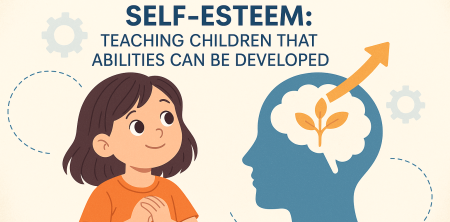
The concept of a growth mindset for children has gained significant traction in recent years, emphasizing the importance of teaching kids that their abilities can be developed through dedication and hard work. Coined by psychologist Carol Dweck, this paradigm shifts the traditional view of intelligence as a fixed trait. Instead, it promotes resilience, curiosity, and a love for learning — all essential components for building self-esteem and achieving success in life.
Understanding Growth Mindset
At its core, a growth mindset refers to the belief that one's abilities, intelligence, and talents can be cultivated over time. This contrasts sharply with a fixed mindset, where individuals perceive their qualities as static and unchangeable. Dweck's research reveals that children with a growth mindset are more likely to take on challenges, persist in the face of setbacks, and ultimately achieve greater success.
For instance, a child who struggles with mathematics might think, "I'm just not good at math," which is a fixed mindset. In contrast, with a growth mindset, the same child would say, "I can improve my math skills with practice and effort." This shift can lead to more positive attitudes toward learning and increased motivation.
Key Components of a Growth Mindset
Several key components define a growth mindset. Understanding these can help parents and educators foster this perspective in children:
- Embracing Challenges: Encouraging children to face challenges rather than avoid them builds resilience and problem-solving skills.
- Persistence: Teaching kids the value of persistence, especially in the face of obstacles, can help them develop tenacity.
- Learning from Criticism: Instead of being defensive about feedback, children should be taught to view it as an opportunity for growth.
- Inspired by Others' Success: A growth mindset encourages children to find inspiration in the achievements of their peers rather than feel threatened by them.
Self-Esteem and Its Connection to Growth Mindset
Self-esteem is closely linked to how children perceive their abilities and self-worth. A positive self-image is crucial for children's overall development and emotional well-being. When children adopt a growth mindset, their self-esteem can improve significantly because they learn to appreciate effort and progress rather than solely focusing on outcomes.
For example, when a child fails a test but understands that they can study and improve next time, they develop a sense of self-efficacy. This belief in their ability to change and grow contributes to an enhanced self-esteem. Conversely, children with a fixed mindset may feel defeated and develop a negative self-image when they encounter difficulties.
Practical Strategies for Fostering a Growth Mindset
Parents and educators play a pivotal role in fostering a growth mindset for children. Here are several practical strategies:
1. Language Matters
The language adults use when discussing children’s abilities can significantly impact their mindset. Instead of praising intelligence or talent, focus on the effort. For example, say, "I admire how hard you worked on that project," rather than, "You're so smart!" This subtle shift encourages children to value effort over inherent ability.
2. Set Goals
Setting specific, achievable goals can help children understand the process of growth. Break larger tasks into smaller, manageable steps, and celebrate accomplishments along the way. This not only builds confidence but also reinforces the idea that progress is a journey.
3. Normalize Failure
Failure is often viewed negatively, but it should be embraced as a part of the learning process. Share stories of famous individuals who experienced failures before achieving success, such as Thomas Edison or J.K. Rowling. This helps children see that setbacks are a natural part of growth.
4. Encourage Curiosity and Questions
Promote an environment where children feel free to ask questions and explore new ideas. This encourages critical thinking and nurtures a love for learning, reinforcing that growth comes from exploration and inquiry.
5. Model a Growth Mindset
Children learn by observing adults. Show them how you tackle challenges and setbacks in your own life. Discuss your experiences and the lessons you've learned, emphasizing that growth is an ongoing process. (See: Growth mindset - Wikipedia.)
Current Relevance of Growth Mindset
In the fast-paced world of today, the importance of a growth mindset for children cannot be overstated. As technology continues to change the landscape of education and employment, the ability to adapt and learn becomes critical. Children equipped with a growth mindset are better suited to thrive in an environment where learning is continuous and change is constant.
Moreover, the rise of social media has created a unique set of challenges for young people. Constant comparisons to others can lead to feelings of inadequacy and low self-esteem. A growth mindset offers a powerful buffer against these pressures, enabling children to focus on their personal growth and achievements.
Academic Performance and Growth Mindset
Numerous studies have demonstrated a direct correlation between a growth mindset and academic performance. For instance, the Stanford University study led by Dweck herself showed that students who were taught about the growth mindset achieved higher grades and were more motivated in their studies.
These findings suggest that by cultivating a growth mindset, educators can help mitigate the achievement gap and promote equity in educational settings. Schools that adopt growth mindset principles in their curricula often see remarkable improvements in student engagement and achievement.
Challenges in Implementing a Growth Mindset
While fostering a growth mindset offers numerous benefits, it is not without its challenges. One key issue is the pervasive influence of a fixed mindset culture in many educational settings and homes. Traditional grading systems and standardized testing often reinforce the idea that intelligence is immutable, making it difficult for children to adopt a growth perspective.
Additionally, not all children respond to growth mindset teachings in the same way. Some may struggle to internalize these concepts, especially if they have experienced chronic failure or negative feedback in the past. Therefore, it’s crucial to approach each child’s journey to growth mindset individually, providing the necessary support and encouragement along the way.
The Role of Educators in Promoting Growth Mindset
Teachers play a vital role in promoting a growth mindset in the classroom. Professional development programs focused on growth mindset strategies can empower educators to foster this perspective among their students. This might include training on incorporating growth mindset language into their teaching, creating a supportive classroom environment, and utilizing formative assessments that emphasize learning over grading.
Moreover, collaboration among educators can amplify the effects of growth mindset initiatives. Schools that promote a community of practice around growth mindset principles often see more significant changes in student attitudes and behaviors compared to isolated efforts.
Engaging Families in the Growth Mindset Journey
To truly embed a growth mindset in children's lives, family engagement is crucial. Schools can facilitate workshops for parents to educate them about the growth mindset and provide strategies they can use at home. By aligning efforts between home and school, children receive consistent messages about the importance of effort, resilience, and learning from mistakes.
Creating resources like newsletters, online courses, or support groups can help families stay connected and informed. Additionally, encouraging parents to share their own growth experiences with their children can reinforce the idea that growth is a lifelong journey.
Long-Term Benefits of Growth Mindset
Adopting a growth mindset has long-lasting benefits that extend beyond academic achievement. Children who embrace a growth mindset often develop better emotional regulation and stress management skills. This resilience can help them navigate not only academic challenges but also social and personal issues as they grow. Studies suggest that individuals who maintain a growth mindset throughout their lives are more likely to pursue professional development opportunities and remain adaptable in their careers.
Additionally, a growth mindset contributes to a positive outlook on life. Children who believe in their ability to improve are more likely to tackle life’s obstacles head-on rather than retreating in the face of adversity. This proactive approach fosters lifelong learning and personal development, encouraging them to seek out new experiences and challenges.
Statistics Supporting Growth Mindset Implementation
Research continues to unveil the connection between a growth mindset and positive outcomes. For instance, a study conducted at the University of Chicago found that students with a growth mindset showed a 34% increase in test scores compared to their fixed mindset counterparts. Furthermore, in a survey of over 1,000 teachers, 92% reported observing improved student motivation when growth mindset principles were integrated into their teaching practices.
Moreover, the implications of these findings reach beyond individual achievement. Schools that implement growth mindset training for teachers often report a 20-30% improvement in overall student performance, particularly in underrepresented populations. As educators foster environments that embrace growth mindset principles, they contribute to narrowing the achievement gap that has persisted in many educational systems.
Comparing Growth Mindset and Fixed Mindset
Understanding the differences between growth and fixed mindsets can help clarify the importance of promoting a growth mindset among children. Here’s a quick comparison:
| Growth Mindset | Fixed Mindset |
|---|---|
| Believes abilities can be developed | Believes abilities are static |
| Embraces challenges as opportunities | Avoids challenges to maintain self-image |
| Sees effort as a path to mastery | Views effort as fruitless if talent is lacking |
| Learns from criticism | Takes feedback personally |
| Inspired by others' success | Feels threatened by others' success |
Frequently Asked Questions about Growth Mindset for Children
What is a growth mindset?
A growth mindset is the belief that abilities and intelligence can be developed through dedication, effort, and perseverance. Children with a growth mindset view challenges as opportunities to learn and improve.
How can I tell if my child has a growth mindset?
Children with a growth mindset often embrace challenges, welcome feedback, and persist when faced with difficulties. They’re more likely to celebrate the success of peers and view learning as a journey rather than a destination.
Can a growth mindset be taught?
Absolutely! A growth mindset can be fostered through encouragement, teaching about the brain’s ability to grow and change, and modeling growth-oriented behaviors. Parents and educators can play a significant role in this process.
What are some signs of a fixed mindset in children?
Children with a fixed mindset may avoid challenges, give up easily, and feel threatened by the success of others. They might also focus solely on grades or results rather than the learning process.
How long does it take for a child to develop a growth mindset?
Developing a growth mindset is a gradual process that varies from child to child. It requires consistent reinforcement and practice. With ongoing support, children can begin to adopt a growth mindset within a few months but may continue to refine their mindset over several years.
Common Misconceptions about Growth Mindset
As the concept of growth mindset becomes more popular, a few misconceptions have arisen. Understanding these can help in effectively teaching and promoting a growth mindset in children.
Misconception 1: A Growth Mindset Means Always Being Positive
Some people think that having a growth mindset means you must always be positive and never feel frustrated or disappointed. In reality, a growth mindset allows for a range of emotions. It's about recognizing challenges and setbacks as opportunities for learning rather than avoiding negative feelings altogether.
Misconception 2: Growth Mindset is a Fixed Trait
Another common misconception is that a growth mindset is something one either has or does not have. In fact, it's a skill that can be developed over time with practice, reflection, and support. Children can cultivate a growth mindset in specific areas, even if they still hold a fixed mindset in others.
Misconception 3: Growth Mindset is Only About Academic Success
While a growth mindset significantly benefits academic performance, its implications stretch far beyond the classroom. It fosters resilience, problem-solving skills, and emotional intelligence, which are all essential for personal and professional success later in life.
Implementing Growth Mindset in Extracurricular Activities
Growth mindset principles can be incorporated into various extracurricular activities, from sports to arts. Coaches and leaders can emphasize the importance of effort, practice, and learning from failures in their respective fields.
Sports and Growth Mindset
In sports, young athletes often face pressure to perform at high levels. Coaches can promote a growth mindset by focusing on skill development and teamwork rather than merely winning. For instance, praising athletes for their hard work and improvement, regardless of the outcome of a game, helps reinforce the value of effort and persistence.
Arts and Growth Mindset
In the arts, whether it's painting, music, or acting, children can be encouraged to experiment and take risks. Teaching them that mistakes are part of the creative process allows them to explore their capabilities without fear of judgment.
Social Implications of Growth Mindset
Beyond the individual benefits, fostering a growth mindset in children can have broader social implications. As children learn to support one another and appreciate the journey of growth, they contribute to a more collaborative and compassionate society.
Building Empathy Through Growth Mindset
When children understand that everyone has unique strengths and weaknesses, they are more likely to empathize with peers facing challenges. This understanding can promote kindness and cooperation, creating a more inclusive environment in schools and communities.
Encouraging Diversity and Inclusion
A growth mindset can also promote diversity and inclusion. When children appreciate that abilities can be developed, they are more inclined to celebrate differences in skills and talents rather than view them as barriers. This perspective can help foster environments where all children feel valued and empowered to grow.
The Long-Term Impact of Growth Mindset on Career Development
As children transition into adulthood, the skills cultivated through a growth mindset can significantly impact their career paths. Employers increasingly value adaptable and resilient employees who can thrive in changing environments.
Research shows that individuals with a growth mindset are more likely to pursue learning and professional development opportunities throughout their careers. This lifelong commitment to learning is essential in industries that evolve rapidly due to technology and innovation.
Conclusion: The Long-Term Impact of Growth Mindset
Adopting a growth mindset for children has profound implications not only for academic success but also for overall well-being. It equips children with the skills needed to face life's challenges and fosters a lifelong love of learning.
By instilling the belief that abilities can be developed through hard work, children learn to embrace challenges, persist in the face of difficulties, and find value in feedback. This is not just an educational philosophy — it's a blueprint for developing resilient, self-assured individuals who can thrive in an ever-changing world. As we continue to emphasize the importance of growth mindsets, we help shape a generation of learners who believe in their potential and are eager to embrace the journey of personal growth.
```
Trending Now
Frequently Asked Questions
What is a growth mindset for children?
A growth mindset for children is the belief that abilities and intelligence can be developed through dedication and hard work. This concept, introduced by psychologist Carol Dweck, encourages children to embrace challenges, persist through difficulties, and view failures as opportunities for growth.
How can I teach my child about a growth mindset?
To teach your child about a growth mindset, encourage them to embrace challenges, persist in the face of setbacks, and learn from criticism. Highlight examples of effort leading to success and inspire them to find motivation in the accomplishments of their peers.
What are the benefits of a growth mindset?
The benefits of a growth mindset include increased resilience, a positive attitude towards learning, and a greater willingness to take on challenges. Children with a growth mindset are more likely to persist through difficulties and ultimately achieve higher levels of success.
How does a growth mindset improve self-esteem?
A growth mindset improves self-esteem by fostering a sense of capability and resilience. When children believe they can develop their abilities through effort, they are more likely to take risks, learn from failures, and feel empowered, which enhances their overall self-worth.
What is the difference between a growth mindset and a fixed mindset?
A growth mindset is the belief that abilities can be developed through effort, while a fixed mindset views qualities as static and unchangeable. Children with a growth mindset are more inclined to embrace challenges and learn from feedback, whereas those with a fixed mindset may avoid challenges and feel threatened by others' success.
What did we miss? Let us know in the comments and join the conversation.

