```html
Introduction: The New AI Landscape
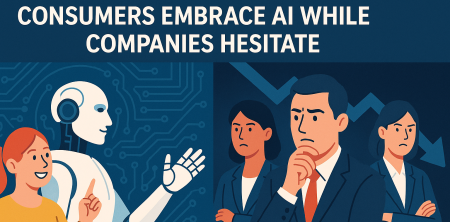
As technology continues to evolve, the way consumers interact with brands is undergoing a seismic shift. New research from Invoca reveals a compelling insight: consumers are ready to embrace AI in marketing, while many brands are lagging in their adaptation. This creates a noticeable gap between customer expectations and brand capabilities, raising critical questions about the future of marketing strategies.
The Consumer Perspective: Comfort with AI
According to the Invoca research, a significant percentage of consumers are not only aware of AI technologies but are also comfortable using them. They expect brands to leverage AI to enhance their customer experience. In fact, the report suggests that 71% of consumers are willing to interact with AI-driven tools for customer support and information retrieval. This is a clear signal that consumers are increasingly looking for brands that can meet them in the digital space.
This comfort with AI among consumers is not just a minor trend; it's a critical shift. As people become more accustomed to AI in their personal and professional lives—from using chatbots for customer service to relying on AI-driven recommendations—they begin to expect similar experiences from brands. Failing to align with this expectation could lead to brands falling behind.
The Brand Dilemma: Hesitation and Challenges
While consumers are embracing AI, many brands are facing significant challenges in implementing these technologies. The Invoca study highlights that only 29% of brands feel equipped to meet the growing expectations related to AI interactions. This gap raises urgent questions: Why are companies hesitant? What barriers are they facing?
One major reason for this hesitation is the fear of miscommunication and the potential for negative customer experiences. Brands worry that poorly implemented AI could lead to misunderstandings or frustration. Additionally, there are operational challenges, such as a lack of technical expertise and insufficient data to fuel effective AI systems.
The Urgency of Adaptation
The implications of these findings are profound. Brands that fail to adapt to the increasing demand for AI in marketing risk losing customers to competitors who are willing to innovate. This is not just about adopting new technologies; it’s about rethinking the entire customer journey. Companies need to recognize that consumer behavior is shifting and that they must be proactive in embracing these changes.
As AI continues to transform search and discovery, there’s an undeniable urgency for brands to catch up. Consumers are already integrating AI into their shopping experiences, and brands must ensure they are not left behind. Ignoring this trend could result in missed opportunities and diminished market share.
Transforming the Customer Journey with AI
AI in marketing is reshaping how consumers discover, evaluate, and contact brands. From personalized recommendations to AI-driven chatbots, the potential for enhanced customer engagement is enormous. Brands that successfully integrate AI into their marketing strategies can create more tailored experiences that resonate with consumers.
For instance, consider the role of AI in optimizing search engine results. Companies employing AI algorithms to analyze consumer behavior can ensure their products and services are more visible to potential customers. This not only enhances the customer journey but also drives growth by increasing conversion rates.
Case Studies: Success Stories of AI Integration
Numerous brands have successfully navigated the integration of AI in their marketing strategies, setting a precedent for others to follow. For example, Netflix uses AI-driven algorithms to analyze viewing habits and make personalized recommendations, enhancing user engagement and satisfaction. This approach not only keeps viewers on the platform longer but also boosts subscription renewals. (See: AI consumer expectations in 2023.)
In the retail sector, companies like Sephora have leveraged AI to personalize shopping experiences. Their virtual artist tool allows customers to try on makeup virtually, providing a unique, engaging experience. Such innovations enhance customer interaction and increase sales, demonstrating the tangible benefits of adopting AI technologies.
Consumer Expectations: What Do They Want?
The study by Invoca sheds light on specific expectations consumers have regarding AI interactions. Consumers want efficiency, accuracy, and personalization in their experiences. They expect brands to understand their needs and preferences, often before they even articulate them.
Moreover, transparency plays a crucial role. Consumers want to know when they are interacting with AI and feel reassured that their data is being handled responsibly. Brands that can balance personalization with privacy will likely foster greater trust and loyalty among their customers.
Overcoming Barriers: Strategies for Brands
For brands looking to embrace AI in their marketing strategies, a clear roadmap is essential. Here are some actionable strategies to overcome common barriers:
- Invest in Training: Equip employees with the necessary skills to implement AI technologies effectively. Training programs can help bridge the knowledge gap and foster a culture of innovation.
- Start Small: Pilot projects can be an effective way to test AI applications without overwhelming resources. This approach allows brands to measure impacts and make iterative improvements.
- Focus on Data: Ensure that the data used to fuel AI systems is accurate, relevant, and compliant with privacy regulations. Investing in data quality is crucial for successful AI implementation.
- Engage with Consumers: Solicit feedback from customers regarding their experiences with AI interactions. This real-time insight can inform adjustments and improvements.
The Competitive Edge: Why AI is Essential
In the current market landscape, AI in marketing is no longer a luxury; it’s a necessity. Brands that embrace AI can gain a competitive edge by optimizing their operations, enhancing the customer experience, and ultimately driving growth. The ability to analyze vast amounts of data enables brands to make informed decisions and tailor their strategies to meet evolving consumer needs.
Furthermore, as more brands adopt AI technologies, those that delay may find themselves at a disadvantage. Adapting to these changes isn’t just about staying relevant; it’s about thriving in an increasingly digital marketplace where consumer expectations are rapidly evolving.
The Role of AI in Predictive Analytics
One of the most exciting applications of AI in marketing is predictive analytics. By analyzing historical data and consumer behavior patterns, AI can forecast future buying trends and preferences. This capability allows brands to anticipate customer needs, optimize inventory levels, and tailor marketing campaigns more effectively.
For instance, Target famously used predictive analytics to determine which customers were most likely to purchase baby products based on their shopping behavior. This insight allowed Target to send personalized coupons and offers, resulting in increased sales and customer satisfaction. Predictive analytics not only boosts sales but also enhances customer loyalty by demonstrating that brands understand and care about their needs.
AI in Content Creation
AI is revolutionizing content creation in marketing, making it easier for brands to produce high-quality, personalized content at scale. Machine learning algorithms can analyze audience preferences and behaviors, enabling marketers to create content that resonates with specific segments.
Companies like OpenAI have developed tools that assist marketers in generating blog posts, social media updates, and even video scripts. For example, using AI tools, brands can quickly generate multiple variations of an ad copy, which can then be tested for performance optimization. This approach not only saves time but also ensures that marketing messages are consistent and relevant to their audience.
Ethical Considerations in AI Marketing
As brands increasingly rely on AI for marketing, ethical considerations must also be taken into account. Issues surrounding data privacy, algorithmic bias, and the transparency of AI decision-making are critical for maintaining consumer trust. Brands must ensure that AI systems are designed to be fair, accountable, and transparent. (See: AI applications in public health.)
For instance, a leading automotive brand faced backlash after its AI-driven advertising campaigns were found to favor certain demographics over others. This incident highlights the importance of continuously monitoring AI systems to prevent unintended biases. Companies should prioritize ethical AI practices and be transparent with consumers about how their data is used in AI algorithms.
Future Trends: The Evolution of AI in Marketing
The future of AI in marketing is promising, with several trends expected to shape the landscape in the coming years:
- Voice Search Optimization: As voice-activated devices become more prevalent, brands will need to optimize their content and strategies for voice search. AI will play a crucial role in understanding and responding to natural language queries.
- Hyper-Personalization: The demand for highly personalized experiences will drive brands to employ AI for segmenting audiences and delivering tailored content and offers. This goes beyond just basic personalization, enabling brands to offer unique experiences to individual customers.
- AI-Driven Customer Insights: The ability to gather and analyze massive amounts of customer data will enhance brands' understanding of their audiences. AI-driven insights will inform product development, marketing strategies, and customer engagement approaches.
- Integration of Augmented Reality (AR): Brands are beginning to explore the integration of AR and AI to create immersive marketing experiences. AI can help optimize AR experiences by personalizing content and interactions based on user behavior.
FAQs About AI in Marketing
What is AI in marketing?
AI in marketing refers to the use of artificial intelligence technologies to analyze data, automate processes, and improve customer experiences in marketing strategies. It includes applications like predictive analytics, chatbots, personalized recommendations, and content creation.
How can businesses benefit from AI in marketing?
Businesses can benefit from AI in marketing by enhancing customer engagement, streamlining operations, and making data-driven decisions. AI helps brands personalize marketing efforts, predict customer behavior, and improve overall efficiency.
Are consumers comfortable with AI in marketing?
Yes, research shows that a significant number of consumers are comfortable interacting with AI-driven tools for customer support and information retrieval. They expect brands to leverage AI to enhance their experiences.
What are the challenges of implementing AI in marketing?
Challenges include a lack of technical expertise, fears around miscommunication, insufficient data quality, and the need for employee training. Overcoming these barriers is crucial for successful AI integration.
How important is data quality for AI in marketing?
Data quality is crucial for AI in marketing. Accurate, relevant, and compliant data ensures that AI systems function effectively and deliver meaningful insights and personalized experiences. Poor data quality can lead to ineffective AI applications.
What ethical considerations should brands keep in mind when using AI?
Brands should prioritize ethical practices by ensuring transparency in data usage, avoiding algorithmic bias, and maintaining a commitment to consumer privacy. Ethical AI practices are essential for building and maintaining consumer trust.
Emerging AI Technologies in Marketing
As AI continues to evolve, new technologies are emerging that are set to revolutionize marketing even further. These include: (See: Research on AI in marketing.)
- Natural Language Processing (NLP): This technology helps brands understand and respond to customer inquiries in a more human-like manner. NLP allows for more sophisticated chatbots and virtual assistants, which can handle complex queries and provide better customer service.
- Computer Vision: Brands are beginning to use computer vision for analyzing visual content. This technology can help in understanding customer preferences based on their interactions with images, which can inform product recommendations and advertising strategies.
- Automated Content Generation: Beyond generating marketing copy, AI tools can now create entire articles, social media posts, and even videos based on pre-set parameters. This automates content strategy and allows for real-time adjustments based on performance data.
The Role of AI in Social Media Marketing
Social media platforms are increasingly integrating AI to enhance user experience and functionality. AI algorithms analyze user interactions to determine the most relevant content to showcase, making it essential for brands to understand these dynamics. By utilizing AI, brands can optimize their social media strategies, target the right audiences, and create content that resonates.
For example, platforms like Facebook and Instagram use AI to personalize the ads users see based on their browsing history and behavior. This level of targeting improves ad performance and helps brands achieve better ROI on their marketing efforts.
Real-World Applications of AI in Marketing
Various industries have started implementing AI-driven marketing strategies with significant success:
- Automotive Industry: Companies like BMW are using AI for analyzing customer data to enhance sales strategies. By understanding consumer behavior, they can target marketing campaigns that are more likely to convert.
- Healthcare: Healthcare providers are employing AI to educate patients through personalized content and recommendations. This not only improves patient engagement but also fosters trust between healthcare providers and patients.
- Finance: Financial institutions are using AI for fraud detection and to provide tailored financial advice to customers. AI's ability to analyze vast amounts of data in real-time helps in predicting and preventing fraudulent activities.
Preparing for an AI-Driven Future
Brands must start preparing for an AI-driven future by investing in the right infrastructure and talent. This includes not only adopting AI technologies but also nurturing a culture of data-driven decision-making. Companies that prioritize AI will be better positioned to capitalize on emerging trends and stay ahead of the competition.
It's also essential to stay informed about advancements in AI and marketing practices. Participating in workshops, webinars, and conferences can provide valuable insight into how other businesses are leveraging AI and what strategies are working effectively.
Conclusion: Bridging the Gap
The research from Invoca presents a wake-up call for brands. Consumers are ready for AI, but many brands are still navigating their own hesitations and operational hurdles. To bridge this gap, companies must quickly adapt and innovate, embracing AI as a core component of their marketing strategy.
Ultimately, the brands that will succeed in this new landscape are those that prioritize understanding consumer needs and are willing to invest in the necessary technologies and strategies to meet those expectations. The time to act is now—consumers are waiting, and the competition is already on the move.
```
Trending Now
Frequently Asked Questions
Why are brands hesitant to adopt AI in marketing?
Many brands are hesitant to adopt AI due to fears of miscommunication and potential negative customer experiences. They worry that poorly implemented AI could lead to misunderstandings or frustrations, which can damage customer relationships and brand reputation.
How comfortable are consumers with AI technologies?
Research indicates that a significant percentage of consumers are comfortable using AI technologies. In fact, 71% of consumers are willing to interact with AI-driven tools for customer support and information retrieval, signaling a strong demand for brands to embrace these technologies.
What gap exists between consumer expectations and brand capabilities?
The gap arises from consumers' growing comfort and expectations regarding AI in customer interactions, while many brands struggle to implement these technologies effectively. Only 29% of brands feel equipped to meet the rising expectations related to AI interactions.
What are the challenges brands face in implementing AI?
Brands face several challenges in implementing AI, including concerns about miscommunication, operational challenges, and a lack of resources or expertise. These factors contribute to their hesitation in adopting AI technologies to enhance customer experiences.
How is AI changing consumer interactions with brands?
AI is significantly changing consumer interactions by providing more personalized and efficient experiences. As consumers become accustomed to AI-driven solutions in their daily lives, they increasingly expect brands to leverage AI for improved customer support, recommendations, and overall engagement.
Agree or disagree? Drop a comment and tell us what you think.

