```html
Understanding the Need for Conflict Resolution in Middle School
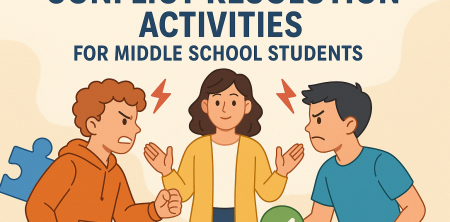
Conflict is a natural part of any social environment, and middle school is no exception. During this developmental stage, students are not only experiencing physical changes but are also navigating complex social dynamics. As friendships form and dissolve, the prevalence of disputes can increase. Recognizing the importance of conflict resolution activities for middle school students is crucial in fostering a safe and supportive learning environment.
Middle school students often lack the emotional maturity to handle conflicts effectively. They might resort to impulsive reactions rather than thoughtful responses. Therefore, implementing conflict resolution activities can equip them with essential skills to manage disagreements constructively. These activities can enhance communication, empathy, and problem-solving abilities, which are vital not just in school but throughout life.
Key Principles of Conflict Resolution
Before diving into specific activities, it's essential to establish some fundamental principles of conflict resolution that can guide educators and students alike:
- Active Listening: This involves truly hearing what the other person is saying, without formulating your response while they speak.
- Empathy: Understanding and acknowledging the emotions and perspectives of others can diffuse tension and pave the way for resolution.
- Clear Communication: Articulating thoughts clearly and directly helps prevent misunderstandings.
- Problem-solving: Instead of focusing on the conflict itself, directing attention towards finding a solution is critical.
- Respect: Maintaining a respectful attitude throughout the resolution process fosters a healthier dialogue.
These principles should be integrated into any conflict resolution activity to ensure effectiveness and lasting impact.
Activity 1: Role-Playing Scenarios
Role-playing is an engaging way for students to practice conflict resolution in a controlled environment. In this activity, students are assigned different roles in a conflict scenario. For example, two friends may have a disagreement over a shared project. Each student takes on a role—one as the person feeling wronged and another as the friend.
The structured nature of role-playing allows students to explore various perspectives. After the role-play, students can reflect on their feelings during the exercise, discuss what worked in resolving the conflict, and consider alternative approaches. This not only reinforces empathy but also enhances communication skills as they articulate their thoughts and feelings.
Activity 2: The Conflict Resolution Wheel
The Conflict Resolution Wheel is a visual tool that helps students map out their conflicts and explore solutions. On a large wheel, different sections can include elements like "Identify the Problem," "Explore Solutions," and "Choose a Solution." Students can fill in the wheel by going through each section, thereby gaining a clearer understanding of their conflict and potential resolutions.
For instance, a student might face a conflict over a seating arrangement in class. Using the wheel, they would first identify the problem, list possible solutions (like talking to the teacher or discussing with peers), and finally choose the best approach. This structured method encourages critical thinking and promotes a step-by-step process for resolving conflicts.
Activity 3: Circle Time Discussions
Circle Time is a traditional method of fostering open dialogue among students. In this setting, students sit in a circle and discuss a particular topic related to conflict resolution. This could range from sharing personal experiences of conflict to discussing hypothetical scenarios.
During Circle Time, students are encouraged to share their thoughts and feelings while others listen attentively. This format promotes active listening and respect for differing viewpoints. Educators can facilitate the discussion by posing open-ended questions, ensuring each student feels heard and valued. Over time, this activity helps build a class culture focused on collaboration and empathy.
Activity 4: The Peace Agreement
Creating a Peace Agreement can be an effective way for students to articulate their commitment to resolving conflicts constructively. In this activity, students work together to draft a document that outlines behaviors and expectations for conflict resolution. Items might include promises to communicate openly, to listen without interrupting, and to respect each other's feelings.
Once the Peace Agreement is created, students can sign it as a formal commitment. This agreement serves as a reminder of their shared values and encourages a community atmosphere where conflict resolution is prioritized. It also fosters accountability, as students recognize their responsibility to uphold the agreement. (See: Understanding youth violence prevention.)
Activity 5: Conflict Resolution Journals
Implementing Conflict Resolution Journals in the classroom can provide students with a personal outlet for processing their emotions and conflicts. Each student can maintain a journal where they document conflicts they encounter, their feelings about those conflicts, and how they resolved or plan to resolve them.
This reflective practice can not only enhance self-awareness but also help students recognize patterns in their conflict behaviors. Teachers can periodically review these journals and engage with students about their experiences, offering guidance and support. Additionally, students may share their insights during group discussions, further promoting a sense of community.
Activity 6: Team-Building Exercises
Team-building exercises play a significant role in conflict resolution by fostering collaboration and trust among students. Activities like group challenges, trust falls, or problem-solving tasks can help students learn to work together more effectively and appreciate each other's strengths.
For instance, a simple challenge like building the tallest tower with limited resources can encourage students to communicate and strategize together. As they engage in these activities, they learn how to navigate disagreements and reach compromises, which will prove invaluable in real-life conflicts.
Activity 7: Peer Mediation Programs
Implementing peer mediation programs involves training students to act as mediators in conflicts between their peers. In this structured setting, trained students can help their classmates navigate disputes by guiding conversations and encouraging collaborative problem-solving.
Peer mediators benefit from enhanced leadership and communication skills, while the students they assist experience a supportive environment to resolve their issues. Such programs not only empower students to take charge of their conflict resolution but also foster a culture where students feel comfortable seeking help from each other.
Measuring the Impact of Conflict Resolution Activities
As educators, it's crucial to evaluate the effectiveness of conflict resolution activities in middle school. This can be done through various means such as surveys, feedback forms, and observation. Here are some indicators of success:
- Reduced Incidents: A noticeable decrease in conflicts among students can be a clear sign that activities are working.
- Improved Communication: Positive changes in how students interact with each other may indicate that they're employing the skills learned through activities.
- Student Feedback: Gathering insights from students about their experiences with conflict resolution activities can provide valuable information about their impact.
Current Relevance of Conflict Resolution in Education
In today's educational landscape, the ability to resolve conflicts constructively is more important than ever. With rising levels of anxiety and social media influence, students are often exposed to heightened levels of conflict both online and offline. Equipping them with conflict resolution skills is critical in promoting mental well-being and fostering positive relationships.
Furthermore, as students prepare for future endeavors in an increasingly diverse and interconnected world, the ability to navigate conflict respectfully and effectively will be a valuable asset. Schools that prioritize conflict resolution activities create a more harmonious learning environment, paving the way for students to thrive not just academically but also socially and emotionally.
Building Empathy Through Conflict Resolution Activities
Empathy plays a vital role in conflict resolution, especially in a middle school setting where emotions are often heightened. Engaging students in activities that specifically target empathy can enhance their ability to understand and relate to the feelings of others. For example, storytelling can be an effective method. In a group setting, students can share personal stories of conflict and discuss how they felt during those experiences. This sharing can lead to a deeper understanding of how conflicts can affect people differently, depending on their perspectives and backgrounds.
Additionally, incorporating activities like "Walk in Their Shoes" can further promote empathy. In this exercise, students are asked to take on the role of someone else—perhaps a classmate they have had conflicts with—to explore the situation from that person's viewpoint. This shift in perspective can be eye-opening and can help dispel misunderstandings that often lead to conflicts.
Incorporating Technology in Conflict Resolution Activities
In our tech-driven world, integrating technology into conflict resolution activities can make the learning experience more relatable for students. For instance, utilizing online platforms for discussions or creating role-play videos can engage students in unique ways. Students could create short skits about conflict resolution scenarios and share them on a classroom platform where their peers can provide feedback.
Moreover, apps that promote emotional intelligence and conflict management can be introduced. These applications often include interactive games and scenarios that help students develop their conflict resolution skills in a fun, engaging manner. By using technology, educators can capture the interests of students who may be less inclined to participate in traditional activities.
Engaging Parents in Conflict Resolution Training
While conflict resolution activities are essential in schools, involving parents can significantly bolster the effectiveness of these programs. Schools could host workshops designed to educate parents on conflict resolution strategies they can reinforce at home. This ensures that the principles students learn at school are supported in their home environments. (See: Adolescent mental health insights.)
Additionally, creating a family resource guide on conflict resolution can be beneficial. This guide can include examples of activities, recommended readings, and practical tips for parents on how to facilitate discussions about conflict with their children. When families are engaged in this process, it fosters a consistent message about the importance of resolving conflicts constructively.
Statistics on Conflict Resolution in Education
Understanding the impact of conflict resolution activities can be enhanced through insightful statistics. For instance, research indicates that schools implementing conflict resolution programs see a reduction in behavioral referrals by as much as 50%. Furthermore, a survey conducted by the National Center for Educational Statistics reported that 75% of students felt more confident in handling conflicts after participating in resolution activities.
Additionally, studies have shown that schools with comprehensive conflict resolution programs experience higher overall student satisfaction and lower dropout rates. With upwards of 60% of students citing improved relationships with peers, it’s evident that conflict resolution is a vital component of fostering a positive school culture.
Common Challenges in Implementing Conflict Resolution Activities
Despite the advantages of conflict resolution activities, educators may encounter several challenges during implementation. One common hurdle is resistance from students who may feel uncomfortable discussing personal conflicts or sharing in a group setting. To address this, teachers can create a safe and inclusive environment by establishing ground rules for discussions and ensuring that confidentiality is respected.
Another challenge is the varying levels of social skills among students. Some may be more adept at communication and empathy than others, which can lead to uneven participation in activities. To mitigate this, educators can tailor activities to cater to different skill levels, offering more guidance to those who struggle while also challenging those who excel.
Frequently Asked Questions (FAQ)
1. What are some effective conflict resolution activities for middle school students?
Some effective activities include role-playing scenarios, team-building exercises, peer mediation programs, and Circle Time discussions. Each of these fosters essential skills such as empathy, communication, and problem-solving.
2. How can conflict resolution activities be integrated into the curriculum?
Educators can integrate conflict resolution activities by aligning them with existing subjects, such as social studies or language arts. For example, discussions about historical conflicts can be paired with conflict resolution techniques, allowing students to apply their learning to real-world scenarios.
3. How can educators measure the success of conflict resolution activities?
Success can be measured through surveys, observation of student interactions, and analyzing incidents of conflict pre- and post-implementation. Additionally, student feedback can provide insights into their perceptions of the effectiveness of these activities.
4. Are there resources available for teachers to learn more about conflict resolution?
Yes, there are numerous resources available including books, online courses, and professional development workshops focused on conflict resolution in educational settings. Organizations like the National Association of School Psychologists also provide valuable information and training materials.
5. How can parents support conflict resolution at home?
Parents can support conflict resolution by encouraging open communication, modeling constructive conflict management skills, and reinforcing the principles learned at school. Engaging in role-playing activities at home can also help reinforce these concepts.
New Approaches to Conflict Resolution Activities
As educators continue to innovate, new approaches to conflict resolution are emerging. One such strategy is the integration of social-emotional learning (SEL) into conflict resolution programs. By embedding SEL principles, students learn to identify their emotions and understand how those feelings can influence their behavior during conflict. This foundational understanding can lead to more effective management of interpersonal disputes.
Additionally, incorporating mindfulness techniques can be beneficial. Teaching students to practice mindfulness can help them remain calm during heated moments, allowing for more constructive dialogues. Simple techniques like deep breathing or guided visualizations can be introduced during conflict resolution activities to ground students before they engage in discussions.
The Role of Teachers in Conflict Resolution
Teachers play a crucial role in facilitating conflict resolution among students. Their approach sets the tone for how conflicts are treated within the classroom. It’s essential for teachers to model conflict resolution skills themselves, demonstrating how to handle disagreements with respect and compassion.
Furthermore, teachers should be trained in conflict resolution strategies so they can effectively guide their students through conflicts. Professional development workshops focusing on these skills can equip educators with tools and techniques necessary for fostering a peaceful classroom environment.
Creating a Safe Environment for Conflict Resolution
Establishing a safe environment is pivotal for effective conflict resolution. Students must feel secure to express themselves without fear of judgment or retaliation. This can be achieved by setting clear behavioral expectations and consistently reinforcing them. Creating a classroom charter that outlines acceptable behavior can help create accountability among students.
Moreover, it’s important to celebrate successes in conflict resolution. When a student effectively manages a conflict, recognizing and praising their efforts can encourage them and their peers to continue practicing these skills. This positive reinforcement can help build a culture of collaboration and respect.
Building Long-term Conflict Resolution Skills
Conflict resolution is not merely a set of activities but a life skill that students will carry with them into adulthood. Building these skills requires consistency and reinforcement. Teachers can create ongoing opportunities for students to practice conflict resolution by integrating these activities into regular classroom routines. For instance, employing conflict resolution strategies during group projects or collaborative tasks can reinforce their importance in real-life situations.
Furthermore, integrating real-world scenarios into discussions can provide students with context and relevance. When students see the application of conflict resolution skills beyond the classroom, they are more likely to value and utilize them in their everyday interactions.
Conclusion: Building a Culture of Conflict Resolution
Implementing conflict resolution activities in middle school is not merely about addressing disputes; it is about cultivating a culture of understanding, respect, and empathy. By engaging students in activities that teach these essential skills, educators can help them navigate the complexities of their social lives more effectively.
Ultimately, conflict resolution is a lifelong skill that extends beyond the classroom. Students who learn to manage disagreements constructively will carry these lessons into adulthood, contributing to healthier relationships and more peaceful communities. As the future generation, let's empower them to be effective communicators and problem solvers, ensuring they are well-equipped to face the challenges ahead.
```
Trending Now
- Unlocking Social Skills: How Social Pragmatics…
- Why Students with ADHD Struggle with…
- this guide on 7 pragmatics challenges english language learners face that every teacher must understand
- the complete explanation
- Unlocking Language: The Essential Differences Between Pragmatics, Semantics, and Syntax
Frequently Asked Questions
What are some effective conflict resolution activities for middle school students?
Effective conflict resolution activities for middle school students include role-playing scenarios, group discussions, and collaborative problem-solving exercises. These activities help students practice active listening, empathy, and clear communication, enabling them to manage disagreements constructively.
Why is conflict resolution important in middle school?
Conflict resolution is crucial in middle school as students navigate complex social dynamics. It equips them with essential skills to handle disputes constructively, promoting a safe and supportive learning environment while enhancing their communication and problem-solving abilities.
How can teachers teach conflict resolution skills?
Teachers can teach conflict resolution skills by integrating activities that emphasize active listening, empathy, and respect. Role-playing scenarios and guided discussions can provide students with practical experiences, helping them learn how to resolve conflicts effectively.
What principles should guide conflict resolution activities?
Key principles guiding conflict resolution activities include active listening, empathy, clear communication, problem-solving, and respect. Incorporating these principles ensures that students engage in meaningful dialogue and develop effective conflict management skills.
How can role-playing help in conflict resolution?
Role-playing helps in conflict resolution by allowing students to practice responding to conflicts in a safe environment. It encourages them to explore different perspectives, enhances their communication skills, and builds empathy, making it easier to handle real-life disputes.
What's your take on this? Share your thoughts in the comments below — we read every one.

