```html
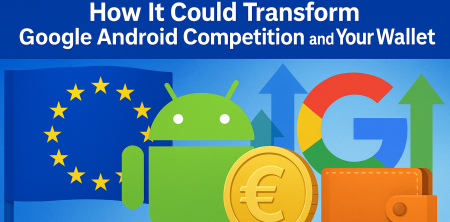
The tech world is buzzing with news that could significantly alter the landscape of mobile applications and artificial intelligence. On July 16, 2026, the European Commission made a landmark decision that mandates Google to provide rival AI applications such as ChatGPT and Claude the same deep access to its Android operating system that was previously reserved exclusively for its own AI, Gemini. This ruling is poised to reshape the Google Android competition, offering potential benefits for both consumers and developers.
The Digital Markets Act: A Brief Overview
To understand the implications of this ruling, it’s essential to first grasp the context of the Digital Markets Act (DMA). Instituted to promote fair competition in digital markets, the DMA targets large tech firms—often referred to as gatekeepers—whose platforms dominate the market. Google, with its vast reach and powerful Android ecosystem, has been identified as such a gatekeeper. The European Commission’s directive is part of a broader regulatory effort aimed at ensuring that smaller players can thrive in an environment traditionally dominated by tech giants. Related reading: impact of DMA on Android.
What the Ruling Means for AI Applications
The EU's directive requires Google to allow AI competitors to integrate deeply into its Android operating system. This includes the ability for these applications to respond to voice commands, complete tasks on devices, and access hardware resources such as on-device AI models. Previously, these functionalities were exclusive to Google’s Gemini AI, which allowed it to leverage superior capabilities and outpace rivals.
This shift not only levels the playing field for emerging AI technologies but also encourages innovation. Developers of AI applications will now have the opportunity to create experiences that can rival those offered by Google, which could ultimately lead to improved AI services for consumers.
The Implications for User Privacy and Security
While this ruling might seem like a win for competition, Google has voiced concerns regarding user privacy and security. The company argues that by opening up its system to third-party AI applications, it could inadvertently expose users to security risks or privacy infringements. This is a significant point of contention, as many consumers prioritize their data security over the availability of new features.
Privacy advocates will undoubtedly keep a close eye on how Google handles these integrations and what measures it implements to safeguard user information. Will Google find a way to balance competition with user safety? Only time will tell.
Consumer Benefits: Potential Savings and Choices
You might be wondering how this affects your wallet. With increased competition among AI applications on Android, consumers could benefit from better pricing and improved services. For instance, if multiple AI assistants can operate on the same level as Gemini, they may compete not just on features but also on price.
A more competitive landscape could reduce the costs associated with AI services. Imagine having access to a variety of AI assistants, each vying for your attention and aiming to offer the best deals or features that suit your needs. This could lead to more affordable subscription models and even free options supported by ads.
AI Market Fragmentation: A Double-Edged Sword
Despite the potential benefits, there are concerns about fragmentation within the Android ecosystem. As more AI applications gain access to the same functionalities, users may find themselves overwhelmed by choices, leading to confusion and difficulties in navigating the available options.
Fragmentation could also result in inconsistent user experiences. While some applications might excel in certain tasks, others may offer subpar performance. This differentiation could create a situation where users are unsure of which AI to choose or trust, potentially diluting the overall user experience.
The Reaction from the Tech Community
The announcement has ignited a firestorm of debate across social media platforms. Some tech enthusiasts celebrate the ruling as a victory for innovation and consumer rights, while others express skepticism about whether this will genuinely foster competition or simply lead to chaos. (See: Digital Markets Act overview.)
Prominent voices in the tech community have shared mixed opinions. Supporters argue that this is a crucial step towards dismantling Google’s monopoly over AI capabilities, while critics warn about the implications of increased fragmentation and the potential for a diluted user experience.
Comparing Google’s Gemini with Emerging Competitors
To contextualize the changes brought about by the EU ruling, let’s briefly compare Google’s Gemini with some of its key competitors, such as ChatGPT by OpenAI and Claude by Anthropic. Gemini has been positioned as a powerful AI assistant, deeply integrated with Google’s suite of services, giving it a considerable edge in functionality.
However, with the new rules in place, ChatGPT and Claude will have the chance to innovate and potentially close the gap. ChatGPT, known for its conversational abilities, could leverage access to Android’s functionalities to create more interactive user experiences. Similarly, Claude, focused on ethical AI, might appeal to consumers concerned with privacy, offering an alternative to Google's approach.
The Future of Google Android Competition
As Google prepares to comply with the EU's directive by August 1, 2027, the stakes have never been higher. The company will have to navigate its path carefully, balancing its business interests with the requirements laid out by regulators. This might involve rethinking its approach to AI integration and addressing consumer concerns about privacy and security.
For developers, this is an exciting time. New opportunities are emerging, and the potential to create groundbreaking applications is vast. As innovation flourishes, consumers are likely to see a whirlwind of new features, enhanced user experiences, and competitive pricing.
Expert Perspectives on the Future of AI in the Android Ecosystem
Industry experts are weighing in on what this landscape might look like in the coming years. Dr. Sarah Thompson, a leading AI researcher, states, “This ruling represents a watershed moment for AI innovation. By allowing deeper integration with Android, we may finally see real competition in the AI space that benefits everyday users.”
Another expert, Mark Lee, a tech analyst at Tech Insights, emphasizes the importance of user choice: “Consumers have long been locked into a single ecosystem. With the advent of multiple AI applications, not only can they choose products that best fit their needs, but they can also hold companies accountable for their services.”
The Role of Developers in a Competitive Market
As the Android ecosystem opens up, developers will play a critical role in shaping the future of AI applications. They will need to innovate constantly and differentiate their products from competitors. This could involve using unique algorithms, better understanding user preferences, and incorporating feedback rapidly to enhance their offerings.
To thrive, developers may also need to collaborate with hardware manufacturers to optimize their applications for various devices. This collaboration can ensure that AI applications run smoothly across different platforms, thereby improving the overall user experience.
Statistics on Mobile AI Usage
The demand for AI applications in mobile technology is on the rise. According to a recent survey by Statista, 45% of smartphone users expressed interest in using AI-driven applications for everyday tasks such as scheduling, reminders, and personal assistance. This statistic highlights the tremendous potential for growth in the mobile AI market.
Furthermore, industry predictions suggest that the global AI market in mobile applications could reach a valuation of approximately $118 billion by 2025, growing at a compound annual growth rate (CAGR) of 42%. This growth underscores the importance of having a competitive environment where various players can contribute and advance technology.
How Google Might Adapt to the Changing Landscape
In light of the EU ruling, Google may need to rethink its current business model. Traditionally, the company has relied heavily on its integrated offerings to maintain a competitive advantage. However, if third-party applications can deliver similar or better capabilities, Google might have to pivot.
This could mean investing more in user privacy features, enhancing its customer support, or even creating incentive programs for developers to build on its platform. By fostering an environment where developers feel valued, Google can create a loyal ecosystem that benefits all parties involved. (See: BBC report on tech regulations.)
Common Concerns from Users and How to Address Them
As the landscape of AI applications becomes increasingly complex, users may have several concerns. Here are some common questions and their answers:
Will my data be secure with third-party AI applications?
This is a legitimate concern. As third-party applications gain access to sensitive information, it's crucial to choose applications that have strong privacy policies and security measures in place. Look for applications that are transparent about how they use your data and offer robust encryption protocols.
How will I know which AI application is best for me?
With numerous options available, it can be challenging to choose the right one. Consider what features are most important to you, such as voice recognition, task management, or integration with other services. Reading reviews and trying out several applications can also help you make a more informed decision.
What if I don't like a third-party AI application?
If you find that a third-party application doesn't meet your needs, you can simply uninstall it and try another one. The diversity of options means that there will always be alternatives available to explore.
Will Google still provide support for its own AI applications?
Yes, Google is likely to continue supporting its own AI applications, such as Gemini. The competition may even drive Google to enhance its offerings further, leading to better features and services for all users.
Challenges Ahead for Google
As Google prepares to comply with the new regulations, the company faces several challenges. One significant hurdle is maintaining its market share. Historically, Google's AI applications have thrived due to their integration and superior performance. Now, with competitors gaining a foothold, Google will need to reassess its strategies to retain user loyalty.
Additionally, Google must navigate the complexities of regulatory compliance. Ensuring that third-party applications meet stringent privacy and security standards will be essential. Failing to do so could result in penalties or further regulatory scrutiny, impacting Google’s reputation and financial standing.
The Importance of User Education
As competition heats up, user education will become paramount. Consumers need to understand the capabilities and limitations of different AI applications. Google and other companies will likely invest in educational campaigns to inform users about the benefits and risks associated with various AI tools.
Workshops, webinars, and easily accessible online resources could become common as companies strive to build trust with their user base. This initiative could also help mitigate the confusion surrounding the plethora of new applications vying for consumer attention.
Industry Collaboration and Partnerships
In this new competitive landscape, collaboration could be key. Partnerships between AI developers and hardware manufacturers may lead to innovative solutions that enhance user experiences across devices. For example, AI applications that work seamlessly with smart home devices could provide users with even greater convenience.
Moreover, joint ventures between software and hardware companies might accelerate the development of AI-driven products that are more efficient and responsive. These collaborations can help create a more robust ecosystem, ultimately benefiting consumers. See also key features of EU mandates.
The Global Perspective on AI Competition
While the EU's ruling specifically pertains to Google and its Android operating system, the implications of this decision could resonate globally. Countries outside the EU may look to these regulatory actions as a framework for their own policies regarding tech giants. This international attention could lead to a more standardized approach to AI regulation, impacting how companies operate worldwide.
Furthermore, as more nations consider similar regulations, global tech competition may shift. Companies that adapt quickly to these changes could gain a significant advantage in emerging markets. On the flip side, companies that resist or struggle to comply may find themselves at a disadvantage, paving the way for new players to enter the market.
The Role of Consumer Feedback
As new AI applications emerge, consumer feedback will play a crucial role in shaping their development. Companies that actively engage with users and incorporate their suggestions will likely capture greater market share. Regular surveys, feedback loops, and beta testing opportunities can empower consumers to voice their opinions, thereby influencing the future of AI technology.
Moreover, companies that are responsive to consumer needs can build stronger relationships, fostering brand loyalty in an increasingly crowded market. This feedback-driven approach could also lead to a continuous cycle of innovation and improvement, enhancing the overall quality of AI applications available on Android.
Looking Towards the Future of AI on Android
The future of AI on Android is poised for a significant transformation. With the impending changes from the EU ruling, the landscape is set to become more vibrant and diverse. As competition increases, you can expect to see a surge in creativity and innovation among developers.
AI applications that are tailored to specific user needs, such as enhanced accessibility features or specialized task management, could emerge, making technology more inclusive. Additionally, as more developers enter the arena, the potential for niche applications catering to underserved markets will also rise.
Final Thoughts on Google Android Competition
The EU's ruling is a pivotal moment in the ongoing saga of Google Android competition. While it promises to introduce exciting changes and potential savings for consumers, it also raises important questions about privacy, security, and market fragmentation. As we move closer to the implementation date, all eyes will be on Google, its competitors, and how this new landscape unfolds for developers and users alike.
As a consumer, you stand to benefit from this competition. The future of AI capabilities on your Android device is about to get a lot more interesting, and hopefully, more affordable. Keep an eye on the developments in this space, as they could redefine not just how you interact with technology but also how much you pay for it.
```
Trending Now
Frequently Asked Questions
What is the EU's Digital Markets Act?
The Digital Markets Act (DMA) is a regulatory framework established by the European Commission to promote fair competition in digital markets. It targets large tech firms, known as gatekeepers, to ensure that smaller players can thrive and compete effectively, particularly in areas dominated by these giants, like Google's Android ecosystem.
How will the EU ruling affect Google and its competitors?
The EU ruling mandates Google to grant rival AI applications deep access to its Android operating system. This change allows competitors to utilize functionalities previously exclusive to Google's Gemini AI, fostering competition and innovation among AI developers while potentially enhancing consumer experiences.
What changes can consumers expect from this ruling?
Consumers can expect improved AI services as developers gain the ability to create applications that can compete with Google's offerings. This increased competition is likely to lead to more innovative and efficient AI solutions, ultimately benefiting users through enhanced functionality and services.
What are the privacy implications of the EU's ruling on AI?
While the ruling aims to foster competition and innovation, it also raises questions about user privacy and security. The integration of rival AI applications into the Android ecosystem may require careful consideration of how user data is handled and protected, as multiple applications will have access to sensitive information.
When does the EU mandate take effect?
The EU's mandate regarding Google's access to rival AI applications is set to take effect on July 16, 2026. This timeline allows for the implementation of changes that will enable greater competition in the mobile application and artificial intelligence markets.
What did we miss? Let us know in the comments and join the conversation.

