```html
Understanding Executive Function
Executive function is a term that encompasses a variety of cognitive processes crucial for self-regulation, including working memory, cognitive flexibility, and inhibitory control. These skills are fundamental for managing thoughts, emotions, and actions, allowing individuals to set and achieve goals. They play a significant role in academic success, social interactions, and daily life management. For educators, recognizing the importance of these functions is essential for tailoring teaching strategies that support student growth.
The Zone of Proximal Development: A Framework for Teaching
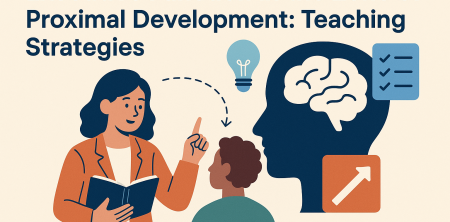
Vygotsky's Zone of Proximal Development (ZPD) is a key theory in education which posits that there exists a gap between what a learner can do independently and what they can achieve with guidance. By operating within this zone, instructors can provide the appropriate scaffolding to boost students' executive function skills. This method not only enhances understanding but also fosters independence over time.
Why Executive Function Matters in Learning
In today's educational landscape, the ability to cultivate executive function skills has never been more vital. Students with strong executive function are better equipped to handle complex tasks, adapt to changing circumstances, and develop problem-solving skills. Conversely, deficits in these areas can lead to academic struggles and diminished self-esteem. Integrating executive function teaching strategies into the curriculum can empower students to take charge of their learning.
Key Executive Function Skills
To effectively teach executive function, it’s crucial to understand its key components. Here’s a deeper look into each element:
- Working Memory: This is the ability to hold and manipulate information mentally. For example, a student might need to remember a sequence of steps to solve a math problem.
- Cognitive Flexibility: This refers to the ability to switch perspectives or adapt to new rules and situations. Students who can think flexibly are more likely to approach problems creatively.
- Inhibitory Control: This skill allows individuals to suppress impulsive responses and focus on long-term goals. It’s about making thoughtful choices rather than reacting instinctively.
Aligning Teaching Strategies with Executive Function Development
When planning lessons, educators should consider executive function teaching strategies that align with the developmental stages of their students. Here are several effective approaches:
- Modeling Behavior: Teachers can demonstrate how they manage tasks and navigate challenges. This not only shows students what to do but also how to approach problems systematically.
- Scaffolding: Provide temporary support structures that help students accomplish tasks just beyond their current capabilities. As students gain confidence, gradually reduce the support.
- Goal Setting: Encourage students to set specific, measurable, achievable, relevant, and time-bound (SMART) goals. This practice fosters self-regulation and motivation.
Practical Strategies for Enhancing Executive Function
Incorporating practical strategies into daily routines can greatly enhance executive function skills. Here are some actionable methods: (See: Understanding Executive Function.)
- Use Visual Aids: Charts, diagrams, and visual schedules can help students organize information and tasks. These tools serve as external memory aids that complement working memory.
- Incorporate Mindfulness Practices: Techniques such as deep breathing and meditation can improve focus and emotional regulation, thereby enhancing inhibitory control.
- Practice Problem-Solving: Engage students in activities that require them to think critically and flexibly. Group projects or real-world problem-solving scenarios are excellent for this purpose.
Collaboration Between Educators and Parents
To truly enhance executive function skills, collaboration between educators and parents is key. Both parties play a significant role in reinforcing these skills. Here are some strategies for effective collaboration:
- Regular Communication: Maintain open lines of dialogue about students’ progress and challenges. This helps in creating a unified approach to supporting executive function development.
- Shared Goals: Set mutual goals for students that can be reinforced both at home and in the classroom. This consistency can lead to improved outcomes.
- Resource Sharing: Provide parents with strategies and resources to support their children’s executive function skills at home, such as organizational tools and time management techniques.
Assessing Executive Function Skills
Effective teaching strategies also involve assessment. Understanding where a student stands in terms of their executive function can help tailor interventions. Various assessment tools can assist educators in evaluating these skills:
- Behavioral Checklists: These tools help track executive function skills over time and identify specific areas of need.
- Standardized Tests: Some assessments measure working memory, cognitive flexibility, and other executive function skills. These results can guide instructional strategies.
- Observational Assessments: Teachers can observe students in different contexts to better understand their executive functioning in real-time scenarios.
The Role of Technology in Executive Function Development
In our increasingly digital world, technology can play a pivotal role in enhancing executive function skills. From educational apps to online collaboration tools, the possibilities are vast. Here are a few ways technology can support learning:
- Organizational Apps: Tools like Trello or Todoist can help students manage tasks and deadlines effectively.
- Gamification: Educational games designed to challenge executive function skills can make learning engaging and interactive.
- Online Learning Platforms: Virtual classrooms can facilitate collaboration, critical thinking, and flexibility in learning, which are all essential to executive function development.
Challenges in Teaching Executive Function Skills
While the importance of executive function teaching strategies is widely recognized, educators face several challenges:
- Diverse Needs: Students come with varying backgrounds, abilities, and needs, making it essential to tailor strategies accordingly.
- Time Constraints: With a packed curriculum, finding time to focus on executive function skills can be difficult.
- Lack of Training: Some educators may not have received sufficient training on how to effectively teach these skills.
Current Trends and Research in Executive Function
The field of educational psychology is continuously evolving, with new research shedding light on effective executive function teaching strategies. Current trends emphasize personalized learning and the integration of executive function skills into all curricular areas. For example:
- Interdisciplinary Approaches: Combining subjects can facilitate the application of executive function skills across different contexts, enhancing student learning.
- Social-Emotional Learning (SEL): There’s a growing recognition of the link between executive function and SEL, leading schools to adopt holistic approaches that address both cognitive and emotional development.
- Focus on Equity: Research is increasingly highlighting the need for equity in teaching practices, ensuring that all students have access to the supports they need to develop executive function skills.
Strategies for Different Age Groups
Executive function skills develop progressively, and the strategies to teach these skills should be tailored based on the age and developmental stage of the students. Here’s how strategies can vary:
Early Childhood (Ages 3-5)
In early childhood, activities should focus on play-based learning. Engaging in games that require taking turns, following directions, and simple problem-solving can be effective.
- Simple Board Games: Games like Candy Land or Chutes and Ladders encourage turn-taking and strategic thinking.
- Storytelling: Encourage children to recall and elaborate on stories. This fosters working memory and cognitive flexibility.
Elementary School (Ages 6-11)
At this stage, students can start to engage in more structured activities that require planning and organization.
- Project-Based Learning: Assign projects that require planning, such as building a model or conducting an experiment.
- Classroom Jobs: Assigning roles (like line leader or messenger) can help develop responsibility and task management skills.
Middle School (Ages 12-14)
As students transition into middle school, they require more sophisticated strategies that integrate academic subjects with executive function skills.
- Self-Monitoring Tools: Teach students to use planners or digital tools to track their homework and test dates.
- Group Projects: Facilitate collaborative projects that require students to plan, divide tasks, and meet deadlines.
High School (Ages 15-18)
During high school, students should be encouraged to take greater ownership of their learning and preparation for life beyond school.
- Goal-Setting Workshops: Facilitate sessions where students set academic and personal goals, reflecting on their progress and adjusting as needed.
- Internships and Real-World Experiences: Encourage students to seek internships or volunteer opportunities that require organization and time management.
Expert Perspectives on Executive Function Teaching Strategies
To provide additional insights into effective executive function teaching strategies, we reached out to educational psychologists and practitioners in the field. Here’s what they had to say: (See: Importance of Executive Function in Learning.)
Dr. Jane Smith, Educational Psychologist: "Understanding that executive function skills are interconnected is essential. For example, enhancing working memory can support better inhibitory control. This means educators should focus on developing multiple skills simultaneously through integrated activities."
Mr. Tom Johnson, Middle School Teacher: "One of the most effective strategies I’ve employed is the use of reflective journals. Students write about their learning experiences and challenges. This practice not only promotes self-awareness but also enhances their ability to plan and self-regulate."
FAQ About Executive Function Teaching Strategies
What are executive function teaching strategies?
Executive function teaching strategies are instructional methods designed to enhance students' cognitive processes related to self-regulation, such as working memory, cognitive flexibility, and inhibitory control.
Why are executive function skills important?
These skills are crucial for academic success, social interactions, and personal management. They help students organize tasks, manage time, and make thoughtful decisions, which are essential for life beyond school.
How can I assess my students' executive function skills?
You can use behavioral checklists, standardized tests, and observational assessments to gauge executive function skills. Additionally, self-assessments can provide insight into students’ own perceptions of their strengths and areas for improvement.
Can executive function skills be taught?
Absolutely! These skills can be taught and developed through targeted teaching strategies, practice, and supportive learning environments that promote self-regulation and strategic thinking.
What role do parents play in supporting executive function development?
Parents can reinforce executive function skills at home by creating structured routines, helping with goal setting, and encouraging self-monitoring practices. Communication with teachers can also provide a unified approach.
Current Educational Research on Executive Function
Recent studies indicate a growing interest in the role of executive function in learning outcomes. A report by the American Psychological Association suggests that students who engage in activities designed to improve executive function, such as cognitive training programs, show significant improvements in academic performance. One study highlighted that elementary students participating in working memory training improved their math scores by an average of 15% over the school year.
Furthermore, research from Yale University indicates that integrating executive function strategies within the classroom environment can lead to a notable reduction in behavioral issues and an increase in classroom engagement. The importance of creating a supportive environment where executive function skills can flourish is paramount in today's classrooms.
Additional Strategies for Improving Executive Function Skills
Implementing diverse strategies can significantly enhance executive function skills among students. Here are some additional approaches that educators can consider:
- Mind Mapping: Using mind maps can help students visually organize information, promoting better recall and understanding of interconnected concepts. This technique is especially beneficial for planning essays or projects.
- Time Management Training: Teaching students how to break tasks into smaller, manageable parts and allocate specific time frames can greatly improve their productivity and focus.
- Peer Teaching: Encourage students to teach each other. This not only reinforces their knowledge but also develops their communication skills and boosts confidence.
- Use of Technology: Leveraging apps for task management, such as Notion or Google Keep, can help students keep track of assignments and deadlines, making them more accountable for their work.
The Impact of Cultural Factors on Executive Function
It's important to acknowledge that cultural factors can influence the development and expression of executive function skills. Studies have shown that cultural values can shape how children learn to regulate their emotions and behaviors. For instance, in collectivist cultures, group harmony might be emphasized, impacting how children develop inhibitory control.
Understanding these cultural differences is crucial for educators. By creating culturally responsive teaching strategies, educators can better support students’ executive function development. This might involve incorporating culturally relevant materials or practices that resonate with students' backgrounds and experiences.
Long-Term Benefits of Strong Executive Function Skills
Fostering executive function skills in students not only has immediate academic benefits but also long-term advantages. Research indicates that individuals with well-developed executive function skills are more likely to excel in various aspects of life, from academic achievement to career success. They tend to have better emotional regulation, which can lead to healthier relationships and improved mental health outcomes.
Furthermore, a study published in the journal Developmental Psychology found that children with strong executive function skills are less likely to engage in risky behaviors during adolescence. This highlights the importance of early intervention and continuous support in developing these skills.
Final Thoughts
As educators, understanding and implementing executive function teaching strategies within the Zone of Proximal Development is critical for fostering student success. By equipping students with the necessary tools to enhance their executive function skills, we prepare them not just for academic achievement, but for a lifetime of problem-solving and self-regulation. It's a journey worth taking, as the rewards for both students and teachers are profound.
```
Trending Now
- read the full story
- this guide on why students with adhd struggle with pragmatic language skills: 7 key insights
- 7 Pragmatics Challenges English Language Learners…
- our breakdown of 9 essential strategies to boost pragmatic language development in preschool
- Unlocking Language: The Essential Differences Between…
Frequently Asked Questions
What is executive function in education?
Executive function in education refers to a set of cognitive processes essential for self-regulation, including working memory, cognitive flexibility, and inhibitory control. These skills help students manage their thoughts, emotions, and actions, which are critical for academic achievement and social interactions.
How does the Zone of Proximal Development relate to executive function?
The Zone of Proximal Development (ZPD) is a framework that highlights the gap between what learners can do independently and with guidance. By teaching within this zone, educators can provide scaffolding that enhances students' executive function skills, promoting understanding and fostering independence.
Why is executive function important for students?
Executive function is crucial for students as it enables them to manage complex tasks, adapt to change, and develop problem-solving abilities. Strong executive function skills lead to better academic performance and improved self-esteem, while deficits can result in struggles in learning.
What are the key components of executive function?
The key components of executive function include working memory, cognitive flexibility, and inhibitory control. Working memory allows students to hold and manipulate information, cognitive flexibility enables them to switch between tasks or ideas, and inhibitory control helps them regulate impulses and distractions.
How can teachers improve executive function skills in students?
Teachers can improve executive function skills by integrating specific teaching strategies that focus on developing working memory, cognitive flexibility, and inhibitory control. This can include structured activities, interactive learning experiences, and providing appropriate scaffolding within the Zone of Proximal Development.
What's your take on this? Share your thoughts in the comments below — we read every one.

