```html
Introduction: The Intersection of Tech and Real Estate
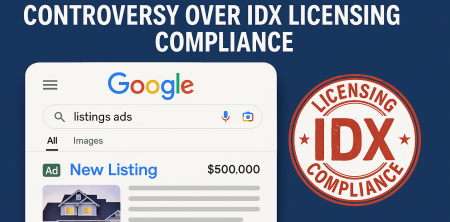
In an era where digital presence is everything, Google is once again at the forefront of a heated debate. The tech giant's recent initiative to launch nationwide listing ads, fueled by the MLS feeds from HouseCanary, has raised eyebrows across the real estate industry. Questions surrounding IDX licensing compliance and the necessary consent from brokers and MLSs are at the crux of this controversy. As real estate professionals increasingly rely on online platforms to showcase properties, the implications of these developments could reshape how listings are managed and monetized.
Understanding IDX Licensing
Before diving into the specifics of the Google listing ads, it's essential to grasp the framework of IDX licensing. IDX, or Internet Data Exchange, allows real estate professionals to display MLS property listings on their websites. This system is designed to ensure that real estate agents can collaboratively market property listings while protecting the rights of MLSs and brokers.
Real estate brokers must provide explicit consent for their listings to be displayed through IDX feeds. This consent is often governed by complex agreements that detail how data can be used, displayed, and monetized. Any deviation from these agreements or unauthorized use of data can lead to disputes and legal repercussions.
The Launch of Google's Listing Ads
Google's foray into the real estate advertising arena has stirred excitement, but also concern. By utilizing HouseCanary's MLS feeds, Google aims to enhance its search capabilities, providing users with a more comprehensive view of available properties. However, this initiative has sparked debates about whether Google has secured the appropriate IDX licensing and consent from brokers and MLSs to use such data.
As Google leverages its vast resources and technological prowess, traditional real estate players are left wondering if they hold any control over their data and listings. The potential for Google to dominate the online real estate advertising market raises significant questions about data rights and consent.
The Consent Issue: A Legal Quandary
At the heart of the controversy is the issue of consent. Brokers and MLSs are increasingly concerned about how their listings are utilized and monetized by third parties. If it's determined that Google has not adhered to proper IDX licensing protocols, the consequences could be severe. The National Association of Realtors (NAR) and various local MLSs may take action to protect their members' interests.
Legal experts suggest that if brokers feel their listings are being used without proper consent, this could escalate into a larger battle over who controls the visibility and monetization of listings. This situation highlights the precarious balance between technological advancements and the rights of those who provide the data.
The Broader Implications for Real Estate Professionals
The ramifications of this debate extend far beyond Google. For real estate agents and brokers, the concern isn't just about one tech company's practices; it's about the very foundation of how properties are marketed online. If Google succeeds in bypassing traditional channels and securing listings without proper agreements, it could lead to a significant shift in the real estate advertising landscape.
Moreover, the potential for larger tech companies to enter the real estate market poses a threat to smaller, independent brokers who may lack the resources to compete. As these giants leverage their platforms, the playing field could tilt drastically in their favor, leading to an oligopoly in real estate advertising.
The Role of Brokers and MLSs
Brokers and MLSs play a crucial role in the real estate ecosystem. Their consent is not merely a procedural hurdle but a fundamental aspect of maintaining the integrity of property data. The argument that Google is circumventing this process raises alarm bells for many in the industry.
Real estate professionals need to remain vigilant and proactive when it comes to their listings. They must engage with their MLSs and ensure that their data is being utilized correctly. This situation serves as a reminder that technology, while beneficial, must operate within the boundaries set by industry standards and agreements. (See: Understanding Internet Data Exchange (IDX).)
The Fight for Listing Visibility and Monetization
If the brokers and MLSs feel that Google's use of their data is unauthorized, the conflict could escalate into a larger dispute over listing visibility. Real estate listings are not just passive data; they are valuable assets that drive traffic and generate leads for agents and brokers.
An increasingly competitive market means that visibility is paramount. When large companies like Google enter the scene, they can manipulate algorithms and advertising placements in ways that smaller entities may struggle to match. The potential for a tech giant to dominate this space raises ethical questions about fair competition and access to data.
Regulatory Scrutiny: A Possible Outcome
The controversy surrounding Google's listing ads may attract the attention of regulators. As tech companies expand their reach, questions about data rights and antitrust regulations come to the forefront. If Google is found to be in violation of IDX licensing rules, it could prompt a broader examination of how big tech operates in the real estate sector.
Regulatory bodies may impose stricter guidelines to safeguard the rights of data providers. This presents an opportunity for industry stakeholders to advocate for better protections and a more equitable marketplace for real estate data.
The Agents' Perspective: Fear of Missing Out
For many real estate agents, the fear of missing out on potential leads and sales opportunities is palpable. Google's involvement in real estate listings creates a sense of urgency. Agents who rely on web traffic for their business may feel pressured to adapt to these new changes, regardless of whether they agree with Google's practices.
Agents must remain informed and proactive in managing their online presence. Understanding IDX licensing and advocating for their interests is essential to navigating this rapidly evolving landscape. This situation underscores the importance of being strategic about how listings are distributed and marketed online.
Looking Ahead: What’s Next for IDX Licensing?
The future of IDX licensing is uncertain as industry stakeholders grapple with these emerging challenges. As Google continues to refine its listing ads and potentially expand its reach, it is imperative for brokers, agents, and MLSs to establish clear boundaries and agreements regarding their data.
Collaboration among industry members will be key to ensuring that the interests of all parties are protected. Whether through formal agreements or collective advocacy, the real estate sector must remain adaptable in the face of technological innovation.
The Competitive Landscape
With Google entering real estate advertising, the competitive landscape is changing rapidly. Traditional real estate platforms must rethink their strategies to retain agents and listings. Companies like Zillow and Realtor.com are already exploring new methods to enhance their user experience and provide more value to brokers and agents.
For instance, Zillow has been investing in technology to improve its data accuracy and user engagement. They’ve introduced features like Zestimate, which provides home value estimates relying on extensive data analysis. On the other hand, Realtor.com focuses on delivering real-time data and analytics to its users, ensuring they have the most up-to-date listings. These companies are aware that maintaining their existing partnerships with MLSs is vital for their success and sustainability.
IDX Licensing Compliance: A Closer Look
Compliance with IDX licensing agreements can be complex, particularly for new entrants in the market. Understanding the terms and conditions associated with IDX data usage is crucial. Real estate professionals must be well aware of the different IDX agreements, which can vary by MLS and region. This includes understanding who owns the data, how it can be displayed, and any restrictions on data usage.
For example, some MLSs may allow for limited use of their data for non-commercial purposes, while others may require strict adherence to specific display formats. Agents must be proactive in understanding these nuances to avoid potential violations. Regular training and updates from MLSs can help ensure that agents remain compliant and informed. (See: CDC Youth Risk Behavior Surveillance.)
The Impact of Data Privacy Regulations
As the conversation around data usage continues, it’s essential to consider the impact of data privacy regulations on IDX licensing. Laws like the General Data Protection Regulation (GDPR) in Europe and the California Consumer Privacy Act (CCPA) in the United States are setting new standards for how personal data is managed and shared.
Real estate professionals must ensure that their use of IDX feeds complies with these regulations. This includes obtaining consent from individuals whose data may be included in property listings and ensuring that data is stored securely. As technology advances, so too will the expectations from consumers regarding how their data is handled. This necessitates a shift in how real estate professionals approach data privacy, potentially leading to greater transparency and accountability in the industry.
Frequently Asked Questions about IDX Licensing
What is IDX licensing?
IDX licensing refers to the agreements that allow real estate professionals to display property listings from Multiple Listing Services (MLS) on their websites. It includes guidelines about how data can be used and shared.
Why is IDX licensing important?
IDX licensing is crucial because it protects the rights of brokers and MLSs by ensuring that their data is used ethically and legally. It fosters collaboration among real estate professionals while maintaining the integrity of property data.
How can real estate agents ensure compliance with IDX licensing?
Agents can ensure compliance by thoroughly understanding their specific IDX agreements, participating in training provided by their MLSs, and regularly reviewing their data usage practices. Open communication with MLS representatives can help clarify any doubts about compliance.
What are the consequences of violating IDX licensing agreements?
Violating IDX licensing agreements can lead to serious ramifications, including legal action, fines, and termination of access to MLS data. Brokers may also lose trust and collaboration opportunities with MLSs and other agents.
How does Google's entry into real estate affect IDX licensing?
Google's entry raises questions about data rights and compliance. If Google is found to be using IDX data without proper licensing, it could lead to significant changes in how IDX agreements are structured and enforced, impacting all players in the real estate market.
What steps are MLSs taking to protect their data?
MLSs are increasingly implementing stricter guidelines and monitoring systems to ensure data compliance. They may conduct audits of IDX feeds and engage in legal actions against companies misusing their data. Some MLSs are also investing in technology to protect their listings from unauthorized scraping and distribution.
What do agents need to know about data sharing in IDX licensing?
Agents should be aware that while IDX data can be shared to enhance property visibility, it must be done in compliance with the specific guidelines set forth by their MLS. This includes restrictions on how the data is displayed, whether it can be used for commercial purposes, and the need to maintain up-to-date listings.
How can agents mitigate risks associated with IDX licensing?
To mitigate risks, agents should regularly review their IDX agreements, seek clarification on any ambiguous terms, and consult legal professionals if necessary. They should also stay updated on changes in regulations and industry standards that might affect their compliance status.
How is the role of technology evolving in IDX licensing?
Technology is playing a crucial role in shaping IDX licensing by providing tools for better compliance monitoring, data protection, and user engagement. Advanced analytics and AI can help agents understand how their listings are performing and ensure adherence to IDX guidelines. Furthermore, automation can streamline the process of managing listings and keeping them current, which is critical to maintaining compliance.
Insights from Industry Experts on IDX Licensing
Industry experts emphasize the need for real estate professionals to be proactive about their IDX licensing agreements. According to Sarah Johnson, a real estate attorney, “As technology evolves, so do the challenges associated with data sharing. Agents must not only be aware of the laws but also advocate for their rights.”
Furthermore, tech analysts predict that IDX licensing will become even more complex. “With the rise of artificial intelligence and data analytics, how we handle IDX data will need to adapt to ensure that privacy and consent are respected,” notes Mark Thompson, a digital marketing strategist in the real estate sector.
This sentiment reflects a broader understanding that as the digital landscape changes, so too must the frameworks that govern it. The emphasis on collaboration among agents, brokers, and MLSs becomes increasingly vital in shaping the future of IDX licensing.
The Future of IDX Licensing: Trends to Watch
As we look ahead, several trends are emerging that could influence the future of IDX licensing. One key trend is the increasing importance of data security and privacy. With growing regulatory scrutiny, agents and brokers will need to adopt more stringent data protection measures.
Another trend is the rise of mobile technology. More home buyers are using mobile devices to search for properties, prompting real estate professionals to ensure that their IDX listings are optimized for mobile viewing. This shift may require brokers and MLSs to rethink how they present listings and engage with potential buyers.
Finally, integrating innovative technologies, such as virtual reality and augmented reality, can enhance the property viewing experience. As these technologies become more affordable and accessible, they may alter how listings are showcased, further emphasizing the need for clear IDX licensing agreements that cover new forms of data usage.
Conclusion: Navigating the New Real Estate Landscape
As Google's listing ads proliferate, the implications for IDX licensing and the broader real estate market are profound. The dialogue surrounding data rights, consent, and the role of technology will undoubtedly shape the industry's future. For real estate professionals, remaining informed and proactive in this evolving landscape is critical. The stakes are high, and the outcome of this debate could redefine how real estate is marketed and monetized for years to come.
```
Trending Now
Frequently Asked Questions
What are Google's new listing ads?
Google's new listing ads are a nationwide initiative that utilizes MLS feeds from HouseCanary to display real estate listings. This move aims to enhance Google's search capabilities and provide users with a comprehensive view of available properties.
What is IDX licensing in real estate?
IDX licensing, or Internet Data Exchange licensing, allows real estate professionals to display MLS property listings on their websites. It ensures that agents can collaboratively market listings while safeguarding the rights of MLSs and brokers.
Why is there controversy over Google's listing ads?
The controversy stems from concerns about whether Google has obtained the necessary IDX licensing and consent from brokers and MLSs to use their data. This raises questions about compliance and the proper use of real estate listings.
How do IDX agreements work?
IDX agreements are contracts that outline how real estate brokers can use, display, and monetize MLS data. These agreements require explicit consent from brokers to ensure that listings are used legally and ethically in marketing.
What impact could Google's listing ads have on real estate?
Google's listing ads could significantly reshape how real estate listings are managed and monetized. As traditional players navigate this new landscape, they may need to adapt their strategies to compete with Google's technological advancements.
What did we miss? Let us know in the comments and join the conversation.

