```html
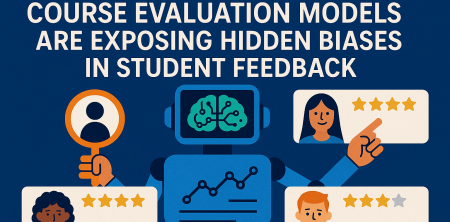
The landscape of education is undergoing a significant transformation, particularly in how we evaluate teaching effectiveness. Recent research has unveiled that machine learning can play a pivotal role in predicting course evaluation outcomes with remarkable accuracy. This study, which analyzed data from over 50,000 course evaluations across various universities, highlights the need for a reconsideration of traditional evaluation methods, exposing biases that educators and institutions have long overlooked.
Understanding the Study: A Snapshot
The research in question utilized interpretable regression models to predict outcomes of course evaluations. What stands out about this study is not just the accuracy of these predictions but also the revelations about the factors influencing student feedback. Surprisingly, the findings indicated that as much as 30% of negative evaluations were tied to non-academic factors, such as the instructor's gender or course timing, rather than the quality of teaching itself. This is a counterintuitive discovery that has ignited discussions among students, educators, and policymakers alike.
Why Traditional Course Evaluations May Be Flawed
For years, course evaluations have been used as a primary tool for assessing teaching effectiveness, leading to decisions about promotions, hiring, and curriculum development. However, the reliance on student feedback has come under scrutiny. Many argue that these evaluations can often reflect biases and external influences that have little to do with the actual quality of instruction. The recent findings suggest that biases in course evaluations can undermine fairness in educational assessments, leading to potential misjudgments about an instructor's capabilities.
The Role of Machine Learning in Education
Machine learning is revolutionizing various sectors, and education is no exception. By leveraging large datasets, machine learning models can identify patterns that may not be evident to human evaluators. The study's findings show that these models can detect biases better than traditional methods, providing a more nuanced understanding of course evaluation outcomes. As educators and institutions begin to adopt these technologies, the implications for teaching and learning could be profound.
What the Data Reveals: Unpacking the Findings
The study's analysis of over 50,000 course evaluations from multiple universities revealed several startling facts. One of the most significant revelations was the statistic indicating that 30% of negative ratings were not rooted in teaching quality. Instead, they were associated with external factors such as the instructor's gender or the timing of the course. This finding raises questions about the validity of current evaluation methods and whether they truly reflect an instructor's effectiveness.
Moreover, the fact that students may not consciously acknowledge these biases adds another layer of complexity. Often, feedback is given based on gut feelings or societal norms, rather than a critical assessment of teaching practices. By applying machine learning course evaluation techniques, institutions could gain insights that are more aligned with actual teaching performance, ultimately leading to better educational outcomes.
Viral Conversations: The Social Media Impact
As the findings from this study spread across social media platforms, they sparked heated debates among students and educators. Many took to Twitter, Facebook, and Instagram to express their views, share personal anecdotes, and question the status quo regarding course evaluations. The hashtag #FairEvaluations began trending as students and educators alike started to call for more equitable assessment methods.
This viral conversation has not only raised awareness about potential biases in evaluations but has also encouraged dialogue around the necessity of updating existing systems to reflect the diverse realities of the classroom. Institutions that fail to adapt to these new insights risk falling behind, both in terms of educational fairness and in maintaining a competitive edge in attracting top talent. (See: bias in college course evaluations.)
Institutional Response: The Push for Change
In light of these groundbreaking findings, universities are feeling the pressure to adapt. The fear of missing out has led many institutions to explore machine learning course evaluation tools, eager to implement systems that can provide more accurate assessments of teaching effectiveness. Institutions that adopt these predictive tools early may find themselves at a significant advantage when it comes to hiring practices, curriculum development, and maintaining student satisfaction.
Some universities have already begun to incorporate these approaches into their evaluation processes, with promising results. As more institutions join the movement, it will be crucial for them to share best practices and findings to refine these methods and ensure they are used ethically and effectively.
The Ethical Implications of Machine Learning in Education
While the potential benefits of machine learning course evaluations are significant, they also raise ethical concerns. For instance, if institutions rely too heavily on data-driven evaluations, can they adequately account for the qualitative aspects of teaching that numbers alone cannot capture? Moreover, what happens to instructors who may be unfairly evaluated due to biases embedded in the data?
As educational institutions consider implementing machine learning tools, they must remain vigilant about the ethical implications. This involves ensuring fairness and transparency in evaluation processes, as well as providing educators with support and resources to improve their teaching practices. Striking a balance between data-driven decision-making and the human elements of education will be essential in navigating this complex landscape.
The Future of Course Evaluations: A New Era
The advent of machine learning in course evaluations marks a turning point for educational assessment. With the ability to predict outcomes with impressive accuracy, these technologies could redefine how institutions approach teaching assessments. By identifying biases and enabling more equitable evaluations, machine learning can help foster an educational environment that prioritizes fairness and accountability.
As we move forward, educators, institutions, and policymakers must work together to develop robust frameworks that integrate machine learning into evaluation systems responsibly. This collaborative effort will be key to ensuring that these tools serve as a means to enhance educational quality rather than exacerbate existing inequalities.
Case Studies: Successful Implementations of Machine Learning in Course Evaluations
Several universities have taken the lead in pioneering machine learning applications for course evaluations, yielding encouraging outcomes. For instance, the University of California, Berkeley, initiated a project where machine learning algorithms analyzed past evaluation data to identify trends and biases. This project not only highlighted discrepancies in student feedback but also initiated targeted interventions that improved overall teaching effectiveness. By tailoring professional development workshops based on the insights derived from machine learning, faculty members reported a significant increase in student engagement and satisfaction.
Another noteworthy example comes from Georgia Tech, which utilized machine learning models to assess the impact of various teaching styles on student performance. By analyzing a wide array of data points, including attendance records, participation rates, and evaluation scores, the institution was able to create a feedback loop that allowed instructors to continuously adapt their teaching methodologies in real time. This proactive approach resulted in an increase in course completion rates, particularly in STEM fields, where student retention has historically been a challenge.
Comparing Traditional and Machine Learning Course Evaluations
When comparing traditional course evaluations to machine learning-enhanced evaluations, several key differences emerge. Traditional evaluations often rely on standard Likert-scale questions and open-ended feedback, which can be heavily influenced by student mood or external factors. In contrast, machine learning evaluations analyze a wider array of data—encompassing not only student feedback but also demographic information and contextual factors like time of day or course load. (See: education news and research.)
For example, traditional evaluations might suggest a decline in an instructor’s effectiveness based purely on student evaluations from a semester when several of those students were balancing multiple challenging courses. A machine learning approach, however, could contextualize that data and provide a more nuanced picture, factoring in external pressures and identifying patterns that suggest when students are most likely to rate courses harshly regardless of teaching quality.
Challenges of Implementing Machine Learning in Course Evaluations
Despite the benefits, implementing machine learning in course evaluations isn't without its challenges. One major hurdle is the quality and completeness of data. Many institutions may lack the infrastructure to collect the comprehensive datasets required for effective machine learning analyses. Poor data quality can lead to inaccurate predictions and could perpetuate existing biases.
Moreover, there's the challenge of interpreting machine learning outputs. Faculty and administrators must be trained to understand the results generated by these algorithms so they can make informed decisions. Without the proper training, there is a risk that stakeholders might misinterpret findings, leading to misguided policies or interventions.
Expert Perspectives on Machine Learning Course Evaluation
Experts in the field of educational technology underscore the importance of a balanced approach when integrating machine learning into course evaluations. Dr. Lena Kim, an educational researcher at Stanford University, notes, “While machine learning has the potential to illuminate biases and enhance evaluations, it’s vital that we don’t lose sight of the human element of teaching. Educators need support, not just metrics.”
Similarly, Dr. Raj Patel, a data scientist specializing in education analytics, emphasizes the need for transparency: “For machine learning to be effective in education, institutions must communicate clearly about how data is collected, analyzed, and used. Trust is paramount.”
Long-term Vision: Integrating AI and Machine Learning in Education
Looking ahead, the integration of AI and machine learning into education doesn't just stop with course evaluations. The future holds the potential for comprehensive systems that personalize learning experiences for students. Imagine a scenario where machine learning helps tailor course content to individual learning styles, predicting which materials will resonate most effectively with diverse student populations.
Such advancements could lead to a more adaptive educational environment where instructors receive not only feedback on their teaching but also actionable insights into student learning patterns. Institutions could leverage this data to refine curricula continuously and enhance student engagement and achievement.
FAQ: Machine Learning Course Evaluation
What is machine learning course evaluation?
Machine learning course evaluation refers to the application of machine learning techniques to analyze and predict student evaluations of courses and instructors. This may involve analyzing large datasets to identify patterns and biases that traditional evaluation methods might overlook. (See: machine learning in education.)
How does machine learning improve course evaluations?
Machine learning improves course evaluations by providing deeper insights into data patterns, identifying biases, and predicting evaluations with a greater degree of accuracy. It can help educators understand what factors influence student feedback beyond just teaching quality, allowing for more targeted improvements.
What types of biases can machine learning detect in course evaluations?
Machine learning can detect various types of biases, including those related to gender, race, age, and course timing. For instance, it may reveal that certain instructors receive more negative feedback due to their gender or that courses scheduled at inconvenient times receive poorer evaluations, irrespective of teaching quality.
Are there any risks associated with using machine learning for course evaluations?
Yes, there are risks. If institutions rely solely on machine learning outputs without considering qualitative factors, they may overlook the intricacies of effective teaching. Moreover, if the underlying data used for training models is biased, it could perpetuate existing inequalities in evaluations and adversely affect instructors’ careers.
How can institutions implement machine learning in their evaluation processes?
Institutions can start by collecting comprehensive data on course evaluations and associated factors such as demographics, course content, and timing. Then, they can collaborate with data scientists to develop models that analyze this data while ensuring ethical considerations and fairness are central to their evaluation processes.
What are the long-term benefits of adopting machine learning for course evaluations?
The long-term benefits include more accurate assessments of teaching effectiveness, reduced bias in evaluations, and improved educational outcomes for students. Additionally, institutions that effectively leverage these technologies can enhance their reputation and attract high-quality educators and students.
```
Trending Now
Frequently Asked Questions
How is machine learning used in course evaluations?
Machine learning is utilized in course evaluations by analyzing large datasets, such as student feedback, to predict outcomes with high accuracy. This approach helps uncover hidden biases that can affect evaluations, revealing that factors unrelated to teaching quality, like instructor gender or course timing, can significantly influence student feedback.
What biases exist in traditional course evaluations?
Traditional course evaluations may reflect biases based on non-academic factors, such as the instructor's gender or the timing of the course. Studies have shown that up to 30% of negative evaluations can stem from these biases rather than the actual quality of teaching, leading to unfair assessments of educators.
Why are traditional course evaluations considered flawed?
Traditional course evaluations are considered flawed because they often rely on subjective student feedback that can be influenced by biases and external factors. This reliance can lead to misjudgments about an instructor's capabilities and unfair consequences regarding promotions or hiring decisions.
What are the implications of machine learning findings on education?
The implications of machine learning findings on education include a potential overhaul of how teaching effectiveness is assessed. By exposing biases in traditional evaluations, these models suggest that educational institutions should reconsider their evaluation methods to ensure fairness and accuracy in assessing instructor performance.
How can machine learning improve fairness in education?
Machine learning can improve fairness in education by providing more accurate assessments of teaching effectiveness. By identifying patterns and biases in student feedback, these models can help institutions make informed decisions that are less influenced by external factors, ultimately leading to a more equitable evaluation process.
What's your take on this? Share your thoughts in the comments below — we read every one.

