```html
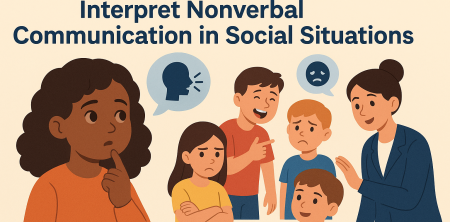
Understanding nonverbal communication is a crucial aspect of social interaction, especially for children as they navigate various social situations. Nonverbal cues—such as facial expressions, body language, and gestures—play a significant role in how messages are conveyed and interpreted. This guide explores effective strategies for teaching nonverbal communication for children, helping them to interpret these vital cues to enhance their social skills.
1. What is Nonverbal Communication?
Nonverbal communication encompasses all the messages that are conveyed without the use of words. This includes facial expressions, eye contact, posture, tone of voice, gestures, and even personal space. Studies indicate that a large portion of our communication—up to 93%—is nonverbal, highlighting its importance in conveying emotions and intentions.
For children, understanding nonverbal cues is essential as they often rely on these signals to learn about social interactions. For instance, a child may observe that a friend's crossed arms could indicate disinterest or discomfort, even if no words are spoken. Teaching children to recognize and interpret these signals can significantly improve their interpersonal skills.
2. The Importance of Nonverbal Communication in Childhood
Nonverbal communication is particularly important during childhood as it helps children develop essential social skills. It facilitates emotional expression, understanding others' feelings, and forming relationships. As children grow, they encounter diverse social settings—such as school, playdates, and family gatherings—where nonverbal signals can vary widely.
Helping children learn to read nonverbal cues can boost their confidence and improve their ability to engage with peers. For example, children who can accurately interpret a friend's smile or frown are more likely to respond appropriately, fostering positive interactions and friendships.
3. Recognizing Different Types of Nonverbal Cues
To teach children about nonverbal communication, it's essential to introduce them to the various types of nonverbal cues. These can be categorized into several groups:
- Facial Expressions: Different facial movements convey a range of emotions, from happiness to sadness. Encouraging children to mimic and identify facial expressions can enhance their understanding.
- Gestures: Hand movements or actions can express feelings or emphasize points. For instance, a thumbs-up generally indicates approval, while waving signifies greeting.
- Body Language: Posture and body orientation can indicate a person's attitude. Open postures often suggest receptiveness, while closed postures may indicate defensiveness.
- Eye Contact: The duration and intensity of eye contact can communicate interest or discomfort. Teaching children when to maintain or break eye contact is vital.
- Proxemics: Understanding personal space varies by culture. Children should learn to respect others' space while understanding their own comfort level.
By categorizing these cues, children can better recognize and interpret them in social situations, improving their communication skills.
4. Practical Strategies for Teaching Nonverbal Communication
Incorporating engaging and practical strategies can make learning about nonverbal communication enjoyable for children. Here are some effective methods:
- Role-Playing: Create scenarios where children can practice using and interpreting nonverbal cues. For example, have them act out different emotions and guess the feelings of their peers.
- Observation Games: Encourage children to watch people in public settings, such as parks or cafes, and discuss the nonverbal cues they observe. This can help them connect theory with real-life situations.
- Emotion Charades: Play a game where children act out emotions without speaking, allowing others to guess the emotion based on nonverbal cues.
- Storytelling: While reading stories, pause to discuss characters' expressions and body language. This aids in building comprehension of nonverbal signals within narrative contexts.
Using these interactive methods can make learning about nonverbal communication for children both effective and enjoyable.
5. Encouraging Self-Awareness
Teaching children about their own nonverbal signals is equally important. Self-awareness helps them understand how they are perceived by others, which can impact their social interactions. Encourage children to reflect on their body language, facial expressions, and tone of voice.
One way to promote self-awareness is through video recordings. Capture moments where they interact with friends or family, and later review these videos together. Discuss their nonverbal cues and how they may have influenced the interaction. This not only fosters insight into their own behavior but also enhances empathy for others. (See: CDC resources on nonverbal communication.)
6. Building Empathy Through Nonverbal Communication
Empathy is a crucial skill that allows children to relate to others' feelings. Nonverbal communication is a significant component of empathy, as understanding another's emotional state often relies on interpreting their nonverbal cues. Teaching children to recognize and respond to these signals can foster deeper connections with peers.
Activities that focus on empathy, such as volunteering or engaging in group discussions about feelings, can help children practice interpreting nonverbal signals in a supportive environment. For example, when discussing a situation where a friend feels sad, encourage children to consider how they would want to be comforted based on the friend's nonverbal cues.
7. The Role of Culture in Nonverbal Communication
Nonverbal communication varies significantly across cultures, making it important for children to understand these differences. What may be considered friendly body language in one culture could be perceived as disrespectful in another. Teaching children about cultural nuances in nonverbal communication can prepare them for diverse social interactions.
Introduce children to different cultures through stories, movies, or community events. Discuss how nonverbal communication differs, such as varying gestures, eye contact norms, and personal space preferences. This awareness can help children navigate multicultural environments with greater sensitivity and understanding.
8. Using Technology to Enhance Learning
In today's digital age, technology offers unique opportunities to teach children about nonverbal communication. Various apps and online resources focus on social skills and emotional intelligence, providing interactive platforms to practice these skills. For instance, apps that involve social scenarios can help children learn to recognize nonverbal cues in a fun and engaging way.
Video games that emphasize teamwork and emotional interactions can also serve as tools for learning. Encourage children to discuss the characters' nonverbal signals during gameplay, reinforcing their ability to interpret cues in virtual environments that reflect real-life social interactions.
9. The Impact of Nonverbal Communication on Social Skills
Strong nonverbal communication skills can have a lasting impact on children’s social abilities. Children who are adept at interpreting and using nonverbal cues are often more successful in building friendships, collaborating with peers, and navigating group dynamics. These skills contribute to overall emotional intelligence and can influence academic and personal success.
Fostering these skills from a young age lays the groundwork for confident, empathetic adults. As children learn to communicate effectively, they develop a sense of self-awareness and adaptability that serves them throughout their lives.
10. Conclusion: The Road Ahead for Teaching Nonverbal Communication
Teaching children to interpret nonverbal communication is an invaluable endeavor that equips them with essential life skills. By focusing on recognition, self-awareness, empathy, cultural differences, and leveraging technology, parents and educators can create enriching experiences that make learning fun and effective. The ability to understand and use nonverbal cues will not only enhance their social interactions but also foster emotional intelligence, paving the way for fulfilling relationships and successful futures.
11. Deepening Understanding: The Science Behind Nonverbal Communication
Nonverbal communication is not just a matter of instinct; it’s deeply rooted in psychology and neuroscience. Research has shown that our brains are wired to process nonverbal signals almost instantaneously. This fast processing allows us to react to social cues without conscious thought. For children, this means that the ability to pick up on these cues can develop early, making it essential for caregivers and educators to nurture this skill.
Neuroscientific studies reveal that areas of the brain, such as the amygdala, play crucial roles in emotional responses and processing nonverbal cues. When children interact with peers, their brains are actively decoding emotions based on facial expressions and body language. Understanding this scientific backdrop can help parents appreciate the importance of teaching nonverbal communication, as they can see how it aligns with natural developmental processes.
12. The Benefits of Nonverbal Communication for Children with Special Needs
Nonverbal communication can be particularly beneficial for children with special needs, such as those on the autism spectrum. Many children with autism struggle with verbal communication, making nonverbal cues an essential tool for social interaction. Teaching these children to recognize and utilize nonverbal cues can enhance their ability to connect with others. (See: NIH on teaching communication skills.)
For instance, creating visual aids that represent different emotions through facial expressions can support understanding. Additionally, using gesture-based communication systems, like sign language, can empower nonverbal interaction. Simplifying nonverbal cues and providing clear examples can help children with special needs navigate social situations more effectively.
13. Statistics on Nonverbal Communication and Child Development
Statistics reveal the significance of nonverbal communication in developmental psychology. Studies indicate that children begin to express themselves nonverbally by the age of 6 months, utilizing gestures and facial expressions to communicate needs and emotions. Moreover, research from the University of California shows that children who are taught nonverbal communication skills tend to have higher self-esteem and better peer relationships. In fact, these children are 30% more likely to report positive interactions with peers than those who have not received such training.
Furthermore, a study conducted by the American Psychological Association found that children who are adept at interpreting nonverbal signals often perform better in academic settings, as they can better understand group dynamics and engage in collaborative learning.
14. Real-World Applications of Nonverbal Communication Skills
The ability to understand and use nonverbal communication extends beyond childhood and into adulthood, impacting various areas of life. In professional settings, nonverbal skills are critical during interviews, presentations, and networking events. For example, maintaining eye contact during an interview can convey confidence, while open body language can make a candidate appear more approachable.
Moreover, in personal relationships, being attuned to a partner's nonverbal cues can enhance communication and reduce misunderstandings. For example, recognizing when a partner is upset through body language can prompt a more sensitive response, fostering healthier relationships. Therefore, investing time in teaching children about nonverbal communication can have long-lasting benefits that extend into their future professional and personal lives.
15. Frequently Asked Questions about Nonverbal Communication for Children
What age should children start learning about nonverbal communication?
Children can begin learning about nonverbal communication as early as infancy, as they naturally express emotions through facial expressions and gestures. Formal teaching can start around preschool age when they begin socializing with peers more regularly.
How can parents model effective nonverbal communication?
Parents can model effective nonverbal communication by being aware of their own cues. For example, they should maintain eye contact while speaking, use open body language, and be mindful of their facial expressions to convey positivity and engagement.
Are there specific games or activities that promote nonverbal communication?
Yes! Games like charades, Pictionary, or emotion-based role-playing can be excellent for promoting nonverbal communication. These activities encourage children to express themselves without words and interpret the cues of others.
How does nonverbal communication differ from verbal communication?
Nonverbal communication relies on cues like body language, facial expressions, and gestures, whereas verbal communication uses spoken or written words. Nonverbal communication often conveys emotions and intentions more powerfully than words alone.
Can nonverbal communication impact academic performance?
Absolutely! Children who are skilled at interpreting nonverbal cues often excel in collaborative learning environments, as they can better navigate group dynamics and respond to peers' needs, contributing to a more effective learning experience.
16. Common Challenges in Teaching Nonverbal Communication
While teaching nonverbal communication to children is vital, it’s not without its challenges. Some children may struggle to recognize or interpret nonverbal cues due to various reasons such as developmental delays, learning disabilities, or simply lack of exposure to social interactions. Understanding these challenges can help parents and educators develop effective strategies to address them.
For instance, children with autism spectrum disorders may have difficulty reading social cues accurately. This means that they might misinterpret a friend's playful gesture as a sign of aggression. It’s crucial for parents to provide consistent, patient guidance while using visual aids or role-playing scenarios to help them learn.
17. Incorporating Nonverbal Communication in Everyday Life
To reinforce lessons in nonverbal communication, it's beneficial to integrate these teachings into daily life. Parents can point out nonverbal cues during family interactions or while watching television. For example, while watching a movie, they can pause and ask children how they think the characters feel based on their expressions and actions. This practice helps reinforce learning and makes it part of their natural observation skills.
Additionally, using everyday situations such as grocery shopping or park visits can provide opportunities to identify nonverbal communication in diverse settings. Discussing how people express emotions through body language in different scenarios can make learning more relatable.
18. The Future of Nonverbal Communication Education
As society continues to evolve, the methods of teaching nonverbal communication will also need to adapt. With the rise of digital communication, understanding nonverbal cues in online interactions is becoming increasingly important. Teaching children to recognize nonverbal signals in digital formats, such as emojis or the tone of written messages, is essential for their social development.
Moreover, incorporating lessons on how to communicate effectively in a virtual environment, such as maintaining eye contact during video calls or using appropriate gestures, will prepare children for future social interactions that may be increasingly digital.
19. Supportive Resources for Parents and Educators
To support the teaching of nonverbal communication, a variety of resources are available for parents and educators. Books such as "The Whole-Brain Child" by Daniel J. Siegel and Tina Payne Bryson offer insights on child development and communication. Online platforms like social skills workshops and educational videos can also provide valuable tools for effective teaching.
Additionally, engaging with local community programs that focus on social skills can offer hands-on opportunities for children to practice nonverbal communication in a guided environment. Connecting with professionals, such as speech therapists or child psychologists, can provide further tailored strategies to help children improve their nonverbal communication skills.
```
Trending Now
Frequently Asked Questions
What are examples of nonverbal communication?
Examples of nonverbal communication include facial expressions, body language, gestures, eye contact, posture, tone of voice, and personal space. These cues convey emotions and intentions without the need for words, making them essential in social interactions.
Why is nonverbal communication important for children?
Nonverbal communication is crucial for children as it helps them develop social skills, understand emotions, and form relationships. By learning to interpret nonverbal cues, children can engage more effectively with peers and navigate various social situations.
How can I teach my child about nonverbal communication?
You can teach your child about nonverbal communication by using role-playing, discussing different facial expressions and body language, and encouraging them to observe interactions around them. Practicing these skills in real-life situations can also enhance their understanding.
What role does body language play in communication?
Body language plays a significant role in communication as it conveys feelings and attitudes without spoken words. It includes gestures, posture, and movements that can indicate openness, confidence, or discomfort, helping others interpret a person's emotional state.
How does nonverbal communication affect social skills?
Nonverbal communication significantly impacts social skills by enabling individuals to interpret emotions and intentions. Children who understand nonverbal cues are better equipped to respond appropriately in social situations, leading to improved interactions and stronger relationships.
What did we miss? Let us know in the comments and join the conversation.

