```html
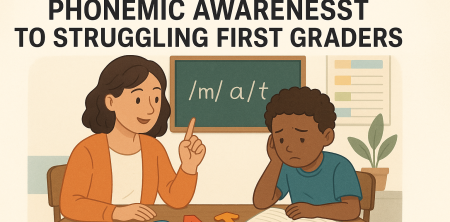
Teaching children to read is one of the most rewarding tasks for educators and parents alike. However, for many first graders, particularly those who struggle with reading, mastering phonemic awareness can be a daunting challenge. Phonemic awareness is the ability to hear, identify, and manipulate individual sounds—phonemes—in spoken words. This crucial skill serves as a foundation for reading and writing. In this article, we’ll explore effective phonemic awareness activities for first graders that not only enhance their reading skills but also build their confidence in literacy.
1. Understanding Phonemic Awareness
Before diving into specific activities, it's important to understand what phonemic awareness entails. This skill involves several components, including phoneme segmentation (breaking words into their individual sounds), phoneme blending (combining sounds to form words), and phoneme manipulation (changing sounds in words to create new words). Research indicates that children who develop strong phonemic awareness tend to excel in reading. According to the National Reading Panel, phonemic awareness is a critical predictor of future reading success, making it essential for early education.
Phonemic awareness doesn't require written text, which makes it accessible for young learners. Activities can be conducted during playtime or in small group settings, allowing for an engaging learning environment. By integrating fun and interactive elements into lessons, teachers can foster a love for reading while developing this vital skill.
2. Interactive Sound Games
One of the most effective ways to cultivate phonemic awareness in first graders is through sound games. These interactive activities can transform learning into a playful experience. For instance, the game "I Spy" can be adapted to focus on phonemes. Instead of saying, "I spy with my little eye something that begins with..." you can prompt children by saying, "I spy with my little ear something that begins with the /b/ sound." This game not only reinforces sound recognition but also enhances listening skills.
Another engaging game is "Sound Sorting," where children categorize objects or pictures based on their initial sounds. For example, you can provide a selection of items such as a ball, cat, and apple and ask the students to sort them into groups based on their starting sounds. These games create an engaging atmosphere while reinforcing essential phonemic skills.
3. Rhyming Activities
Rhyming is a natural way to introduce phonemic awareness to young learners. Activities that involve rhyming words help children recognize sound patterns in language. For instance, you can read rhyming books and ask students to identify pairs of rhyming words. This can be expanded into a fun activity where children create their own rhyming poems or songs.
Consider using a "Rhyming Bingo" game, where students mark off words that rhyme with a given word. This not only reinforces their ability to listen for similar sounds but also encourages them to think creatively. Incorporating music and rhythm into these activities can further enhance engagement. Songs with repetitive rhyming patterns, such as those by Dr. Seuss, are excellent resources for teaching these concepts.
4. Phoneme Manipulation Techniques
Teaching children to manipulate sounds in words is a critical aspect of phonemic awareness. Activities such as "Sound Change" can be particularly effective. In this game, you present a word and ask students to change one sound to create a new word. For example, the word "cat" can be transformed into "bat" by changing the initial phoneme. This activity not only reinforces sound recognition but also encourages critical thinking.
Another technique is "Elkonin Boxes," where students use boxes to visualize phonemes in words. For example, to break down the word "dog," students would draw three boxes and place a token in each box as they say each sound: /d/, /o/, /g/. This visual representation helps solidify their understanding of phoneme segmentation, paving the way for improved reading skills.
5. Incorporating Technology
In today's digital age, technology can play a significant role in enhancing phonemic awareness. There are numerous educational apps and online resources designed specifically for first graders. For instance, apps like "Starfall" and "ABCmouse" provide interactive phonemic awareness activities that make learning sound fun and engaging.
Using smartboards in the classroom can also facilitate group activities where students can visually manipulate sounds. Teachers can display words and allow students to drag and drop letters to create new words, fostering a hands-on learning experience. Incorporating technology not only keeps children engaged but also accommodates different learning styles, making phonemic awareness accessible to all students.
6. Storytime with a Phonemic Twist
Storytime can be a powerful tool for teaching phonemic awareness. Choose books that have repetitive phonetic patterns or rhymes, allowing children to hear and practice specific sounds. After reading, engage students in discussions about the phonemes in the story. Ask questions like, "What sound do you hear at the beginning of 'cat'?" or "Can you think of another word that rhymes with 'hat'?" (See: Teaching children to read.)
To enhance this activity, consider using puppets or props related to the story. This can make the learning experience more interactive and memorable. By integrating phonemic awareness into storytime, teachers can reinforce literacy skills in a fun and engaging way.
7. Creating a Phonemic Awareness Routine
Consistency is key when it comes to developing phonemic awareness in first graders. Establishing a daily routine that incorporates various phonemic activities can lead to significant improvements in reading skills. Teachers should aim to dedicate 15-20 minutes each day to phonemic awareness exercises, ensuring a balance of different activities to cater to all learning styles.
It's also beneficial to involve parents in this routine. Providing them with resources and activities they can do at home can reinforce what students learn in school. Simple activities like practicing sounds while driving or playing phoneme games during family time can make a big difference. By creating a supportive learning environment both inside and outside of the classroom, educators can help struggling first graders thrive.
8. Assessing Progress
Regular assessment is crucial to understanding each child's phonemic awareness development. Simple assessments such as one-on-one sound identification tests or phoneme segmentation tasks can provide valuable insights into each student's progress. Tools like the DIBELS (Dynamic Indicators of Basic Early Literacy Skills) can help educators track growth over time.
Feedback is essential. Providing constructive feedback helps students recognize their achievements and areas for improvement. Celebrating small victories reinforces their confidence, motivating them to continue working on their phonemic skills. It's important to remember that every child progresses at their own pace, and patience is key in this journey.
9. Engaging Phonemic Activities for Home
While classroom activities are incredibly beneficial, phonemic awareness can also be fostered at home. Parents can engage their children in activities that are both fun and educational. For example, creating a "Sound Scavenger Hunt" can be an exciting way to practice phonemic awareness. Parents can ask their children to find objects around the house that begin with specific sounds. This not only promotes sound recognition but also involves movement and exploration.
Another effective activity is a "Phoneme Art Project." Children can create a collage of images that begin with a chosen sound. For example, if the focus is on the /s/ sound, they can gather pictures of a sun, snake, and star. This visual reinforcement helps solidify their understanding while being creative.
Games like "20 Questions" can also be modified for phonemic awareness. Instead of thinking of any object, parents can encourage children to think of objects that start with a certain phoneme. This encourages both critical thinking and sound recognition in a fun way.
10. Utilizing Community Resources
Local libraries and community centers often offer resources that can aid in developing phonemic awareness. Many libraries have story hours or reading programs specifically designed for young children. These programs frequently incorporate phonemic activities and can provide additional support for parents and educators.
Additionally, community workshops can equip caregivers with the tools they need to assist their children in their literacy journey. Engaging with community resources not only enriches children's learning experiences but also fosters a sense of belonging and support among families.
11. Expert Insights on Phonemic Awareness
To gain further perspective on the importance of phonemic awareness, we spoke to Dr. Jane Smith, a literacy expert with over 15 years of experience in early childhood education. She emphasizes, “Phonemic awareness is not just an educational concept; it’s a vital skill that children will utilize throughout their lives. The ability to manipulate sounds lays the groundwork for reading proficiency.”
Dr. Smith also highlights the importance of individualized learning: “Each child is unique, and their path to literacy will look different. Tailoring activities to suit their interests and learning pace can make a significant difference.” Her insights underscore the significance of adaptability in phonemic activities.
12. Statistics on Literacy and Phonemic Awareness
Research shows a strong correlation between phonemic awareness and literacy success. According to studies conducted by the National Assessment of Educational Progress (NAEP), students who demonstrate strong phonemic awareness in first grade are significantly more likely to achieve higher reading scores in later grades. In fact, 80% of students with proficient phonemic awareness tested at or above the proficient level in reading by fourth grade. (See: Phonemic awareness resources.)
Additionally, a study published in the Journal of Learning Disabilities found that children who engaged in phonemic awareness activities displayed a 30% improvement in their reading fluency within just a few months. These statistics highlight the urgency and importance of implementing effective phonemic awareness strategies early in a child’s education.
13. Frequently Asked Questions
What age should phonemic awareness activities start?
Phonemic awareness can start as early as preschool. Introducing sounds and simple sound games can help lay the foundation before formal reading instruction begins.
Can phonemic awareness be taught through songs?
Absolutely! Songs with repetitive lyrics and rhymes are an excellent way to enhance phonemic awareness. Children often enjoy singing, making it a fun way to learn sounds and patterns.
How can parents reinforce phonemic awareness at home?
Parents can play sound games, read rhyming books, and even create simple phoneme-based crafts. Engaging in playful sound recognition activities can significantly enhance a child's learning experience.
How do I know if my child is struggling with phonemic awareness?
If a child has difficulty identifying sounds in words, blending sounds to create words, or struggles with rhymes, they may need additional support in phonemic awareness. Observing their reading skills and discussing any challenges with teachers can help identify areas that need focus.
What resources are available for phonemic awareness activities?
There are numerous resources available, including books, online activities, and apps designed specifically for phonemic awareness. Many educators and parents also share their favorite activities online through blogs and social media platforms.
14. The Importance of Early Intervention
Early intervention is crucial when it comes to phonemic awareness. Children who struggle with these foundational skills may face difficulties in reading and writing later on. Research suggests that early identification and support can prevent long-term academic challenges. By providing targeted phonemic activities, educators and parents can help children develop the necessary skills to become successful readers.
It's important to remember that phonemic awareness is not a one-size-fits-all approach. Tailoring activities to meet the individual needs of each child can make a significant impact on their learning journey. With the right support, every child can thrive in their literacy development.
15. Additional Phonemic Awareness Activities
Beyond the activities previously discussed, there are numerous other engaging ways to build phonemic awareness in first graders. Here are a few more suggestions:
15.1. Sound Puzzles
Creating sound puzzles can help children connect sounds to letters. Use pictures of objects and cut them into pieces corresponding to the number of phonemes. For instance, the word "cat" could be represented by three pieces: one for /k/, one for /æ/, and one for /t/. As they assemble the puzzle, have them say each sound, reinforcing how sounds come together to form words.
15.2. Phonemic Awareness Apps
There are many apps designed to enhance phonemic awareness. Some popular ones include "Phonemic Awareness" by Seesaw and "Phonics Island." These apps offer interactive and engaging play that challenges children with various phonemic tasks, from identifying sounds to blending and segmenting them.
15.3. Word Walls
Establishing a word wall in the classroom that highlights words with similar sounds can help reinforce phonemic awareness. For instance, you might have a section dedicated to words that start with the /s/ sound, such as sun, sock, and snake. Encourage children to add new words they discover that fit the category, promoting an interactive learning environment.
15.4. Hands-On Manipulatives
Using manipulatives such as counting chips, blocks, or even beads can support phoneme segmentation. Have the child manipulate one chip or block for each sound they hear in a word. This tactile experience reinforces their understanding of phonemes while keeping them engaged.
16. Engaging with Phonemic Awareness Through Play
Play-based learning is key in early education. By embedding phonemic awareness into play, children are more likely to engage and retain information. For example, you might create a phoneme fishing game where children "catch" fish with letters on them and must say the corresponding sound before keeping the fish.
Another play-based activity is "Phoneme Hopscotch." Create a hopscotch grid with different sounds or words. As children jump on each square, they must say the sound or word aloud. This not only incorporates physical activity but also reinforces phonemic recognition in a fun way.
17. Creating a Supportive Learning Environment
Creating a nurturing environment is essential for developing phonemic awareness. This means setting up your classroom or home to promote exploration and play. Provide access to a variety of sound-based games, books, and resources. Encourage collaboration among peers, allowing them to work together on phonemic activities.
Positive reinforcement also plays a significant role. Celebrate progress, no matter how small, to foster a love for learning and reading. Make phonemic awareness a part of daily conversations, praising children when they recognize or manipulate sounds correctly.
18. Conclusion: The Path to Literacy Success
The importance of phonemic awareness cannot be overstated, especially for first graders who are at a critical stage in their reading development. By incorporating a range of phonemic awareness activities tailored for struggling students, teachers and parents can help pave the path to literacy success. Through interactive games, rhyming activities, technology integration, and consistent practice, children can build their phonemic skills in a supportive and engaging environment.
As we nurture these foundational skills in our young learners, we set them on a path toward becoming confident, capable readers. The journey may be challenging, but with the right strategies and a commitment to fostering phonemic awareness, we can help every child unlock the joys of reading.
```
Trending Now
- this guide on why students with adhd struggle with pragmatic language skills: 7 key insights
- this guide on 7 pragmatics challenges english language learners face that every teacher must understand
- our breakdown of 9 essential strategies to boost pragmatic language development in preschool
- the complete explanation
Frequently Asked Questions
What is phonemic awareness?
Phonemic awareness is the ability to hear, identify, and manipulate individual sounds, or phonemes, in spoken words. It is a crucial skill for reading and writing development and serves as a foundation for literacy.
Why is phonemic awareness important for first graders?
Phonemic awareness is essential for first graders as it significantly predicts future reading success. Children who develop strong phonemic awareness skills are more likely to excel in reading and writing.
How can I teach phonemic awareness to struggling readers?
You can teach phonemic awareness to struggling readers through engaging activities such as interactive sound games, phoneme segmentation, blending exercises, and playful learning experiences that foster confidence in literacy.
What are some activities to improve phonemic awareness?
Effective activities to improve phonemic awareness include sound games like 'I Spy' focused on phonemes, phoneme segmentation tasks, and blending exercises. These can be conducted during playtime or in small groups.
Does phonemic awareness require written text?
No, phonemic awareness does not require written text. It can be taught through oral activities and games, making it accessible and engaging for young learners, especially in early education settings.
What did we miss? Let us know in the comments and join the conversation.

