```html
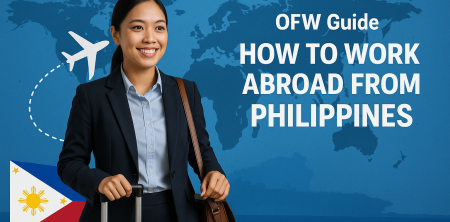
For many individuals in the Philippines, the dream of working abroad is more than just an aspiration; it’s a vital opportunity for economic advancement and personal growth. The Overseas Filipino Worker (OFW) program has allowed countless Filipinos to find employment overseas, sending remittances back home that significantly boost the local economy. If you’re considering this journey, this comprehensive guide will provide you with essential information on how to successfully work abroad from the Philippines.
1. Understanding the OFW Landscape
Before diving into the specifics of working abroad, it’s crucial to grasp the context of being an OFW. The Philippine government actively promotes overseas employment as a means to combat poverty and unemployment. According to the Philippine Statistics Authority, millions of Filipinos work in various countries, with reports indicating that remittances have consistently contributed to about 10% of the country's GDP.
This landscape is supported by several government agencies, including the Department of Labor and Employment (DOLE) and the Overseas Workers Welfare Administration (OWWA). These institutions provide various services, including assistance in job placement, legal advice, and welfare programs, ensuring that OFWs are well-supported during their time abroad.
2. Identifying Your Skill Set
Your journey to work abroad from the Philippines begins with a thorough understanding of your skills and qualifications. The demand for specific professions varies by country and region. Popular fields for OFWs include healthcare, information technology, engineering, and hospitality. It’s essential to assess where your skills align with international job markets.
Consider taking skill assessment tests or courses to enhance your qualifications. Websites like JobStreet and LinkedIn can help you identify in-demand skills in your target country. Additionally, networking with professionals who have experience working abroad can provide valuable insights into what employers are seeking.
3. Researching Potential Destinations
Once you've identified your skills, the next step is to research the best destinations for your profession. Various countries have different labor laws, cultural norms, and living conditions, all of which can significantly impact your experience as an OFW. Popular destinations for Filipinos include the Middle East, the United States, Canada, and countries in Europe and Asia.
Look into the specifics of working in these destinations, such as salary ranges, work conditions, and the rights of foreign workers. Government resources like the Philippine Overseas Employment Administration (POEA) provide guidelines and updates on labor policies in different countries, ensuring you’re well-informed before making your move.
4. Finding Legitimate Job Opportunities
In the digital age, job hunting has become more accessible yet more complicated due to the presence of scams. It’s crucial to seek legitimate job opportunities to avoid falling victim to fraudulent schemes. Utilize reputable job portals such as POEA’s official website, JobStreet, and Indeed, where you can find verified job listings.
Additionally, consider engaging with recruitment agencies that are licensed and accredited by the Philippine government. These agencies can help streamline the application process and provide support in securing work visas, contracts, and other necessary documentation.
5. Preparing Your Documentation
Having the right documents is critical when planning to work abroad from the Philippines. Essential documents typically include a valid passport, employment contract, visa, and various certifications related to your profession. For certain fields, such as nursing or engineering, you may need to secure additional licenses or credentials recognized in your target country.
Make sure to check the specific documentation requirements for the country you’re interested in. Engaging with the consulate or embassy of your target destination can provide clarity on the necessary steps. Starting early in gathering these documents can help you avoid last-minute delays.
6. Understanding Labor Laws and Rights
Every country has its own set of labor laws, and understanding them is essential for protecting your rights as a worker. Familiarize yourself with the regulations regarding work hours, minimum wage, health benefits, and termination policies in your chosen destination. Many countries provide protections for foreign workers, but these can vary significantly.
Joining organizations or unions that advocate for the rights of foreign workers can be beneficial. They can provide you with resources and support should you encounter workplace issues. Additionally, your local Philippine embassies can often assist OFWs by providing legal aid and advice based on the laws applicable in your host country.
7. Cultural Adaptation and Integration
Working abroad means immersing yourself in a new culture, which can be both exciting and challenging. Understanding cultural norms and practices is crucial for a smooth transition. This might include learning about workplace etiquette, communication styles, and social customs in your host country.
Consider taking cultural orientation classes offered by local organizations or online platforms. These can equip you with the skills needed to communicate effectively with colleagues and adapt to your new environment. Additionally, joining expatriate groups can provide a support network of fellow Filipinos who can share their experiences and advice.
8. Financial Planning and Remittances
Financial planning is a critical aspect when you work abroad from the Philippines. Create a budget that considers your salary, living expenses, and savings. It’s also wise to send remittances back home. This not only supports your family but can also contribute to your financial goals. working in Japan guide offers useful background here.
Consider using reliable remittance services to send money back home. Options like bank transfers, mobile wallets, or established remittance companies offer various fees and processing times. Be sure to compare these services to find the most economical and efficient option for your needs.
9. Staying Connected with Home
Maintaining connections with family and friends back home is crucial for emotional well-being while working abroad. Regular communication through video calls, messaging apps, and social media can help bridge the distance. It’s important to establish a routine that allows you to stay engaged with your loved ones, which can alleviate feelings of homesickness.
Additionally, consider creating a schedule for visits when possible. Planning trips back home can give you something to look forward to and strengthen your family bonds. Remember, maintaining your mental health is just as important as succeeding in your professional life.
10. Health and Insurance Considerations
When you work abroad from the Philippines, securing health insurance is vital. Different countries have various healthcare systems, and access to services can differ greatly. Before leaving, check if your employer provides health insurance and what coverage is included. If not, consider purchasing private health insurance that meets the regulations of your destination.
It's also essential to stay updated with vaccinations and health requirements for the country you’re moving to. Some nations may require specific immunizations, so be proactive in scheduling appointments with your healthcare provider. Having a solid health plan can prevent unexpected expenses and give you peace of mind while working abroad.
11. Building a Local Network
Establishing a network in your host country can play a significant role in your professional and personal life. Engage with local communities and organizations where you live. This could include attending networking events, joining professional associations, or participating in social groups. Building relationships with locals can provide support, job leads, and insights into navigating the local culture and job market.
Social media platforms like Facebook and LinkedIn are great tools for connecting with other expatriates and professionals in your field. You’ll find groups specifically for Filipinos abroad that share experiences, tips, and even job postings. These networks can help you settle into your new life and create lasting friendships.
12. Understanding Tax Implications
Working abroad comes with various tax responsibilities that you must be aware of. Different countries have different laws regarding taxation for foreign workers. Some countries may tax your income, while others might have agreements with the Philippines to avoid double taxation.
It's crucial to consult with a tax professional familiar with international taxation to understand your obligations. Ensure that you keep records of your earnings and any taxes paid to avoid issues later on. Being informed about your tax responsibilities can save you from unexpected financial liabilities.
13. Preparing for Challenges
While the prospect of working abroad is exciting, it’s essential to prepare for potential challenges. You might face language barriers, cultural differences, workplace expectations, or even homesickness. Acknowledging these possibilities can help you devise strategies to cope with them.
For instance, if language is a barrier, consider enrolling in language courses to improve your communication skills. Many communities offer free or low-cost classes that can enhance your ability to interact with locals and colleagues. Being proactive about these challenges can lead to a smoother transition and a more fulfilling experience abroad.
14. FAQs About Working Abroad from the Philippines
What are the most common jobs available for Filipinos abroad?
Common jobs for Filipinos include roles in healthcare (nurses, caregivers), engineering, hospitality (chefs, hotel staff), construction, and information technology. The demand often varies by country and can change based on economic factors.
How do I find a reputable recruitment agency?
To find a reputable agency, look for those accredited by the Philippine Overseas Employment Administration (POEA). You can check their website for a list of licensed agencies and read reviews from other OFWs to gauge their credibility.
What should I do if I encounter problems while working abroad?
If you face any issues, it's crucial to reach out to your employer first to address the problem. If that doesn’t resolve it, contact your local Philippine embassy or consulate for assistance. They can provide legal support and advice based on your situation.
How can I send money back home safely?
Use reputable remittance services such as Western Union, MoneyGram, or bank transfers. Check their fees and processing times to find the best option. Many online platforms also allow you to send money directly to bank accounts or mobile wallets in the Philippines.
What should I do to stay informed about changes in labor laws in my destination country?
Stay connected with your employer and local Philippine embassy or consulate. Subscribing to newsletters from labor organizations and following relevant online forums can also help you keep up-to-date with changes that may affect you.
15. Tips for a Smooth Transition
Transitioning to a new country can be a complex process, but there are practical steps you can take to make it more manageable. Start by immersing yourself in the local culture. This can include trying local foods, learning the language, and participating in cultural events. Engaging with the community can help you feel more at home and can lead to new friendships.
Also, consider setting personal goals for your time abroad. These can be professional, such as advancing in your job or learning new skills, or personal, like traveling to new places or picking up a hobby. Having goals can provide direction and motivation as you adapt to your new environment.
16. Exploring Career Advancement Opportunities
Working abroad can also be a stepping stone to greater career opportunities. Many companies value international experience and may offer promotions or better roles to employees who have worked abroad. Consider taking advantage of any professional development programs your employer offers. This could include training sessions, workshops, or certifications that can enhance your skills and marketability.
Networking isn’t just about making friends; it can also be a way to discover job openings or advancement opportunities within your field. Attend industry conferences, seminars, and local events to connect with professionals who can help guide your career path. You never know where these connections might lead!
17. Handling Homesickness
Feeling homesick when working abroad is normal. The distance from family and familiar surroundings can be tough, but there are strategies to ease this feeling. Create a routine that includes regular communication with loved ones. Set up weekly video calls to catch up, or share updates through social media. These small touches can make a big difference in how connected you feel.
It might also help to bring a piece of home with you. This could be a family photo, a symbol of your hometown, or traditional Filipino food that you can prepare. Surrounding yourself with reminders of home can provide comfort and help ease the transition.
18. Embracing Learning Opportunities
Working abroad offers a unique chance to learn and grow, both personally and professionally. Embrace every opportunity that comes your way. This might mean taking on new responsibilities at work or volunteering for projects that allow you to expand your skill set. Every experience is a chance to learn something new and can make you more competitive in your field.
Consider enrolling in courses related to your profession or even classes that explore local cultures, art, or history. This not only enriches your experience but also shows your commitment to integrating into your host country. See also TESDA courses for OFWs.
19. Understanding Visa Options
Visa requirements can greatly vary depending on your destination. It’s important to understand the specific visa type that applies to your job and circumstances. Some countries offer work visas that are tied to employment, while others may have visa categories for skilled workers or temporary workers.
Research thoroughly about the visa process, including any requirements for sponsorship by an employer. The Philippine Embassy or Consulate can provide detailed information on the necessary steps to secure the correct visa. Preparing your application early can help you navigate the complexities of international work regulations.
20. Final Thoughts on Working Abroad from the Philippines
In summary, working abroad from the Philippines can open numerous doors for personal and professional growth. By understanding the landscape, preparing adequately, and staying informed, you can navigate the journey successfully and make the most of this transformative experience. Always be proactive, seek support when needed, and embrace the opportunities that come your way.
```
Trending Now
Frequently Asked Questions
What is the OFW program in the Philippines?
The Overseas Filipino Worker (OFW) program is a government initiative that enables Filipinos to find employment abroad. It aims to combat poverty and unemployment by promoting overseas employment opportunities, allowing workers to send remittances back home, which significantly contributes to the Philippine economy.
How can I identify my skills for working abroad?
To identify your skills for working abroad, assess your qualifications and consider taking skill assessment tests. Research in-demand professions in your target country, focusing on fields like healthcare, IT, engineering, and hospitality. Websites like JobStreet and LinkedIn can help you understand the skills that are currently sought after.
What government agencies support OFWs?
Key government agencies that support Overseas Filipino Workers (OFWs) include the Department of Labor and Employment (DOLE) and the Overseas Workers Welfare Administration (OWWA). These agencies provide job placement assistance, legal advice, and welfare programs to ensure the well-being of OFWs while they work abroad.
How does working abroad benefit Filipinos?
Working abroad offers Filipinos the opportunity for economic advancement and personal growth. It allows them to earn higher wages compared to local jobs, send remittances that support their families, and gain valuable international work experience that can enhance their career prospects.
What are the popular fields for OFWs?
Popular fields for Overseas Filipino Workers (OFWs) include healthcare, information technology, engineering, and hospitality. The demand for these professions varies by country, so it's important for potential OFWs to research and align their skills with the job markets in their target destinations.
Agree or disagree? Drop a comment and tell us what you think.


0 Responses