```html
Understanding Peer Mediation Programs
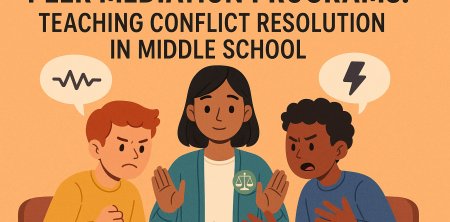
Peer mediation programs are structured initiatives designed to equip students with the skills needed to resolve conflicts amicably. By fostering a culture of communication and understanding, these programs empower students to take an active role in resolving disputes among their peers. The foundational principle of peer mediation lies in the belief that students can effectively address their conflicts without adult intervention, promoting self-advocacy and critical thinking skills.
The Origins of Peer Mediation
The concept of peer mediation emerged in the late 20th century as schools began to recognize the need for non-violent conflict resolution methods. Schools faced growing incidents of bullying, fighting, and disruptive behavior, which not only affected students' learning environments but also their emotional well-being. In response, educators and psychologists developed peer mediation as a proactive approach to conflict management. This approach encourages students to engage in dialogue and negotiation, rather than resorting to violence or exclusion.
Key Components of Peer Mediation Programs
Successful peer mediation programs typically incorporate several key components:
- Training: Students selected as peer mediators undergo rigorous training that covers communication skills, conflict resolution techniques, and ethical guidelines. This training is crucial for preparing them to handle various conflicts effectively.
- Confidentiality: Mediators must maintain confidentiality to create a safe environment where students feel free to express their issues without fear of judgment or retaliation.
- Neutrality: Peer mediators are trained to remain neutral and impartial, ensuring that all parties feel heard and respected during the mediation process.
- Supportive Environment: A successful peer mediation program fosters a supportive school culture, where students understand the importance of resolving conflicts and supporting one another.
Benefits of Implementing Peer Mediation Programs
The implementation of peer mediation programs in middle schools brings several benefits to students and the overall school environment:
- Reduction in Conflicts: Schools that have adopted peer mediation programs often report a significant decrease in conflicts and disciplinary incidents. When students have effective tools to manage disagreements, they are less likely to resort to fighting or bullying.
- Enhanced Communication Skills: Participating in mediation helps students develop essential communication skills, such as active listening, empathy, and assertiveness. These skills not only aid in conflict resolution but also benefit students in their interpersonal relationships.
- Improved Academic Performance: With fewer conflicts and a positive school climate, students are better able to focus on their studies. Research has shown that schools with successful peer mediation programs often see an uptick in academic performance.
- Empowerment and Confidence: By giving students the tools to handle conflicts, peer mediation programs empower them and boost their confidence. They learn to advocate for themselves and their peers, creating a sense of agency.
Implementing a Peer Mediation Program
Starting a peer mediation program in a middle school can be a rewarding yet challenging endeavor. Here’s a step-by-step guide to successfully implement such a program:
- Assess School Needs: Begin by assessing the specific conflict-related needs of the school community. Conduct surveys or focus groups to gain insights into students' perceptions of conflict and mediation.
- Engage Stakeholders: Involve teachers, administrators, parents, and students in the planning process. Their collective input will help shape a program that meets the unique needs of the school.
- Select and Train Mediators: Choose a diverse group of students to serve as peer mediators. Provide comprehensive training that covers communication skills, conflict resolution strategies, and ethical considerations.
- Promote Awareness: Once the program is in place, promote it throughout the school. Use posters, announcements, and assemblies to inform students about peer mediation and how to access it.
- Evaluate and Adjust: Regularly evaluate the effectiveness of the program by collecting feedback from students, mediators, and faculty. Make necessary adjustments to improve the program’s impact.
Challenges Faced by Peer Mediation Programs
While peer mediation programs offer numerous benefits, they are not without challenges. Here are some common obstacles schools might encounter:
- Student Buy-In: Gaining student interest and commitment can be difficult. Some students may be skeptical about the effectiveness of mediation or may not see the value in participating.
- Staff Support: The success of a peer mediation program often hinges on the support it receives from faculty and staff. Without their buy-in, it can be challenging to establish a culture of conflict resolution throughout the school.
- Resource Allocation: Implementing and maintaining a peer mediation program requires resources, including training materials, staffing, and ongoing support. Schools with limited budgets may struggle to provide these necessities.
Real-World Examples of Successful Peer Mediation Programs
Several schools and districts across the United States have successfully implemented peer mediation programs, demonstrating their effectiveness in conflict resolution: (See: CDC on peer mediation programs.)
- Los Angeles Unified School District: With its extensive peer mediation program, this district has seen a marked decrease in school violence. Students trained in conflict resolution are actively mediating disputes, leading to a more peaceful school environment.
- Chicago Public Schools: The Chicago Public Schools have adopted peer mediation initiatives that involve training students to resolve conflicts in a constructive manner. The program has improved student relationships and fostered a positive school culture.
- New York City Schools: In NYC, peer mediation programs have been credited with reducing suspensions and improving student behavior. The city's focus on restorative practices has been instrumental in creating a more supportive environment.
- San Francisco Unified School District: This district emphasizes peer mediation as a key element of its bullying prevention strategy. By integrating peer mediation into the school culture, they have witnessed a decline in aggressive behaviors and an increase in student collaboration.
The Role of Technology in Peer Mediation
As technology continues to evolve, it's also making its mark on peer mediation programs. Online platforms and communication tools can enhance the mediation process in several ways:
- Virtual Mediation Sessions: In some cases, schools are utilizing video conferencing tools to conduct mediation sessions. This approach can help reach students who might be hesitant to engage in person.
- Resource Sharing: Schools can create online repositories of training materials, conflict resolution resources, and success stories, making it easier for students and staff to access information about peer mediation.
- Increased Awareness: Social media platforms and school websites can be effective tools for promoting peer mediation programs, reaching a wider audience, and encouraging more students to participate.
- Mobile Apps: Some schools have developed or leveraged existing mobile applications to provide students with conflict resolution tips and resources at their fingertips, making it easier for them to access help when needed.
Current Relevance of Peer Mediation Programs
In an age where bullying and conflict are prevalent in schools, the relevance of peer mediation programs cannot be overstated. The recent surge in discussions about mental health and emotional well-being in educational contexts has heightened the focus on conflict resolution strategies. With the rise of digital interactions and social media, students face new challenges related to conflict, making peer mediation an essential tool for fostering healthy relationships.
According to a 2022 study published in the Journal of School Psychology, schools that implemented peer mediation programs reported a 30% reduction in bullying incidents. This statistic highlights the tangible benefits these programs can have on student interactions and overall school climate. As educators seek innovative ways to address these challenges, peer mediation programs stand out as a proactive and effective solution.
Integrating Peer Mediation into School Curriculum
Integrating peer mediation into the school curriculum can further enhance its effectiveness. By incorporating conflict resolution training into regular classes, schools can reinforce the skills learned in peer mediation programs. This integration can take several forms:
- Workshops and Seminars: Organizing workshops focused on conflict resolution techniques and communication skills can help all students develop these essential competencies. These workshops can be tailored to different age groups and learning styles.
- Role-Playing Activities: Engaging students in role-playing scenarios related to conflict can provide practical experience in handling disputes. These activities can help students practice the skills they learn in peer mediation and apply them in real-life situations.
- Service Learning Projects: Schools can implement service learning projects that involve students working together to address community conflicts or issues. This experiential learning approach fosters teamwork and reinforces the importance of constructive dialogue.
- Integration into Specific Subjects: Teachers in subjects like social studies or health can incorporate lessons on empathy, communication, and conflict resolution, making these essential life skills a part of the academic framework.
Statistics on the Effectiveness of Peer Mediation Programs
Numerous studies support the effectiveness of peer mediation programs in reducing conflict and promoting positive school climates. Here are some noteworthy statistics:
- A study from the National Center for School Engagement found that schools with peer mediation programs reported a 50% decrease in instances of bullying and violence.
- According to research conducted by the University of California, 70% of conflicts mediated through peer mediation resulted in mutually agreeable solutions.
- A survey by the American Psychological Association indicated that 88% of students who participated in peer mediation felt they had developed better conflict resolution skills.
- In a study published in the International Journal of Conflict Management, schools that adopted peer mediation programs saw a 25% increase in overall student satisfaction with their school experience.
- Furthermore, research conducted by the Center for Conflict Resolution demonstrated that 85% of students who participated in peer mediation reported feeling safer in their school environment.
Peer Mediation Programs Across Different Age Groups
While peer mediation is often associated with middle schools, it can be effectively implemented across different age groups. The approach may vary based on the developmental stage of the students:
- Elementary Schools: At this age, peer mediation programs focus on teaching basic conflict resolution skills through games and role-playing. Younger students learn to express their feelings and understand the perspectives of others in a playful environment.
- High Schools: In high school, peer mediation can tackle more complex conflicts, including those related to identity, relationships, and academic pressures. Peer mediators may engage in more in-depth training to handle these sensitive issues effectively.
- College and University Settings: Higher education institutions often adopt peer mediation programs to manage roommate conflicts, academic disputes, and campus disputes. These programs foster a sense of community and support among students navigating this transitional stage.
- Community Programs: Peer mediation isn’t limited to schools. Community centers and youth organizations can also implement these programs to help resolve conflicts among young people in various settings.
Expert Perspectives on Peer Mediation Programs
Experts in education and psychology emphasize the importance of peer mediation programs for fostering a positive school environment. Here are some insights from professionals in the field:
Dr. Susan Johnson, Educational Psychologist: "Peer mediation empowers students to take ownership of their conflicts and learn from them. It not only reduces incidents of violence but also promotes emotional intelligence among young people." (See: NIH on youth violence prevention.)
Mr. Michael Thompson, School Counselor: "When students have a dedicated space to resolve their conflicts, it creates a culture of respect and understanding. It's about teaching them that disagreements can be navigated peacefully."
Ms. Sarah Ling, Conflict Resolution Trainer: "Incorporating peer mediation into the school curriculum ensures that all students are equipped with essential life skills. It's about preparing them for a future in which they can handle challenges constructively."
Professor David Green, Conflict Resolution Expert: "The skills learned through peer mediation extend far beyond the classroom; they prepare students for real-world interactions, enhancing their ability to engage in civil discourse and work collaboratively."
Frequently Asked Questions About Peer Mediation Programs
What types of conflicts can peer mediation address?
Peer mediation can address a wide range of conflicts, including interpersonal disputes, bullying, misunderstandings among friends, and disagreements over schoolwork. The goal is to facilitate a peaceful resolution while teaching students valuable skills.
How are peer mediators selected?
Peer mediators are typically selected based on their communication skills, empathy, and willingness to help others. Schools often look for students who demonstrate leadership qualities and a positive attitude towards conflict resolution.
Do peer mediators receive ongoing training?
Yes, ongoing training is essential for peer mediators. Regular workshops and refresher courses can help them stay updated on conflict resolution techniques and enhance their skills.
How can parents support peer mediation programs?
Parents can support peer mediation programs by encouraging their children to participate and engaging in conversations about conflict resolution at home. They can also advocate for the program within the school community.
Are there any resources available for schools looking to implement peer mediation?
There are various resources available for schools, including online training programs, conflict resolution curricula, and organizations dedicated to promoting peer mediation. Consulting with local education agencies can also provide additional support.
How do peer mediation programs affect school climate?
Research indicates that peer mediation programs contribute to a more positive school climate by reducing incidents of violence, encouraging open communication, and fostering a sense of belonging among students. Schools that implement these programs often see increased student satisfaction and engagement.
Are peer mediation programs effective in high-stakes situations?
While peer mediation is beneficial for many conflicts, high-stakes situations involving serious issues like violence or criminal behavior may require professional intervention. Peer mediation can still play a role in de-escalating tensions, but it's important for adults to be involved in more severe cases.
The Future of Peer Mediation Programs
As we look to the future, the continued development and integration of peer mediation programs in middle schools appear promising. With a focus on equipping students with essential conflict resolution skills, these programs not only address immediate disputes but also prepare young people for their future interactions in a diverse and complex world. As schools strive to cultivate environments where all students can thrive, investing in peer mediation is not just a choice — it’s a necessity. By empowering students to manage their conflicts constructively, schools pave the way for a more peaceful, empathetic, and understanding society.
Potential Innovations in Peer Mediation
The landscape of education is continually evolving, and peer mediation programs are no exception. As schools adapt to new challenges, several innovations can enhance the effectiveness of these programs:
- Incorporating Mindfulness: Integrating mindfulness practices into peer mediation training can help students manage their emotions better and approach conflicts with a calmer demeanor. Mindfulness encourages presence and awareness, making conflict resolution more effective.
- Cultural Sensitivity Training: As schools become more diverse, training mediators to recognize and address cultural differences in conflict resolution is crucial. This training can help mediators navigate sensitive issues that may arise from differing cultural backgrounds.
- Peer Mediation Competitions: Hosting competitions where students can demonstrate their mediation skills could increase interest in the program. Such events can also highlight the importance of resolution and foster collaboration among students.
- Partnerships with Community Organizations: Schools can partner with local organizations that focus on conflict resolution and mediation. These partnerships can provide additional resources and expertise to enhance the peer mediation program.
```
Trending Now
- read the full story
- our breakdown of why students with adhd struggle with pragmatic language skills: 7 key insights
- 7 Pragmatics Challenges English Language Learners…
- 9 Essential Strategies to Boost Pragmatic Language Development in Preschool
- Unlocking Language: The Essential Differences Between Pragmatics, Semantics, and Syntax
Frequently Asked Questions
What is a peer mediation program?
A peer mediation program is a structured initiative in schools that trains students to resolve conflicts among their peers. These programs promote communication and understanding, allowing students to handle disputes without adult intervention, thus fostering self-advocacy and critical thinking.
How do peer mediation programs help students?
Peer mediation programs help students by equipping them with essential conflict resolution skills. They encourage dialogue and negotiation, reduce incidents of bullying and violence, and create a supportive school environment where students feel safe to express their issues.
What are the key components of peer mediation?
Key components of peer mediation programs include rigorous training for student mediators, confidentiality to ensure a safe space, neutrality to maintain fairness, and a supportive environment that encourages constructive conflict resolution among students.
When did peer mediation programs start?
Peer mediation programs began emerging in the late 20th century as schools sought non-violent methods to address rising incidents of bullying and disruptive behavior, recognizing the need for effective conflict management strategies among students.
What skills do students learn in peer mediation training?
Students in peer mediation training learn essential skills such as effective communication, negotiation techniques, conflict resolution strategies, and ethical guidelines, all of which prepare them to mediate disputes and foster a positive school culture.
What did we miss? Let us know in the comments and join the conversation.

