```html
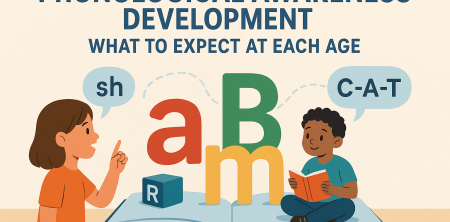
Phonological awareness development is a crucial aspect of early literacy skills, impacting how children learn to read and write. This skill set encompasses the ability to recognize and manipulate sounds in spoken language, making it foundational for literacy. Understanding phonological awareness development provides insights into what to expect at various stages of a child's growth. Let's explore this crucial concept, the milestones associated with it, and how caregivers and educators can support children in their phonological awareness journey.
Understanding Phonological Awareness
Phonological awareness refers to a child's ability to hear, identify, and manipulate sounds in spoken language. It includes skills like recognizing rhymes, counting syllables, and isolating sounds. This awareness is different from phonics, which involves the relationship between letters and sounds. In other words, phonological awareness is about the auditory recognition of sounds, while phonics deals with the visual representation of those sounds.
Research has consistently shown that strong phonological awareness is a predictor of reading success. For example, children who struggle with phonological tasks are more likely to experience difficulties when learning to read. Therefore, developing phonological awareness is essential for academic achievement.
The Phonological Awareness Development Stages
Children develop phonological awareness through several stages, often corresponding to their age. While every child is unique, general milestones can help guide parents and educators in supporting literacy development:
Age 2 to 3: The Early Explorers
At this age, children begin to explore sounds and rhythms. They might not yet grasp the concept of phonological awareness but will often mimic sounds they hear in their environment. Singing songs and nursery rhymes can spark their interest in phonological cues.
Key activities to enhance phonological awareness at this stage include:
- Singing songs with repetitive lyrics.
- Reading aloud to children and emphasizing rhyme and rhythm.
- Engaging in sound games, like animal sounds or clapping to the beat.
For instance, when reading to a child, emphasize the rhyming words by using a sing-song voice to capture their attention.
Age 4 to 5: Rhyme and Rhythm Recognition
By age four, most children can recognize and generate simple rhymes. They may enjoy listening to stories that incorporate playful language, and they begin to show interest in the sounds of words. During this period, their environment plays a crucial role in shaping their phonological awareness.
Parents can support their children's development by:
- Encouraging rhyming games, such as "I Spy" with rhyming words.
- Reading books that focus on rhyme and alliteration.
- Asking children to think of other words that rhyme with a given word.
For example, after reading Dr. Seuss's books, parents might ask, "Can you think of a word that rhymes with 'cat'?" This not only reinforces their understanding but also promotes engagement with language.
Age 5 to 6: Syllable and Sound Manipulation
As children enter kindergarten, their phonological awareness continues to refine. They begin to understand syllables and can clap out the number of syllables in words. This skill is crucial as it sets the foundation for decoding words later on.
Key practices to support phonological awareness during this age include:
- Clapping syllables in multisyllabic words.
- Playing sound manipulation games, like deleting or substituting sounds in words.
- Introducing alliteration and tongue twisters to highlight sound patterns.
For instance, engaging children in a game where they have to say "bat" without the initial sound can help them understand how sounds interact within words.
Age 6 to 7: Advanced Sound Awareness
At ages six and seven, children's phonological awareness becomes more complex. They begin to recognize individual sounds, or phonemes, within words. This is a critical stage as it directly correlates with their ability to read and spell.
To foster phonological awareness during this age, consider:
- Practicing phoneme segmentation, which involves breaking words into individual sounds.
- Playing games like "sound bingo" where children match sounds to pictures.
- Introducing early writing activities that focus on phonetic spelling.
For example, when asking children to spell a simple word, encourage them to listen for and write down the individual sounds they hear.
Factors Influencing Phonological Awareness Development
Several factors can influence a child's phonological awareness development. These include: (See: Phonological awareness and literacy development.)
Home Literacy Environment
The home environment plays a vital role in phonological awareness development. A print-rich environment, where children have access to books and other literacy materials, enhances their exposure to sounds and language. Regular reading sessions can significantly boost their phonological skills.
Parents who engage in storytelling and reading activities create a foundation for their children's literacy journey. Incorporating interactive stories where children can predict outcomes or contribute to the narrative can further foster phonological interest.
Quality of Early Education
Quality early education programs focus on phonological awareness development. Teachers trained in phonics and phonological skills can provide structured and effective instruction to children, ensuring they acquire essential literacy skills.
Early childhood programs that incorporate play-based learning with phonological games are particularly effective. These programs allow children to explore sounds in a fun and engaging context. Additionally, teachers who utilize music and rhythmic activities can significantly enhance children's phonological awareness.
Assessing Phonological Awareness
As children progress through various developmental stages, assessment becomes crucial to understanding their phonological awareness skills. Early identification of difficulties can lead to timely interventions that support literacy development.
Observational Assessments
Teachers and parents can utilize observational assessments to gauge a child's phonological awareness. For example, noting a child's ability to identify rhymes or clap out syllables during activities can provide valuable insights.
Keep an eye out for how children interact with sound. If they eagerly participate in rhyme games or can differentiate between similar-sounding words, these are positive indicators of their phonological awareness development.
Standardized Assessments
Standardized tests can also provide insights into a child's phonological awareness skills. Assessments like the Comprehensive Test of Phonological Processing (CTOPP) measure various aspects of phonological awareness and help identify children who may need additional support.
However, it's essential to supplement these assessments with observational data and teacher input to get a holistic understanding of a child's skills. Each child's learning journey is unique, and a singular test may not capture their complete abilities.
Supporting Children with Phonological Awareness Challenges
Some children may struggle with phonological awareness, which can hinder their reading and writing development. Identifying these challenges early enables caregivers and educators to provide targeted support.
Intervention Strategies
For children facing difficulties, intervention strategies can be beneficial. These might include:
- One-on-one reading sessions focusing on phonological tasks.
- Utilizing phonics programs designed to enhance phonological awareness.
- Incorporating technology, such as phonological awareness apps, into learning activities.
Tailoring the support to each child's needs is essential. Building confidence through positive reinforcement can also motivate children to engage with language and sounds.
Collaborating with Professionals
In some cases, consulting with reading specialists or speech-language pathologists may be necessary. These professionals can provide specialized assessments and strategies tailored to individual children's needs, ensuring they receive the support required to thrive.
Working together as a team—parents, educators, and specialists—ensures that children with phonological awareness challenges receive comprehensive support for their literacy development.
The Role of Technology in Phonological Awareness Development
The digital age has brought forth numerous tools and resources aimed at enhancing phonological awareness development. Technology can make learning more engaging and interactive, providing additional avenues for skill development.
Interactive Apps and Games
Several apps focus specifically on phonological awareness, offering fun, interactive games that promote sound recognition, rhyme identification, and phoneme manipulation. For example, apps that feature sound matching games or word-building activities can engage children in meaningful ways.
Parents can leverage technology to supplement traditional learning methods. By integrating educational apps into daily routines, children can reinforce phonological skills while enjoying screen time responsibly.
Online Resources and Communities
Online platforms offer a wealth of resources for parents and educators seeking to support phonological awareness development. Websites dedicated to early literacy often provide printable activities, lesson plans, and tips for at-home learning.
Additionally, social media groups and forums allow caregivers to connect with others facing similar challenges. Sharing experiences and resources can create a supportive community, fostering a collaborative approach to literacy development. (See: Phonological awareness resources from the U.S. Department of Education.)
The Future of Phonological Awareness Development
As educational methodologies evolve, understanding phonological awareness development remains at the forefront of early literacy instruction. The integration of research findings into classroom practices will continue to shape how educators approach teaching phonological skills.
Furthermore, as technology continues to advance, it presents exciting opportunities to enhance phonological awareness development in young learners. Educators who remain informed about the latest research and resources will be well-equipped to support children in their literacy journeys.
Ultimately, the goal is to ensure that every child can develop the phonological awareness necessary to become a confident, capable reader and writer. By fostering an environment rich in sound exploration and language play, we can lay a solid foundation for future literacy success.
Common Misconceptions about Phonological Awareness
As phonological awareness development has gained more attention in educational circles, several misconceptions have emerged. Understanding these can help parents and educators better support children's literacy development.
Phonological Awareness is the Same as Phonics
Many people mistakenly believe that phonological awareness and phonics are the same thing. While they are related, they serve different roles in literacy. Phonological awareness is an auditory skill; it involves hearing and manipulating sounds. Phonics, on the other hand, involves connecting those sounds to written letters. Both are essential, but they are distinct skills that develop in tandem.
Phonological Awareness is Not Important Until the Child is in School
Some parents may think phonological awareness is only necessary once a child starts formal education. However, research shows that early exposure to phonological activities can significantly improve reading readiness. Activities that promote phonological awareness can begin as early as infancy and can be integrated into everyday interactions.
Only Some Children Struggle with Phonological Awareness
It's a common belief that only children identified with learning disabilities face challenges with phonological awareness. In reality, many children, regardless of their overall academic abilities, can exhibit difficulties in this area. Early identification and intervention are crucial for all children, not just those who are already struggling in school.
Statistics on Phonological Awareness Development
Understanding the development of phonological awareness through statistics can shed light on its importance in early literacy. Here are some significant findings related to phonological awareness:
- Studies indicate that approximately 30% of children enter kindergarten without the necessary phonological awareness skills, placing them at risk for future reading difficulties.
- Research shows that children who receive phonological awareness instruction can improve their reading skills by up to 50% compared to those who do not receive such instruction.
- A longitudinal study found that children with strong phonological skills in preschool exhibited higher reading comprehension scores in the third grade, highlighting the long-term benefits of early phonological awareness development.
Expert Perspectives on Phonological Awareness
Experts in early childhood education and literacy emphasize the vital role of phonological awareness in a child’s development. Dr. Susan Brady, a leading researcher in literacy education, states, "Phonological awareness is like the foundation of a house; if it’s weak, everything built on top of it is at risk." This analogy underscores the importance of addressing phonological awareness early in a child's life.
Furthermore, Dr. Timothy Shanahan, a renowned literacy expert, notes, "Children who struggle with phonological awareness often face a cascade of difficulties in learning to read, making it crucial for educators to incorporate these skills into their teaching." His perspective reinforces the notion that interventions in phonological awareness can lead to improved educational outcomes.
Frequently Asked Questions (FAQ)
What is the difference between phonological awareness and phonemic awareness?
Phonological awareness is an umbrella term that encompasses several skills, including phonemic awareness. Phonemic awareness specifically refers to the ability to recognize and manipulate individual sounds (phonemes) in spoken words. In contrast, phonological awareness includes a broader range of skills, such as recognizing rhymes and counting syllables.
How can I assess my child's phonological awareness at home?
You can assess your child's phonological awareness by engaging in various activities. For example, ask them to clap for each syllable in a word, or have them identify words that rhyme with a given word. Observing their ability to play rhyming games and their responsiveness to sound-based activities can also provide insights.
Can phonological awareness be improved?
Yes, phonological awareness can be improved with targeted activities and instruction. Engaging in regular phonological games, reading aloud, and practicing sound manipulation exercises can significantly enhance these skills. Consistency and positive reinforcement play critical roles in support.
What role do parents play in phonological awareness development?
Parents play a pivotal role in their child's phonological awareness development by providing a print-rich environment, engaging in reading and sound games, and encouraging language play. By modeling enthusiasm for sounds and literacy, parents can foster a love of language that lasts a lifetime.
Are there specific resources for supporting phonological awareness?
Many resources are available to support phonological awareness development, including books, educational websites, and apps. Look for storybooks that emphasize rhymes, play-based learning tools, and online platforms that offer interactive sound games. Local libraries often have storytime sessions that focus on phonological skills, as well.
Tips for Encouraging Phonological Awareness at Home
Supporting phonological awareness development doesn’t have to be limited to school settings. Here are some practical tips for parents and caregivers to encourage this skill at home:
Create a Language-Rich Environment
Surround your child with a variety of spoken and written language. This includes reading books aloud, having conversations, and singing songs together. The more they hear different sounds and words, the more they can practice their phonological skills. (See: Impact of phonological awareness on reading.)
Use Everyday Moments
Incorporate phonological awareness into daily routines. For instance, while cooking, you might ask your child to clap the syllables in "banana" or identify rhyming words from a song playing in the background. These opportunities make learning feel fun and relevant.
Play Sound Games
Engage in games that focus on sounds, such as rhyming games, sound scavenger hunts, or sound sorting activities. For example, you might pick a sound and ask your child to find objects around the house that start with that sound. This reinforces their skills in a playful manner.
Utilize Storytelling
Encourage your child to tell their own stories. This not only enhances their language skills but also allows them to play with sounds and words. Ask them to create stories using characters, places, and events that involve rhyming or alliteration.
Monitor Progress and Celebrate Achievements
Keep track of your child's progress in phonological awareness. Celebrate their achievements, no matter how small. Positive reinforcement can motivate them to continue engaging with language and sounds.
The Importance of Early Intervention
Recognizing and addressing phonological awareness difficulties early on can have a tremendous impact on a child's educational trajectory. Research suggests that early intervention can prevent the development of more severe reading difficulties later on. Here are some reasons why early intervention matters:
Building Confidence
When children receive assistance early, they can build confidence in their abilities. This boost in self-esteem can encourage them to engage more fully in learning activities, making them more likely to succeed as they progress through school.
Reducing Long-Term Challenges
Children who struggle with phonological awareness may face ongoing challenges in reading and writing if not addressed promptly. Early intervention can help mitigate these lasting impacts, leading to better outcomes in literacy and overall academic performance.
Creating Effective Learning Strategies
By identifying phonological awareness challenges early, educators can tailor strategies to support individual learners. This customization enables children to develop effective learning techniques that suit their unique needs, promoting a more engaging learning experience.
Community Resources for Phonological Awareness
Many communities offer resources to help support phonological awareness development. Libraries, schools, and local organizations often provide programs and activities aimed at enhancing early literacy skills. Here are some options to consider:
Local Libraries
Public libraries frequently host storytime sessions and literacy programs designed to engage young children in phonological activities. These events provide an excellent opportunity for children to experience language-rich interactions in a social setting.
Parent Workshops
Look for workshops or seminars offered by schools or community organizations focused on early literacy. These workshops can equip parents with strategies and resources to support phonological awareness development at home.
Playgroups and Early Childhood Centers
Joining playgroups or enrolling children in early childhood centers can provide valuable social interactions that foster phonological awareness. Many of these settings incorporate games, songs, and activities that promote sound awareness in fun and engaging ways.
```
Trending Now
Frequently Asked Questions
What is phonological awareness?
Phonological awareness is the ability to hear, identify, and manipulate sounds in spoken language. It includes skills such as recognizing rhymes, counting syllables, and isolating sounds, which are essential for developing literacy skills.
Why is phonological awareness important for reading?
Strong phonological awareness skills are predictors of reading success. Children who struggle with these skills often face difficulties when learning to read, making phonological awareness crucial for academic achievement.
At what age should children start developing phonological awareness?
Children typically begin developing phonological awareness between ages 2 and 3. During this stage, they explore sounds and rhythms, often mimicking sounds from their environment, which lays the groundwork for future literacy skills.
What activities can help develop phonological awareness in young children?
Activities like singing songs, reciting nursery rhymes, and engaging in sound games can enhance phonological awareness in young children. These activities help them recognize and manipulate sounds in a fun and engaging way.
How can parents support their child's phonological awareness development?
Parents can support phonological awareness development by reading aloud, playing sound-based games, and encouraging children to listen for and identify sounds in their environment. These activities foster a deeper understanding of language and sound.
Have you experienced this yourself? We'd love to hear your story in the comments.

